
Imari Pattern Porcelain
Imari pattern porcelain unites rich iron-red, cobalt blue and gold decoration across plates, vases and teawares spanning centuries of international design.
Imari Pattern Porcelain
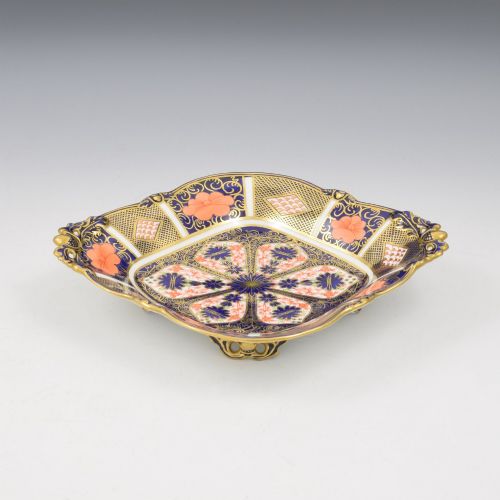
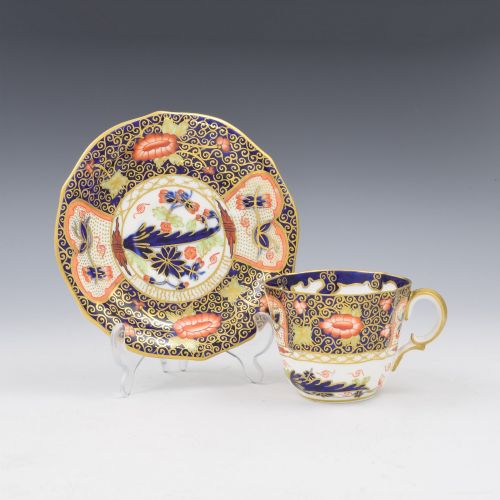
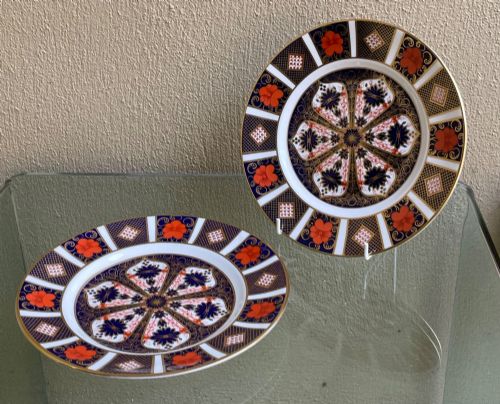
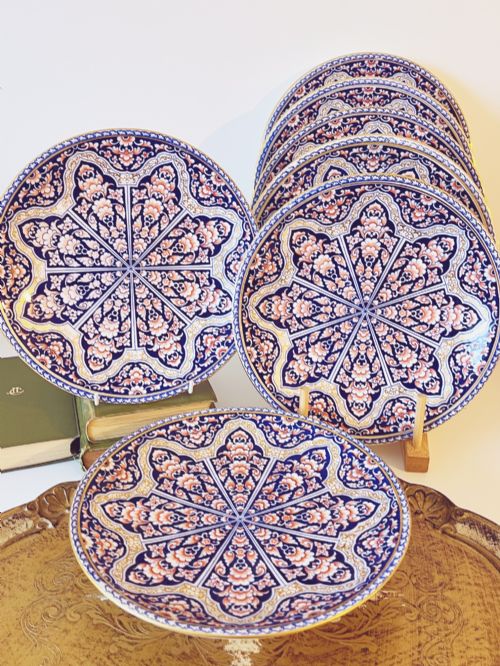
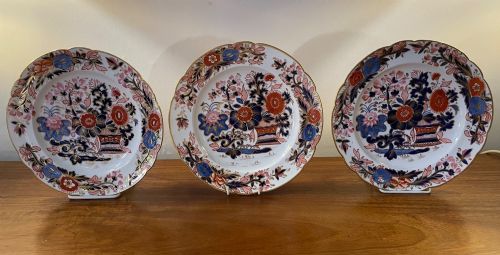
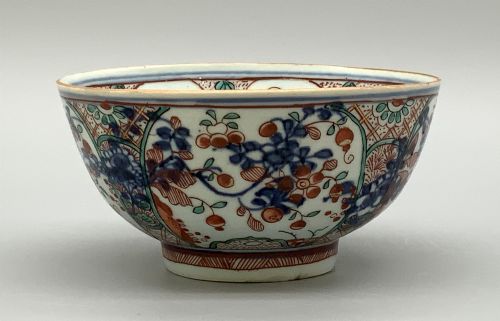
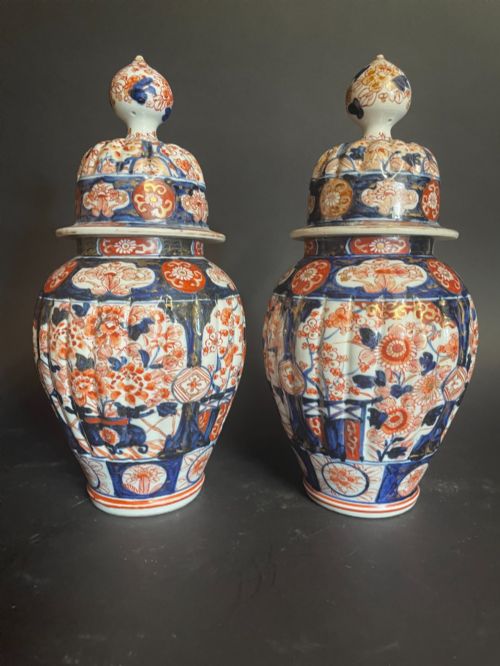
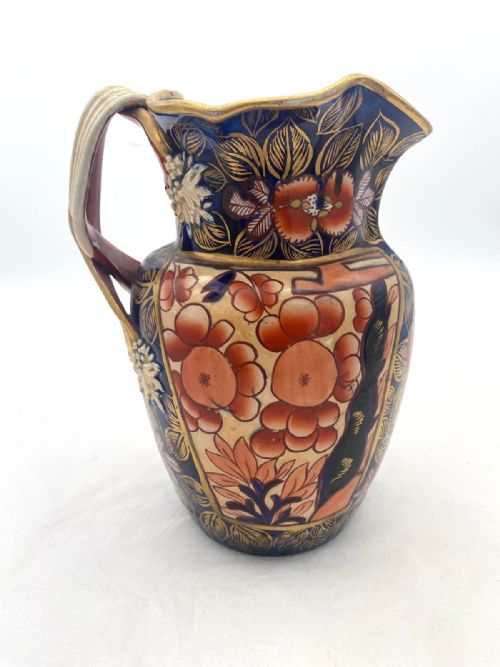
Imari pattern porcelain spans centuries of ceramic history, originating in Japanese export wares before being eagerly adopted by English and European factories. Buyers searching this phrase encounter everything from 18th-century Chinese Kangxi dishes and Edo period vases to robust Victorian ironstone and fine Edwardian bone china.
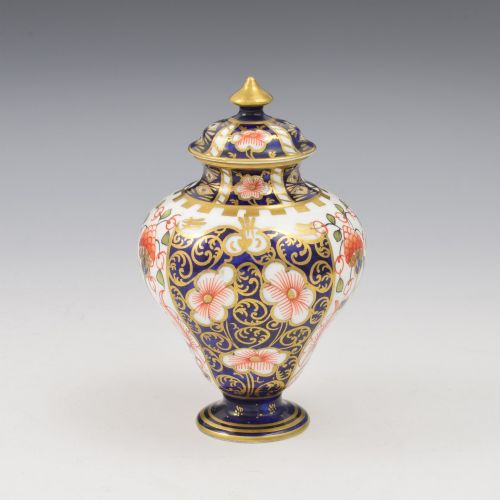
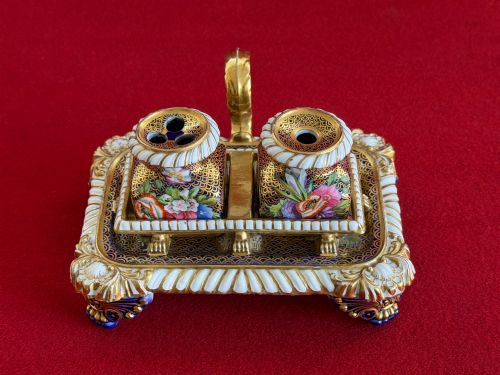
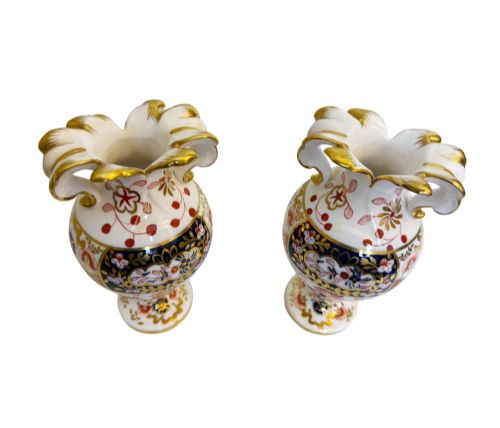
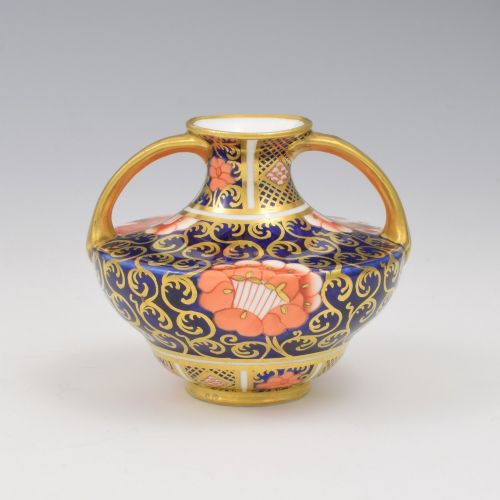
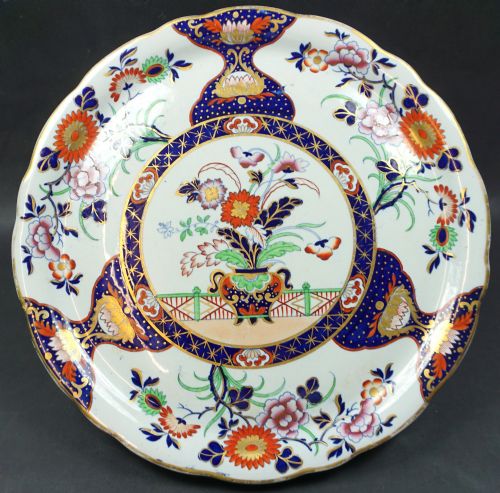
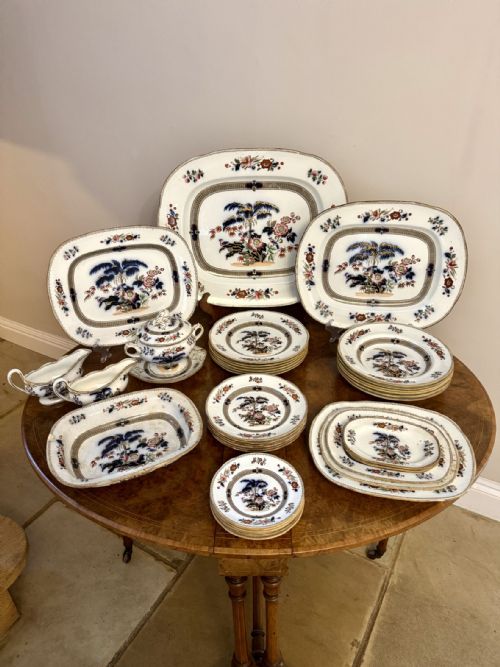
The objects take many functional and decorative forms, including tea services, dessert plates, comports, coffee cans, jugs, and lidded jars. English makers such as Royal Crown Derby, Spode, Coalport, and Mason's dominate the domestic offerings on this page, alongside genuine Japanese and Chinese pieces.
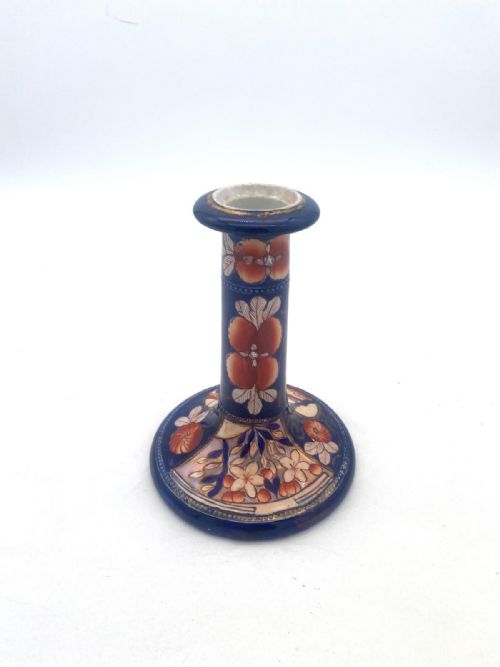
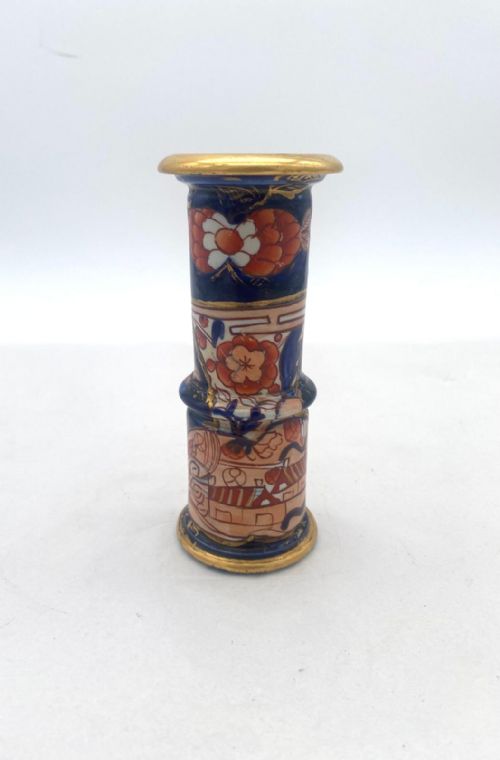
Vessels range from miniature spill vases and delicate cups to large dinner services and garnitures. The palette remains remarkably consistent across these origins, relying on deep cobalt underglaze blue, vibrant iron-red enamel, and frequent additions of gold leaf.
Materials and technique
Makers utilised ceramic bodies ranging from traditional porcelain and fine bone china to heavy earthenware and dense ironstone. The distinctive palette required careful multi-stage firing, beginning with the cobalt blue underglaze before adding enamel colours over the glaze.
Details were frequently heightened with gold leaf or metallic gilt accents applied by hand to accentuate the busy floral and architectural motifs. This complex layering gave the wares their characteristic rich texture and enduring durability.
Listings feature porcelain, bone china, ironstone, and earthenware spanning the Georgian, Victorian, and Edwardian periods.
Evaluating quality
Quality rests upon the crispness of the underglaze blue transfer or hand-painting, the precision of the enamel placement, and the generosity of the gilding. Early pieces demonstrate a depth of tone and delicacy of brushwork that later mass production rarely equals.
The clarity of the porcelain body and the preservation of the surface enamels also dictate value, as heavy friction wears away the delicate gold leaf over generations of use. Samson and other European imitators introduced high-level decorative fidelity, which collectors weigh carefully against originals.
Royal Crown Derby·Spode·Coalport·Mason's·Chamberlain Worcester·Hicks & Meigh·John Davenport·Samson of Paris·Flight Barr and Barr·Keeling and Co
The Imari Pattern Porcelain Glossary
- Imari palette
- A distinctive colour combination defined by cobalt blue, iron-red enamel, and gold leaf. This triad derives from traditional Japanese export wares and was widely copied by European potteries.
- Ironstone
- A heavy, durable type of earthenware patented in the 19th century. It provided a robust surface for colourful Imari and Japan patterns.
- Comport
- A decorative footed dish or bowl used for serving fruit or sweets at dessert. They frequently form the centrepiece of antique ceramic table services.
- Garniture
- A set of matching vases or jars designed to be displayed together on a mantelpiece or sideboard. These sets often comprise three or five matching pieces.
- Coffee can
- A small, straight-sided cylindrical cup used for drinking strong coffee during the Georgian and Regency periods. They are frequently found paired with matching saucers.
Imari Pattern Porcelain: Frequently Asked Questions
How do I date imari pattern porcelain?
Dating relies heavily on factory backstamps, paste composition, and stylistic shifts between Georgian hand-painted designs and later Victorian mass production.
Examining the wear on the foot rim and the vibrancy of the iron-red and gold enamels also helps establish the era of manufacture.
Are all imari pieces from Japan?
While the style originates from Japanese export ware shipped through the port of Imari, European factories produced vast quantities of English Imari.
English makers like Royal Crown Derby and Spode reinterpreted the aesthetic using local bone china and ironstone bodies.
How were these porcelain services used?
These ceramics served wealthy households for formal dining, dessert courses, and polite afternoon tea rituals.
Larger comports, tureens, and plates formed part of expansive dinner services, while smaller cups and saucers were reserved for private entertaining.
Can I use antique imari porcelain daily?
Most collectors reserve these delicate pieces for display or occasional gentle use due to the fragility of overglaze enamels and gold leaf.
Hand washing in warm water without harsh detergents protects the historic painted surfaces from fading over time.