



Imari Pattern Pitcher
These imari pattern pitcher examples are robust ceramic vessels decorated in rich palettes, offering a striking display piece for any collector.

Imari Pattern Pitcher
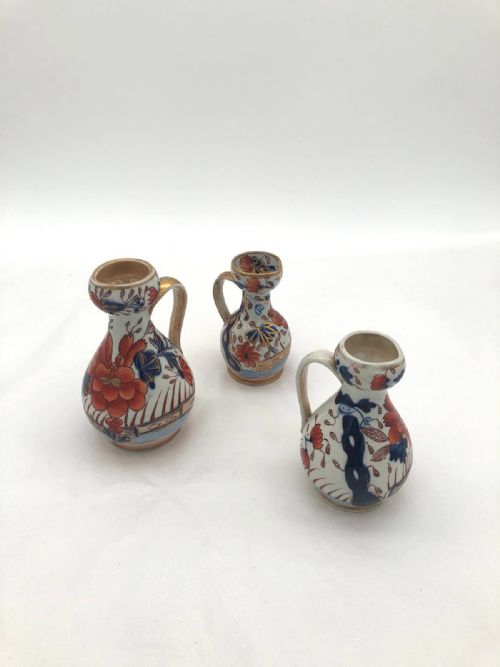
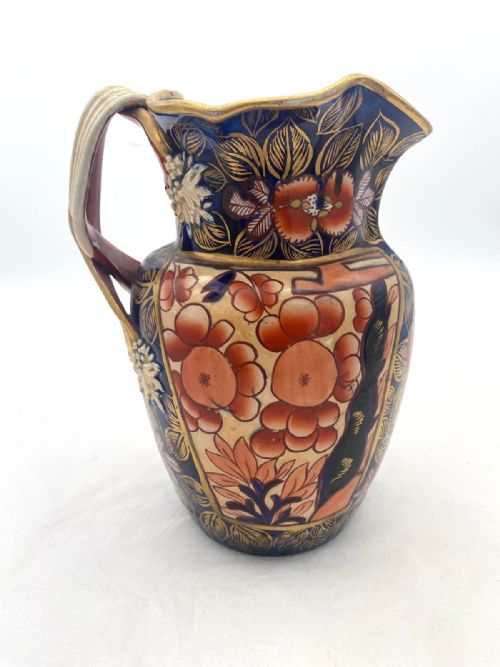
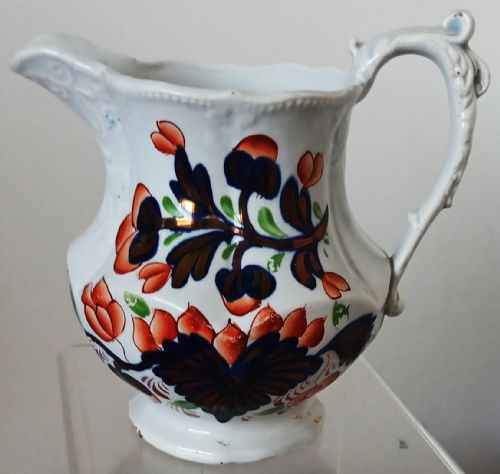
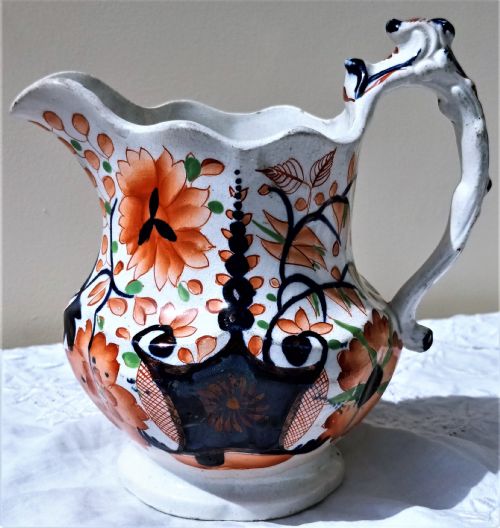
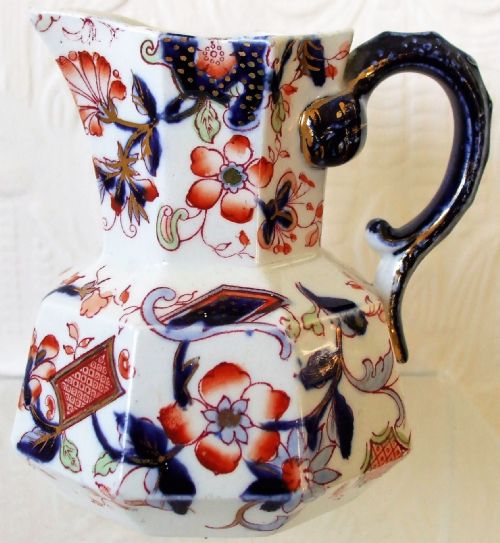
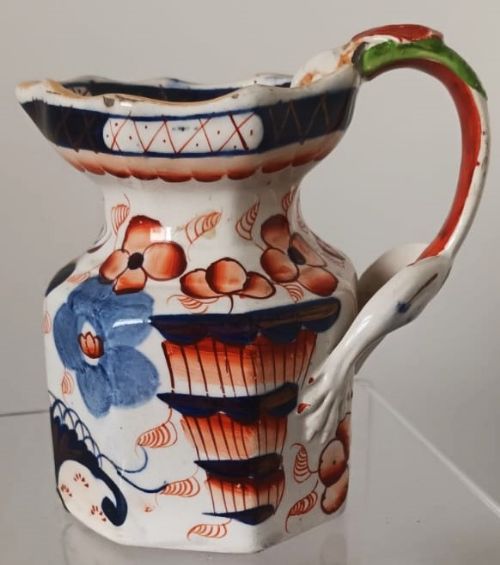
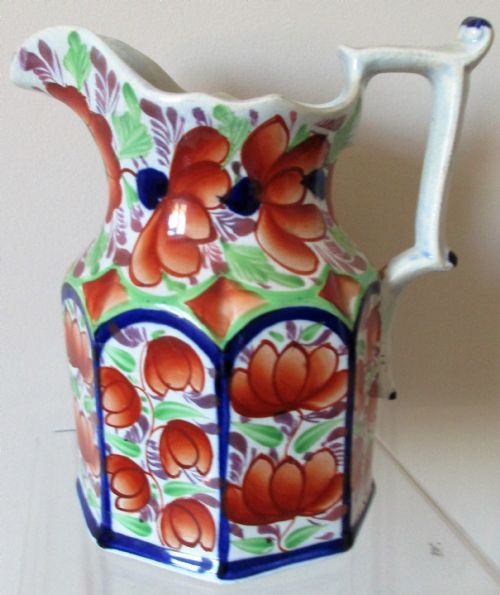
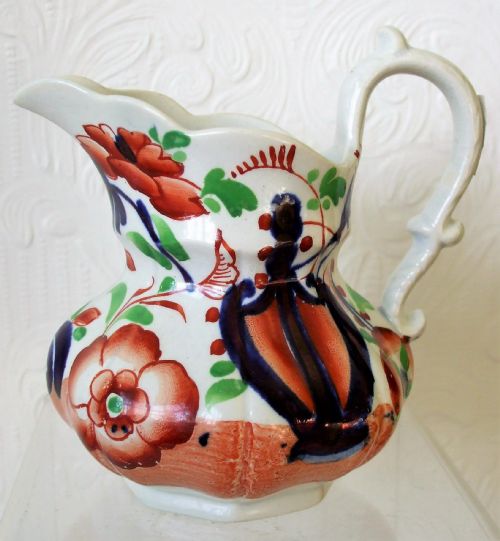
When you search for an imari pattern pitcher, you are looking at nineteenth century ceramic and ironstone vessels shaped as jugs, pitchers, and wash sets. These utilitarian objects span Georgian, Regency, and Victorian periods, often decorated with vibrant patterns such as Gaudy Welsh motifs, Pagoda scenes, and traditional Imari colourways.
The version you are most likely to meet on this page is the Victorian ironstone or pottery jug, frequently found in graduated sets or individual forms like the hydra or pouch jug. They combine practical liquid storage with elaborate hand-painted enamel and gilt decoration derived from Japanese porcelain traditions.
How they were made
Potters shaped these vessels using durable ceramic bodies, heavy ironstone, and refined earthenware, often forming distinct octagonal profiles or serpentine hydra handles. These robust bodies provided a stable foundation for repeated firing in coal-fired kilns.
Workmen applied vibrant enamels, underglaze prints, and gold leaf highlights by hand to achieve the characteristic imari palette. Final glazing sealed the pigments, creating a glossy surface that protected the ironstone and earthenware from daily wear.
Some nineteenth-century potters gave their jugs elephant feet.
What varies in quality
The crispness of the moulded form and the complexity of the hand-painted enamels separate standard utility vessels from more ambitious production. Pieces with sharply defined hydra handles and deep octagonal walls show greater sculptural ambition from the potter.
The application of gold leaf and the vibrancy of the cobalt blue and iron-red pigments determine the visual impact of the decoration. Richly layered gilding and precise brushwork on ironstone indicate a higher grade of manufacture from leading nineteenth-century potteries.
Mason's Ironstone·Keeling and Co·Davenport
The Imari Pattern Pitcher Glossary
- Ironstone
- A dense, durable type of earthenware patented in the nineteenth century to imitate Chinese porcelain. It resists chipping and provided a sturdy canvas for colourful imari decoration.
- Hydra jug
- A ceramic pitcher featuring a distinctive serpentine handle and moulded spout configuration. This classical shape drew inspiration from ancient Greek pottery forms.
- Gaudy Welsh
- A style of colourful pottery decorated with cobalt blue, copper lustre, iron red, and green. It gained popularity in the nineteenth century for domestic tea and tableware.
- Enamel
- Opaque glass-like paint applied over the glaze and fired at a lower temperature to fix the pigments. It allowed makers to achieve bright reds and greens on finished ceramic bodies.
- Gilt
- A thin layer of gold applied to the surface of the ceramic to highlight rims, handles, and pattern details. It catches the light and frames the painted panels.
Imari Pattern Pitcher: Frequently Asked Questions
What are imari pattern pitchers?
They are nineteenth-century ceramic and ironstone jugs decorated with traditional imari colours and patterns.
Potters produced them in various forms, including hydra jugs and wash sets, for household use.
How were these jugs used?
Households used these pitchers for serving liquids at the table or as part of wash basin sets in bedrooms.
Their robust ironstone and earthenware construction allowed them to withstand daily domestic handling.
How do I date a pitcher?
You can date a piece by examining the ceramic body, the makers marks, and the specific decorative style. Nineteenth-century examples often feature ironstone weights and distinct patterns like Gaudy Welsh or pagoda motifs.
Georgian and Victorian pieces display different handle formations and glazing techniques that help establish their age.
How do I care for ironstone?
Wash these ceramic pieces gently by hand using mild soap and warm water to protect the hand-painted enamels and gold leaf.
Avoid soaking them for extended periods or placing them in modern dishwashing machines.