









Imari Ceramic Pair
These imari ceramic pair selections bring together striking blue, iron red, and gilt porcelain vessels originating from Japan, China, and Britain.
Imari Ceramic Pair
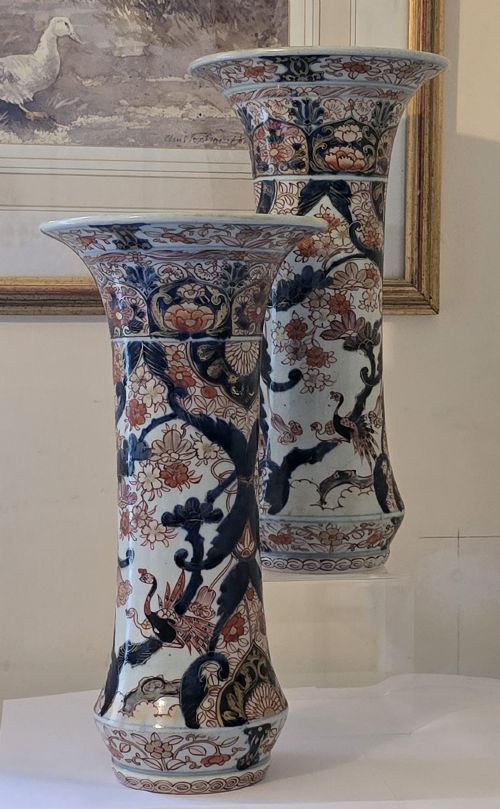
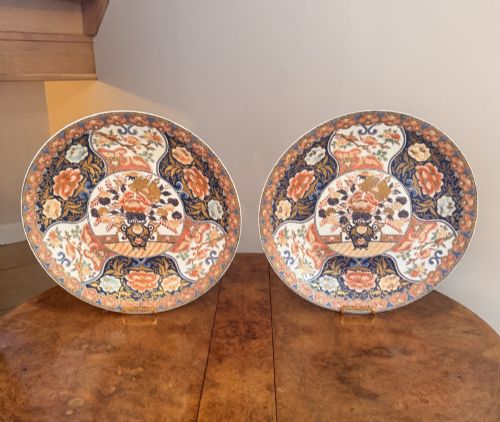
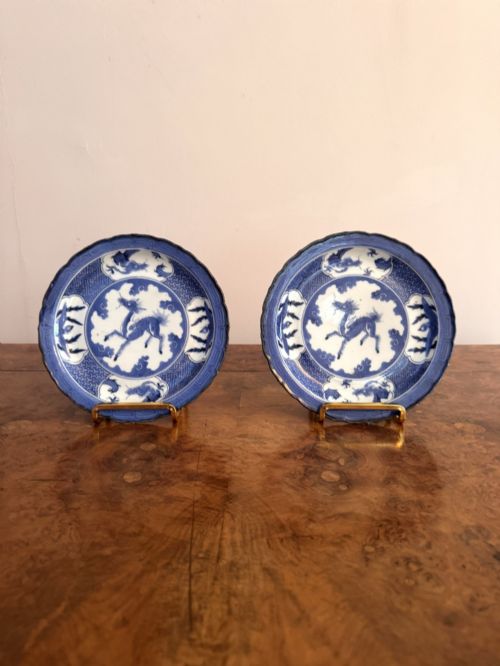
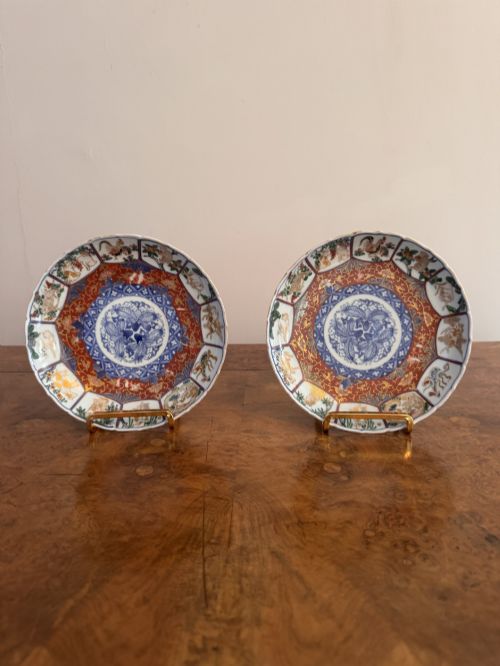
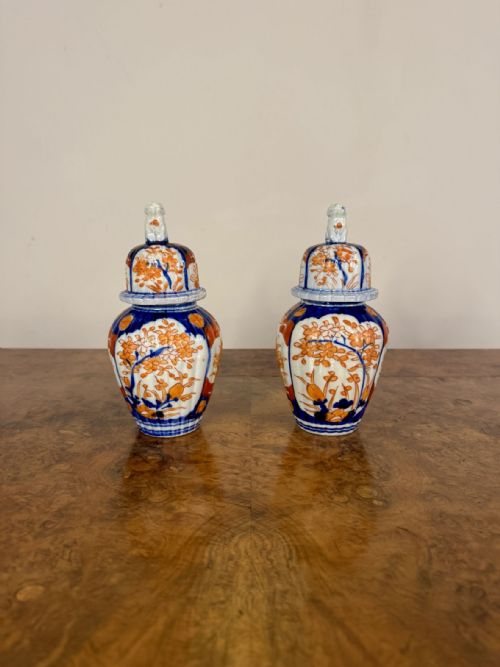
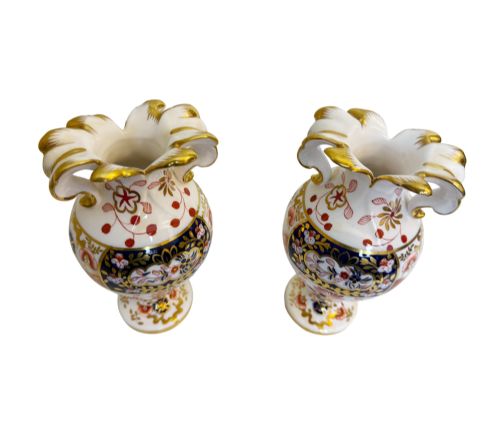
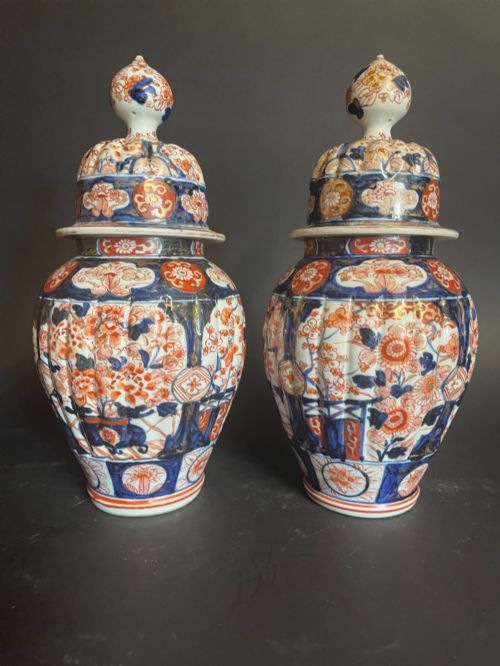
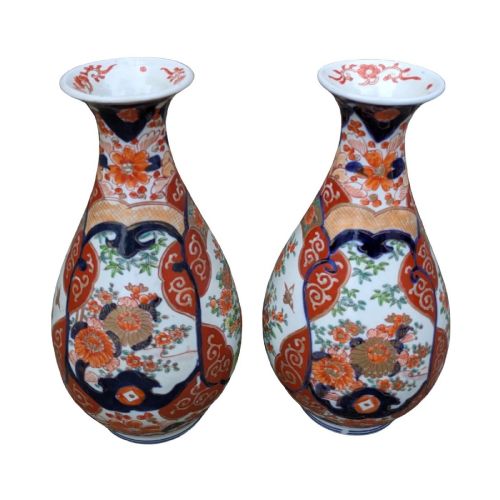
An imari ceramic pair comprises matched vessels created for symmetry in domestic display, most frequently encountered as plates, chargers, bowls, and lidded vases. These dual pieces span periods from the Edo and Meiji eras through to Georgian and Victorian interpretations by European potteries.
Japanese Arita porcelain pieces dominate the selection alongside British ironstone adaptations. Collectors encounter shapes ranging from scalloped dishes and double gourd vases to shell-shaped plates and pedestal bowls.
Materials and production methods
Potters shaped these vessels from porcelain and ironstone before applying underglaze blue and overglaze enamel pigments. Artisans then integrated gold leaf and heavy gilding to highlight intricate motifs.
Firing techniques allowed cobalt blue designs to fuse beneath the glaze while enamel colours and metallic gilding adhered during subsequent lower-temperature kiln runs.
Imari Ceramic Pair Retail Price Guide 2026
Typical asking prices for imari ceramic pair among the pieces listed under this phrase on Sellingantiques today, from the lower quarter to the upper quarter. They describe what is for sale here now, not the wider market.
Listings feature porcelain, ironstone, and enamel materials across Meiji, Edo, Georgian, and Victorian periods.
Distinctions in craftsmanship and preservation
Quality rests upon the crispness of the hand-painted cobalt underglaze work and the generous application of gold leaf and enamel detail. Pieces demonstrating superior artistic execution display finely balanced motifs, such as depictions of the Seven Lucky Gods or exotic birds.
Preservation of the original gilding and enamel surface integrity dictates the standing of each item. Matching symmetry and minimal surface wear separate standard domestic wares from exhibition-grade examples.
Spode·Chamberlain Worcester·Masons
The Imari Ceramic Pair Glossary
- Imari
- A style of ceramic decoration originating in Japan, characterised by a distinctive palette of underglaze blue, iron red, and gold. The name derives from the port from which these wares were shipped.
- Arita
- The Japanese town and surrounding region where the porcelain for these wares was produced. Arita kilns pioneered the development of Japanese export ceramics.
- Charger
- A large decorative plate intended for display on a sideboard or wall rather than for use at the dining table. These substantial pieces showcase complex pictorial designs.
- Ironstone
- A type of heavy, durable ceramic patent-invented in Britain as a robust alternative to porcelain. It readily accepted transfer printing and hand-painted enamel decoration.
- Gilding
- The application of gold leaf or gold powder onto the ceramic surface to accent patterns. This decorative layer is often fired onto the glaze for permanence.
Imari Ceramic Pair: Frequently Asked Questions
What defines an imari ceramic pair?
An imari ceramic pair consists of two matched decorative vessels sharing identical patterns, forms, and palettes, predominantly featuring blue, red, and gold.
Such pairings were traditionally manufactured to stand symmetrically on mantelpieces, sideboards, or cabinets in formal interiors.
How do Japanese and British versions differ?
Japanese examples utilise fine Arita porcelain painted with traditional motifs like birds, deities, and floral panels. British interpretations often employ ironstone body clay produced by factories mimicking eastern decorative schemes.
Both traditions rely on the signature colour scheme, though the underlying ceramic paste and weight vary distinctly between the two origins.
Were these pieces used daily?
Larger chargers, lidded vases, and deep bowls served primarily as decorative showpieces in domestic spaces. Smaller plates and cups saw functional use for dining and tea consumption.
Display items survived with brighter enamel and gilding because they avoided the wear associated with regular dining routines.
How should these ceramics be displayed?
These balanced sets look best placed symmetrically on flat surfaces where both items receive equal ambient light to highlight the metallic gilding. Stable brackets or plate stands secure heavier chargers and bowls safely.
Keeping them away from direct sunlight protects the overglaze enamels from fading over extended periods.