





Hungarian Painted Furniture
Hungarian painted furniture brings robust regional character into a room through vibrant pigment and honest rural craftsmanship.
Hungarian Painted Furniture
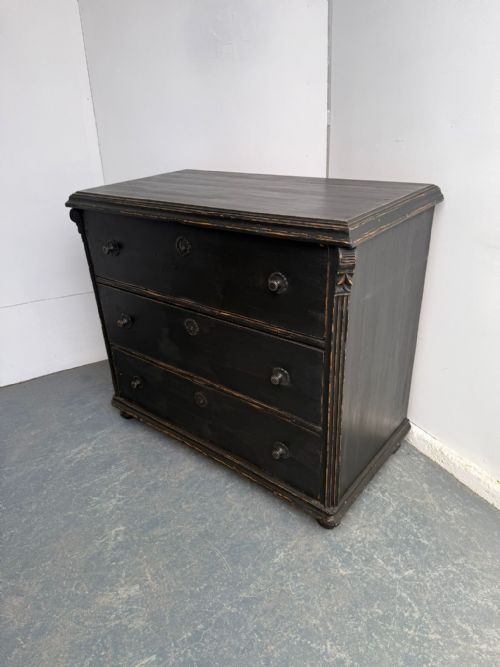
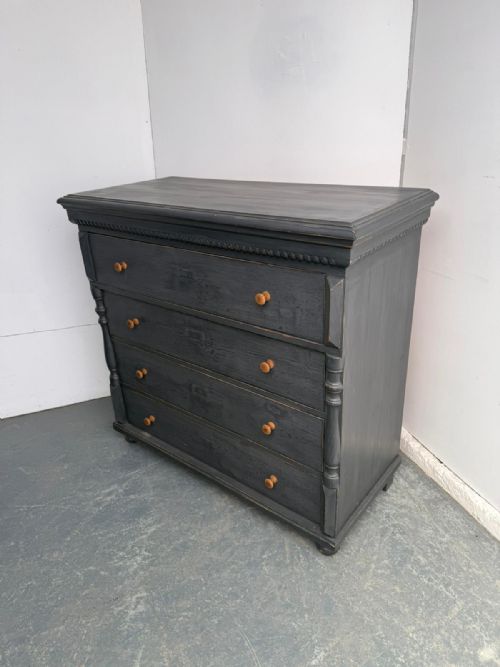
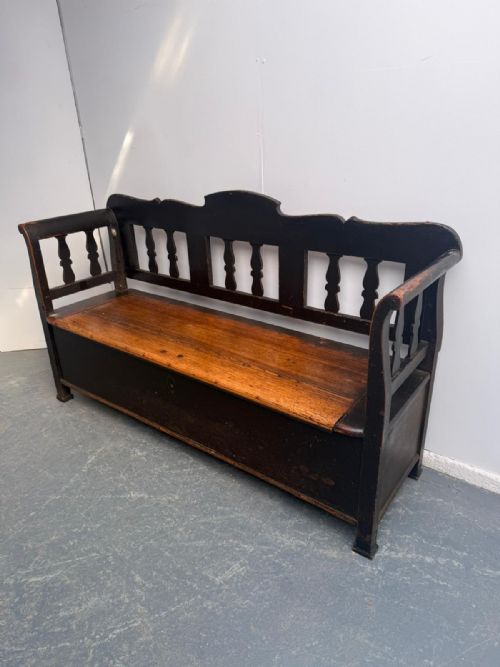
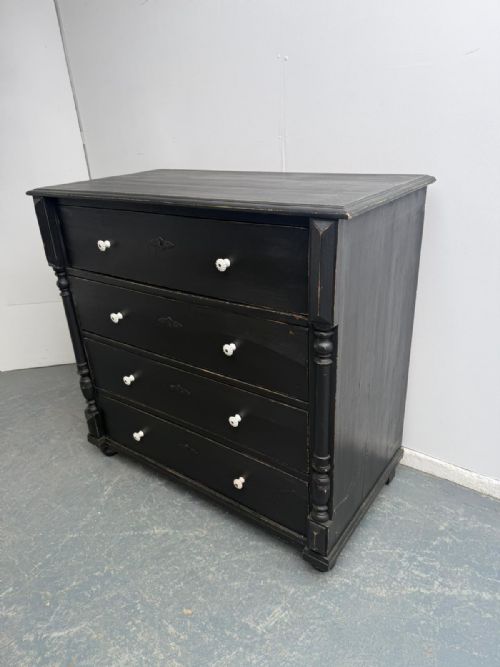
When searching for Hungarian painted furniture, buyers encounter substantial storage and seating pieces originating from Central European rural traditions. The selection spans sturdy pine benches, multi-drawer chests, and two-piece dressers bearing layers of historical pigment.
Victorian and Georgian periods dominate the offerings, alongside late nineteenth-century items dated around eighteen-eighty and nineteen-hundred. These items reflect distinct regional styles including folk art, rustic country, and European country aesthetics.
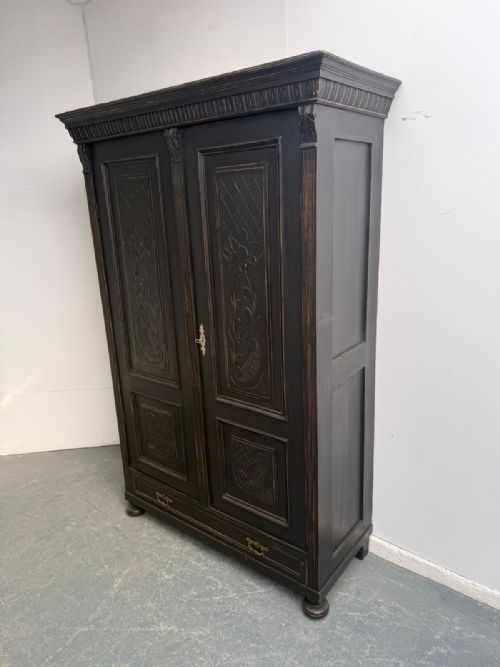
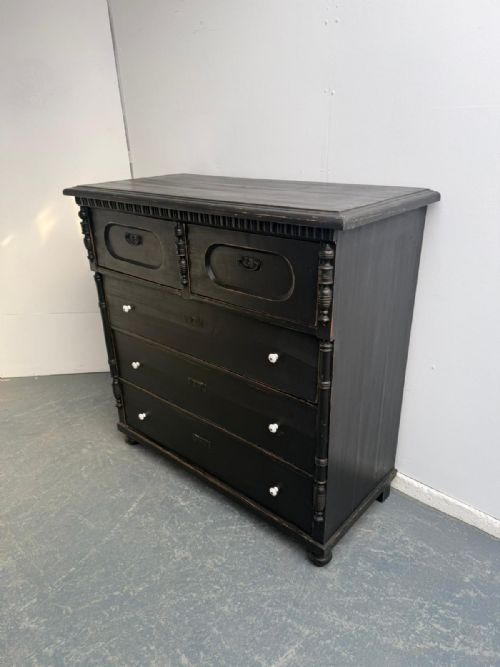
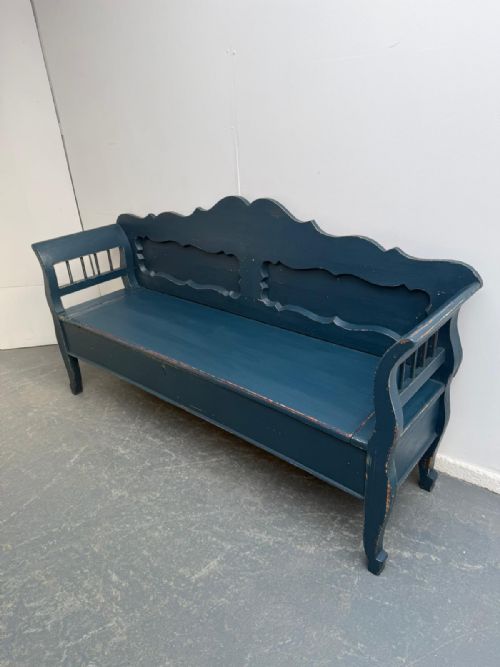
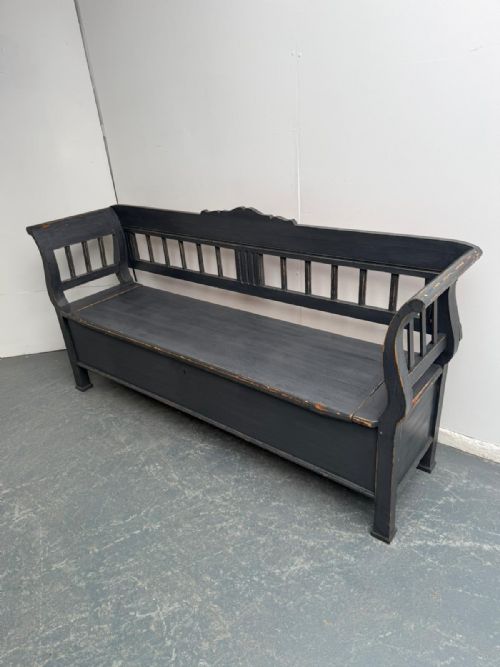
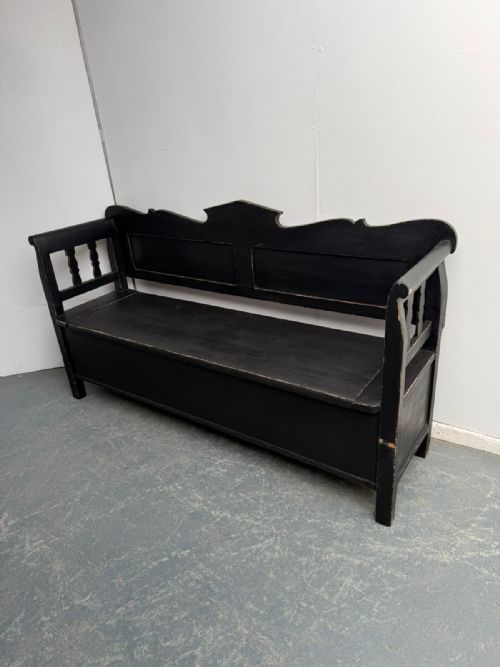
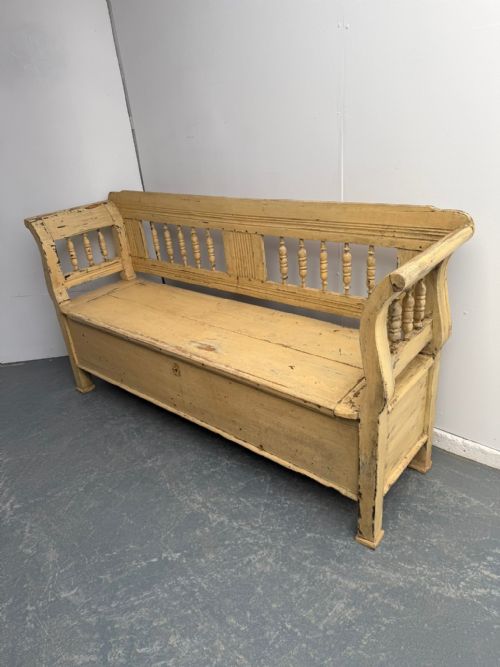
The most frequently encountered forms on this page are three-seater benches, box settles, and multi-drawer chests of drawers. Wardrobes, cupboards, and dressers also appear, providing practical storage solutions with strong decorative presence.
Materials and construction
Makers constructed these pieces primarily from solid pine and occasionally oak, utilising timber available in local woodlands. Iron, brass, and metal hardware such as hinges and drawer pulls complete the structural assembly.
Surfaces received hand-applied coats of paint in shades of black, grey, blue, green, cream, and teal. This pigmented finish protected the softwood beneath while allowing artisans to express folk art traditions through colour.
Listings feature pine and oak materials shaped into benches, chests of drawers, and wardrobes across Victorian and Georgian periods.
Evaluating quality
Quality rests in the survival of original painted surfaces and the integrity of the underlying timber construction. Pieces retaining their earliest layers of coloured pigment command greater interest than those stripped or excessively restored.
Proportion and utility also separate examples, with well-balanced proportions in benches, wardrobes, and multi-tier dressers indicating careful workshop production. Clean lines and solid joinery in the pine or oak framework ensure enduring strength.
The Hungarian Painted Furniture Glossary
- Box settle
- A high-backed wooden bench featuring a storage compartment beneath the seat. This form kept inhabitants warm by blocking draughts while offering practical containment for household goods.
- Armoire
- A large upright cupboard or wardrobe used for storing garments. Austro-Hungarian examples often feature double doors and decorative painted panels.
- Dresser base
- The lower section of a kitchen dresser, usually comprising cupboards and drawers. These low storage units provide robust surfaces for food preparation or display.
- Cofer box
- A heavy wooden chest or trunk utilised for linen and valuable storage. Early examples often display simple panel construction and surface decoration.
Hungarian Painted Furniture: Frequently Asked Questions
What is Hungarian painted furniture?
It comprises traditional storage and seating items built by rural craftspeople in Central Europe. These objects utilise local softwoods decorated with distinct regional painted finishes.
They reflect folk art traditions from the Georgian and Victorian eras, bringing bold colour and utilitarian design into domestic spaces.
How were these pieces used?
Rural households relied on them for daily storage, seating, and food preparation. Benches and box settles provided dual functions as seating and blanket chests.
Cupboards, dressers, and chests of drawers organised household textiles, kitchenware, and clothing within the home.
How do I live with them?
Position these substantial items against plain walls to let their painted surfaces stand out. They suit both traditional country interiors and modern minimalist rooms seeking warmth.
Keep them away from direct heat sources to protect the aged pine timber and historical layers of paint from drying out.
How are periods told apart?
Georgian examples often show simpler, heavier construction lines combined with early pigment choices. Victorian and later nineteenth-century pieces frequently display more developed folk art motifs and varied colour palettes.
Construction methods and hardware types also offer clues to the age of the timber and the decade of manufacture.