


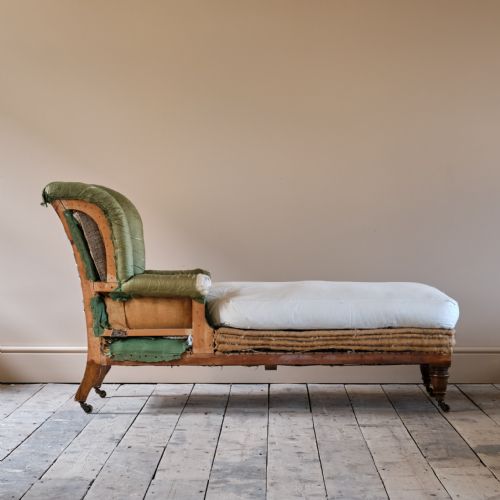

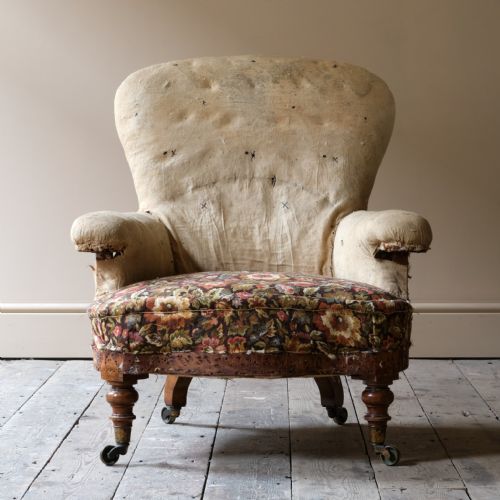


Howard Sons Walnut Chairs
Howard sons walnut chairs bring exceptional nineteenth century English comfort and craftsmanship into your home through enduring upholstered forms.
Howard Sons Walnut Chairs
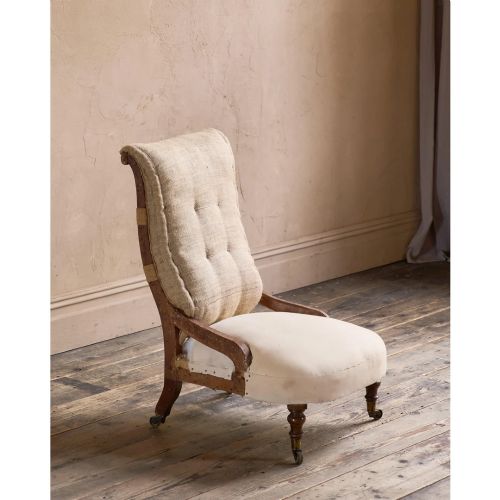
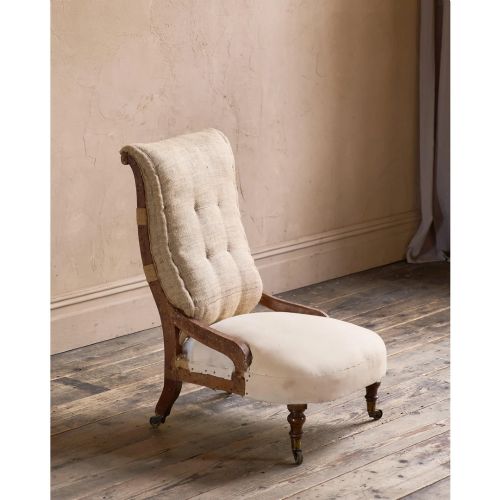
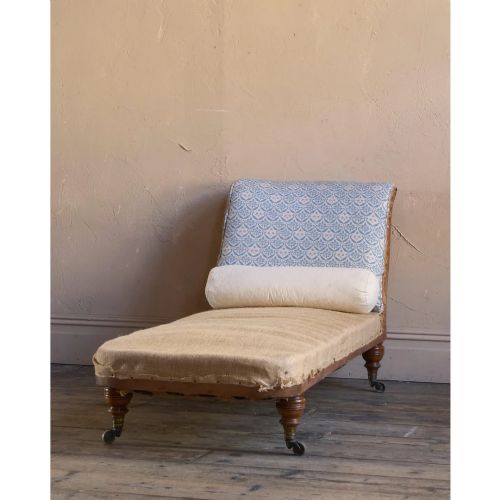
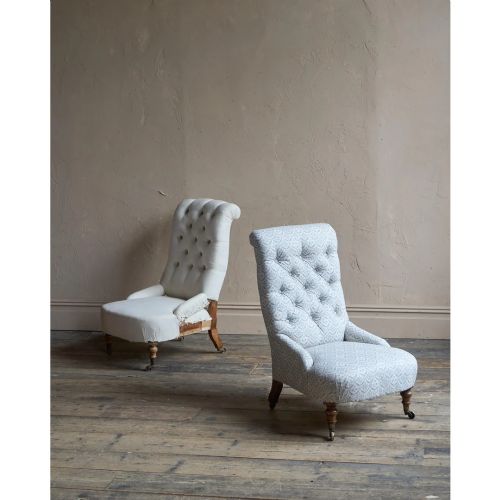
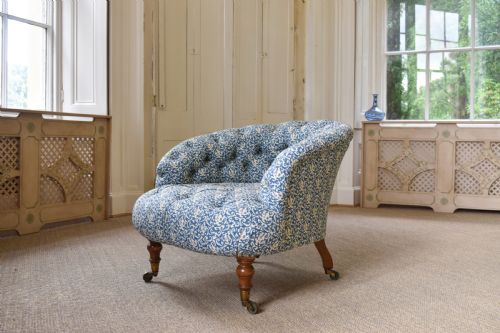
Howard sons walnut chairs encompass nineteenth century seating including armchairs, club chairs, tub chairs, bedroom chairs, and desk chairs from Victorian and Edwardian periods. You will regularly encounter open armchairs, daybeds, and chaise longues finished in walnut woodwork.
The selection ranges from early nineteenth century examples to Edwardian pieces reflecting English country house style. Makers stamped their woodwork, and pieces span specific decades from eighteen fifty to nineteen hundred.
How they were made
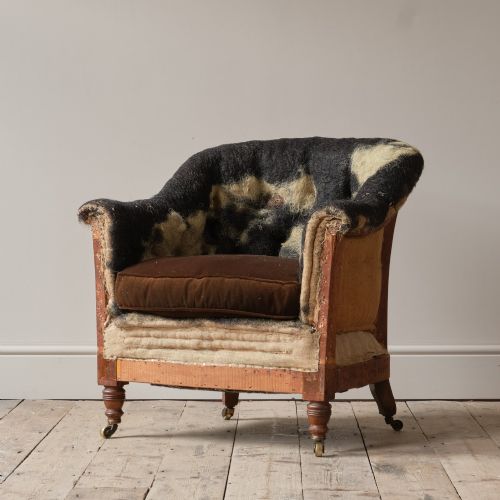
Construction relies upon solid walnut frames paired with traditional internal stuffing materials including horsehair, hessian, cotton, and calico. Brass castors frequently support the legs beneath upholstered bodies.
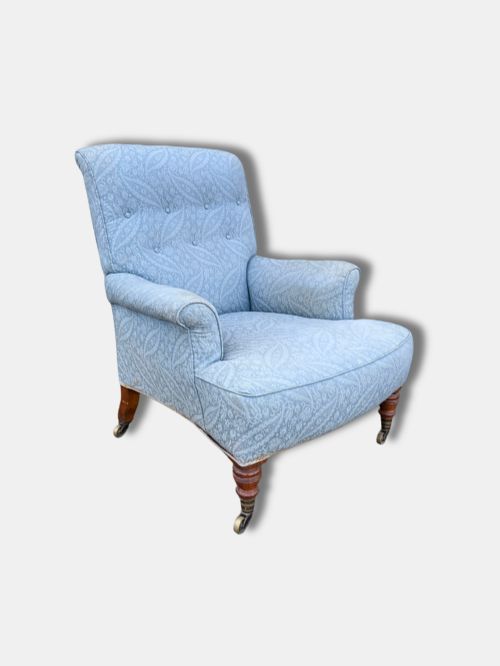
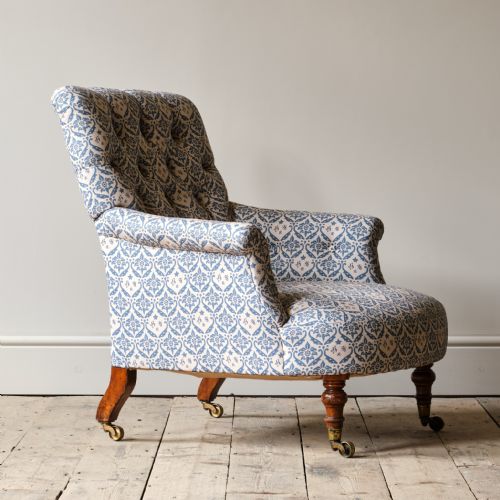
Upholstery finish varies from plain ticking to blue fabric, kilim, and patterned textiles like William Morris designs. Wood frames receive polish to highlight the natural grain of walnut.
Some nineteenth century armchairs arrive wearing their original branded ticking, proving that sensible striped fabric can outlast dynastic changes.
What varies in quality
Quality differences rest upon the presence of maker stamps on the woodwork and castors, distinguishing stamped workshop output from pieces in the Howard style. Original upholstery details such as branded ticking also elevate a piece.
The integrity of the underlying walnut frame and the retention of traditional stuffing materials determine the structural standard. Early nineteenth century examples show distinct turning and joinery compared to later Edwardian production.
Howard and Sons
The Howard Sons Walnut Chairs Glossary
- Walnut
- A dense hardwood utilised for chair frames and legs. It provides a dark, rich grain visible on open armchairs.
- Ticking
- A tightly woven cotton fabric traditionally used as the initial upholstery cover on these seats. It often bears maker stamps.
- Horsehair
- A natural stuffing material packed inside the upholstery for resilience. It maintains the firm shape of nineteenth century cushions.
- Castor
- A small wheel fitted to the base of chair legs, frequently made of brass. It allows heavy armchairs to move across floors.
- Hessian
- A coarse woven fabric employed as internal support beneath the outer upholstery layers. It holds the stuffing in place.
Howard Sons Walnut Chairs: Frequently Asked Questions
How do I spot a real Howard chair?
Inspect the wooden legs and brass castors for maker stamps bearing the firm name. Documentation on the internal ticking often confirms authenticity.
Examine the frame construction and materials to ensure they match nineteenth century manufacturing methods.
What periods do these chairs come from?
The pieces date primarily from the nineteenth century, encompassing Victorian and Edwardian eras. Specific production dates range from eighteen fifty through to nineteen hundred.
Early examples display distinct framing styles compared to later Edwardian country house editions.
What fabrics are used on the upholstery?
Upholstery ranges from traditional striped ticking and blue cotton to kilim and decorative patterns like William Morris prints. Calico and hessian form the hidden inner layers.
Many pieces retain their original fabric coverings or historical replacement textiles.
How do I care for walnut wood?
Dust the exposed walnut frame regularly with a dry cloth to protect the polished surface. Avoid placing the chair near direct heat sources to prevent wood splitting.
Treat the timber occasionally with appropriate furniture wax to maintain the grain.