
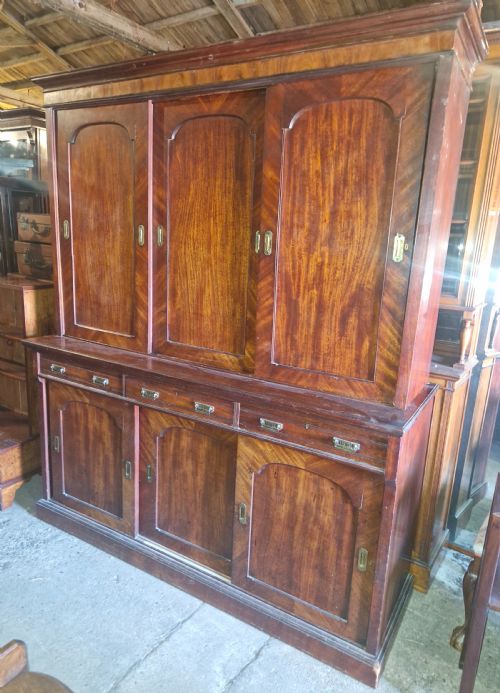
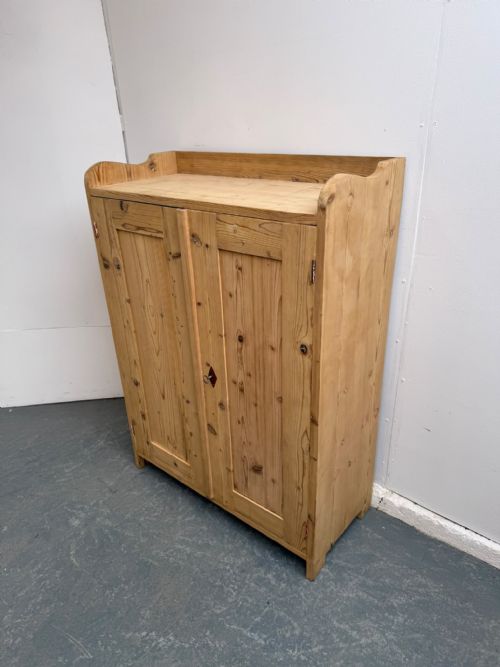
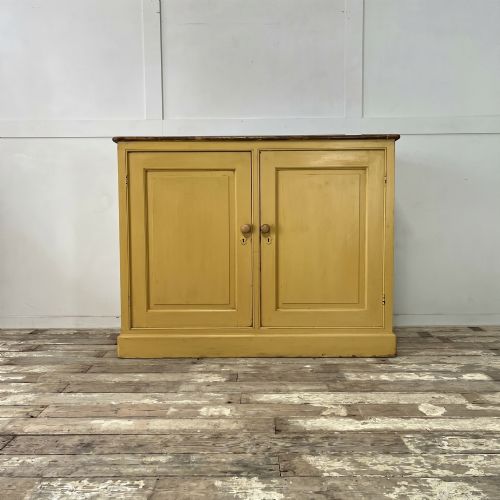


Housekeepers Cupboard Base
A housekeepers cupboard base is a sturdy utilitarian timber cabinet that provides generous storage for household linens and provisions.
Housekeepers Cupboard Base
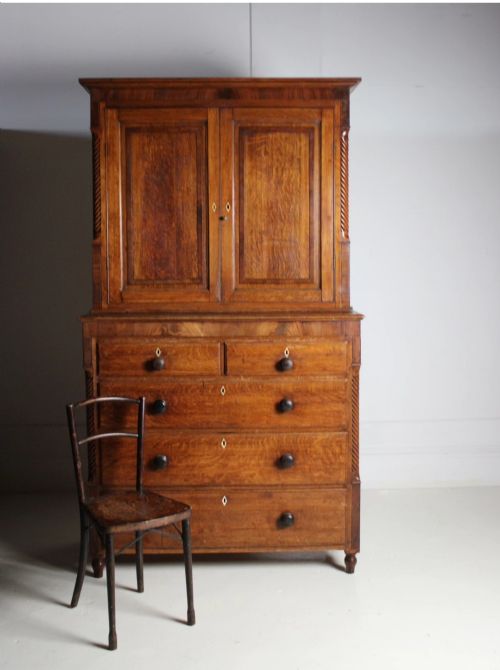
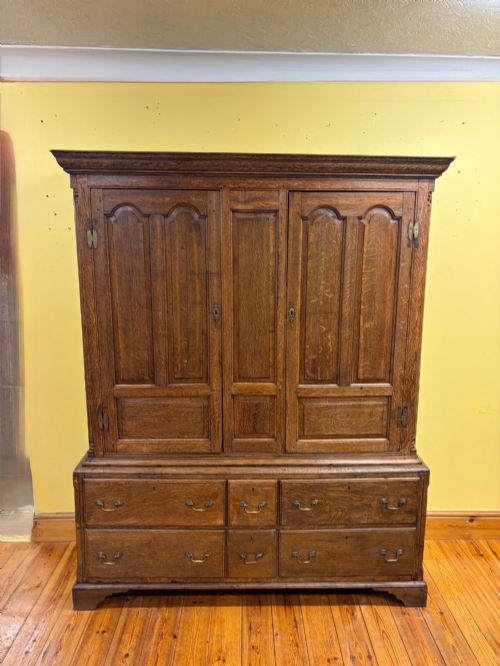
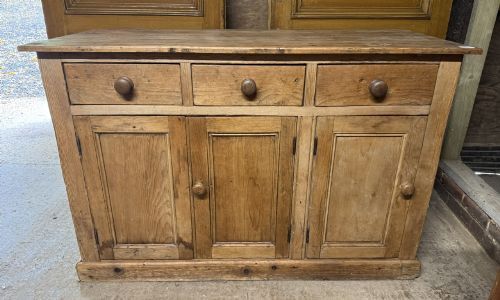
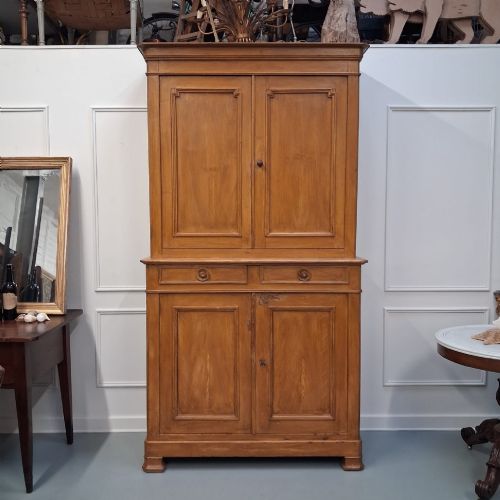
A housekeepers cupboard base is a substantial utilitarian storage piece designed for domestic organisation in large houses and country properties. These lower sections of larger linen presses or standalone lower cabinets appear in various traditional forms across the listings.
The versions most commonly met on this page span the Georgian, Victorian, and nineteenth-century periods, showing regional influences from English country styles to French provincial workshops. Cabinets appear in configurations ranging from two-door storage cupboards to large school cupboards and estate office cabinets.
Makers constructed these functional pieces primarily for utility, resulting in robust proportions suited to heavy domestic service. Buyers encounter robust timbers and practical shelving arrangements that reflect their original deployment in busy domestic quarters.
Materials and construction
Makers relied on solid native and continental timbers, notably oak, pine, mahogany, and cherry wood, chosen for durability in daily service. Pitch pine also appears in larger multi-door formats constructed during the nineteenth century.
Joinery techniques prioritised strength, incorporating panelled doors and sturdy framing to withstand heavy use in country houses and institutional settings. Original painted surfaces, brass hardware, and iron fittings complete the construction details recorded across the pieces.
Several cupboards served bustling Victorian schoolrooms and estate offices before finding retirement in modern homes.
Assessing quality and character
Quality separates utilitarian school or office storage from finer domestic furniture through the selection of timber and refinement of proportion. Superior examples display dense-grained oak, mahogany, or cherry wood alongside carefully fitted internal compartments.
The integrity of original painted finishes or the depth of patination on bare timber dictates the visual appeal of each cabinet. Untouched original surfaces and robust structural preservation distinguish the better survivals from heavily altered pieces.
The Housekeepers Cupboard Base Glossary
- Housekeeper's cupboard
- A large storage cabinet traditionally used for housing household linen, dry goods, and provisions under the care of a housekeeper. These pieces often divided into upper and lower sections.
- Pitch pine
- A durable resinous softwood utilised extensively during the nineteenth century for large domestic and institutional cupboards. It provides a distinctive grain pattern and considerable structural strength.
- Panelling
- A construction method using vertical stiles and horizontal rails to frame flat or raised wooden panels. This technique accommodates seasonal timber movement without splitting the door frame.
- Patina
- The surface sheen and colour acquired by wood and paint through age, use, and polishing. Collectors value undisturbed patination as evidence of genuine antiquity.
Housekeepers Cupboard Base: Frequently Asked Questions
What is a housekeepers cupboard base used for?
These robust cabinets originally served domestic staff for storing household linen, dry stores, and household accounts in large estates.
Today, buyers utilise them in modern kitchens, hallways, and living spaces as substantial freestanding storage furniture.
How do I date a timber cupboard?
Dating relies on examining the timber species, construction methods, hardware, and tool marks visible inside the cabinet. Georgian pieces often show finer cabinet-making details, whilst Victorian examples frequently utilise pitch pine or painted finishes.
Comparing the panel construction and joining techniques helps distinguish eighteenth-century work from later nineteenth-century manufacturing.
Are painted finishes on these cupboards original?
Some pieces retain original historic paint layers that show authentic wear, crackle, and patination accumulated over generations of domestic service. Other items feature later decorative painted surfaces applied to enhance the timber.
Close inspection of the paint bond and underlying wood reveals whether the finish dates to the period of manufacture.
How do I care for antique pine furniture?
Maintain antique pine cabinets by keeping them away from direct heat sources and rapid temperature fluctuations that cause wood to split. Regular dusting and occasional waxing preserve the condition of bare or polished timber surfaces.
Avoid excessive moisture and use mild, non-abrasive cleaning methods to protect historic finishes.