
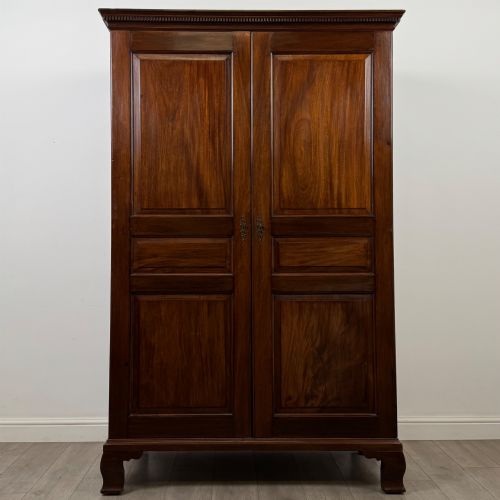
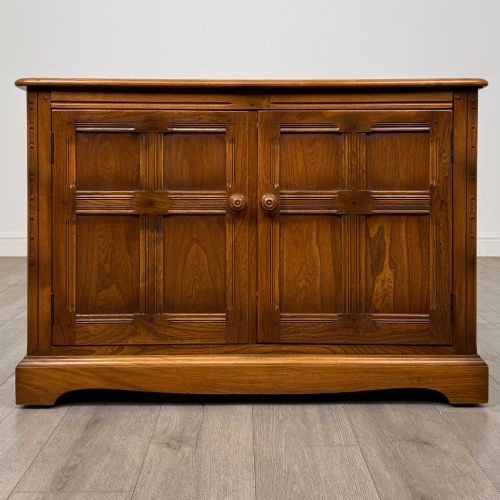
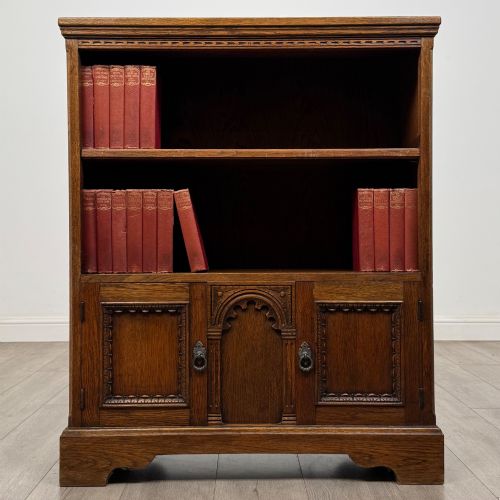
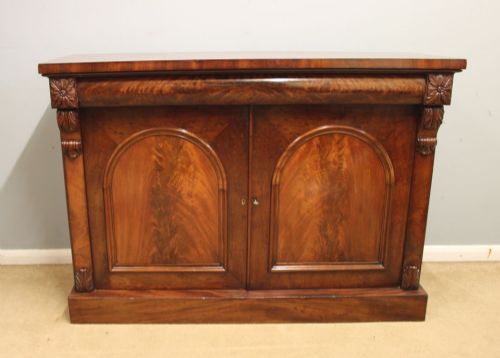
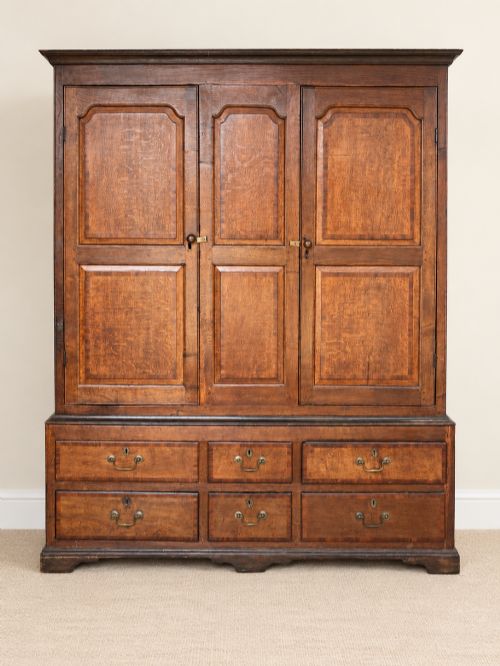
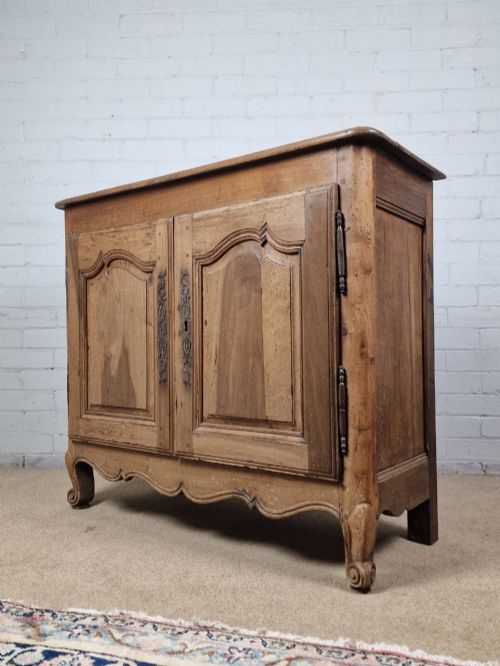
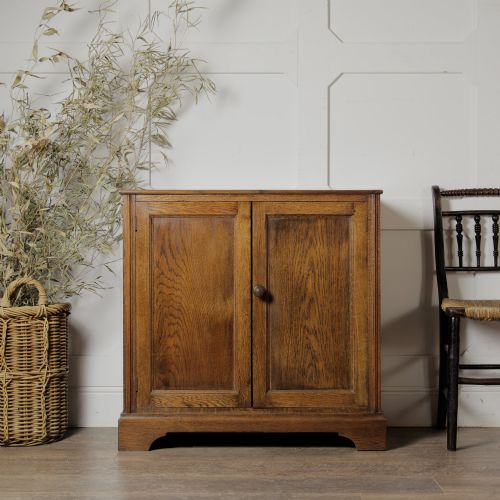
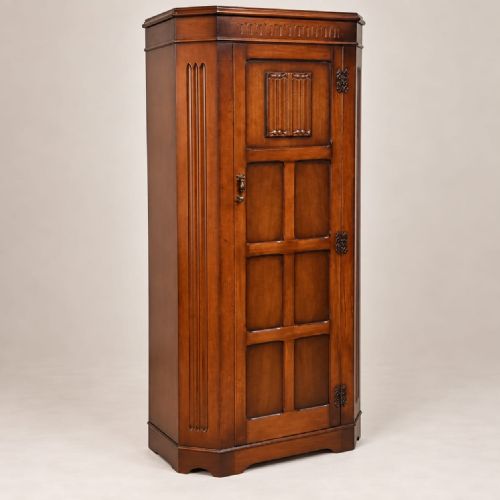

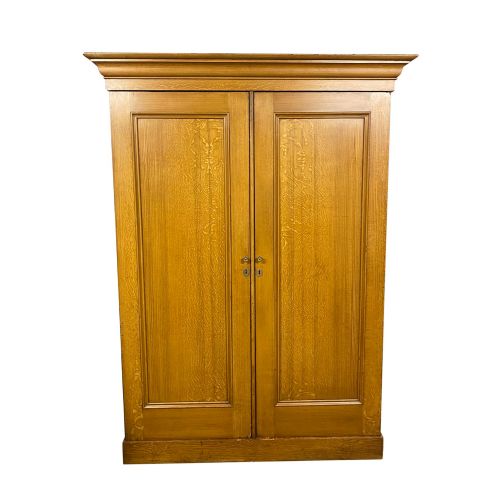
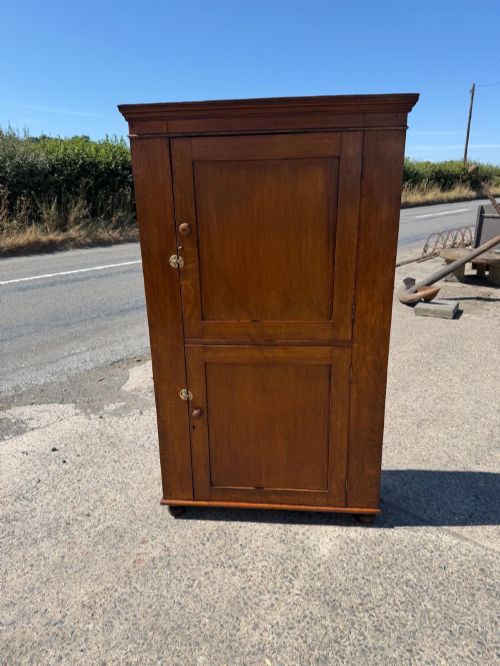
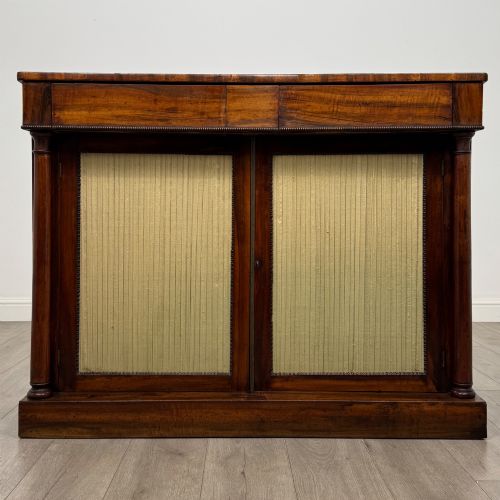
Paneled Door Cupboard
A paneled door cupboard brings solid timber presence and honest storage to a room, built by hands that valued longevity.
Paneled Door Cupboard
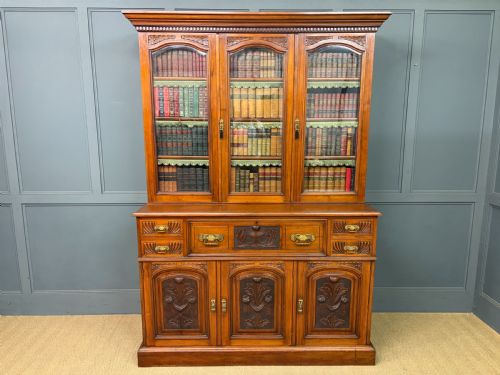
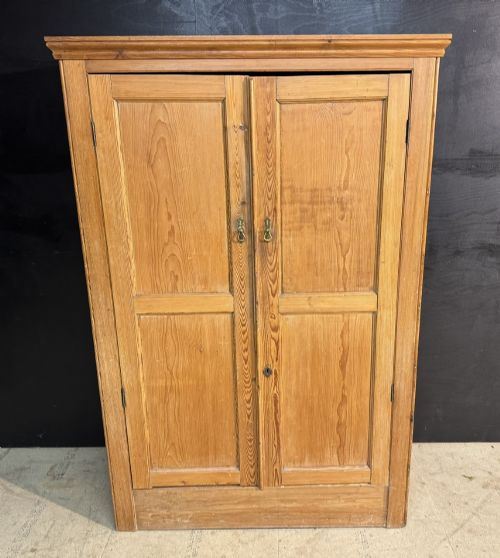
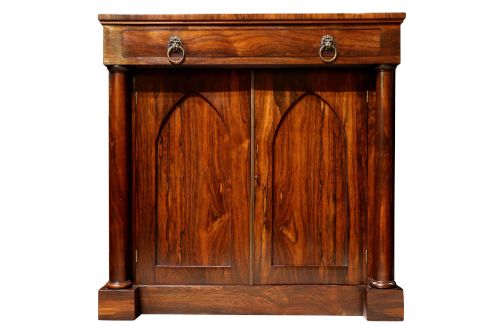
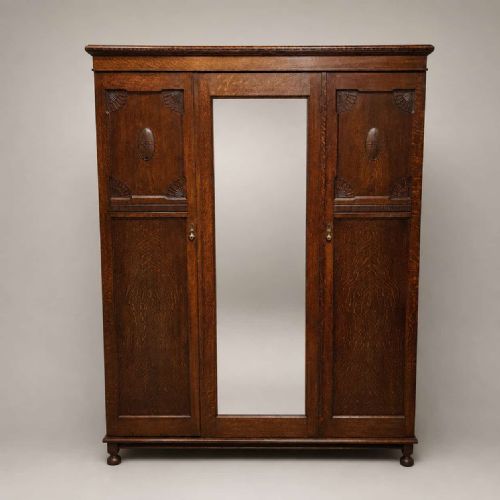
When you search for a paneled door cupboard, you encounter practical storage pieces built across centuries from the Georgian era through the Edwardian period. These units range from small floor-standing corner cabinets and spice cupboards to large housekeepers cupboards, wardrobes, and side cabinets.
The version you are most likely to meet on this page is constructed in oak or mahogany, often carrying the clean lines of Georgian design or the heavier proportions of Victorian and Edwardian joinery. They serve as functional storage furniture that brings period character into modern interiors.
How They Were Made
Cabinetmakers built these pieces using durable timbers such as oak, mahogany, pine, walnut, and rosewood, often pairing them with brass or iron hardware. Surfaces received various finishes including wax, paint, or scumble faux oak treatments to protect the wood and define the grain.
Construction relied on traditional joinery to frame the wooden panels securely within the doors, allowing the timber to expand and contract with seasonal changes. Carved details and glass panels appeared on specific regional or stylistic variants.
Some nineteenth-century cupboards hide secret painted scumble grain beneath layers of history, mimicking expensive oak with clever brushwork.
What Varies in Quality
The distinction between standard utility cupboards and finer examples lies in the selection of timber and the precision of the joinery. Superior pieces display carefully matched wood grains on the panels and tight, stable joints that endure through generations of daily use.
Hardware choice and surface preservation also set pieces apart, where original brass fittings and untouched patinated finishes indicate higher craftsmanship than later replacements or heavy restoration.
The Paneled Door Cupboard Glossary
- Panel
- A central wooden section fitted within a grooved frame to prevent warping as the timber ages. This construction method defines the visual structure of the doors.
- Housekeepers cupboard
- A large storage piece traditionally used in country houses for linens and dry goods. These tall units offer deep internal shelving.
- Cornice
- The decorative moulding that runs along the top edge of a cabinet or wardrobe. It crowns the structure and balances the proportions below.
- Scumble
- A translucent decorative paint layer dragged or brushed over a base coat to imitate finer wood grains. It appears on utility furniture from the nineteenth century.
Paneled Door Cupboard: Frequently Asked Questions
How do I date a cupboard?
Dating relies on observing construction marks, timber choice, and hardware styles that align with specific eras like the Georgian or Victorian periods.
Secondary woods at the back and interior surfaces often reveal the true manufacturing age when exterior elements have been updated.
Where should I place a corner cupboard?
Corner cabinets fit naturally into empty room angles to maximise floor space while displaying books or decorative objects.
Floor-standing versions anchor a dining room or hallway without projecting too far into the main walking path.
Can I paint an oak cupboard?
Many pine and oak pieces historically received painted finishes or protective wax layers depending on the domestic setting.
Consider whether the current surface is original timber patination or later paint before applying new finishes.
What is a compactum wardrobe?
A compactum combines hanging space with internal drawers and shelving within a single multi-door unit.
These versatile storage pieces became popular in the nineteenth century for organising varied garments efficiently.