


Horology Collectable Watch
These horology collectable watch pieces span centuries of precision engineering, offering the collector tangible history in gold, silver, glass, and steel.
Horology Collectable Watch
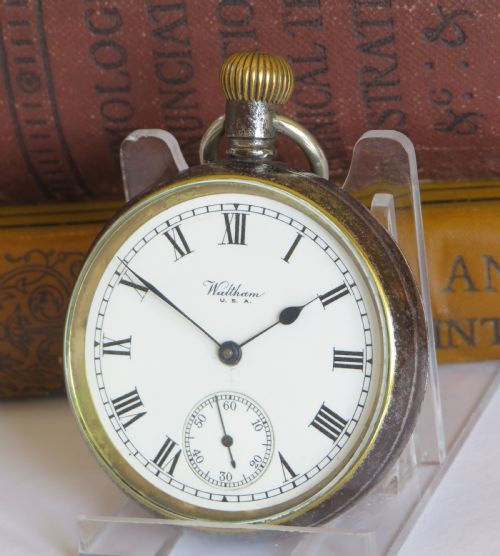
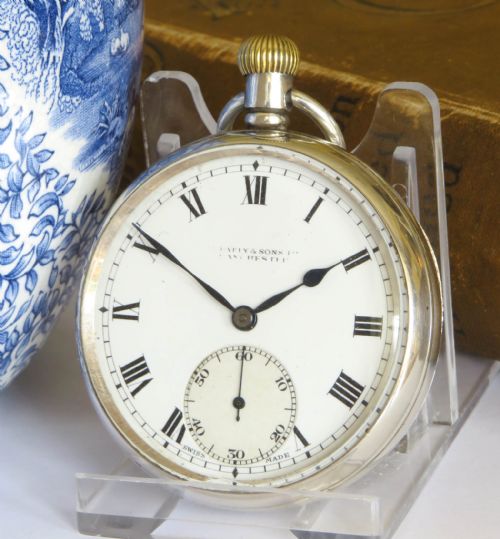
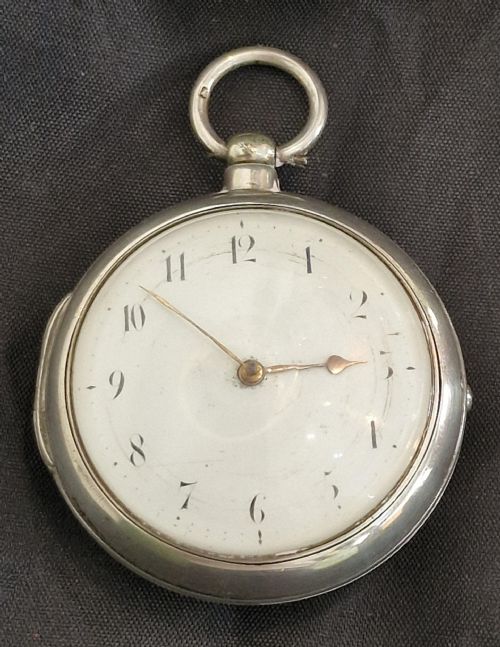
A horology collectable watch encompasses pocket watches, wristwatches, and related accessories ranging from Georgian verge movements to mid-century military timepieces. Buyers searching this phrase encounter diverse forms including half hunter pocket watches, chronograph wrist watches, and painted dial designs.
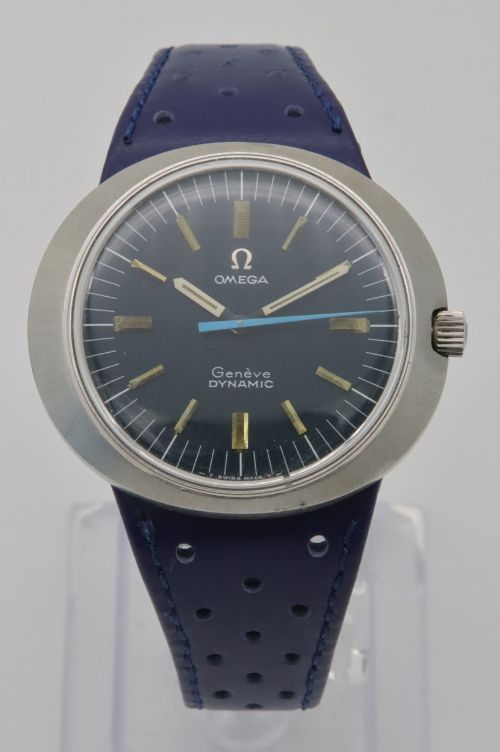
The pieces appearing on this page originate from periods such as the Georgian era, Victorian period, and the twentieth century including the 1930s and 1940s. Pocket watches dominate the selection, alongside military issues and mid-century automatic wristwatches.
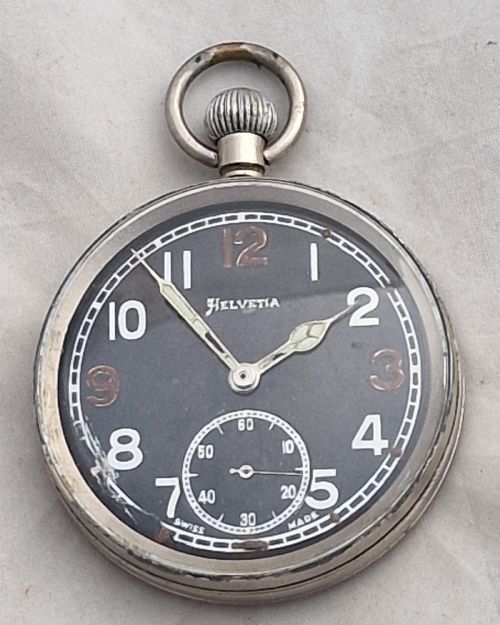
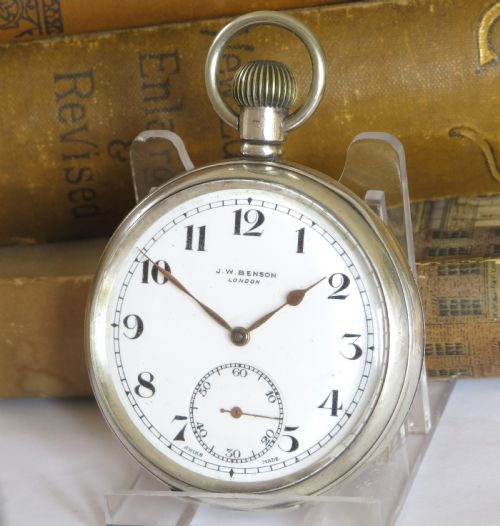
Makers and retailers represented across the items include Helvetia, Omega, Cyma, Waltham, Vertex, Consul, Zenith, Phoenix, A. Golay-Leresche, Miramar, Tritona, and Timor. Each piece reflects the mechanical standards and aesthetic preferences of its specific decade of production.
Materials and construction methods
Cases utilise durable metals such as silver, stainless steel, chrome, gun metal, brass, and 18k gold, paired with glass crystals and enamel dials. Leather appears on wrist-worn straps, while specialised components incorporate steel and acrylic.
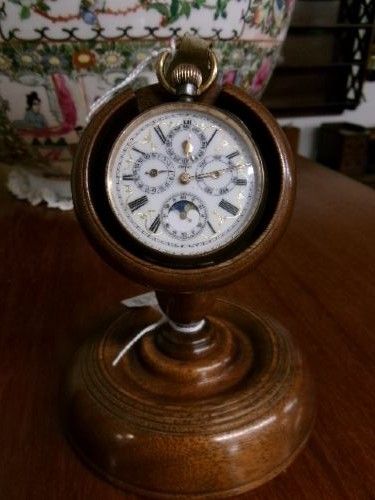
Movements rely on intricate mechanical assemblies housed within protective metal casings, featuring specialised complications like calendar moonface displays and triple date chronographs. Hand-painted dials and intricate half hunter covers demonstrate advanced decorative techniques of their respective periods.
Listings feature pocket watches and wristwatches spanning from the eighteenth century through the mid-twentieth century, including military and civilian designs.
Distinctions in quality and execution
Quality separates standard mass-produced timepieces from exceptional creations through the refinement of the movement and the preciousness of the casing material, such as solid gold versus base metals. Finer examples display meticulous hand-painted dial details, such as ships leaving port, and sophisticated complications like moonphases.
Helvetia·Omega·Cyma·Waltham·Vertex·Consul·Zenith·Phoenix·A. Golay-Leresche·Miramar·Tritona·Timor·J W Benson
The Horology Collectable Watch Glossary
- Half Hunter
- A pocket watch with a case cover featuring a glass or open centre panel that allows the user to read the time without opening the case. This design protects the delicate crystal beneath while maintaining immediate visibility.
- Verge
- An early type of escapement mechanism used in mechanical watches and clocks before the widespread adoption of the anchor escapement. It relies on a crown wheel and a vertical rod with pallets to regulate the release of power.
- Moonphase
- A complication on a watch dial that graphically depicts the current phase of the lunar cycle. It utilises a rotating disc beneath an aperture to show the progression from new moon to full moon.
- Chronograph
- A watch equipped with a function to measure elapsed time independently of its primary timekeeping mechanism. It typically includes start, stop, and reset controls operated via pushers on the case.
- Pendant
- The upward-pointing loop and winding crown assembly on a pocket watch where the chain attaches. It serves as the mechanical connection between the exterior hanging chain and the internal setting mechanism.
Horology Collectable Watch: Frequently Asked Questions
What is a verge pocket watch?
A verge pocket watch utilises an early form of mechanical escapement developed centuries ago to regulate gear movement.
These pieces represent the historical foundation of portable timekeeping and are prized by collectors for their archaic internal architecture.
How do I wear a pocket watch?
Pocket watches attach to a waistcoat or jacket buttonhole via a chain linked to the pendant.
Accessories such as pendant watch hooks also provide alternative display methods for these historical timepieces.
Are military watches collectible?
Military watches issued during the 1940s bear specific government markings and robust movements built for active service.
Collectors value their utilitarian design, historical associations, and strict adherence to official military specifications.