
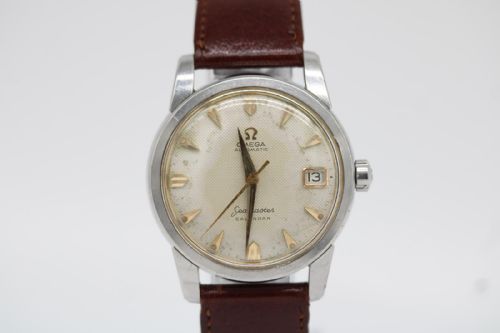


Mechanical Calendar Watch
A mechanical calendar watch is a functional timepiece displaying date and often month or moon phase, offering classic horological complication.
Mechanical Calendar Watch
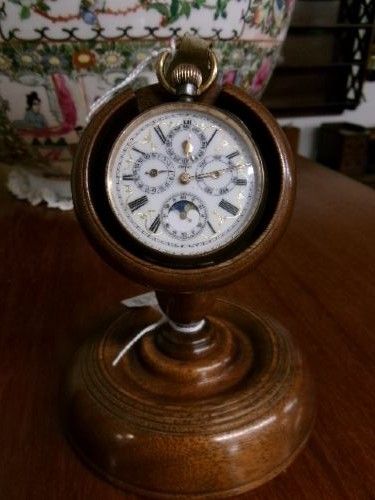
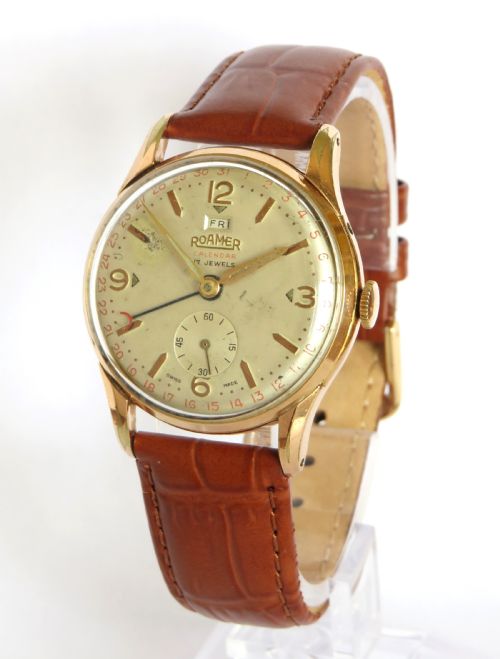
A mechanical calendar watch incorporates date indications alongside standard timekeeping, ranging from simple aperture displays to complex triple date mechanisms. When exploring a mechanical calendar watch, buyers encounter diverse forms including pocket watches and wristwatches.
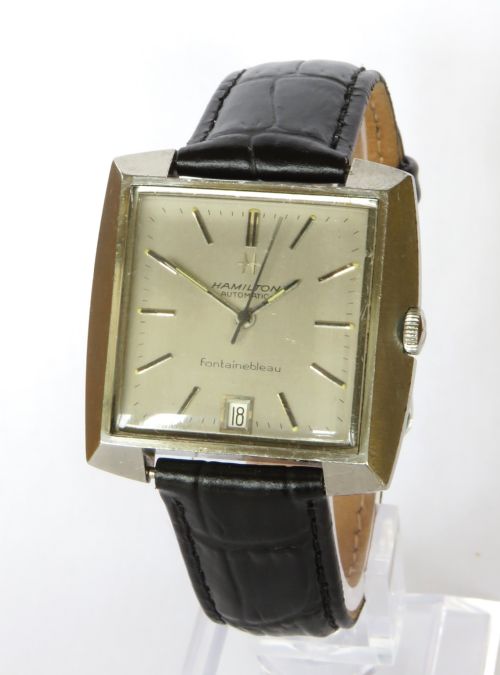
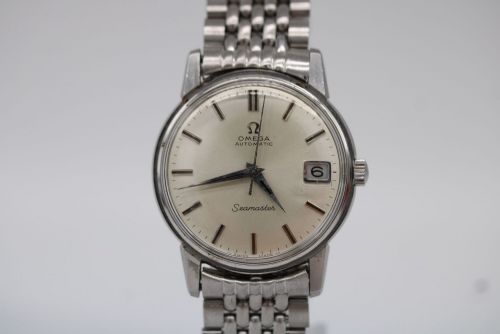
The selections span from Victorian pocket watches to mid-century wristwatches. Mid-century examples dominate the offerings, showcasing styles from 1940s designs to 1970s retro pieces.
Materials and construction
Cases utilise metals such as stainless steel, gold plate, and gunmetal, paired with glass or acrylic crystals to protect the dial. Leather straps frequently secure wristwatches, whilst movements rely on intricate Swiss and automatic engineering.
Mechanical Calendar Watch Retail Price Guide 2026
Typical asking prices for mechanical calendar watch among the pieces listed under this phrase on Sellingantiques today, from the lower quarter to the upper quarter. They describe what is for sale here now, not the wider market.
The selection spans from 1900 gunmetal pocket watches to 1970s retro wristwatches, utilising stainless steel, gold plate, leather, and glass.
Assessing quality and craftsmanship
Superior examples demonstrate refined movement complexity, such as triple calendar chronographs with moon phase complications. The sophistication of the internal mechanism dictates the standing of the piece.
Case finishing and dial preservation define the grade of each item. Original textures like honeycomb dials and well-maintained gold plating distinguish finer specimens.
Hamilton·Omega·Roamer·Fludo·Miramar·Benrus
The Mechanical Calendar Watch Glossary
- Triple Date
- A watch mechanism displaying the day, date, and month simultaneously. This complication requires sophisticated internal gearing to advance the calendar displays correctly.
- Moonphase
- A dial aperture tracking the lunar cycle from new moon to full moon. It adds a traditional astronomical complication to the calendar layout.
- Chronograph
- A timepiece equipped with a stopwatch function alongside the primary time and calendar displays. It utilises independent gear trains to measure elapsed intervals.
- Calibre
- The specific internal movement model housed within the watch case. Swiss movements like the Landeron 80 represent notable examples found in these pieces.
Mechanical Calendar Watch: Frequently Asked Questions
How does a triple date watch work?
A triple date watch uses internal mechanical linkages to track and display the day of the week, month, and date. These indications advance automatically as the hours pass.
Setting these mechanisms typically requires recessed pushers on the side of the case or specific crown positions. Care must be taken not to adjust the calendar during automated transition periods.
What is the difference between a pocket watch and a wristwatch?
Pocket watches are designed to be carried in a waistcoat pocket, often secured with a chain attached to a gunmetal or plated case. They represent earlier horological traditions, such as Victorian designs.
Wristwatches are secured to the arm via leather straps and gained prominence for everyday convenience during the mid-twentieth century.
How do I identify a 1950s calendar watch?
Pieces from the 1950s frequently feature distinctive dial aesthetics, such as honeycomb textures and clear Arabic or baton numerals. They often house automatic Swiss movements.
Case designs from this era lean towards mid-century styling in stainless steel or gold plate, sometimes incorporating chronograph functions.
What maintenance do mechanical calendar watches need?
Regular servicing by a professional horologist ensures the internal gears and calendar complications continue to function smoothly. Lubrication of the movement prevents wear over time.
Avoiding exposure to moisture and magnetic fields also preserves the mechanical integrity of vintage steel and gold-plated cases.