


Pocket Watch Stand
A pocket watch stand provides a dedicated bedside or desk berth for a prized timepiece, combining practical convenience with decorative display.
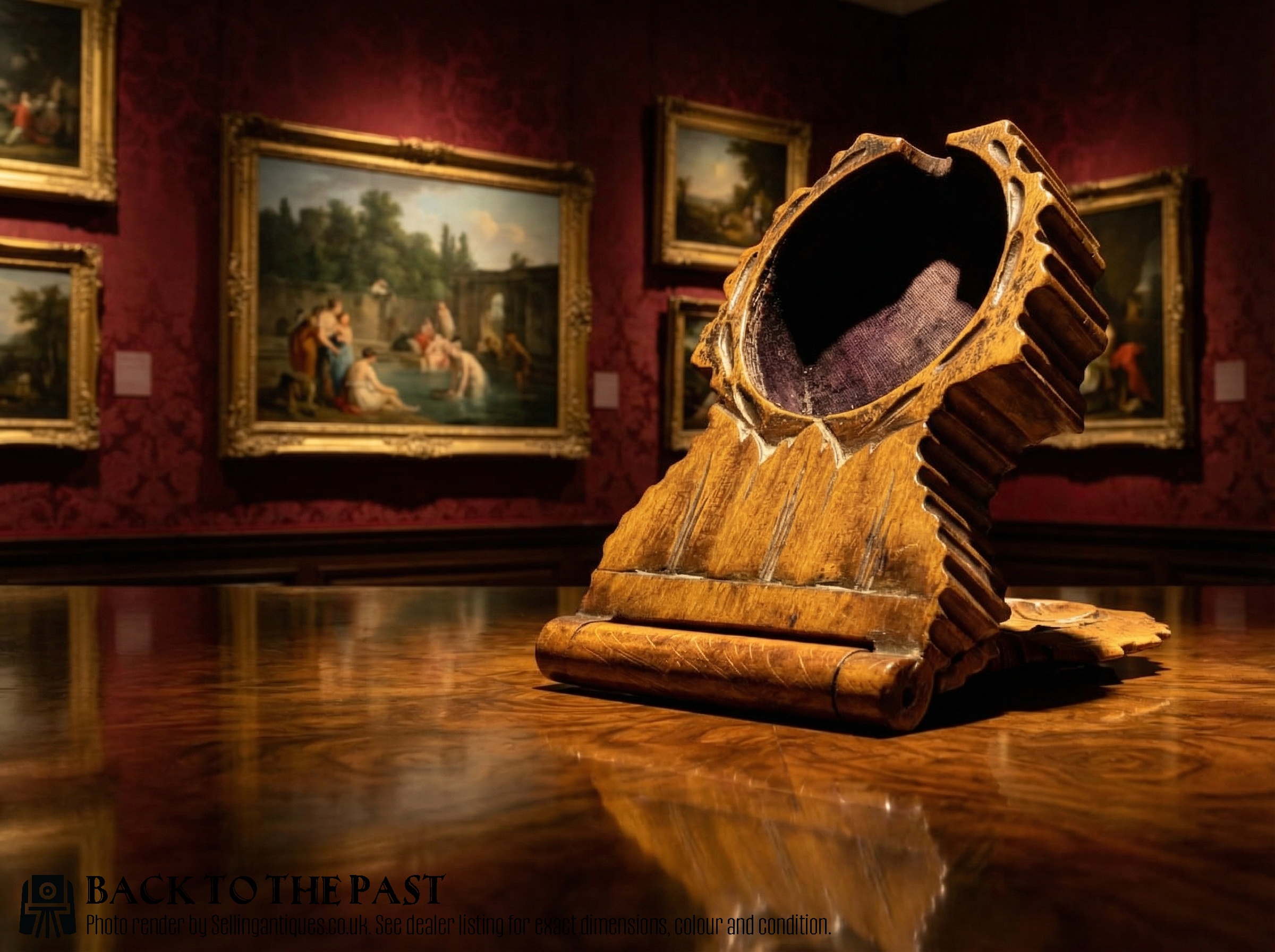
Pocket Watch Stand
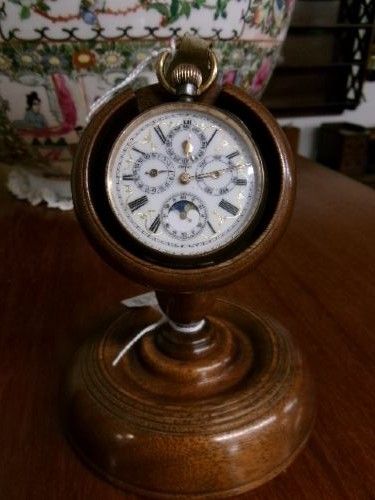
A pocket watch stand is a specialised desk accessory or decorative object designed to hold a timepiece upright for easy viewing.
You will most commonly encounter Victorian and Edwardian examples made from materials ranging from sterling silver to Staffordshire pottery.
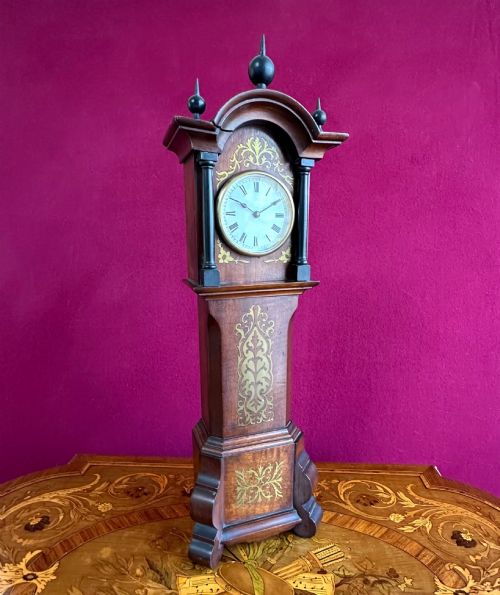
Many historical pieces double as travel cases, inkwells, or desk clocks, reflecting the diverse domestic habits of the nineteenth and early twentieth centuries.
How they were made
Craftsmen utilised traditional cabinet-making timbers such as mahogany and ebonised wood alongside intricate marquetry like Tunbridge Ware and Killarney Ware.
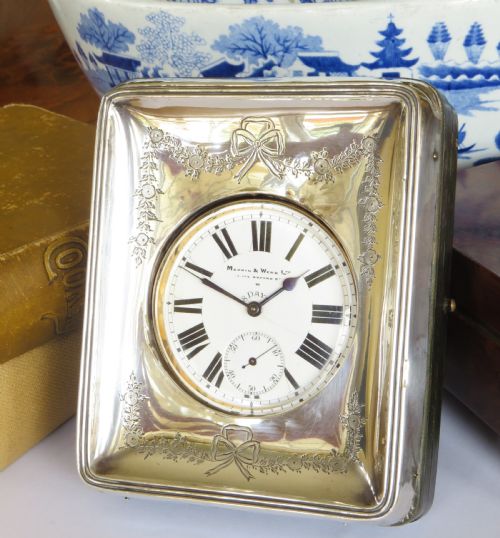
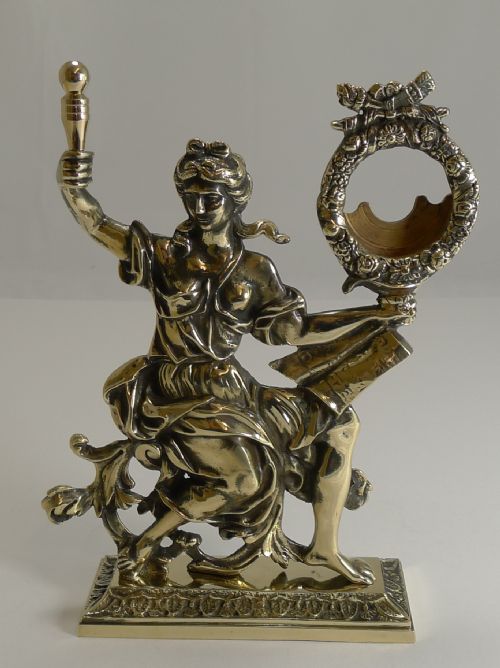
Metalwork pieces involve cast brass, gilt bronze, and sterling silver, frequently paired with decorative champleve or guilloche enamel.
Ceramic examples employ glazed earthenware and Staffordshire pottery, often moulded into figural groups or architectural forms.
Some Victorian animal stands feature glass eyes and amethyst-coloured stone inserts, staring back at you from the desk.
What varies in quality
The degree of sculptural refinement separates standard production pieces from top-tier examples, particularly in figural woodcarvings and ceramic models.
Material execution dictates value, with hand-applied enamel work, crisp hallmarks on silver, and complex wood mosaics representing superior craftsmanship.
The integration of secondary functions, such as incorporated calendars, match strikes, or inkwells, influences the sophistication of the design.
Mappin And Webb·Barwise London·Charles Frodsham
The Pocket Watch Stand Glossary
- Tunbridge Ware
- A type of British woodwork characterised by microscopic mosaic veneer depicting geometric or pictorial scenes. It appears frequently on nineteenth-century desk accessories.
- Guilloche Enamel
- A decorative technique where a precise geometric pattern is engine-turned into metal before being covered with transparent enamel. This finish provides a luminous, patterned surface.
- Champleve Enamel
- A process where troughs or cells are sunk into the surface of a metal object and filled with enamel powder before firing. The resulting design is flush with the surrounding metal borders.
- Capstan Inkwell
- A desk accessory shaped like the nautical capstan, featuring a wide circular base tapering upwards. They are occasionally combined with watch holders in Edwardian pieces.
- Treen
- Small domestic wooden objects made by turning on a lathe or through hand-carving. The category includes diverse desk items and watch stands.
Pocket Watch Stand: Frequently Asked Questions
What is a pocket watch stand used for?
These pieces were designed to hold a pocket watch securely on a bedside table, desk, or mantlepiece, allowing the wearer to check the time without picking up the watch.
They also served to protect delicate mechanical movements from dust and accidental drops when off the chain.
How do I date a pocket watch stand?
Dating relies on identifying the style, materials, and any maker marks or silver hallmarks present on the metal components. Styles shifted from Regency mahogany pieces through Victorian figural carvings to geometric Art Deco designs in the nineteen-twenties.
Comparing the construction methods and decorative motifs against dated examples in the archive provides a reliable timeline.
Are watches usually included with the stand?
While some historical listings pair a watch with its original stand, many stands survive independently without the timepiece.
Buyers often source a compatible period watch separately to complete the display on their desk or mantel.
What materials were commonly used?
Maker materials varied widely across different decades and decorative styles. Common substances include sterling silver, cast brass, mahogany, ebonised wood, and glazed earthenware.
More decorative versions incorporate glass, enamel, and specimen marbles.