




Antique Pocket Watch Display
An antique pocket watch display holds and showcases timepieces safely on a desk, mantel or shop counter.
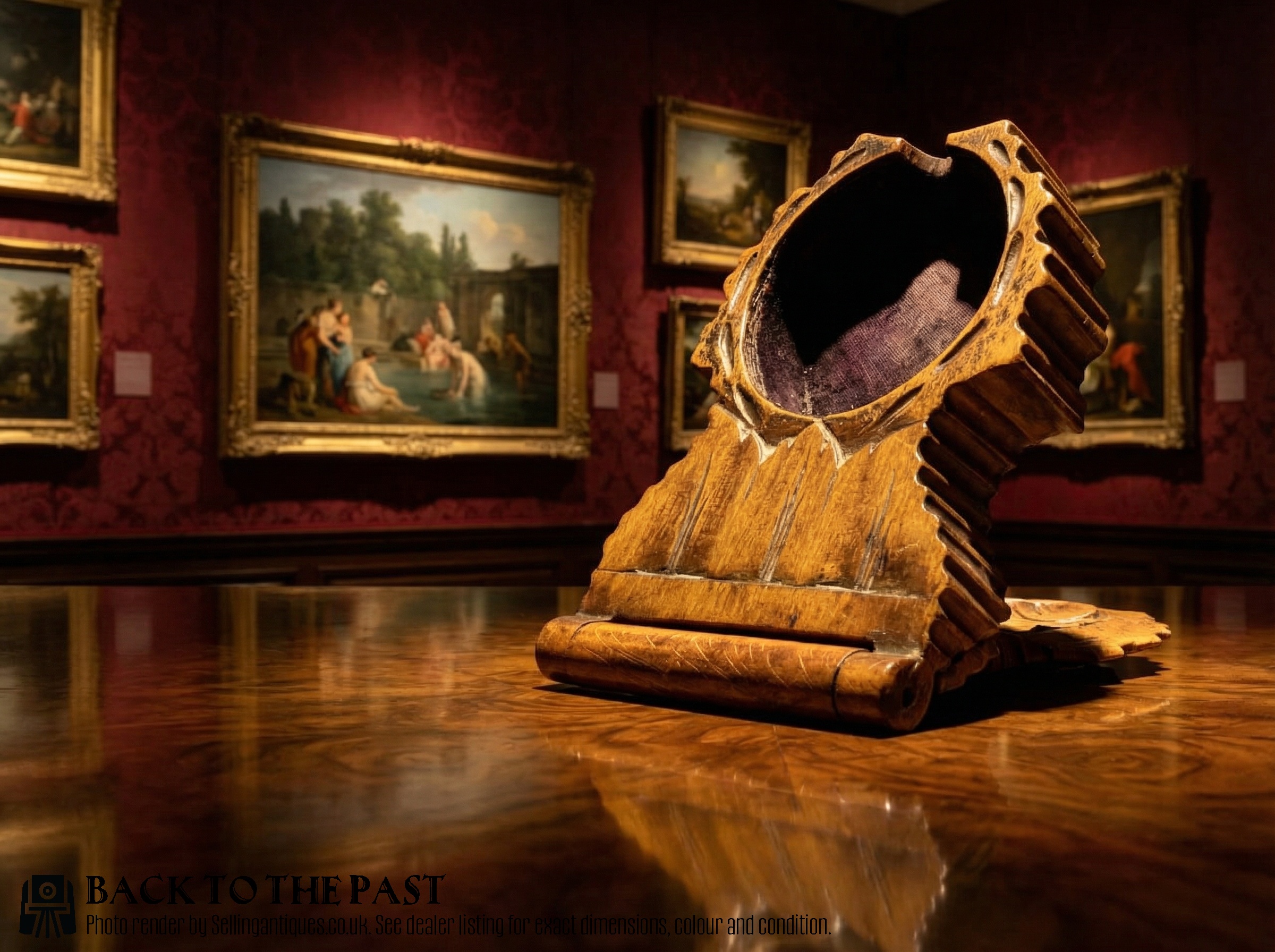
Antique Pocket Watch Display
An antique pocket watch display encompasses watch holders, stands, domes and trade signs designed to exhibit timepieces. These items emerge from various periods including the nineteenth century, Victorian era, Edwardian period and the early twentieth century.
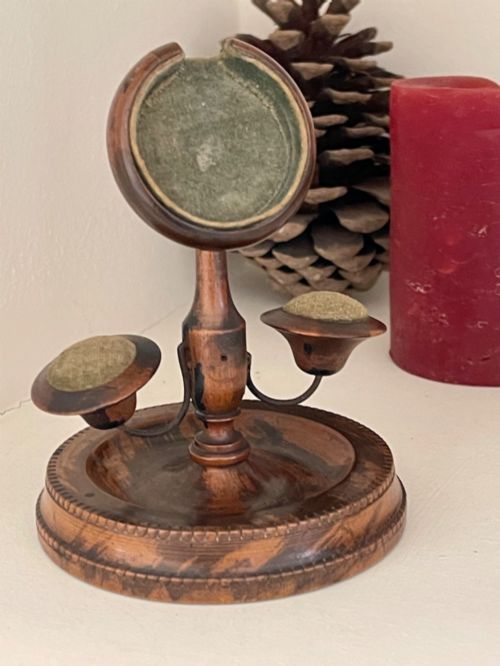
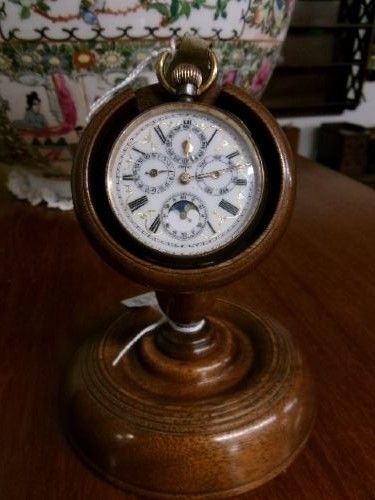
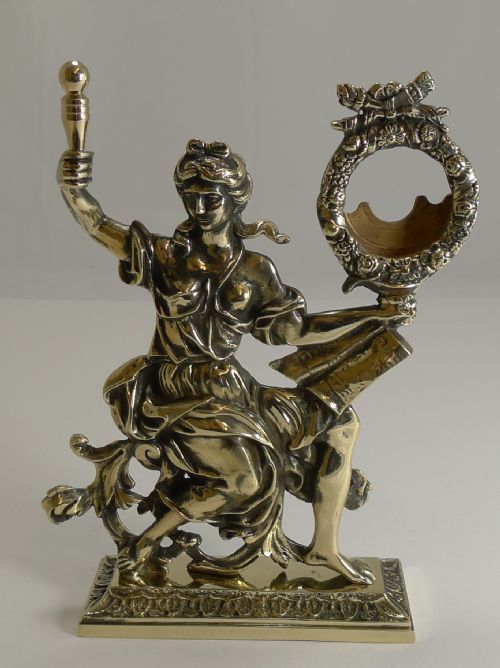
The forms span ceramic figures like Staffordshire pottery watch holders, wooden night watch holders, cast brass stands and large shop signs. Buyers frequently encounter domestic watch stands alongside trade displays used in jewellers' shops.
Originating largely from English workshops, these pieces combine utility with decorative appeal. Each item serves to keep a pocket watch visible and secure when not being worn.
How they were made
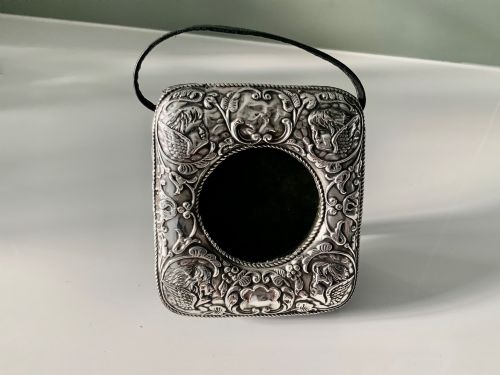
Materials utilised in these displays include glazed ceramic, earthenware, sterling silver, brass, gunmetal, glass, beech and mahogany. Wood is turned or joined, while metals are cast and finished to hold or shelter the watch.
Ceramic pieces such as Staffordshire watch holders are moulded in earthenware and hand-painted with detailed glazes and enamel highlights. Glass domes utilise blown or formed glass paired with wooden bases for shop or domestic showcases.
Antique Pocket Watch Display Retail Price Guide 2026
Typical asking prices for pocket watch display among the pieces listed under this phrase on Sellingantiques today, from the lower quarter to the upper quarter. They describe what is for sale here now, not the wider market.
The Three Graces keep a watchful eye on time from their Staffordshire ceramic perch.
What varies in quality
Quality rests upon the crispness of the modelling in ceramic and brass pieces, alongside the selection of cabinet timbers like mahogany and beech. Superior examples retain their original painted details, rich patination and undamaged glass components.
Makers and trade pieces exhibit varying degrees of scale and ambition, from simple domestic brass stands to large double-sided shop trade signs intended to draw custom. The presence of hallmarks on silver or fine casting work distinguishes higher grade items.
Josef Herzog
The Antique Pocket Watch Display Glossary
- Watch Holder
- A domestic accessory designed to suspend or cradle a pocket watch on a bedside table or mantelpiece.
- Display Dome
- A blown glass cover mounted on a wooden base, utilised to protect delicate objects and timepieces from dust.
- Trade Sign
- A large exterior or interior shop fixture created to advertise the services of a jeweller or watchmaker.
- Staffordshire Pottery
- Earthenware figures and stands produced in the Staffordshire potteries, frequently featuring modelled figures and watch hooks.
Antique Pocket Watch Display: Frequently Asked Questions
What is an antique pocket watch display?
These items are specialised stands, holders, domes and trade signs created to exhibit pocket watches safely. They range from small domestic brass and ceramic pieces to large shop displays.
They reflect the domestic habits and retail practices of the nineteenth and early twentieth centuries, offering a dedicated place for a timepiece.
How were watch holders used?
Watch holders sat on bedside tables, mantelpieces or dressing chests to keep pocket watches visible and within easy reach. They protected the watch case from knocks while resting.
Shop versions, such as trade signs and glass domes, advertised jewellers' businesses and safeguarded stock on counters.
What materials are common?
The listings show a variety of materials including sterling silver, cast brass, gunmetal, mahogany, beech, glass and glazed earthenware. Enamel and ceramic paint add colour to figurative pieces.
Each material dictates the form, from the heavy casting of brass stands to the moulded detail of Staffordshire pottery.
How do I date these pieces?
Dating relies on stylistic clues, material composition and hallmarks where present on silver items. Periods represented include the Regency era, Victorian period, Edwardian era and the early twentieth century.
Construction methods and decorative motifs help align a piece with the prevailing tastes of its decade of origin.