




Honey Pine Dresser Base
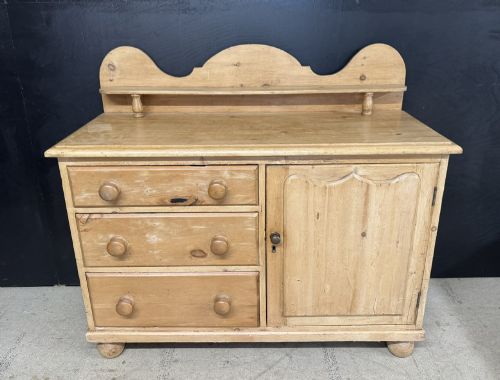
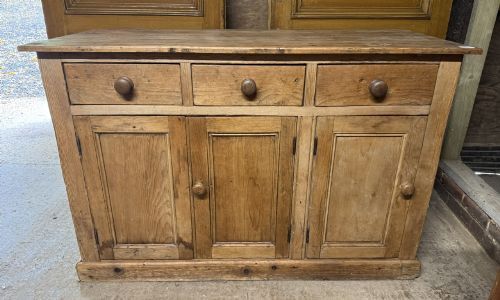
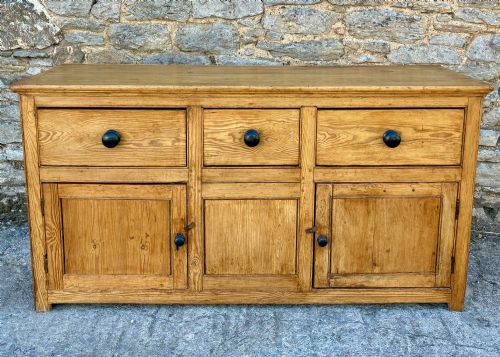
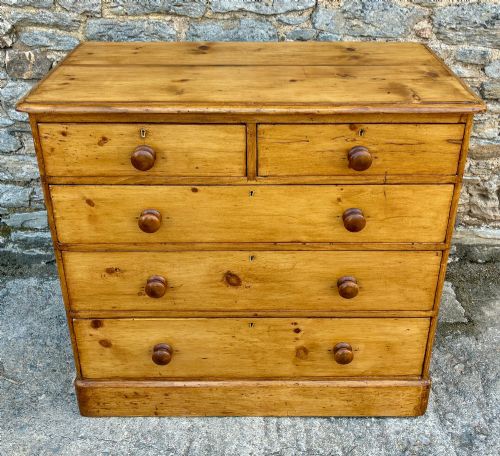
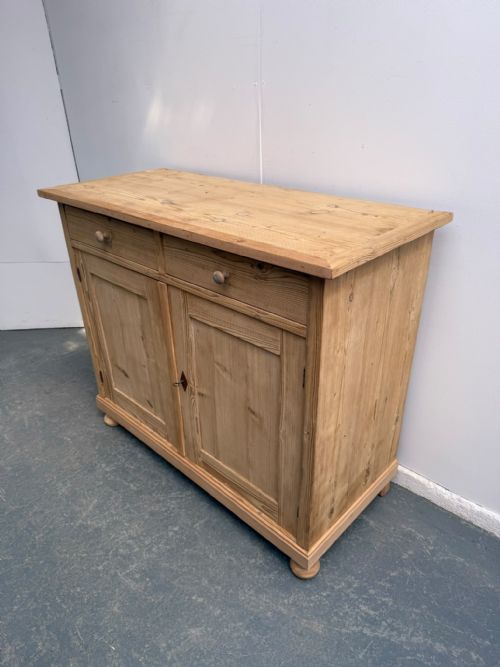
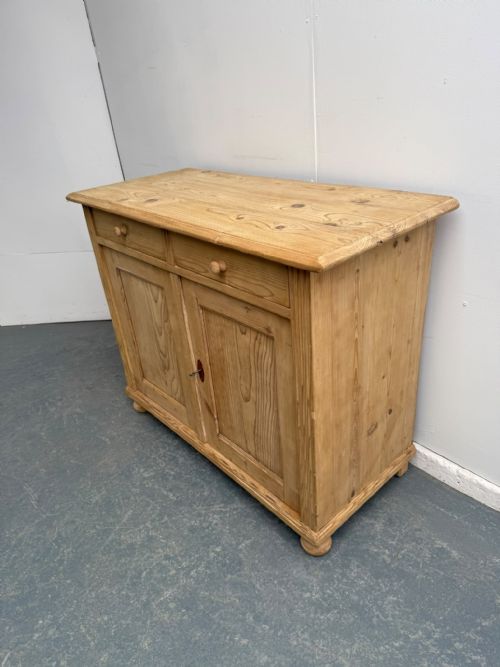
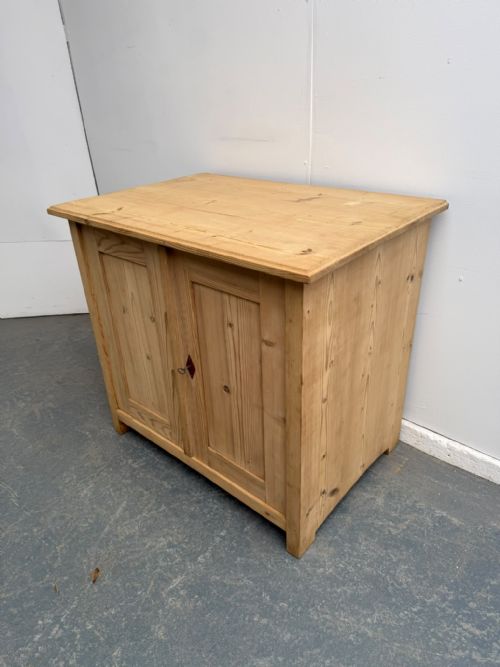
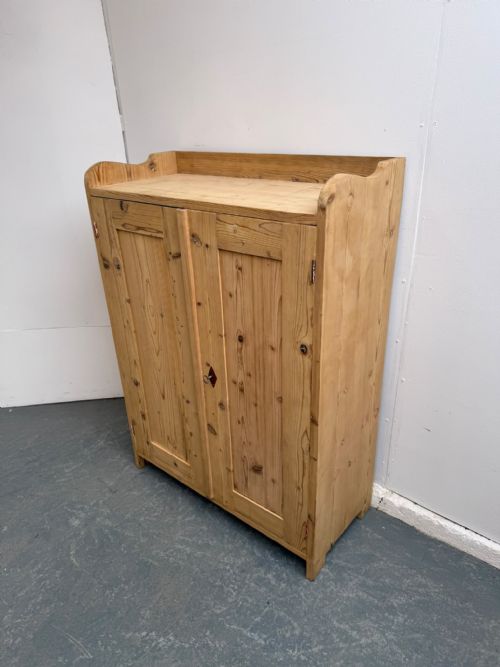
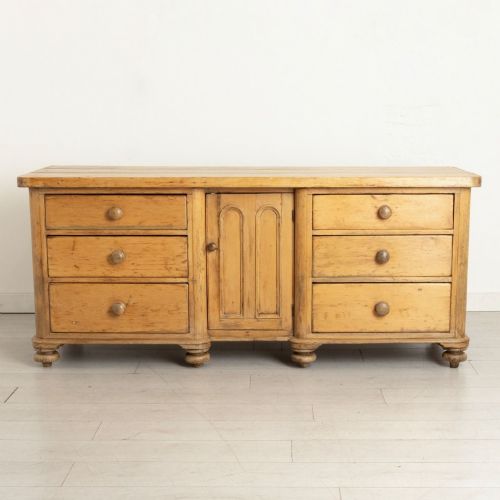
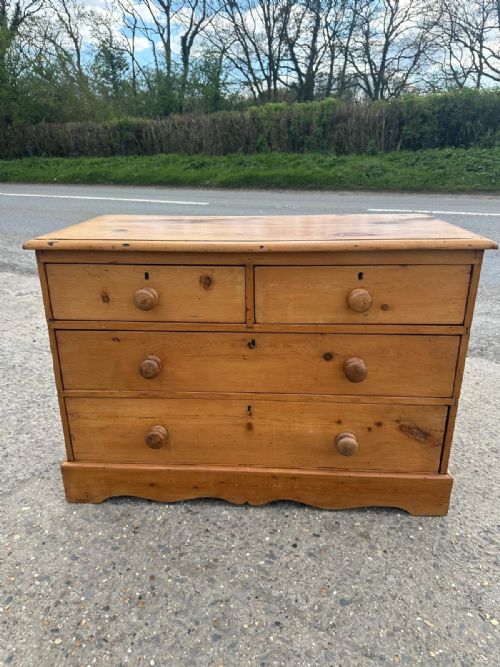
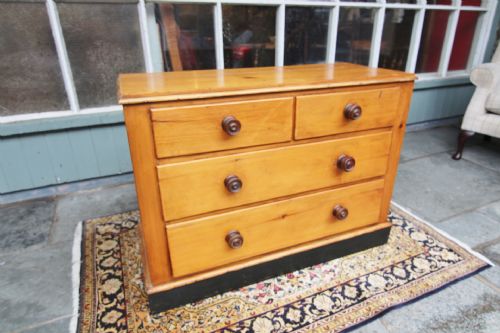
These honey pine dresser base examples offer robust utility and warm domestic character, providing sturdy surface space and enclosed storage for any country kitchen.
Honey Pine Dresser Base
A honey pine dresser base is a substantial utilitarian furniture form designed for the kitchen or dining room, providing a flat working surface above lower cupboards and drawers. When exploring options for a honey pine dresser base, buyers encounter nineteenth-century pieces shaped by Victorian country and rustic farmhouse traditions.
The selections available range from low wide storage cupboards and shallow variants to large tall two-door two-drawer formats and long farmhouse sideboards. Many examples incorporate pot shelves or multi-drawer configurations suited to daily domestic organisation.
Materials and construction
Construction relies primarily on solid pine timbers, selected for structural integrity and finished with warm wax or left ready to paint. Iron and brass components appear in hinges, handles, and drawer pulls, providing functional hardware.
Makers utilised traditional jointing methods to build carcases that endure decades of heavy use. Glass and ceramic elements occasionally supplement the wooden structures in related kitchen cabinets and cupboards.
The site listings combine pine with iron, brass, and occasional oak elements across nineteenth-century Victorian and rustic farmhouse formats.
Understanding quality differences
Quality in these pieces is dictated by the proportion of the proportions, the integrity of the timber, and the subtlety of the hardware. Superior examples display well-balanced drawer arrangements and sound structural timber without excessive past alteration.
The finish of the wood surface, whether stripped to a warm honey tone or prepared neatly for wax, distinguishes the better-handled pieces. Drawer construction depth and the survival of original brass or iron fittings also mark out the finer specimens.
The Honey Pine Dresser Base Glossary
- Dresser base
- A low sideboard or cabinet with drawers and cupboards, historically used for food preparation and storage in the kitchen.
- Pot shelf
- An open lower shelf beneath a dresser base or sideboard, originally intended for storing heavy pots and pans.
- Victorian Country
- A nineteenth-century style prioritising robust domestic utility over refined ornamentation, seen frequently in farmhouse furniture.
- Stripped pine
- Wood from which layers of old paint or dark varnish have been removed to expose the natural grain and lighter tone beneath.
- Carcase
- The main structural body or shell of a cabinet, cupboard, or dresser base before drawers and doors are fitted.
Honey Pine Dresser Base: Frequently Asked Questions
What is a honey pine dresser base used for?
A honey pine dresser base serves as a versatile storage and surface unit, traditionally placed in kitchens or dining rooms for culinary work and tableware storage.
Today, buyers utilise them as sideboards, hallway consoles, or media units, taking advantage of the deep drawers and lower cupboards.
How do I date a pine dresser base?
Dating relies on construction methods, timber characteristics, and hardware styles associated with the nineteenth century and Victorian eras.
Details such as hand-cut joints, original iron or brass handles, and specific period proportions help narrow down the decade of manufacture.
Can I paint a honey pine dresser base?
Many nineteenth-century pine pieces are sold specifically prepared for waxing or painting, allowing customisation to suit modern interiors.
Applying a traditional paint finish over properly primed pine is a common historical practice that preserves the wood while altering its visual impact.
What is the difference between a dresser and a dresser base?
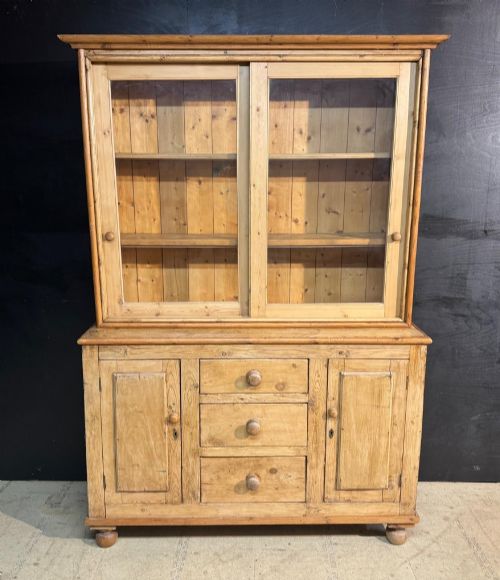
A full kitchen dresser includes upper plate racks or shelving mounted above the lower counter, whereas a dresser base consists solely of the lower cupboard and drawer unit.
Dresser bases provide an unobstructed top surface, making them more adaptable for rooms with low ceilings or limited wall space.