

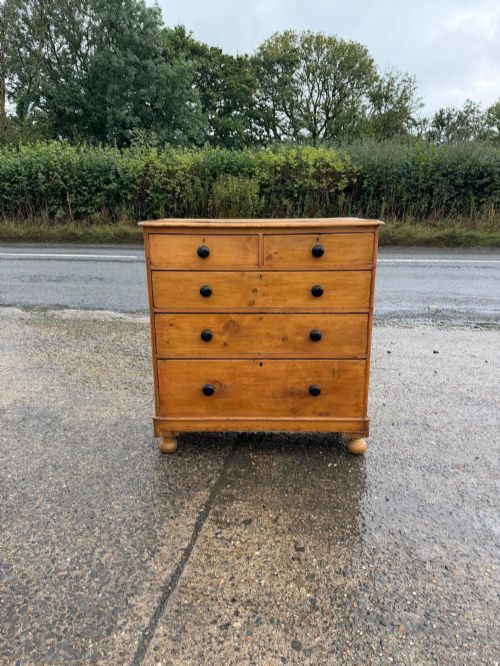
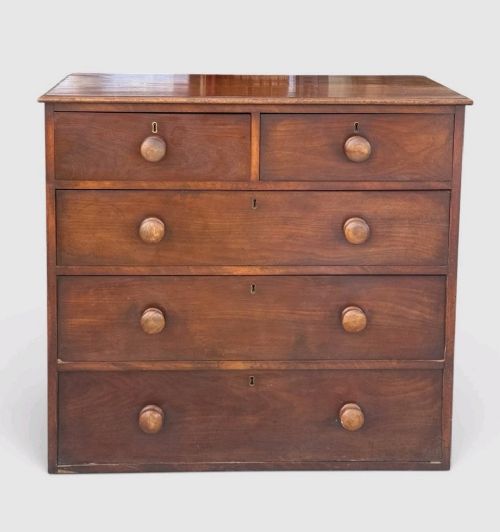
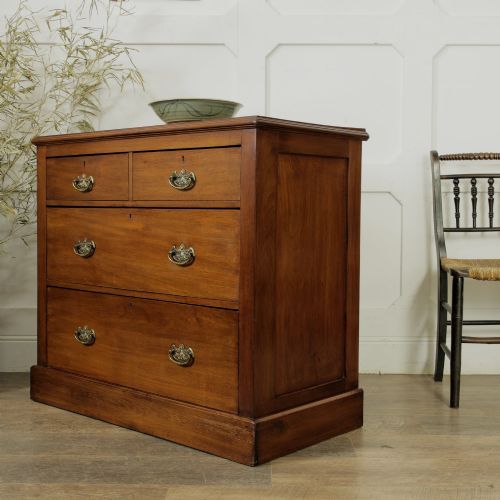
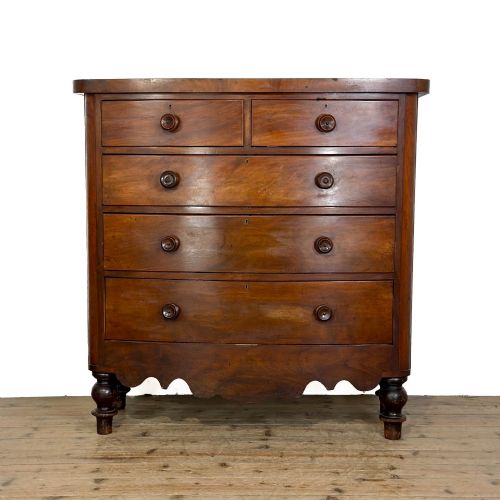
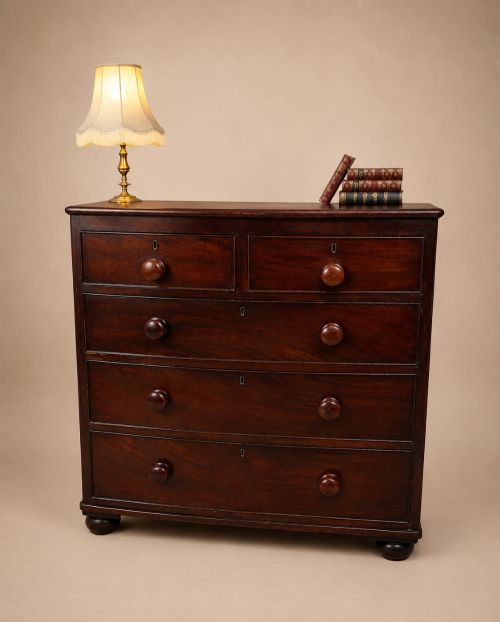
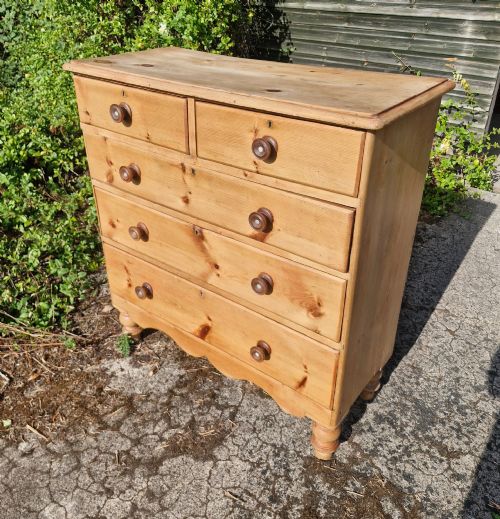
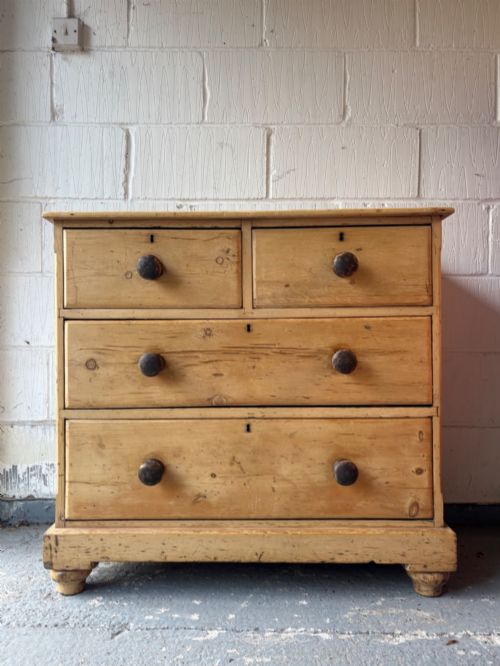
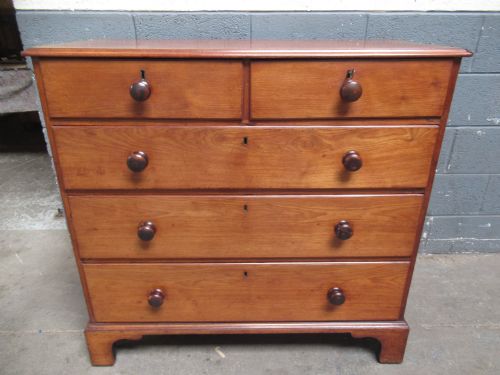
Victorian Two Drawer Dresser
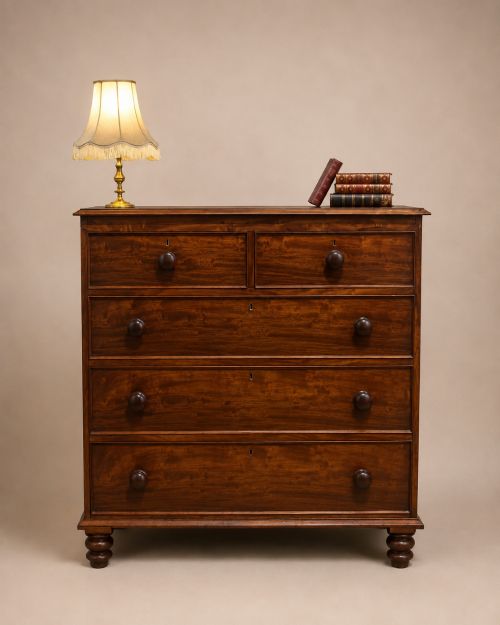
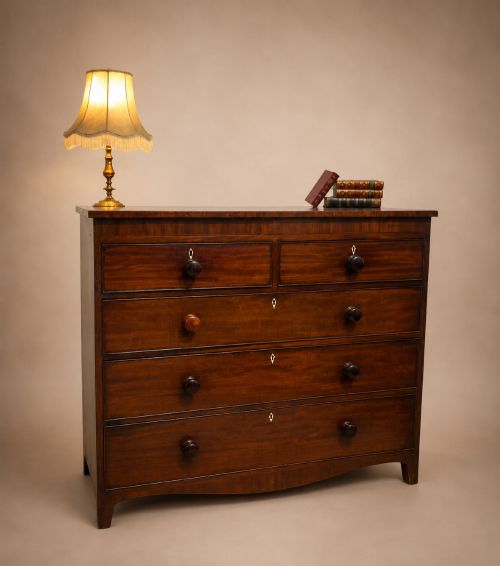
A victorian two drawer dresser brings robust nineteenth-century storage to a room, offering sturdy wooden construction and practical surface space.
Victorian Two Drawer Dresser
A victorian two drawer dresser generally refers to the sturdy pine or mahogany storage forms found across nineteenth-century domestic interiors, frequently taking the shape of dresser bases with cupboards below drawers or substantial chests. Buyers searching this phrase meet pine and mahogany pieces dating from the 1850s to the late Victorian period, often featuring waxed, scrubbed, or original painted surfaces.
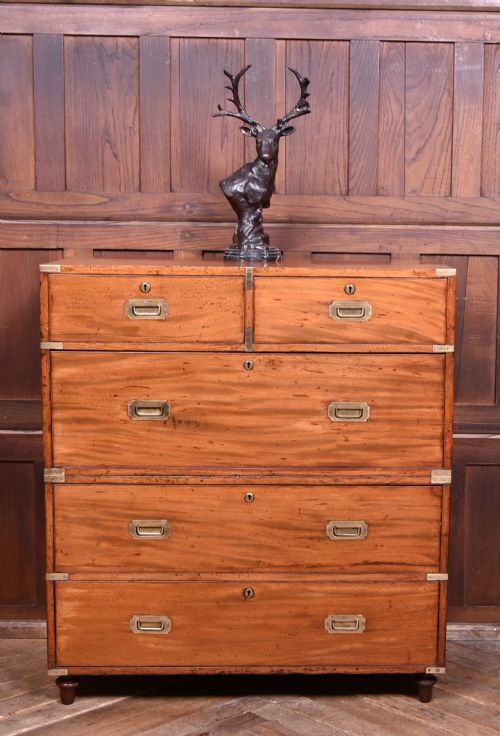
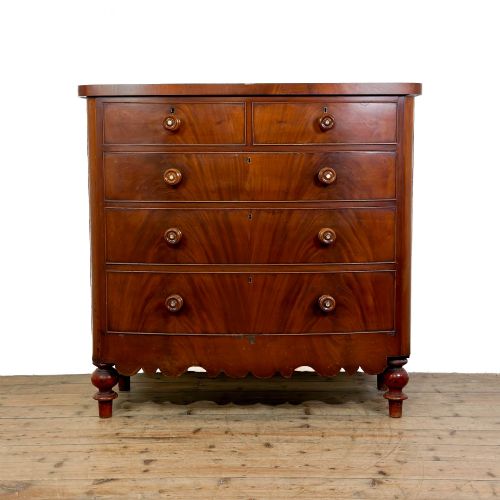
The selections span utilitarian kitchen pieces alongside refined bedroom storage, capturing both the country aesthetic and formal mahogany designs. Formats range from traditional two-door dresser bases with twin drawers to campaign chests and bow-front variations originating from the nineteenth century.
How they were made
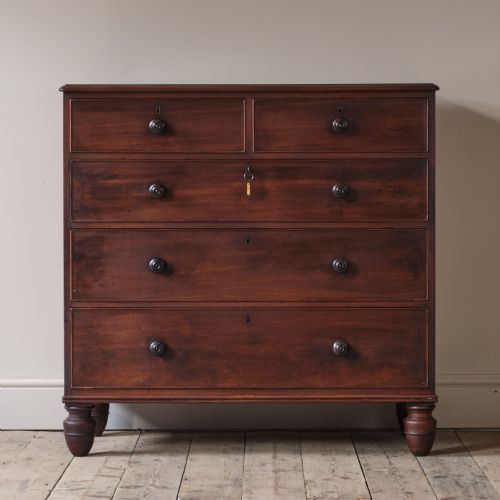
Cabinet makers relied predominantly on solid pine and mahogany, occasionally applying flame mahogany veneers to drawer fronts for visual depth. Structural integrity relied on traditional timber framing, dovetailed joints within drawers, and iron or brass hardware.
Surfaces received various treatments depending on function, ranging from clear wax finishes and scumbled or original paint to scrubbed pine textures. Details like turned bun handles, bone escutcheons, and glazed upper sections appeared according to the maker and intended room.
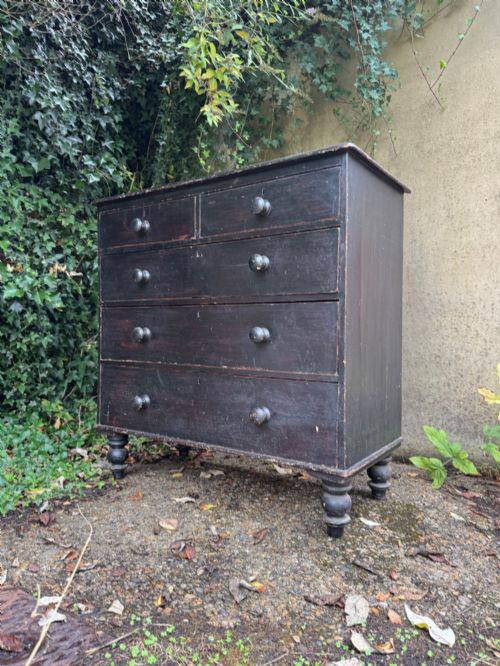
Some pine pieces retain their original scumbled paint, bringing unexpected texture into the room.
What varies in quality
Quality rests in the selection of timbers, such as figured mahogany or pitch pine, and the precision of the joinery within the drawer construction. Better examples retain original surface treatments, hardware, and structural elements without significant timber replacement.
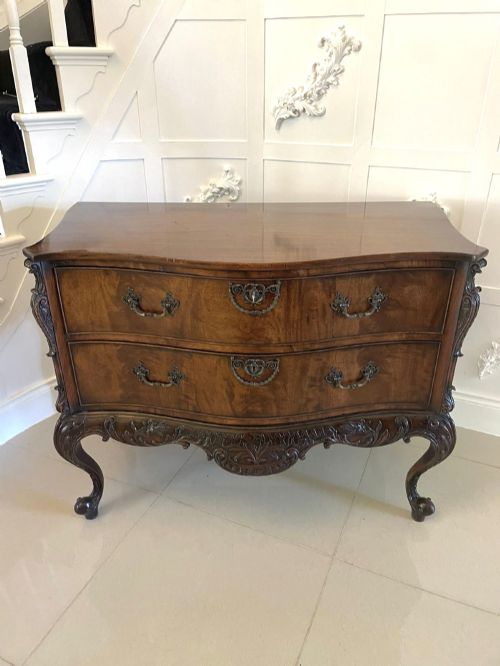
Proportion and refinement separate standard utility pieces from high-end cabinet work, visible in serpentine shaping, bow fronts, and the integration of stylistic movements like the Aesthetic or Regency periods.
T & G Seddon·Heal & Son·Howard and Sons
The Victorian Two Drawer Dresser Glossary
- Dresser base
- A low sideboard or cabinet featuring cupboards surmounted by drawers, traditionally used in kitchens or dining rooms for storage and serving. These pieces form a core part of nineteenth-century vernacular furniture.
- Scumbled
- A paint finish technique where a translucent top layer is manipulated over a lighter base colour to simulate the appearance of finer grain wood. This decorative treatment appears frequently on nineteenth-century pine furniture.
- Campaign chest
- A modular chest of drawers built in sections with recessed brass handles and corner brackets, designed for transport by military officers. Mahogany examples survive from the nineteenth century.
- Bow front
- A convex curved cabinet front that projects outward in a gentle arc, softening the corners of chest of drawers and sideboards. This shaping demands advanced cabinet-making skill.
- Bun handle
- A small, rounded wooden knob shaped like a bun, commonly turned by hand and affixed to drawer fronts. These fittings appear frequently on pine and mahogany furniture from the Victorian era.
Victorian Two Drawer Dresser: Frequently Asked Questions
What is a dresser base?
A dresser base is a low cabinet featuring drawers above enclosed cupboard doors, built for practical storage in domestic spaces. These pieces originated as functional furniture for kitchens and dining areas.
Unlike tall dressers with plate racks, these bases offer a solid flat top surface. They provide robust storage through their combination of drawers and shelving behind doors.
How do I care for waxed pine?
Waxed pine surfaces require regular application of traditional beeswax to nourish the timber and maintain a soft sheen. Avoid placing these pieces in direct sunlight or near heat sources to prevent the wood from drying out.
Clean the wood using a dry or barely damp soft cloth, avoiding harsh chemical sprays. Periodic waxing preserves the original character of nineteenth-century pine.
What is campaign furniture?
Campaign furniture comprises portable pieces designed for military officers on the move during the nineteenth century. These items typically feature recessed brass handles and protective brass corners to withstand travel.
Many campaign chests divide into separate modular sections for easier transport. Their clever engineering combines practical utility with quality mahogany construction.
How do I date a Victorian chest?
Dating a nineteenth-century chest involves examining the timber species, construction methods, and secondary woods used inside the drawers. Hand-cut dovetails, applied veneers, and specific hardware styles offer clues to the decade of manufacture.
Stylistic shifts from early Victorian mahogany designs to late Victorian or Edwardian pine pieces help narrow the timeline. Maker stamps or labels, when present, provide definitive dates.