



Historical Officer Portrait Art
Historical officer portrait art records military leaders through centuries of oil paintings, engravings, and miniatures.
Historical Officer Portrait Art
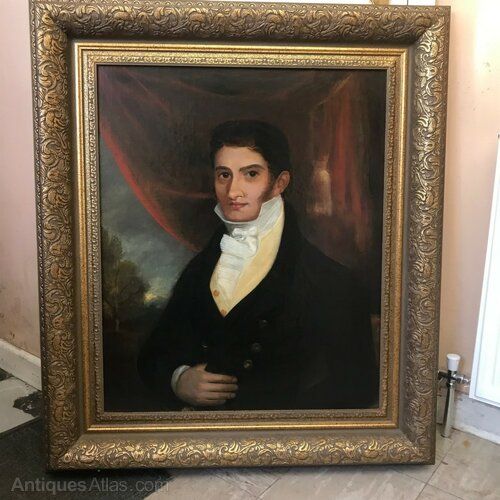
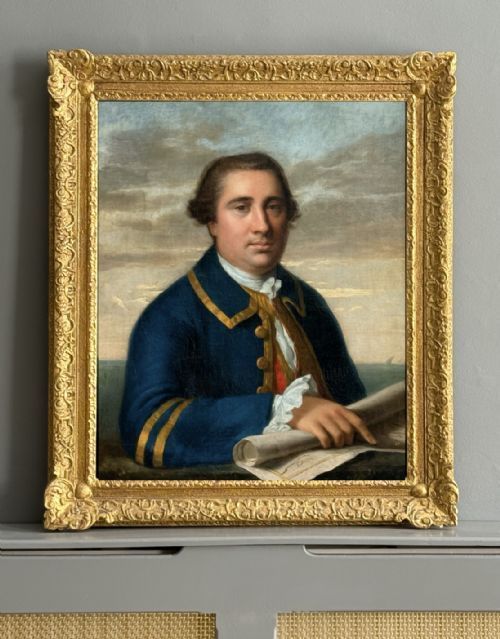
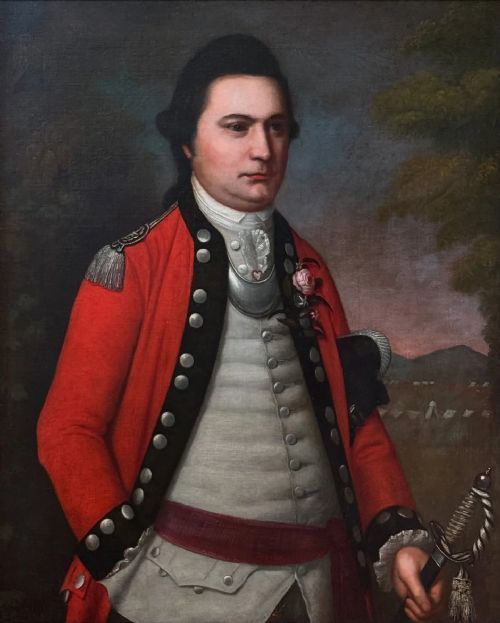
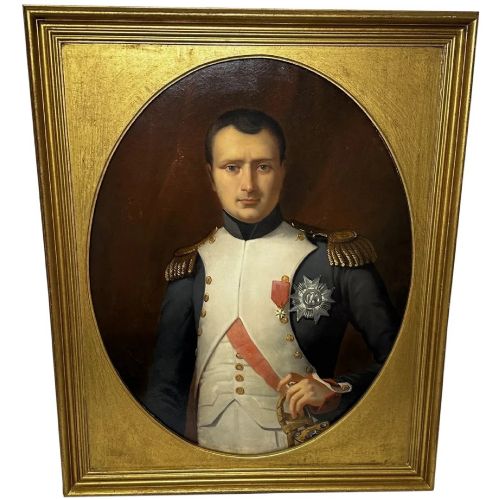
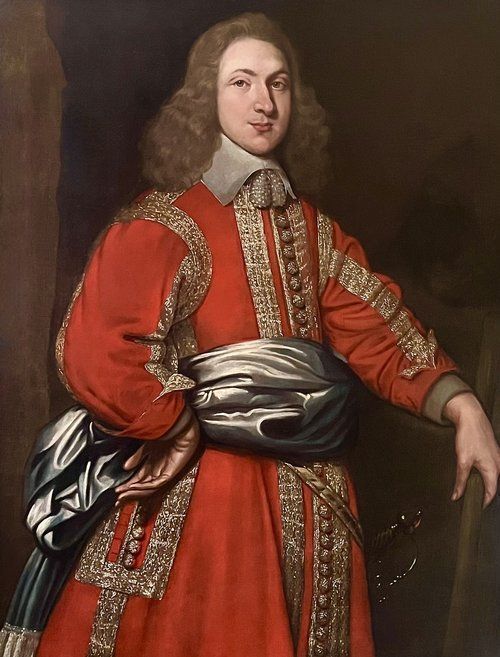
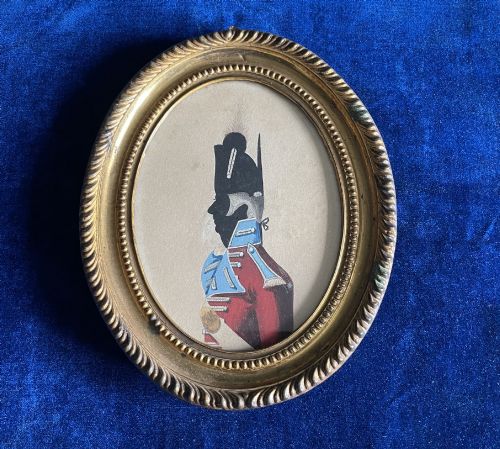
When you search for historical officer portrait art, you encounter formal likenesses of military commanders, naval captains, and generals spanning the seventeenth century to the mid-twentieth century. These pieces capture notable figures in uniform, often rendered in oil on canvas or detailed watercolour.
The selections on this page lean heavily toward eighteenth-century and nineteenth-century oil paintings, alongside smaller portrait miniatures and prints. You will find works depicting British, French, and Dutch officers, ranging from infantry captains to admirals of the fleet.
Makers include named portraitists such as Lemuel Francis Abbott and Sir Thomas Lawrence, as well as broader continental and British schools. The subjects frequently display the medals, sashes, and regalia appropriate to their rank and service.
Materials and methods
Artists painted these works primarily using oil paint on stretched canvas or wooden panel, building up deep tones for uniforms and ruddy complexions with layered glazes. Giltwood frames frequently accompany these canvases, preserving the original presentation of the period.
Several naval and infantry commanders gaze out holding swords, torches, or standing beside charging horses.
Assessing quality and execution
The distinction between standard works and exceptional pieces lies in the psychological depth of the subject and the confident handling of fabric and uniform details. Master portraitists capture the authority and character of the sitter through subtle play of light across the face.
Anatomy, hand placement, and the crispness of epaulettes and medals indicate the skill of the artist or school. Superior examples integrate the sitter naturally into the background, whereas lesser works treat the uniform and face with stiff uniformity.
Lemuel Francis Abbott·Stickland Lowry·Sir Anthony van Dyck·Sir Thomas Lawrence·Henry Walton·Sir William John Newton·Samuel Lane·George Duncan Beechey·William Salter·Gerrit Schipper·Henry Wyatt·Robert Ker Porter·Ambrosini Jerome·Richard Hall
The Historical Officer Portrait Art Glossary
- Oil on Canvas
- Pigments bound in a drying oil applied to a woven fabric support. This combination allows for rich colour blending and durability over centuries.
- Portrait Miniature
- A small, highly detailed painting executed on vellum, ivory, or card. These portable likenesses were often worn or kept in travel cases.
- Giltwood
- Wood carved and coated with a thin layer of gold leaf. It provides ornate, reflective framing standard for formal Georgian and Victorian art.
- Engraving
- A printmaking process where an artist cuts lines into a metal plate to hold ink. It enables the reproduction of detailed military portraits on paper.
- Regalia
- The distinctive emblems, medals, and uniforms denoting an officer's rank and orders. Artists rendered these elements accurately to signal the sitter's status.
Historical Officer Portrait Art: Frequently Asked Questions
How do I date a military portrait?
Examine the cut of the uniform, the style of the wig or hair, and the framing materials. Military dress changed rapidly, offering reliable clues to the decade.
Signatures, stretcher construction, and inscriptions on the reverse of the canvas provide additional confirmation of the period.
What is the difference between a painting and a miniature?
Paintings are typically executed in oil on large canvases meant for display on walls in grand rooms. Miniatures are intimate, pocket-sized works created on small supports for personal keeping.
Both serve to record the likeness of military officers but differ entirely in scale and medium.
Where should I hang an oil portrait?
Select a wall away from direct sunlight and fluctuating heat sources to protect the canvas and oil pigments. Stable indoor environments prevent cracking in the paint layer.
Pair these pieces with traditional wooden decor to complement the historical character of the artwork.
How do I identify the sitter in a portrait?
Check for contemporary inscriptions on the frame, stretcher bars, or the back of the canvas naming the officer. Heraldic shields and specific medal ribbons also point to identity.
Matching the face to known prints or service records helps verify higher-ranking military figures.