



Historical Female Fine Art
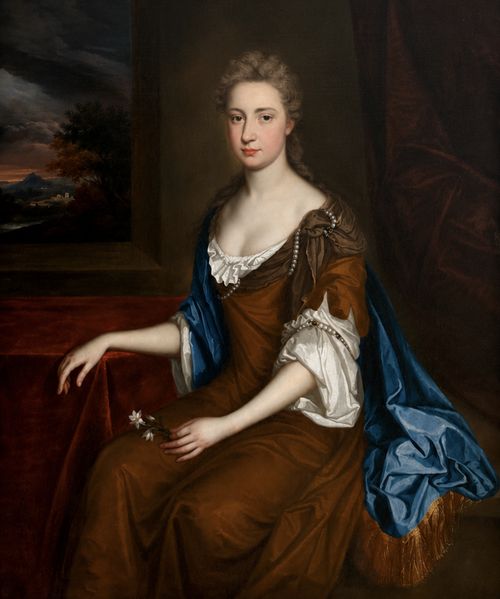
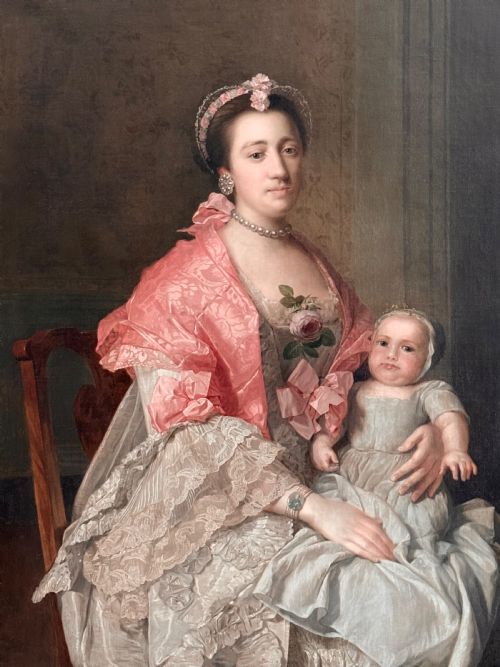
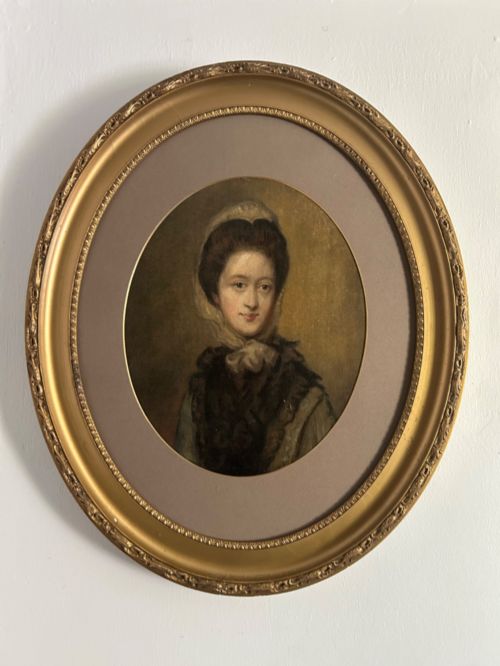
Historical female fine art comprises painted and drawn likenesses of women spanning seventeenth-century court portraiture to early twentieth-century miniatures.
Historical Female Fine Art
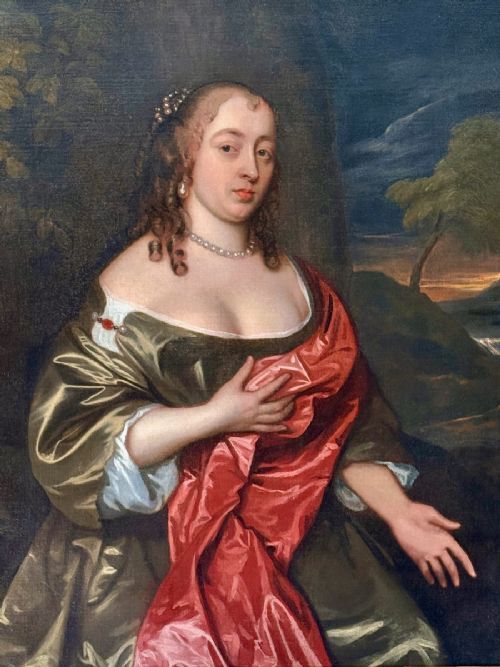
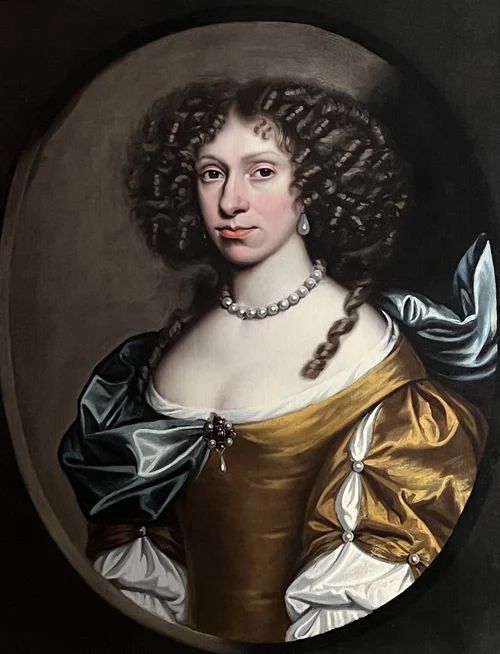
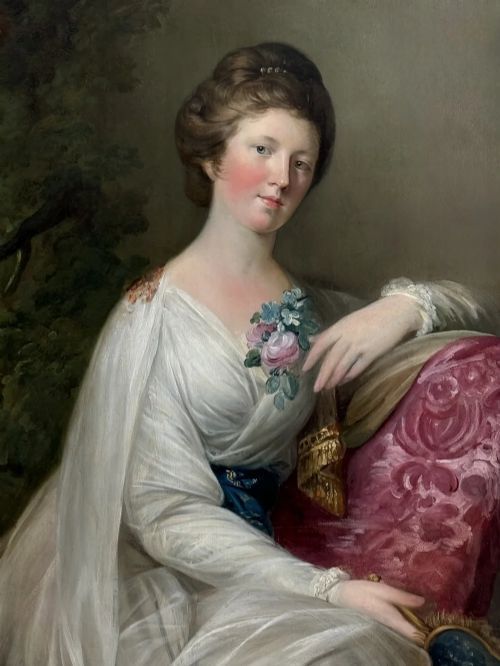
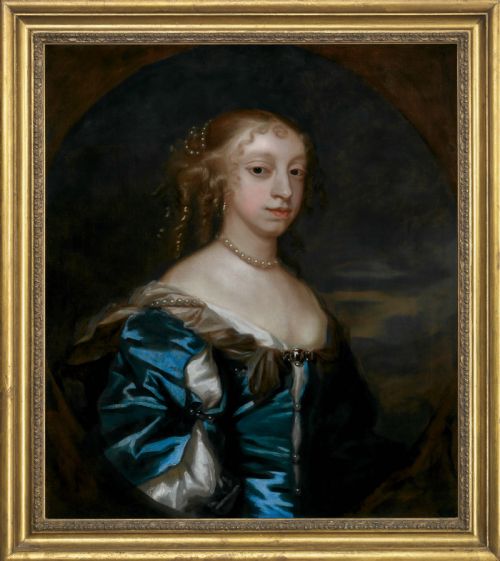
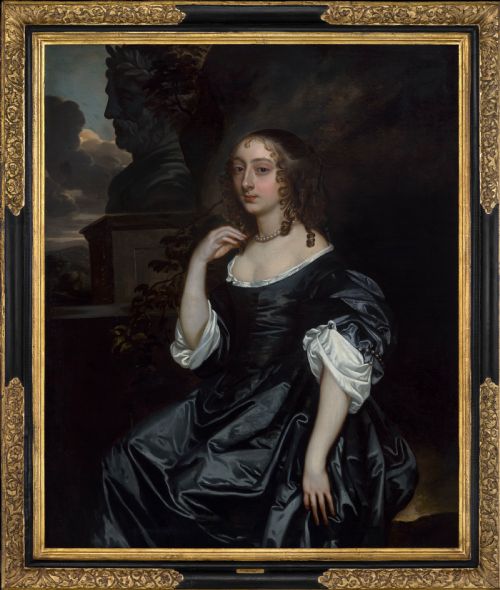
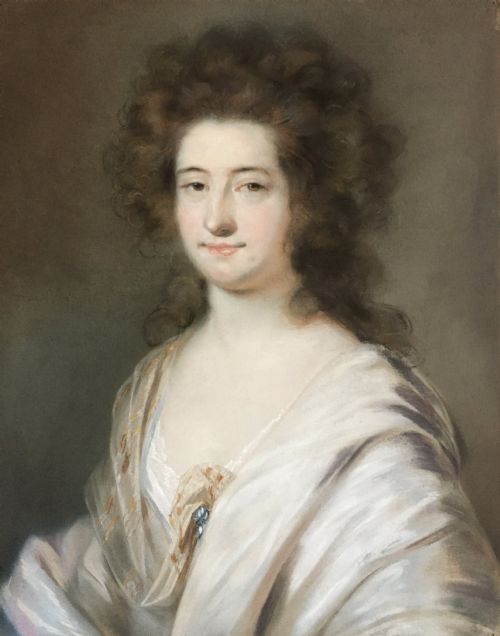
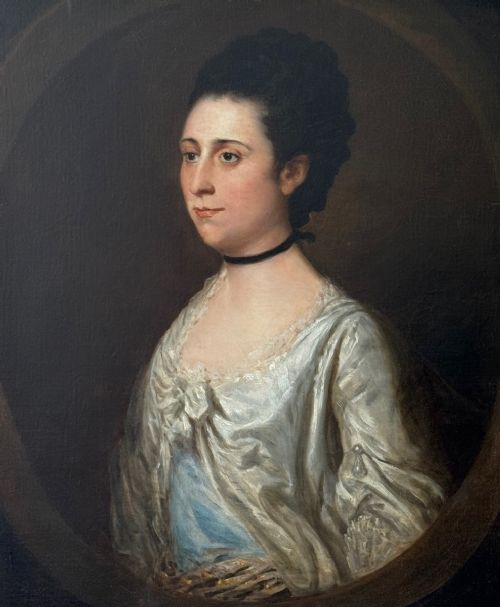
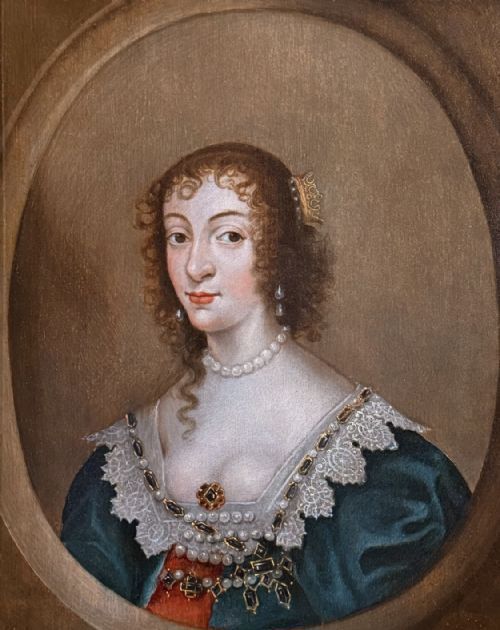
When searching for historical female fine art, collectors encounter depictions of named sitters, aristocratic figures, and unidentified subjects captured across several centuries. The selections on this page concentrate heavily on oil on canvas paintings, alongside pastel portraits, watercolours, and pencil works from the seventeenth, eighteenth, and nineteenth centuries.
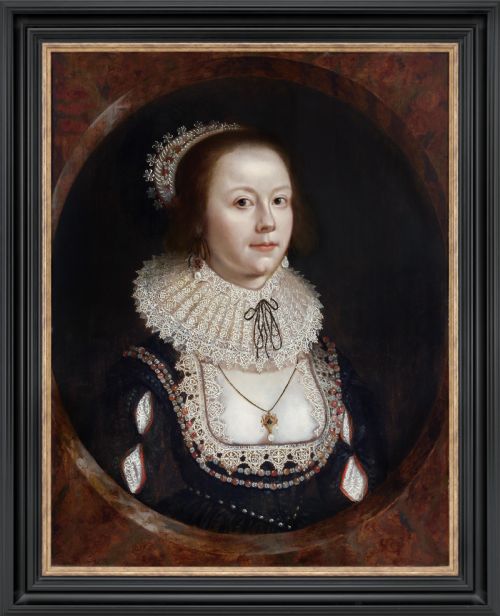
The material ranges from large oil paintings executed on canvas or panel to delicate portrait miniatures and mezzotint prints. Seventeenth-century examples often display sitters in elaborate lace and sumptuous attire, while eighteenth-century Georgian and Regency pieces present softer palettes and pastoral settings.
Works appear from named artists, studio circles, and broader regional schools spanning British and continental European traditions. Buyers frequently find portraits reflecting specific historical eras such as the Baroque, Rococo, and Victorian periods.
Materials and construction methods
Painters of these works utilised oil paint applied to stretched canvas or wooden panels, building rich layers to render fabrics, flesh tones, and detailed backgrounds. Paper served as the primary support for delicate pastels, watercolours, and pencil drawings, frequently framed under glass.
Many historical frames utilise carved giltwood or gilded wood, providing ornate borders that complement the artistic styles of the Baroque, Georgian, and Regency periods. Portrait miniatures on smaller supports required fine brushwork and specialised water-based pigments or gouache.
Listings feature works spanning the seventeenth to the twentieth centuries, utilising oil on canvas, paper, pastel, and watercolour.
Elements that determine quality
The condition of the original paint layer, the presence of stable craquelure, and minimal overpainting influence the desirability of historical canvases. Original period frames matching the date of the artwork add distinct merit to a piece.
JOHN HAYLS·DAVID SCOUGALL·GEORGE WILLISON·THOMAS BEACH·ROBERT BYNG·VALENTINE GREEN·CORNELIUS JOHNSON·NICOLAS FOUCHE·SUSIE LASSAM·THOMAS GAINSBOROUGH·PAUL SCHIER·MARY ELEY·CHARLES JERVAS·ARTHUR POND·SIR GODFREY KNELLER·HANS HYSING·GEORGE PERFECT HARDING·GEORGE KNAPTON·THOMAS MURRAY·MICHAEL DAHL·WILLIAM WISSING
The Historical Female Fine Art Glossary
- Mezzotint
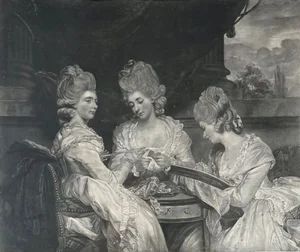
- A printmaking process of the tonal method, enabling the reproduction of paintings with subtle gradations of light and shade. Valentine Green utilised this technique for portrait prints after Sir Joshua Reynolds.
- Giltwood
- Wood carved and covered with a thin layer of gold leaf, commonly used for decorative antique picture frames. This material defines the ornate borders surrounding many seventeenth and eighteenth-century canvases.
- Portrait Miniature
- A small, highly detailed painting executed on vellum, card, or ivory, popular for private keepsakes and worn jewellery. Susie Lassam and other later artists continued this intimate tradition.
- Craquelure
- A fine network of microscopic cracks appearing across the surface of old oil paintings as the paint film ages and hardens. This natural phenomenon helps experts verify the age of a canvas.
- Pastel
- A medium consisting of powdered pigment combined with a binder, formed into sticks for drawing on paper. Late eighteenth-century examples display soft, powdery textures characteristic of this technique.
Historical Female Fine Art: Frequently Asked Questions
What periods do these artworks cover?
The listings span from the seventeenth century through the Georgian and Regency eras into the early twentieth century. Each era brings distinct clothing styles and painting techniques.
Earlier pieces reflect Baroque and Jacobean aesthetics, while later items show Victorian and Edwardian influences.
How were portrait miniatures used?
Portrait miniatures served as intimate personal keepsakes, often carried in pockets or worn as jewellery close to the heart. They depicted family members, spouses, or public figures in delicate detail.
Artists painted them on small supports using fine watercolours, gouache, or enamel.
How do I identify the sitter?
Some canvases bear contemporary inscriptions, labels, or family provenance documenting the exact individual portrayed. Other works remain unidentified, requiring stylistic clues from costume and hair.
Fashion elements like lace collars, cut sleeves, and specific headwear often narrow down the decade.
How should I care for an oil painting?
Keep antique oil paintings away from direct sunlight and dramatic fluctuations in room temperature and humidity. Stable environments prevent the canvas and wooden stretcher from warping.
Dust surfaces gently with a soft, dry brush and avoid chemical cleaning agents entirely.