

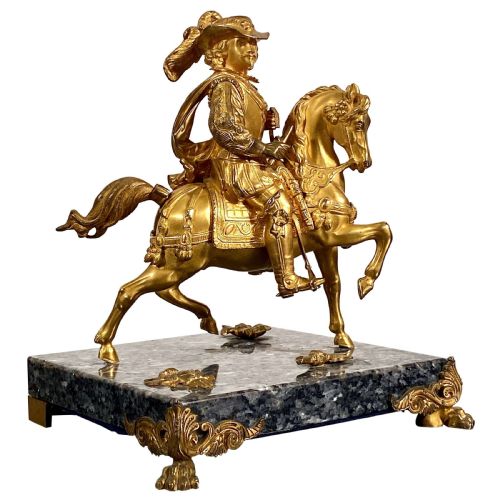




Historical Bronze Figurine
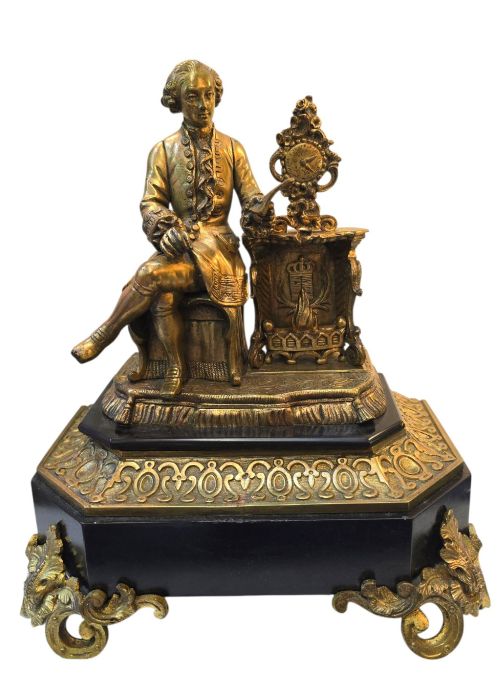
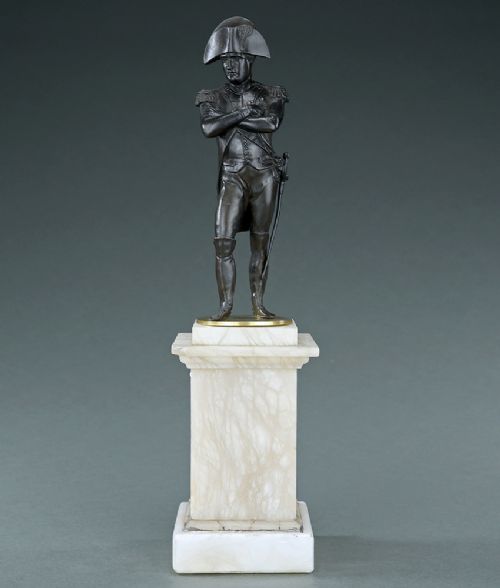
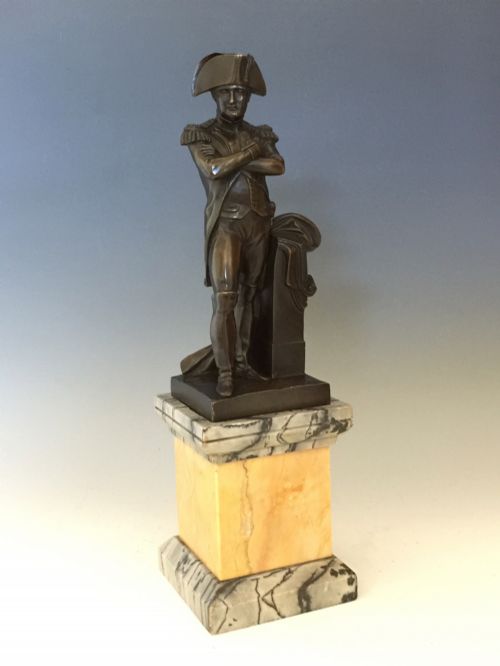
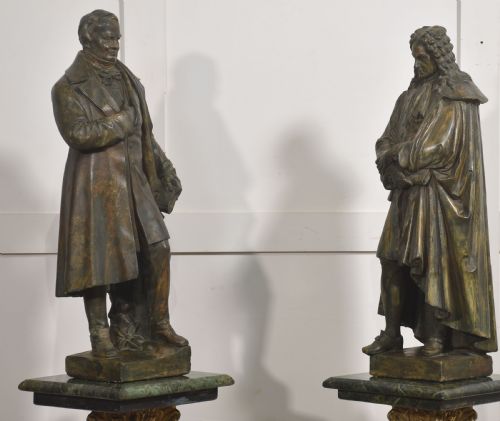
These historical bronze figurine pieces capture iconic historical figures and rulers through nineteenth-century metalwork.
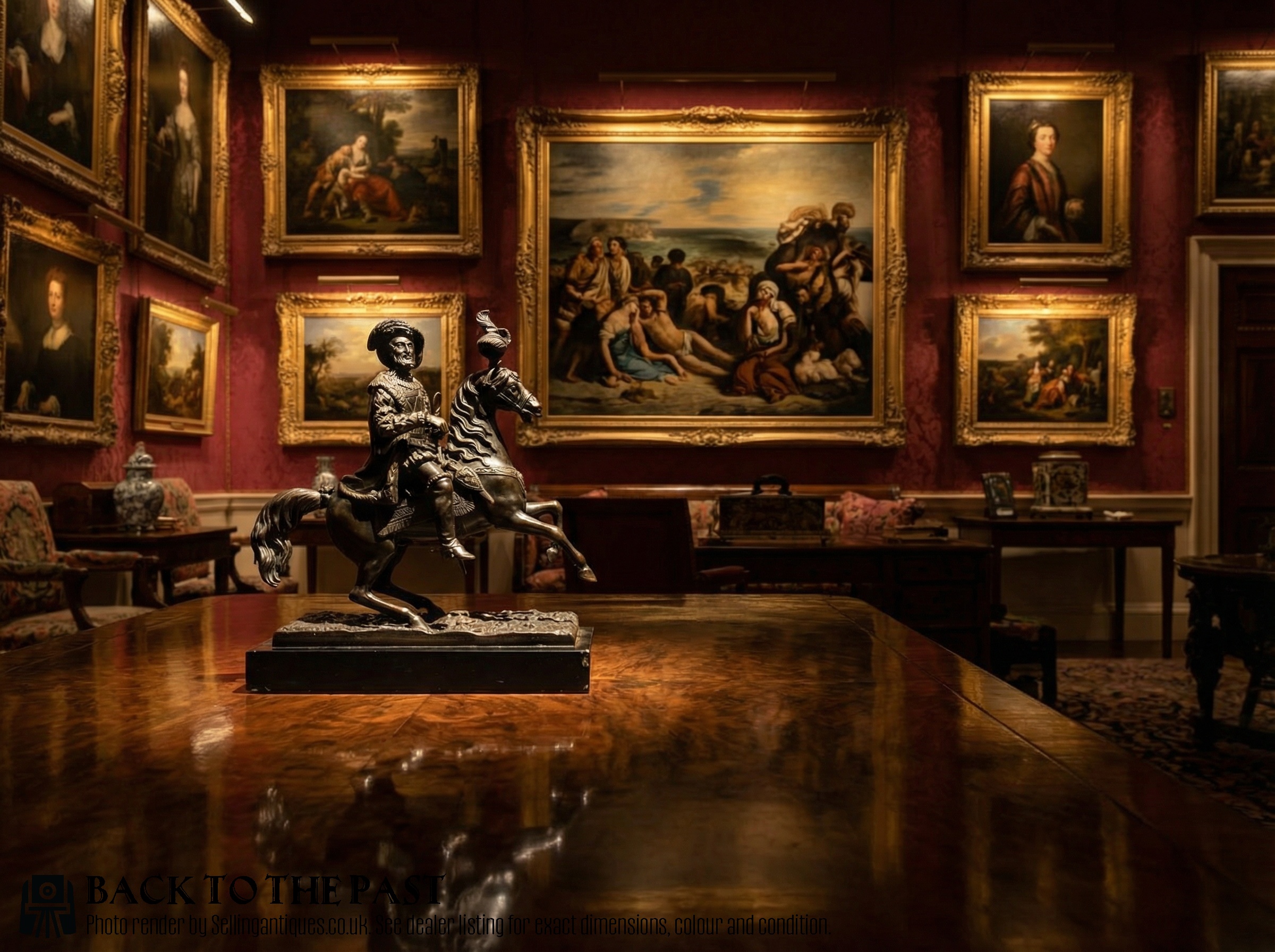
Historical Bronze Figurine
A historical bronze figurine represents notable leaders, monarchs, and cultural figures cast primarily during the nineteenth century. The selection ranges from classical subjects to military commanders on horseback.
French workshops dominate these pieces, alongside British and German examples executed in various revival styles. Buyers frequently encounter subjects like Napoleon, historical monarchs, and classical rulers.
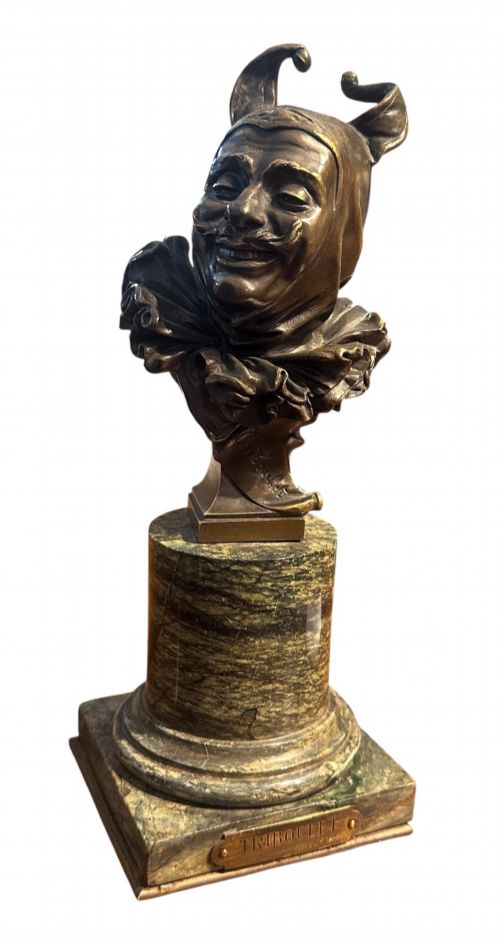
Forms include single standing statuettes, equestrian groups, and portrait busts mounted on bases of marble or stone. These works reflect nineteenth-century academic realism and historicism.
How They Were Made
Foundries utilised traditional metal casting methods to produce solid and patinated bronze sculptures, occasionally applying gilt bronze or ormolu highlights. Electrotype techniques also appear among the listed works.
Alternative materials such as chalkware, plaster, and pigment feature in specific figural pairs alongside metal castings. Marble frequently serves as a heavy base material for busts and statuettes.
Materials across these listings include bronze, marble, gilt bronze, ormolu, patinated bronze, chalkware, plaster, and pigment.
What Varies in Quality
The precision of the casting and the depth of the patina separate standard production from superior examples. Finer pieces demonstrate careful chasing of the metal surface after casting.
Foundry stamps and known signatures distinguish pieces produced by recognised workshops and makers from unsigned works. The choice of mounting materials, such as polished marble bases, also influences the overall standard.
Pierre-Augustin Caron de Beaumarchais·Emile Guillemin·Dopmeier·E.H. Dumaige·Jean Jules Salmson·Barbedienne·Willems·C.Anfrie
The Historical Bronze Figurine Glossary
- Patinated bronze
- Bronze treated with chemical solutions to produce a specific surface colour or dark tone. This finish protects the metal and defines sculptural details.
- Ormolu
- Finely ground high-carat gold applied to a bronze base using a mercury amalgam technique. The process creates a rich golden decorative surface.
- Electrotype
- A metal copy produced through an electrolytic deposition process. This method allows the replication of detailed sculptural forms.
- Chalkware
- Plaster of Paris moulded and painted to imitate carved stone or bronze. It offers a lighter alternative to metal statuary.
- Historicisms
- Artistic styles that draw inspiration from historical art and architecture. Nineteenth-century versions often revive Renaissance and classical motifs.
Historical Bronze Figurine: Frequently Asked Questions
What periods do these figures date from?
The available pieces originate predominantly from the nineteenth century, with specific dates spanning from around eighteen-sixty to the early twentieth century.
Most examples reflect nineteenth-century French and European historicist movements, drawing on earlier Renaissance and classical aesthetics.
Which historical figures are depicted?
Subjects include military leaders and monarchs such as Napoleon Bonaparte, Emperor Charles I, Henry the Fourth, and François the First.
Other notable figures encompass cultural personalities like Van Dyck, literary characters such as Triboulet, and ancient rulers including Queen Boadicea and Sardanapalus.
What materials are used in these sculptures?
The primary medium is cast bronze, often finished with a dark patination or enhanced with gilt bronze and ormolu.
Some pieces incorporate alternative substances including plaster, pigment, and chalkware, frequently paired with heavy marble bases.
How do I identify a foundry mark?
Foundry marks and maker signatures typically appear stamped or incised directly into the bronze base or lower edge of the sculpture.
Prominent nineteenth-century founders like Barbedienne marked their production to indicate quality and workshop origin.