

Historical Art
When seeking historical art, buyers encounter centuries of painted portraiture, maritime scenes, and engraved maps.
Historical Art
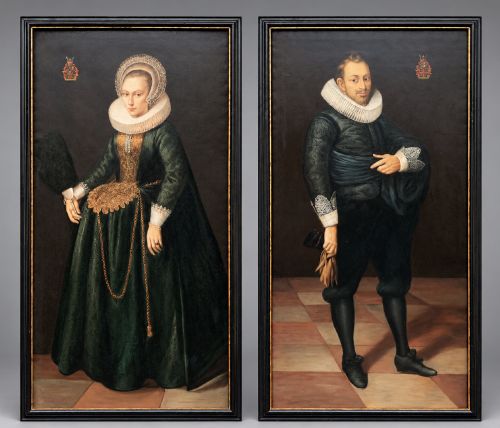
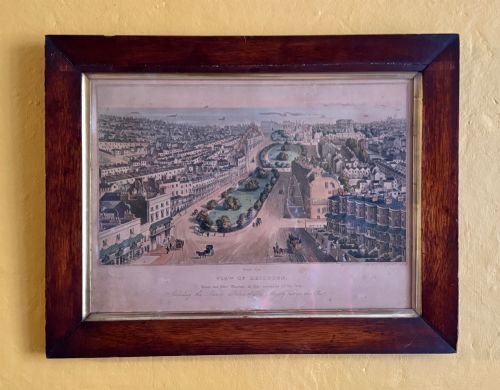
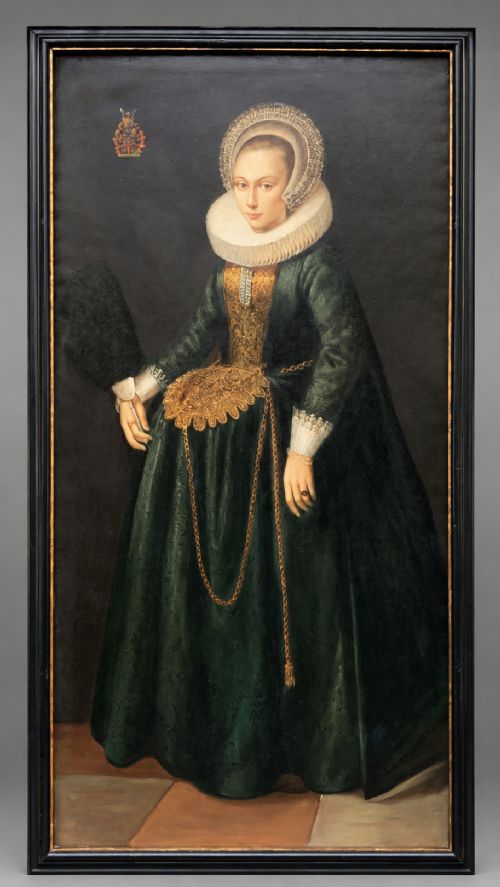
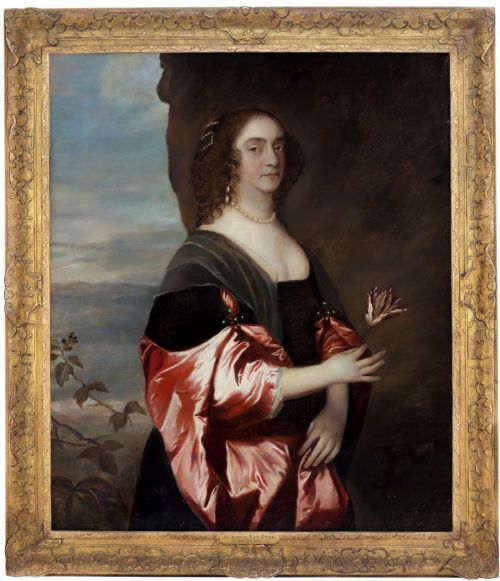
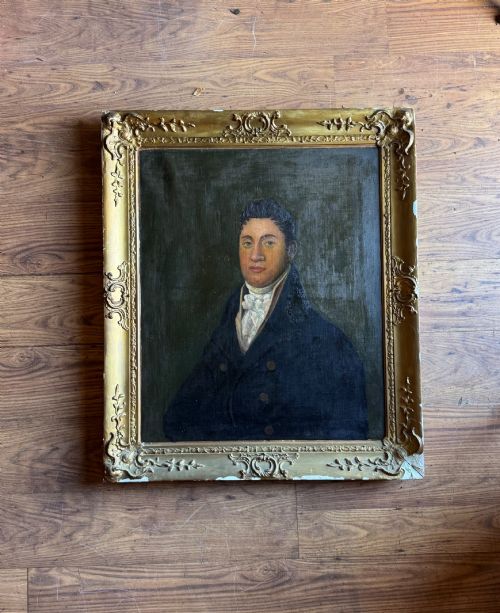
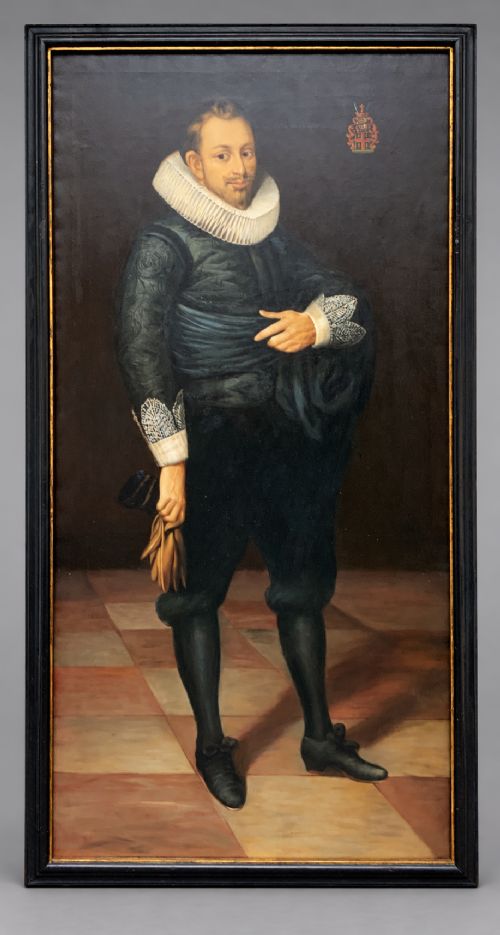
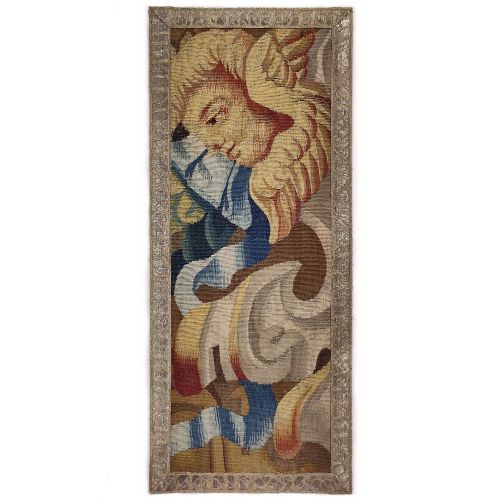
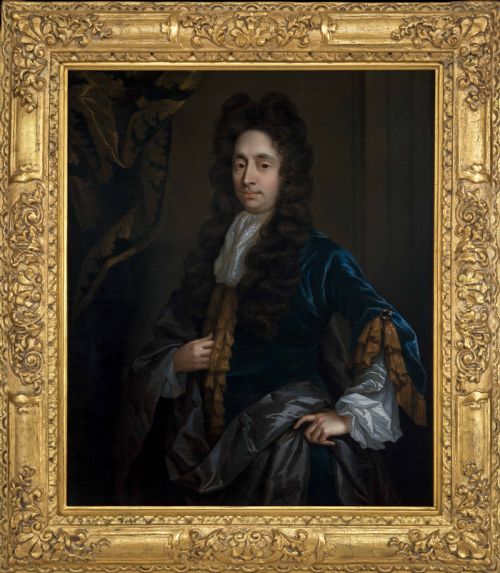
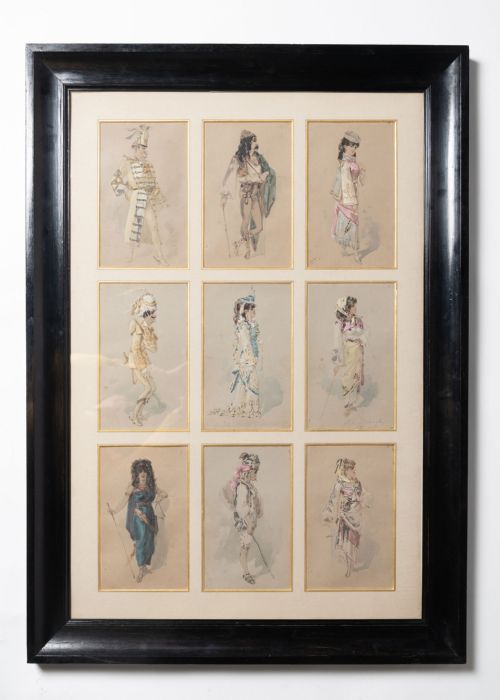
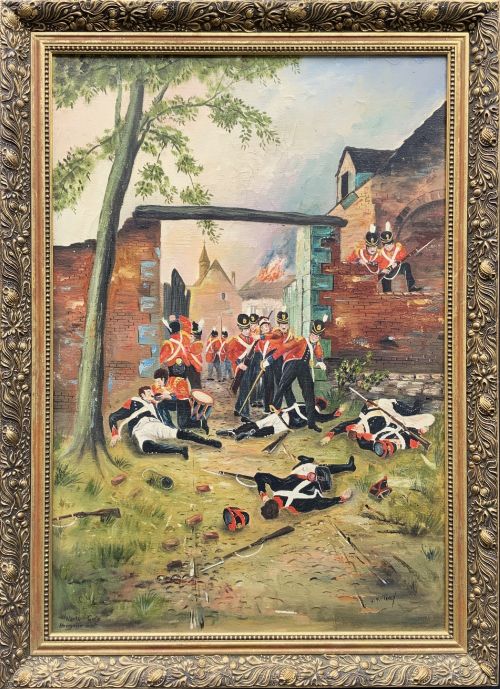
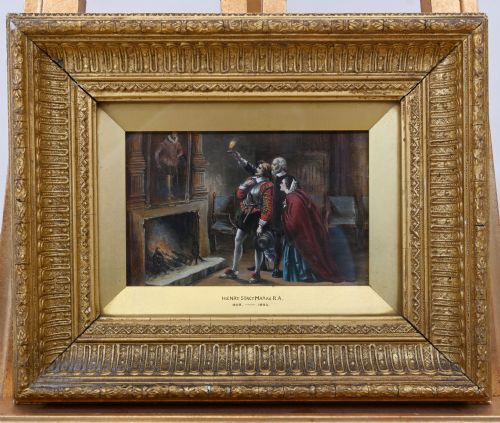
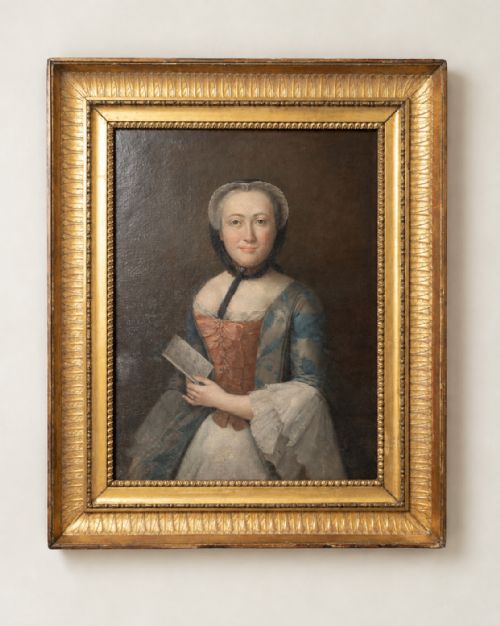
Historical art encompasses centuries of painted portraiture, maritime oil paintings, printed maps, and engraved works originating from British, Dutch, French, and Italian schools. These pieces record recognizable historical figures, noblemen, military subjects, and topographical layouts from past eras.
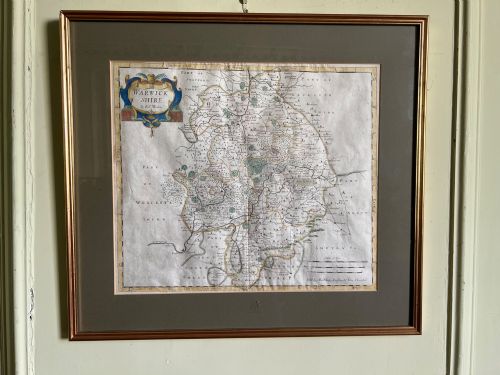
The most common examples on this page are oil paintings on canvas or panel depicting aristocrats, alongside framed antique maps and mezzotint engravings. Works span from the sixteenth century through the Victorian period and into the early twentieth century.
Buyers select these items to anchor a room in tangible history, acquiring authentic portraits of past nobility and period cartography. Each piece carries the distinct visual language of its originating century, whether rendered in oils, ink, or pastel.
Materials and construction
Artists painted primarily in oil on stretched canvas or wooden panels, utilising ground pigments mixed with oils to achieve depth in garments and facial tones. Engravers and cartographers worked with paper, ink, gold leaf, and copper plates to produce detailed prints and maps.
Frames form an integral part of the physical object, with original giltwood and Hogarth frames frequently housing canvases and engravings. Paper items often appear as framed atlas excerpts or stipple engravings behind protective glass.
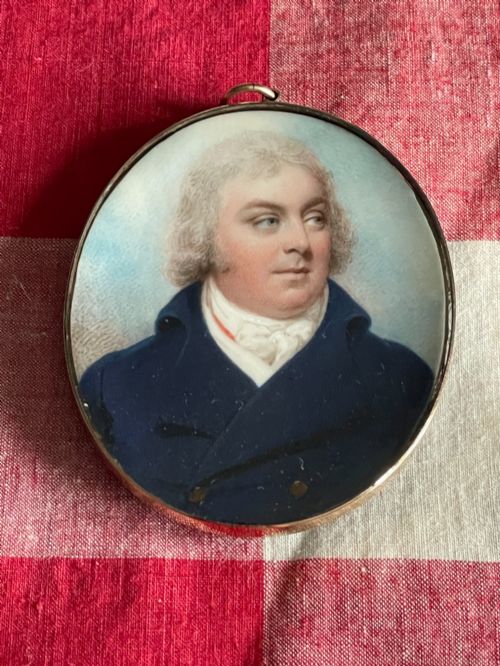
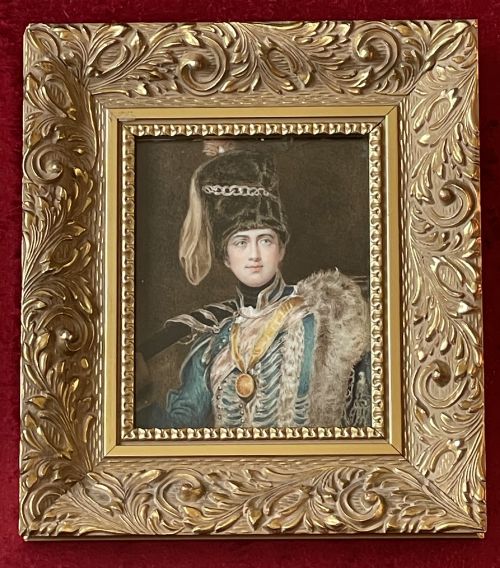
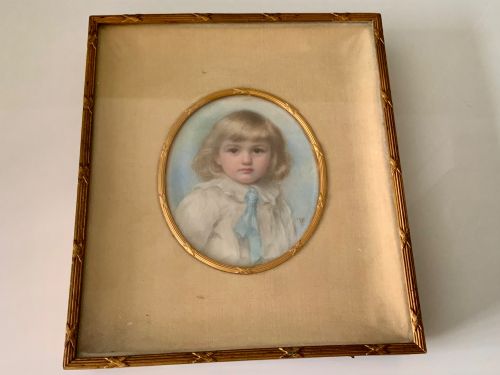
Miniatures employ delicate watercolours or painted surfaces mounted in protective casings, demonstrating fine brushwork on a small scale. Canvases display the crackle and weave appropriate to their age and regional workshop traditions.
Historical Art Retail Price Guide 2026
Typical asking prices for historical art among the pieces listed under this phrase on Sellingantiques today, from the lower quarter to the upper quarter. They describe what is for sale here now, not the wider market.
Listings feature works across the seventeenth, eighteenth, and nineteenth centuries, utilising oil on canvas, paper, and giltwood.
Distinctions in quality
Quality rests in the fidelity of the brushwork, the psychological depth of a portrait sitter's expression, and the crispness of line in engraved maps. Studio output supervised by a named master differs visibly from provincial copies executed long after the sitter's lifetime.
The integrity of the original support material and framing dictates much of the physical standard, with untouched surfaces on canvas and contemporary period frames holding higher regard than heavily restored panels.
Sir Godfrey Kneller·Humphrey Llwyd·John Speed·Lavinia Fontana·Michael Dahl·Thomas Murray·David Scougall·Sir Peter Lely·John Smith·Sir Thomas Wentworth·Francis Cotes·Cornelius Johnson·Robert Alexander Hillingford·Alessandro Cittadini·James Sharples·George Willison·Samuel Cooper·Anthony Van Dyck
The Historical Art Glossary
- Mezzotint
- A printmaking process where the artist works from dark to light on a copper plate to achieve rich tonal gradations. This technique gained widespread popularity for reproducing oil paintings of notable public figures.
- Stipple engraving
- A method of producing prints using tiny dots rather than continuous lines to build form and shade. It allows for subtle transitions in tone, frequently seen in eighteenth-century portrait prints.
- Panel painting
- Artwork executed on a flat wooden board rather than woven canvas. Panels were standard supports for sixteenth and seventeenth-century works.
- Cartography
- The science and art of mapmaking, represented here through antique atlas excerpts and engraved regional maps. These artefacts record historical boundaries and geographical knowledge from past centuries.
- Provenance
- The documented history of ownership surrounding a work of art. Clear lineage ties a painted portrait or engraving directly to its historical subjects and past collections.
Historical Art: Frequently Asked Questions
How do I identify the period of an oil painting?
Examine the materials of the canvas support, the preparation layers behind the paint, and the stylistic conventions of the clothing and hair worn by the sitter.
Framing styles and the natural ageing of the oil medium, such as fine surface crazing, also point toward the century of creation.
Were antique maps meant to be framed?
Early cartography was typically bound within atlases for reference or navigation rather than hung on walls for display.
Surviving sheets are frequently extracted atlas pages that owners later mounted and framed to showcase historical geography.
What is a portrait miniature?
Portrait miniatures are small-scale paintings executed on ivory, vellum, or card, designed to be carried on the person or kept in a private cabinet.
They captured likenesses with intense detail before the widespread adoption of photography.
How should I care for antique canvas art?
Keep painted canvases away from direct sunlight, high humidity, and rapid temperature fluctuations that cause wood panels and canvas stretchers to warp.
Dust the surface gently with a soft, dry brush and avoid applying any liquid cleaners to the paint layer.