



Historic Portraiture Oil Painting
Historic portraiture oil painting captures recognisable figures in oil paint, offering a direct link to past centuries through canvas and wood.
Historic Portraiture Oil Painting
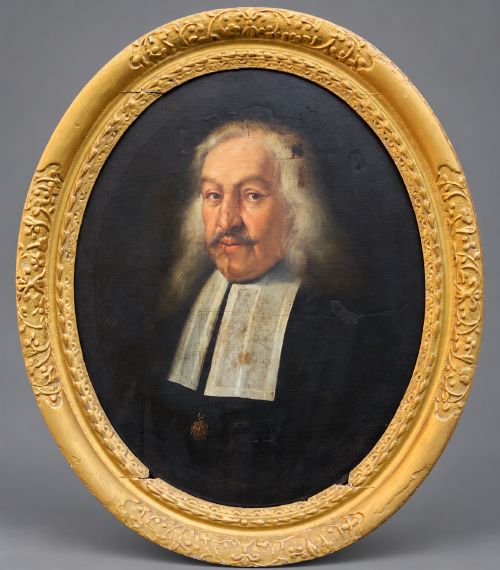
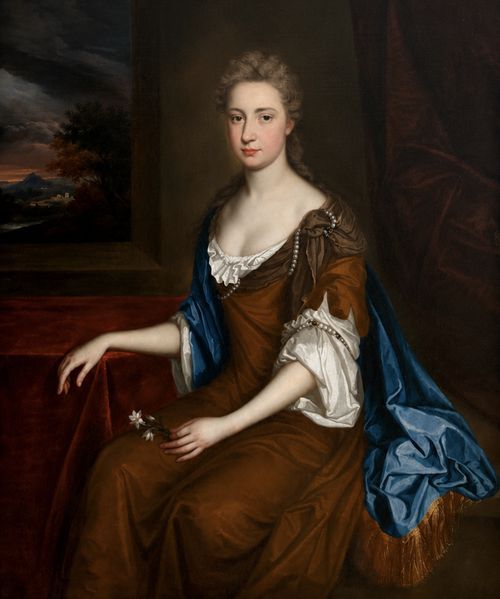
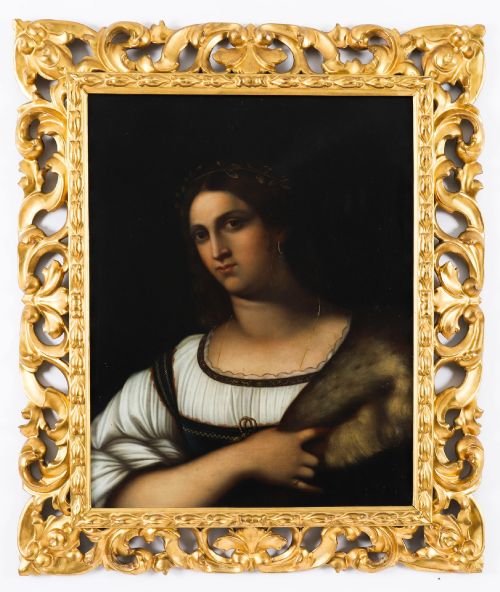
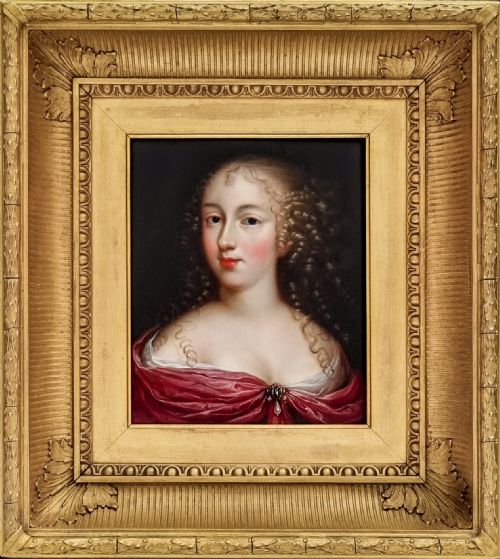
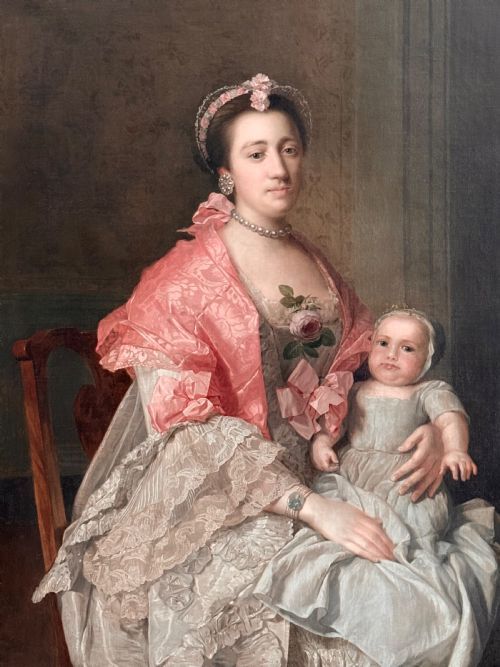
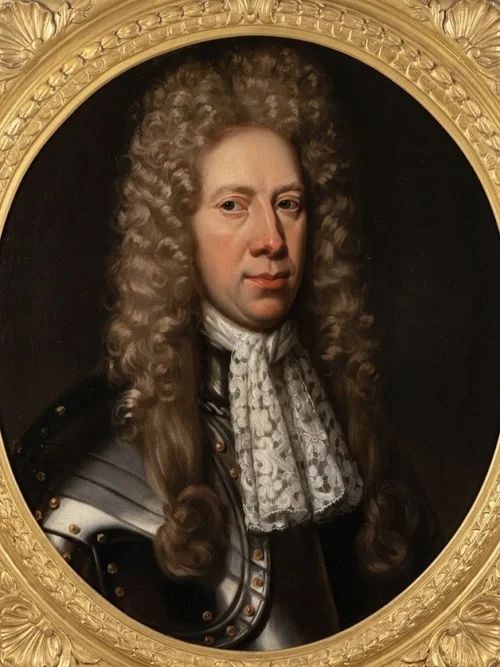
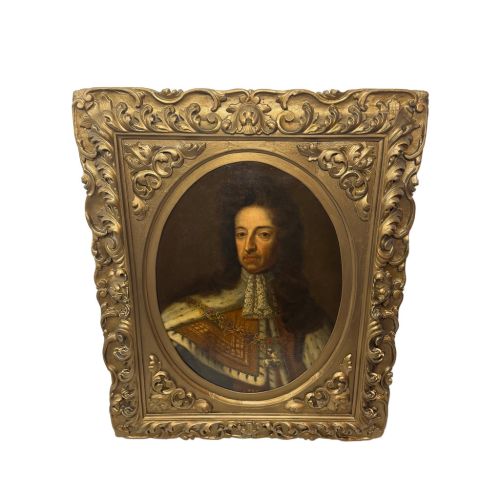
A historic portraiture oil painting represents a specific individual, often a nobleman, gentleman, or lady, rendered during periods such as the seventeenth, eighteenth, and nineteenth centuries. These works record likenesses through oil on canvas or panel, spanning styles from the Baroque and Jacobean eras to the Victorian period.
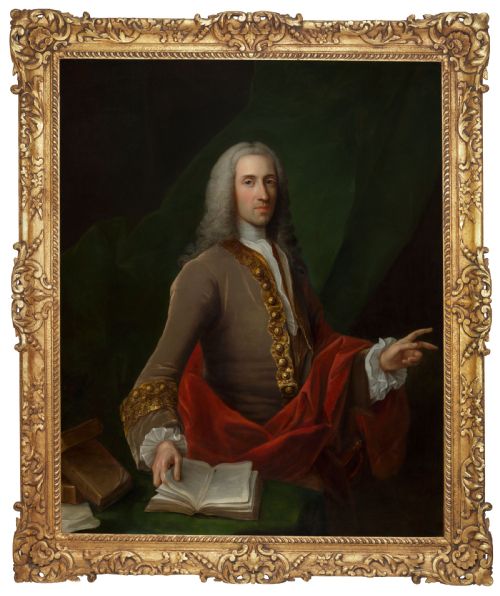
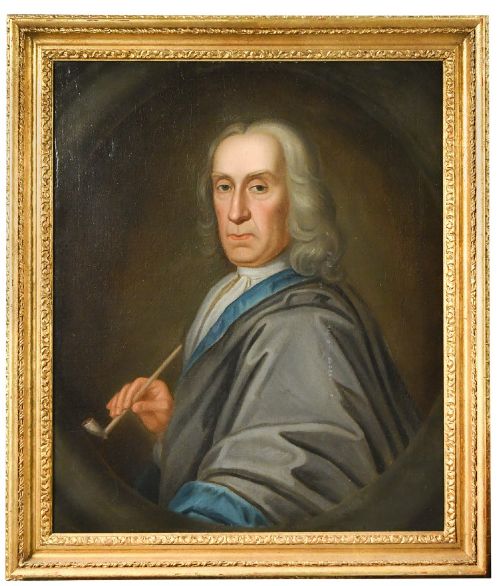
The selections available here range from seventeenth-century English and continental works to Georgian and Victorian depictions. Subjects include named historical figures, nobility, and professionals, often captured with specific attributes like books or pipes that denote their status or occupation.
Buyers encounter pieces associated with distinct regional schools, including English, Dutch, and Norwegian traditions. These artworks serve as historical documents as well as decorative centrepieces, preserving the garments, hairstyles, and social markers of their respective eras.
How They Were Made
Artists applied oil paint to stretched canvas or wooden panels, utilising the slow-drying medium to build rich tones and subtle flesh gradients. Many works incorporate panel supports, particularly in earlier continental examples, while canvas predominates in later periods.
Finished surfaces frequently sit within period frames constructed from wood and embellished with gold leaf or giltwood. These surrounds form an integral part of the physical object, often reflecting the decorative taste of the painting's creation date or subsequent centuries.
Historic Portraiture Oil Painting Retail Price Guide 2026
Typical asking prices for historic portraiture oil painting among the pieces listed under this phrase on Sellingantiques today, from the lower quarter to the upper quarter. They describe what is for sale here now, not the wider market.
Several sitters bring unexpected company to the canvas, including a pipe, a pelican tooth extractor, and several heavy volumes.
What Varies in Quality
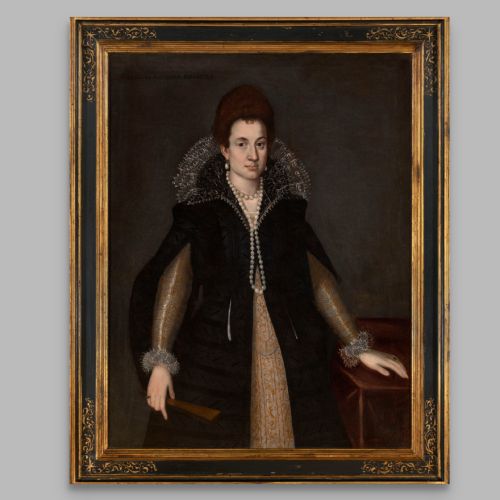
The success of a portrait lies in the artist's ability to render facial expression, skeletal structure, and textile textures convincingly. Superior examples demonstrate confident brushwork in rendering lace, velvet, and skin tones, whereas weaker works display stiff postures and flat modelling.
Attribution also plays a role in distinction, with works linked directly to named portraitists or established contemporary circles commanding greater scholarly interest. The preservation of the original paint layer and the integrity of the primary support dictate the physical standing of the piece.
Jeremiah Davison·John Scougall·Pietro Fachetti·Joseph Highmore·John Greenhill·Richard Cosway·Eugen Rosenfeld·Francis Alleyne·Rudolph Lehmann·Sir Peter Lely·John Raphael Smith·Daniel Mytens·Lemuel Francis Abbott·John E Fernley
The Historic Portraiture Oil Painting Glossary
- Oil on Canvas
- Pigment mixed with drying oil applied to a woven fabric support. This combination allowed artists to work on a larger scale with varied textures.
- Giltwood
- Wood carved and coated with a thin layer of gold leaf or metallic powder. This material frames the canvas and reflects ambient light.
- Baroque
- An artistic style prevalent during the seventeenth and eighteenth centuries characterised by drama, rich colour, and deep shadow. It informs the theatrical composition of many portraits.
- Circle of
- A term used when a painting originates from the workshop or immediate followers of a known master. It denotes stylistic proximity without direct hand attribution.
Historic Portraiture Oil Painting: Frequently Asked Questions
What periods do these paintings cover?
The works span from the early seventeenth century through the Georgian and Victorian eras up to the twentieth century. Different centuries bring distinct clothing styles and painting techniques.
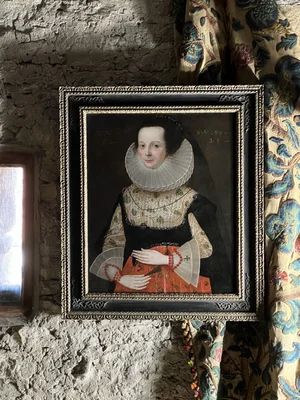
Earlier examples often display stiff ruffs or elaborate seventeenth-century court dress, while later Victorian pieces show softer tailoring and more relaxed poses.
How were these portraits originally displayed?
Landed gentry and nobility hung these works in country houses, galleries, and private chambers to project lineage, status, and authority. They formed part of ancestral collections designed to impress visitors.
Today, they function similarly in domestic interiors, anchoring a room with a sense of history and human presence.
What materials support the oil paint?
Artists primarily used woven canvas stretched over wooden frames, though some early examples utilise solid wood panels. These materials provide the rigid foundation necessary for layering oil paints.
Frames made of wood with gold leaf or giltwood finishes enclose the paintings, often dating from the same period as the artwork.
How do I identify the subject of a portrait?
Inscriptions on the canvas, labels on the reverse, or accompanying documentation often record the sitter's identity, birth and death dates, and sometimes their profession. Heraldic shields or specific objects held by the sitter also offer clues.
When a name is lost, historians look to costume, hairstyle, and painting style to narrow down the decade and region of origin.