


Nineteenth Century Lady Portrait
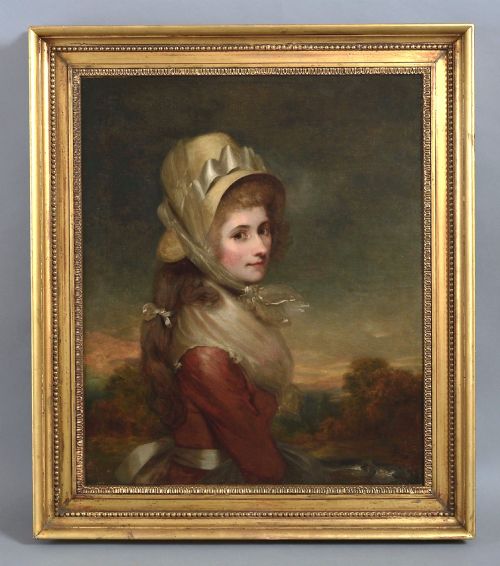
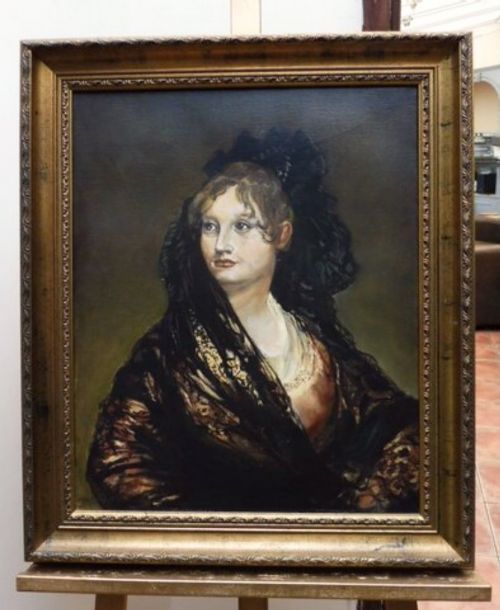
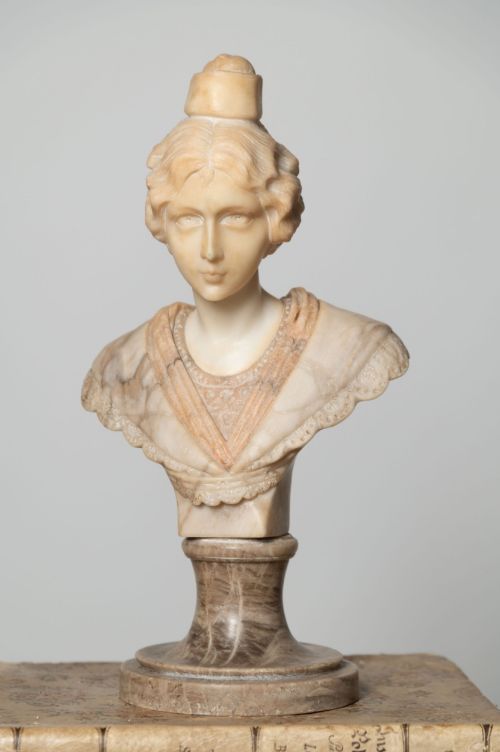
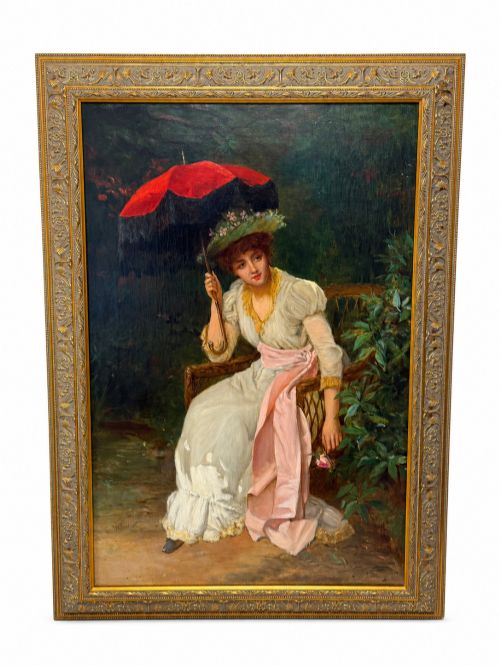
A nineteenth century lady portrait brings the direct gaze of another era into a room, capturing the quiet character of women through oil paint, pastel, and carved marble.
Nineteenth Century Lady Portrait
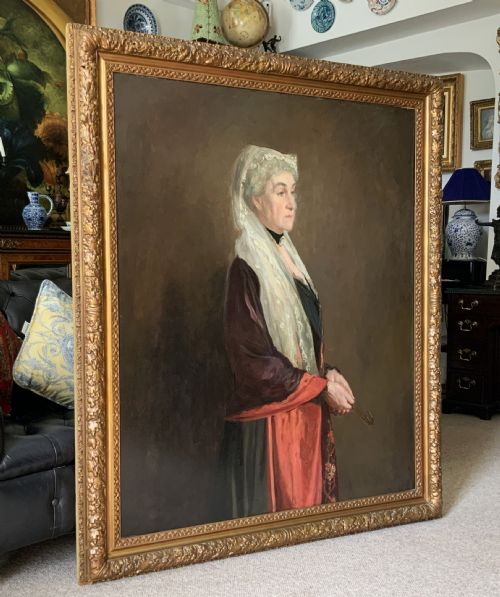
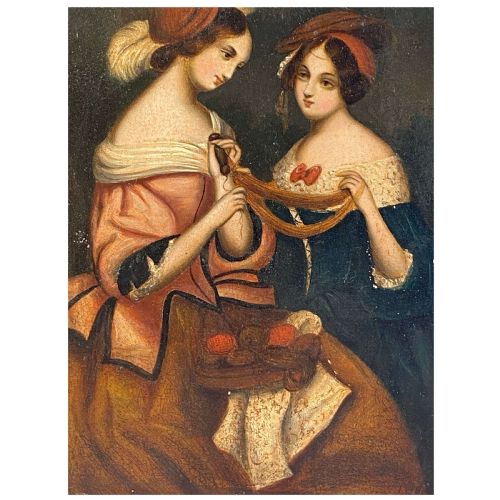
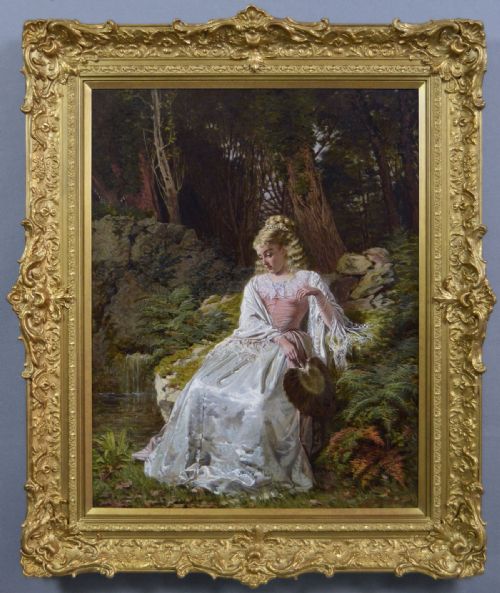
When someone searches for a nineteenth century lady portrait, they find likenesses ranging from intimate miniature watercolours on ivory to large oil paintings on canvas and panel. These works capture female subjects in varied settings, from formal landscapes to quiet interiors.
The versions most common on this page date predominantly from the nineteenth century, including Victorian and Regency periods, alongside related works in pastel, zinc, and carved marble. Some pieces reflect specific stylistic movements such as French School, Neoclassical, and Spanish Romanticism.
Subjects appear in diverse contexts, including grand commissioned likenesses of identified women and anonymous studies of continental sitters. Alongside standard framed paintings, buyers also encounter sculptural busts and miniature formats executed with fine detail.
How they were made
Artists of this period relied primarily on oil paint applied to stretched canvas, wooden board, or zinc panels, building up rich tones and textures. Miniature portraits required delicate brushwork on ivory or card, often sealed behind glass.
Framing and support materials played an essential role in presentation, utilising gilded wood, giltwood, and gold leaf to complement the painted surface. Sculptural representations combined carved Carrara marble with contrasting vert de mer marble bases, or utilised spelter for modeled figures.
Listings feature works from the Regency and Victorian periods, utilising oil on canvas, carved Carrara marble, and delicate ivory supports.
What varies in quality
The integrity of the original support, whether canvas, panel, or ivory, affects the overall condition and visual impact. Superior pieces retain their original harmony of colour and are housed in period frames of gilded wood that match the character of the artwork.
Sir Martin Archer Shee·Francisco Jose de Goya·Thomas Edward Roberts·Sir Thomas Lawrence·William Owen·Alfred Seifert
The Nineteenth Century Lady Portrait Glossary
- Oil on Canvas
- A traditional painting medium where pigments suspended in drying oil are applied to a woven fabric support. This combination allows for rich blending of tones and enduring flexibility.
- Miniature Painting
- A small-scale portrait executed with extreme precision, frequently created on ivory or card during the Georgian and Victorian eras. These intimate pieces were often housed in protective cases.
- Carrara Marble
- A type of white or blue-grey marble quarried in the city of Carrara in Italy, prized by sculptors for its fine grain. It provides a smooth surface suitable for detailed carving.
- Spelter
- An alloy of zinc and other metals used as an economical alternative to bronze for sculptural figures during the nineteenth century. It was often given a patinated finish to resemble older metalwork.
Nineteenth Century Lady Portrait: Frequently Asked Questions
What is a nineteenth century lady portrait?
These works are historical depictions of women created during the 1800s using media such as oil paint, watercolour, and pastel. They record the likenesses, fashions, and artistic styles of the period.
Buyers encounter formats ranging from large canvas paintings intended for prominent display to small portrait miniatures meant to be held in the hand.
How were these portraits displayed originally?
Full-sized paintings were typically hung in domestic reception rooms or galleries, framed in ornate gilded wood to project family status and taste. Miniature watercolours and ivories were kept in private spaces or carried as personal tokens.
Sculptural busts of female subjects stood on marble bases or pedestals within libraries and entrance halls, serving as classical decorative elements.
How do I live with a painted portrait?
These artworks fit well in traditional or modern interiors when placed on walls with stable humidity and away from direct sunlight. Proper placement protects the oil paint, pastel, or watercolour pigments from fading over time.
Pairing a framed portrait with period furniture helps anchor the piece within a room, creating a focal point that connects with historical domestic spaces.
How do I tell different periods apart?
Stylistic clues such as Regency hairstyles, Victorian costume details, and Art Nouveau curves help date individual works. Artists' signatures, framing styles, and the choice of support material like zinc or ivory also indicate specific eras.
Comparing the handling of paint and the specific fashion accessories worn by the sitter provides further context for dating the piece.