




Historic Male Portrait Oil
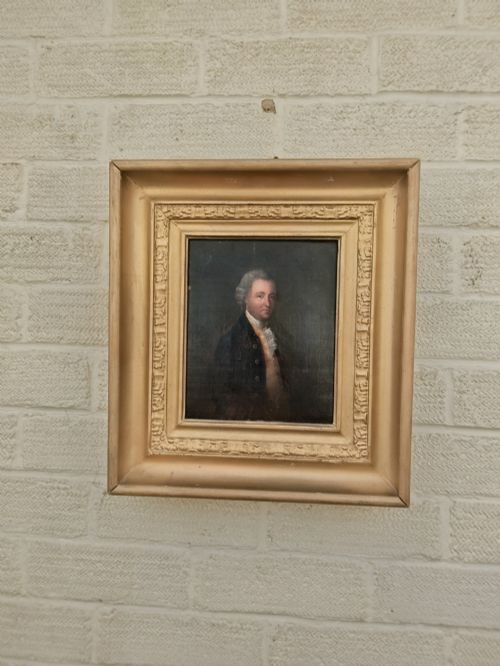
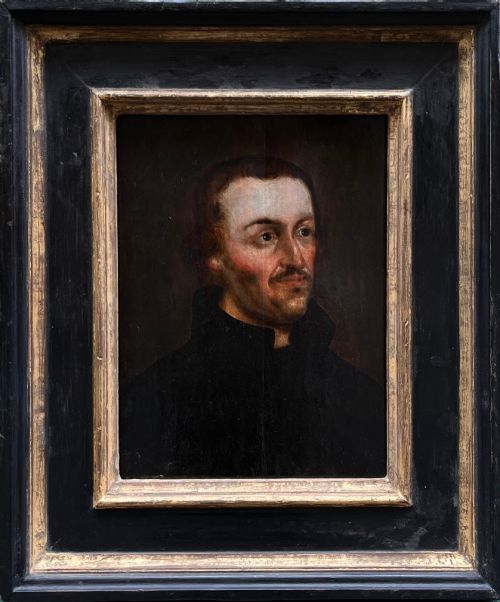
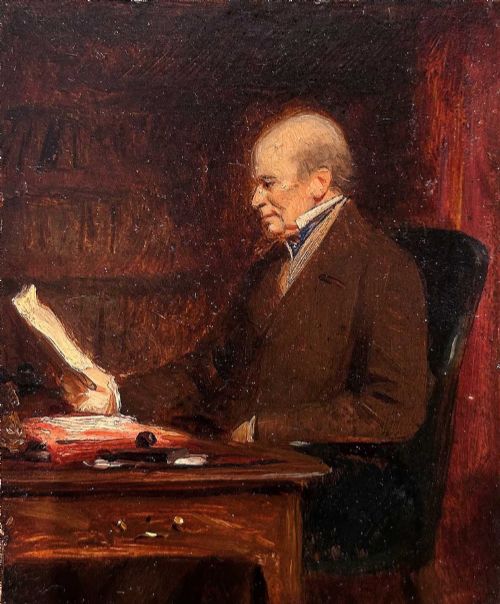
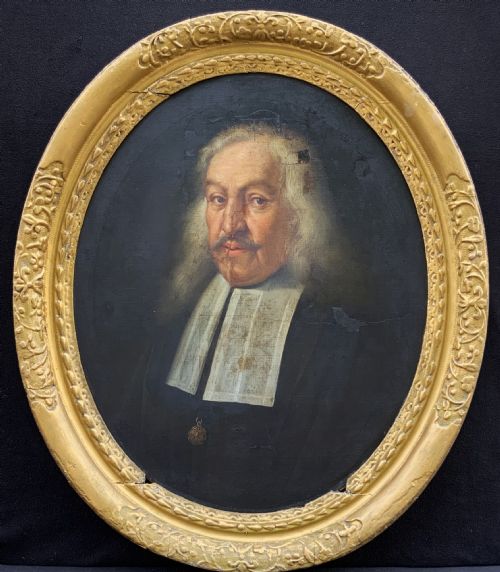
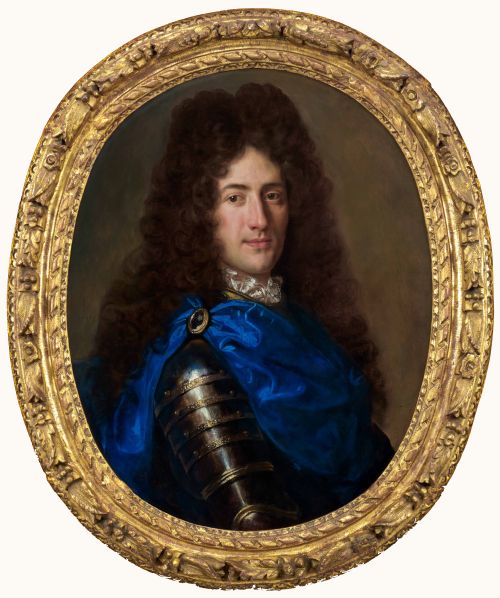
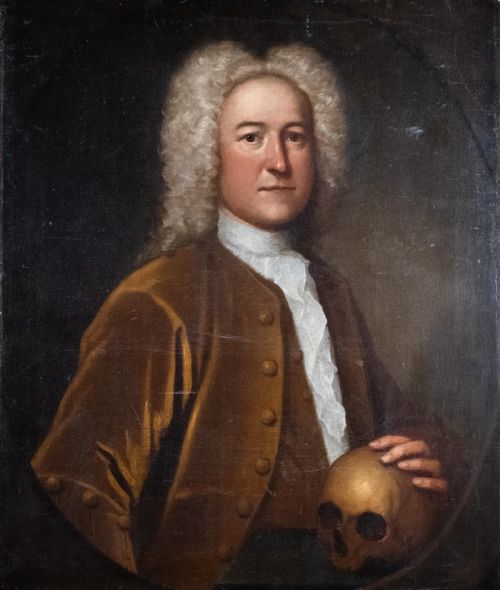
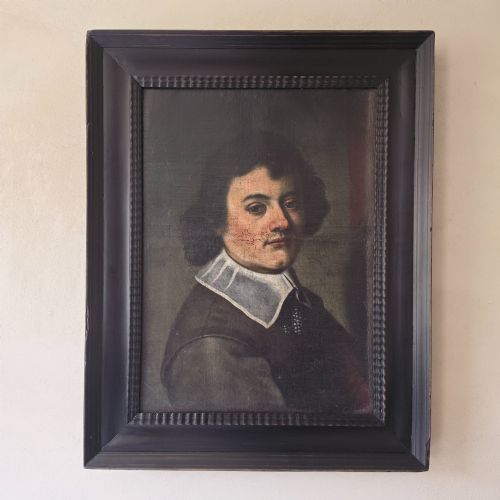
A historic male portrait oil captures centuries of recognizable figures, noblemen and ordinary gentlemen on canvas.
Historic Male Portrait Oil
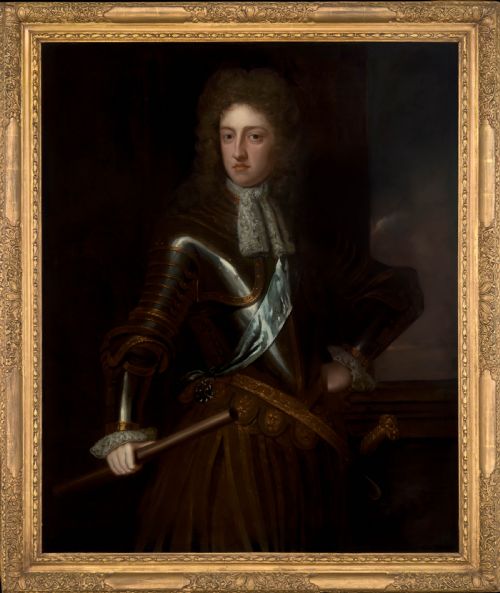
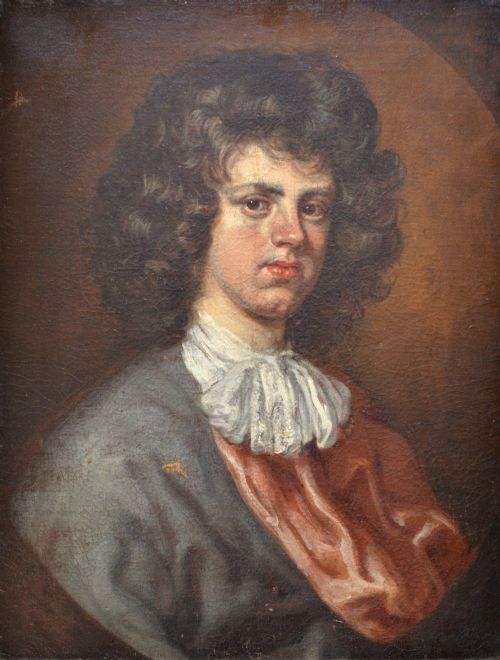
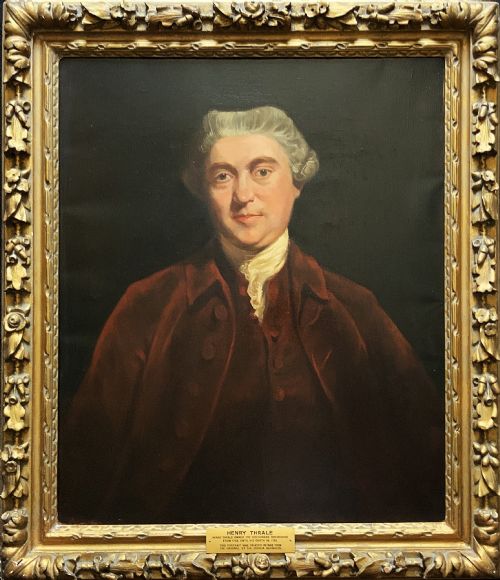
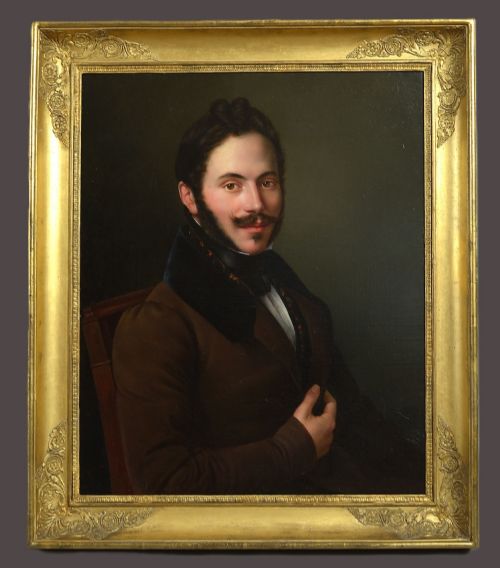
A historic male portrait oil depicts named individuals, noblemen, clergy and gentlemen across the seventeenth, eighteenth and nineteenth centuries. These works record figures such as physicians, naval officers and politicians through traditional oil paint techniques.
The selections on this page span British, French and Flemish schools, incorporating Georgian, Regency, Victorian and Baroque styles. Buyers encounter both signed studio works and pieces by regional European schools.
Works range from intimate head studies to large canvases featuring subjects in armour, academic robes or formal coats. Many depict specific historical personalities with documented biographies.
Materials and Construction
These works utilise oil paint applied to woven canvas supports stretched over wooden frames. Pigments were mixed with binding oils to build up rich tones, flesh tints and dark backgrounds.
Many paintings are housed in period giltwood frames carved from wood and finished with gold leaf. The interaction of oil paint on canvas provides the characteristic depth and texture seen across these centuries.
Listings feature works spanning the sixteenth, seventeenth, eighteenth, and nineteenth centuries, executed in oil on canvas with giltwood frames.
Evaluating the Work
Quality rests upon the skill of the brushwork in rendering facial anatomy, fabrics such as lace jabots or velvet coats, and the psychological presence of the sitter. Works by established portrait painters or documented studio circles typically demonstrate superior draughtsmanship.
Condition plays a central role, including the stability of the canvas and oil paint layer, alongside the preservation of the original or period-appropriate giltwood frame. Attribution to a named artist or identifiable sitter elevates historical interest.
Sir William Beechey·Sir Godfrey Kneller·Mary Beale·Sir Joshua Reynolds·Edouard Pingret·Stephen Pearce·Pieter Borseler·Joseph Vivienne·Joseph Highmore·William Millar·Richard Cosway·Henry William Pickersgill·William Robinson·Rudolph Lehmann·Sir James Guthrie·Abraham Van Blyenberch·John Bettes the Elder·Michael Dahl·George Francis Joseph·James Latham·Lemuel Francis Abbott
The Historic Male Portrait Oil Glossary
- Oil on Canvas
- Pigment mixed with drying oil applied to a stretched textile surface. This combination allows for subtle blending of tones and durable longevity.
- Giltwood
- Wood carved and coated with a thin layer of gold leaf or metallic powder. It forms the decorative border surrounding many historic canvases.
- Baroque
- An artistic style prevalent in the seventeenth century characterised by dramatic lighting, deep shadows and dynamic compositions. Portraits from this period often employ strong chiaroscuro.
- Georgian
- The period spanning the reigns of the four King Georges, defined by distinct shifts in portraiture from formal court attire to more naturalistic gentlemanly representation.
- Circle of
- A designation used when a painting is by an unidentified artist working closely within the stylistic manner of a known master.
Historic Male Portrait Oil: Frequently Asked Questions
What periods do these portraits cover?
The listings span from the sixteenth century through the seventeenth, eighteenth and nineteenth centuries into the Edwardian era. Different decades brought shifts in fashion, posture and painterly technique.
Earlier examples often feature stiff collars, armour or dark robes, while later nineteenth-century canvases display looser brushwork and contemporary civilian dress.
How do I identify the sitter?
Many canvases include contemporary inscriptions on the front or reverse naming the individual, their profession or their birth and death dates. Biographical details often accompany works depicting physicians, explorers or politicians.
Where an inscription is absent, clothing styles, heraldry or compositional similarities to known engravings help historians propose an identification.
What does attribution to a circle mean?
Attribution to the circle of a specific painter indicates that the creator was an associate, pupil or close follower working in that master's workshop. These pieces share the palette, technique and aesthetic of the principal artist.
Such works offer high-quality portraiture from the same era without bearing the signature of the primary master.
How should I hang an oil portrait?
Historic oil paintings require placement away from direct sunlight and dramatic fluctuations in temperature or humidity. Stable interior walls protect both the canvas support and the delicate oil paint layer.
Ensure the weight of the painting and its giltwood frame is supported by appropriate fixings suited to your wall type.