


Framed Clerical Painting
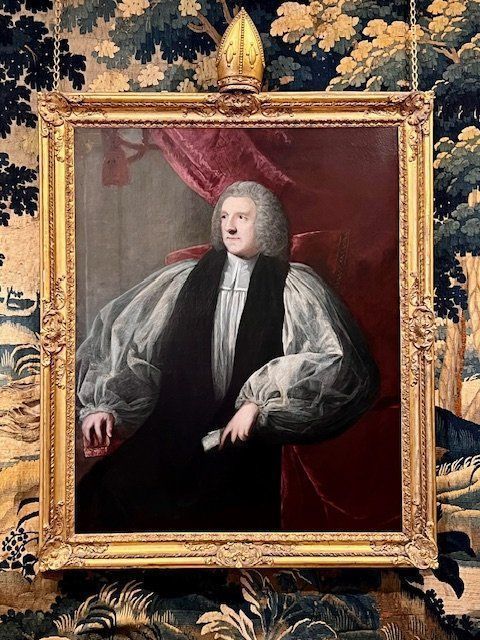
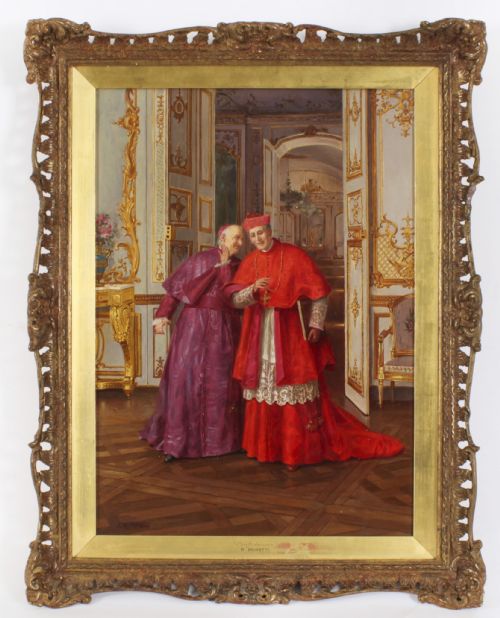
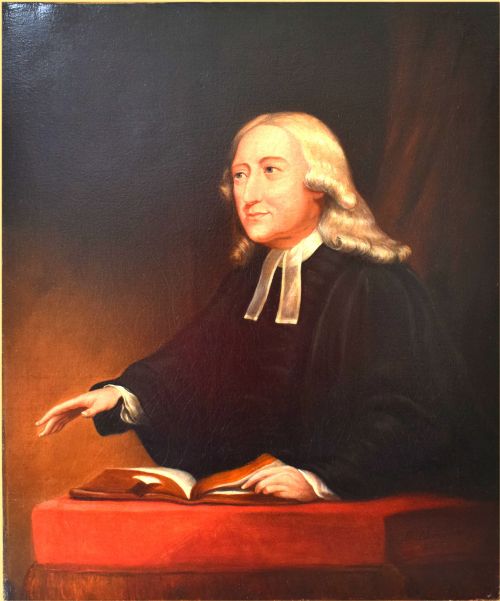
These framed clerical painting works depict figures of the church in oils, offering a glimpse into ecclesiastical history through portraiture.
Framed Clerical Painting
A framed clerical painting captures ecclesiastics, theologians, cardinals, bishops, and monks, rendered in oils upon canvas. These works range from the seventeenth century through to the mid-twentieth century, recording individual subjects with varying degrees of formality.
The compositions vary from intimate depictions of monks engaged in daily pursuits to grand portrayals of high-ranking church dignitaries. Seventeenth-century examples often present austere subjects, while nineteenth-century pieces lean towards narrative realism or genre painting.
Framing is integral to these works, typically employing giltwood, gesso, or gilded wood to complement the painted canvas. Such frames serve to define the ecclesiastical subject within a domestic or institutional setting.
Materials and technique
These works utilise oil on canvas as the primary medium, allowing artists to build depth and subtle tonal gradations within the fabrics of clerical vestments. The canvas is stretched over a wooden support and secured within heavy wooden or giltwood frames.
Techniques range from academic realism to the specific stylistic conventions of the Spanish Baroque and seventeenth-century British portraiture. Brushwork varies from the tight, precise detail of earlier portraitists to the more expressive handling found in later academic works.
Current listings feature oil on canvas works housed in giltwood and gesso frames, spanning the 17th, 18th, and 19th centuries.
Judging quality
Quality rests upon the skill of the brushwork and the psychological depth captured in the sitter's expression. Superior examples convey the dignity and character of the cleric with anatomical precision and confident handling of light.
The integrity of the canvas and the preservation of the original giltwood or gesso frame contribute significantly to the standing of a piece. Finer works maintain their original surface tension and show minimal intervention across the painted oil layer.
Sir Joshua Reynolds P.R.A.·Renato Moretti·Frank Moss Bennett·Frank Hyde·Ernst Stierhof·Eden Upton Eddis·James Ward RA·John Jackson RA
The Framed Clerical Painting Glossary
- Oil on canvas
- A painting medium where pigments are bound with a drying oil, applied to a woven fabric support. This combination allows for rich colour blending and durability over centuries.
- Giltwood
- Wood that has been coated with a thin layer of gold leaf or gilt powder. It provides a decorative and protective border for traditional paintings.
- Academic realism
- A style of painting produced under the influence of European academies of art. It emphasises precise draughtsmanship, smooth finishes, and adherence to classical standards.
- Spanish Baroque
- An artistic movement characterised by dramatic use of light and dark, known as chiaroscuro, and intense emotional expression. Works in this style often present profound psychological depth.
Framed Clerical Painting: Frequently Asked Questions
What periods do these paintings date from?
The works span multiple centuries, with examples originating from the seventeenth, eighteenth, and nineteenth centuries, alongside later pieces.
This broad chronological spread allows collectors to find both early baroque depictions and later academic interpretations.
Who are the subjects in these portraits?
The subjects include archbishops, cardinals, bishops, theologians, popes, and monks, often recorded in formal or contemplative settings.
Many depict historical figures associated with specific religious institutions or movements.
How should I care for a framed oil painting?
Keep the canvas away from direct sunlight and drastic shifts in temperature or humidity to prevent cracking in the paint and gesso.
Dust the giltwood frame gently with a dry, soft brush without applying moisture or chemical cleaners.
Are these paintings signed by the artists?
Some pieces bear visible signatures, inscriptions, or dates, while others remain attributed to specific schools or circles based on style.
Inscriptions on historical canvases often record the name, age, or office of the sitter.