





Historic Framed Print
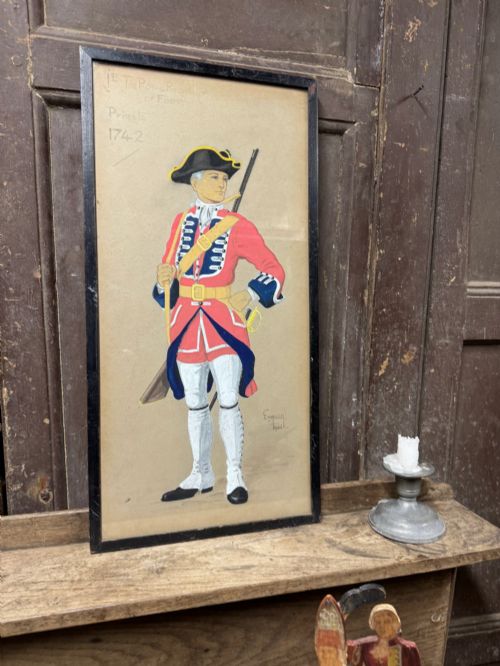
A historic framed print captures centuries of cartography, portraiture and architectural study preserved within period glass and timber.
Historic Framed Print
When you search for a historic framed print, you encounter a diverse collection of wall art, antique maps, and engravings spanning from the seventeenth century through to the early twentieth century. These works originate from British, Dutch, and European cartographers, artists, and publishers who recorded geography, notable figures, and classical architecture.
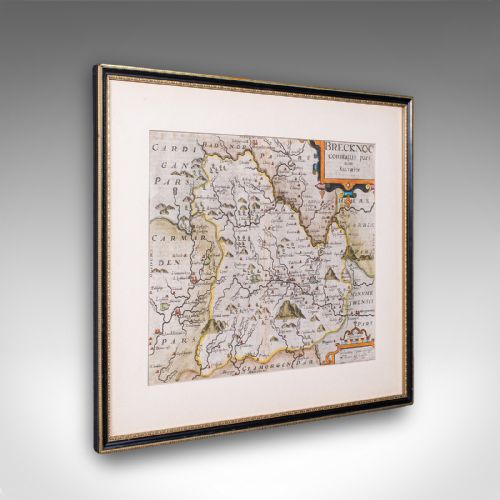
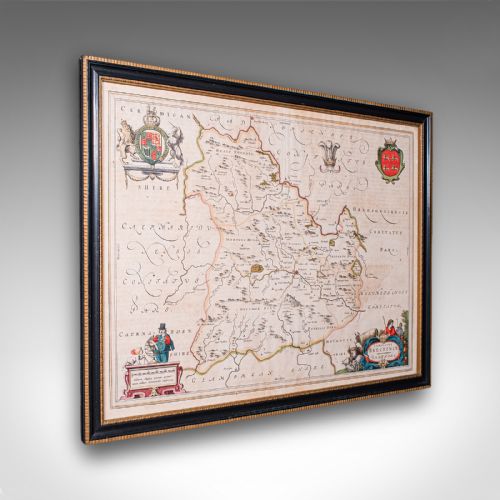
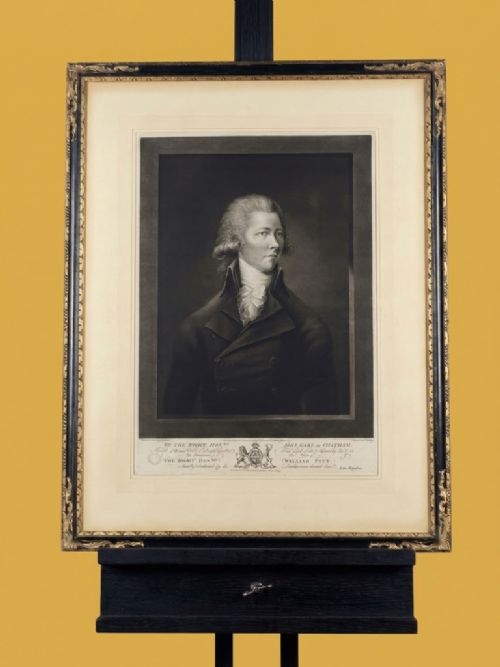
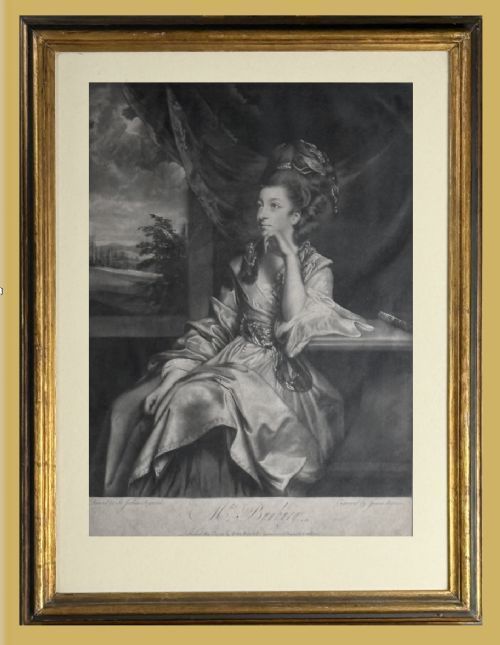
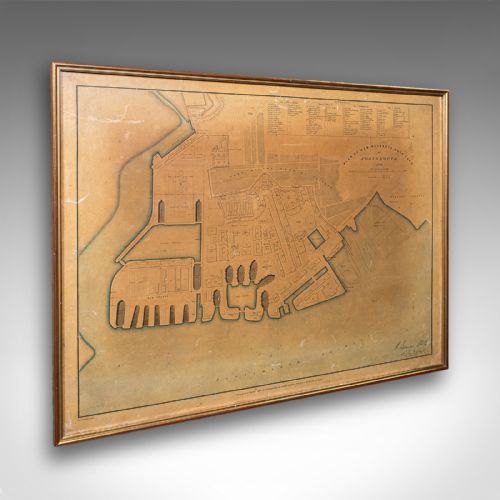
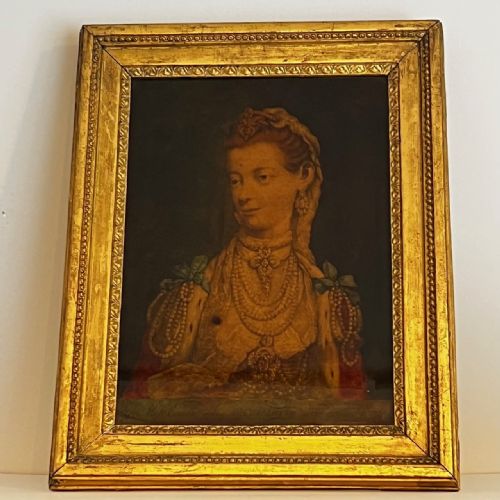
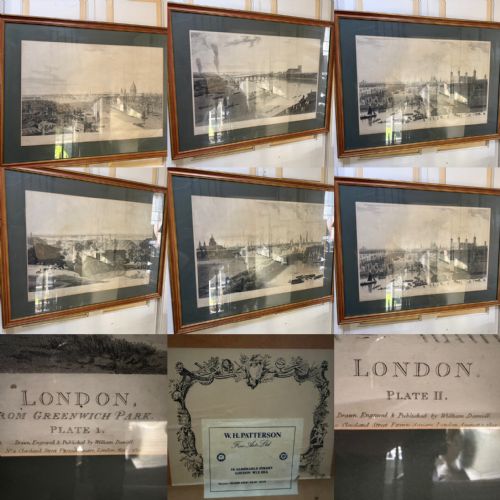
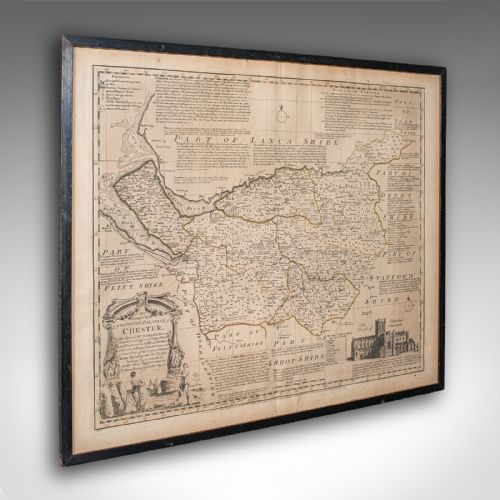
The most common pieces on this page are county maps and regional cartography produced by masters like John Speed and Joan Blaeu, alongside eighteenth-century mezzotint portraits and nineteenth-century topographical engravings. Pieces range from Jacobean dual-sided maps to Victorian watercolours, all preserved behind glass within wooden frames.
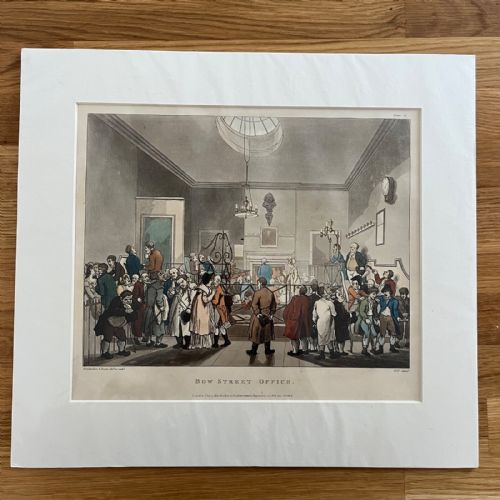
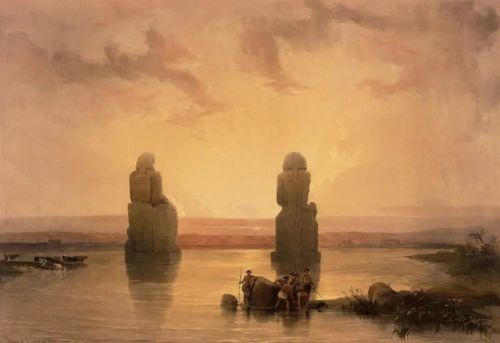
Subjects cover domestic and international geography, royal portraits after artists like Sir Joshua Reynolds, and detailed architectural drawings such as Dutch town views. Whether an early atlas engraving or a panoramic London view, each item serves as a window into historical documentation and visual culture.
Materials and construction techniques
These pieces rely upon traditional paper supports printed with ink, alongside specialist media including watercolour, silk, and wall panel fabric. Cartographic works and portraits utilise copperplate engraving, etching, and mezzotint techniques to transfer fine lines and tonal gradations onto the paper surface.
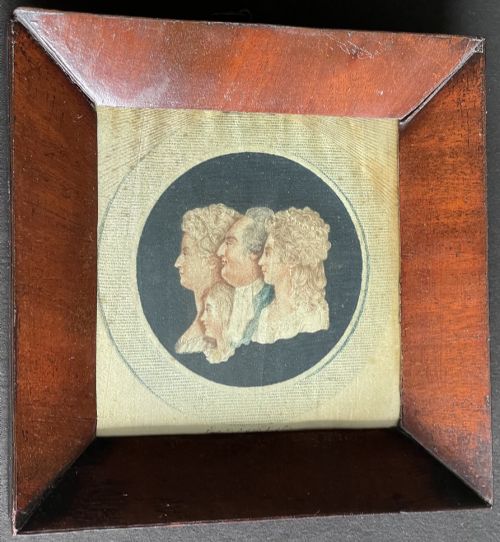
Framing materials consist primarily of wood, frequently enhanced with gold leaf or giltwood finishes to complement the artwork. Works are protected behind traditional glass panes, sometimes incorporating reverse glass printing methods as seen in eighteenth-century examples.
Historic Framed Print Retail Price Guide 2026
Typical asking prices for historic framed print among the pieces listed under this phrase on Sellingantiques today, from the lower quarter to the upper quarter. They describe what is for sale here now, not the wider market.
Factors influencing quality
Quality in these works is dictated by the clarity of the ink impression and the preservation of the paper support. Early printings from engraved copper plates yield sharper cartographic lines and richer tonal depth in mezzotint portraits than later restrikes.
The integrity of the framing materials and the retention of original colouring on maps or watercolours elevate a piece. Master printmakers and renowned cartographers command greater regard for their precision and historical significance.
Joan Blaeu·George Keating·Simon de Koster·James Watson·Sir Joshua Reynolds·David Roberts·John Speed·William Daniell·Thomas Kitchin·John Cary·Janssonius·Robert Morden·J Harrison
The Historic Framed Print Glossary
- Mezzotint
- A printmaking process of the intaglio family where the plate is roughened to produce dark tones and scraped to create light areas. This technique allowed for subtle gradations of light and shade in eighteenth-century portraiture.
- Cartography
- The study and practice of making maps, heavily represented here by antique county and regional maps. These charts often feature intricate decorative cartouches and heraldic details.
- Giltwood
- Wood that has been treated with gold leaf or gold paint to give a metallic sheen. Frames finished this way were typical for framing important portraits and maps.
- Engraving
- A printmaking method where an image is incised onto a metal plate with a cutting tool called a burin. The resulting lines hold the ink for transfer under pressure.
- Reverse glass print
- An artwork painted or printed on the reverse side of a piece of glass to be viewed from the front. This technique protected the delicate pigments from atmospheric damage.
Historic Framed Print: Frequently Asked Questions
How do I date a historic map?
Dating relies upon internal cartographic evidence, such as the spelling of place names, dedicated cartouches, and the publisher's imprint. Reference works often link specific plate editions to known operating years of the cartographer.
Paper characteristics and watermark analysis also help confirm the period of production, distinguishing original seventeenth-century issues from later impressions.
What is a mezzotint portrait?
A mezzotint is a tonal printmaking method that avoids harsh lines in favour of rich, velvety darks and smooth highlights. Eighteenth-century publishers used this technique to translate oil paintings by artists like Sir Joshua Reynolds into popular prints.
Subjects ranged from literary figures to nobility, offering households an affordable way to display sophisticated portraiture.
How should I hang these framed prints?
Historic paper and watercolour works are sensitive to direct sunlight and high humidity, which can cause fading and foxing. Hang them away from south-facing windows and moisture-prone rooms to preserve the ink and paper.
Ensure wall fixings are secure and appropriate for the weight of traditional timber and giltwood frames.
Are these maps original or modern copies?
The pieces listed derive from historical periods, including original seventeenth-century atlas engravings and eighteenth-century regional maps. Genuine antique prints show plate marks where the metal edge pressed into the paper during printing.
Examination of the paper texture, ink distribution, and framing context helps confirm authenticity against modern reproductions.