
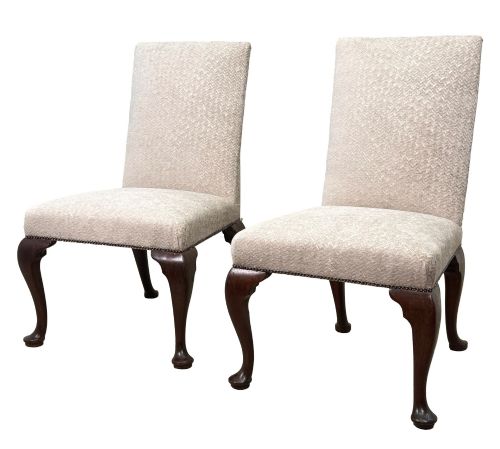
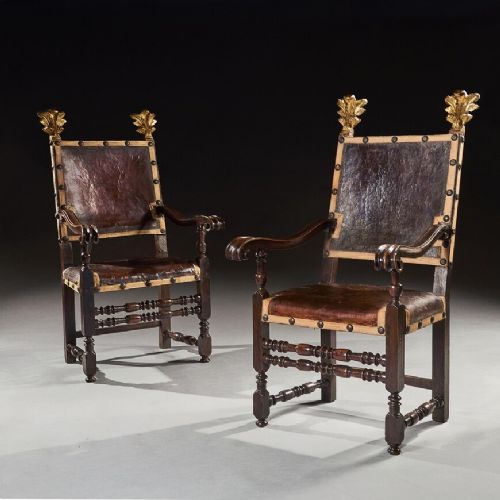

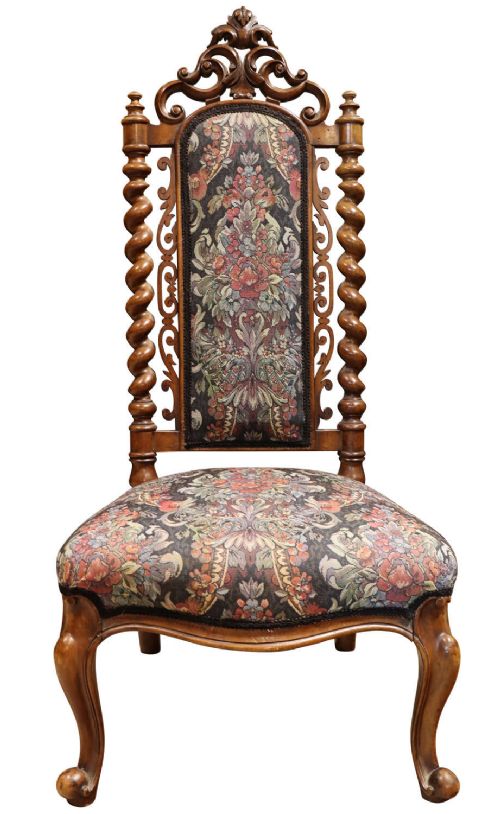
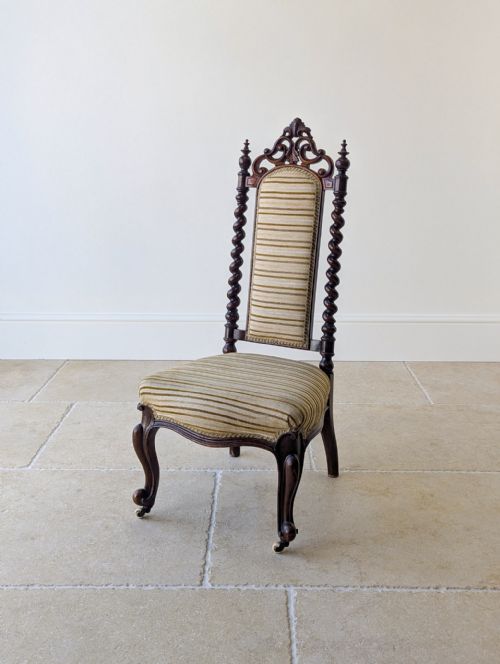


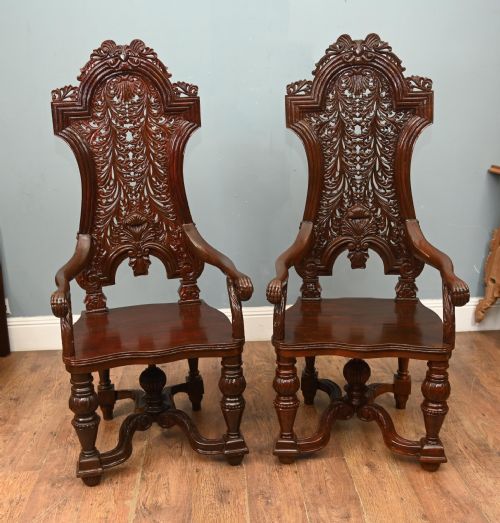
High Back Hall Chair
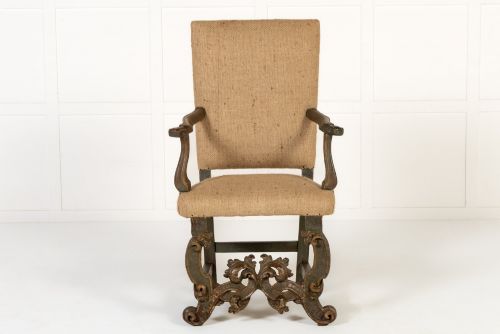
High back hall chair designs combine striking vertical presence with historical revival forms, offering functional seating rooted in centuries of craftsmanship.
High Back Hall Chair
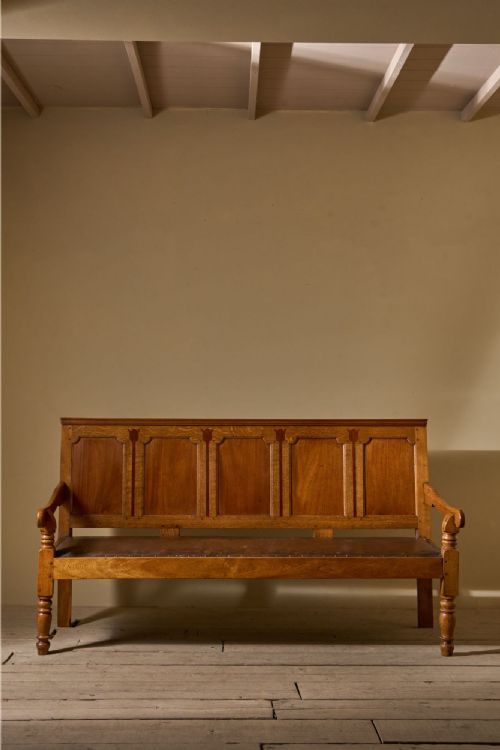
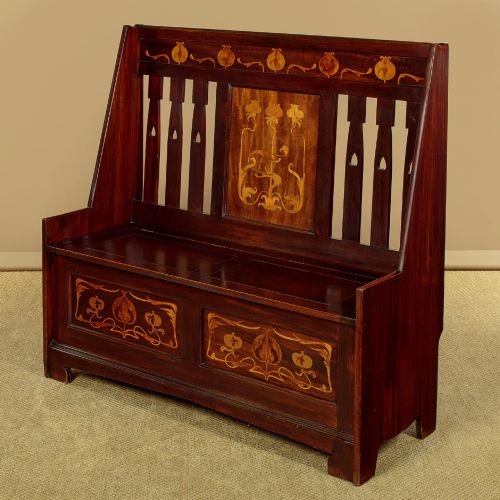
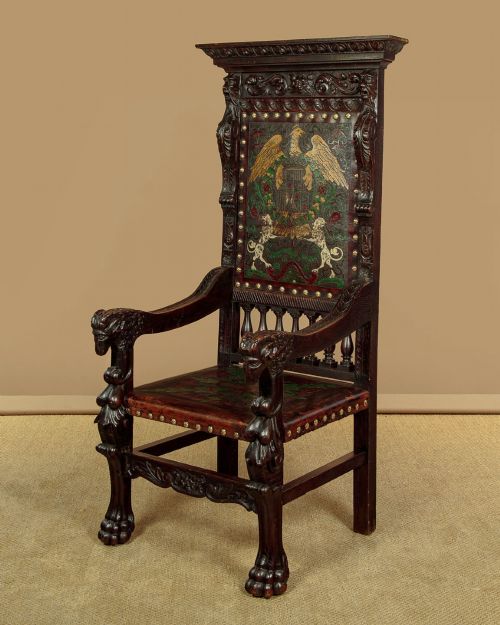
When searching for a high back hall chair, a buyer encounters a diverse group of upright seating spanning the seventeenth century through the Victorian era and the Arts and Crafts movement. These pieces range from imposing oak throne chairs to walnut side chairs and settles designed to make an architectural statement in an entrance or hallway.
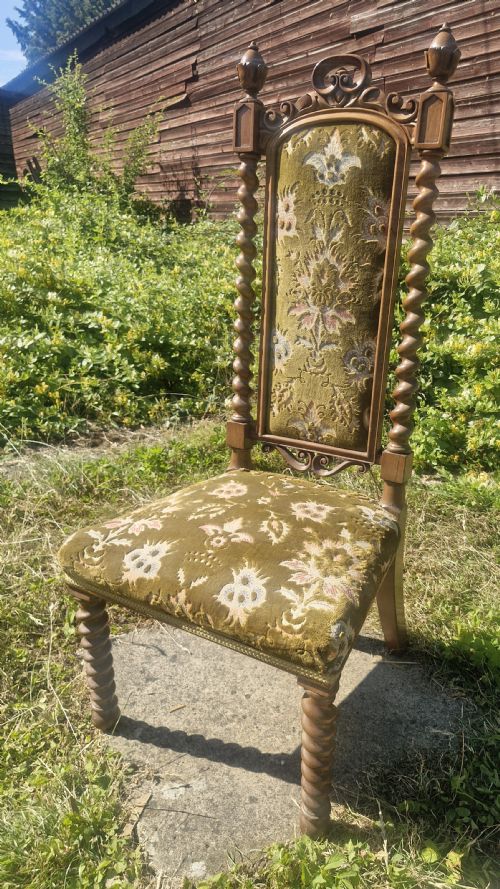
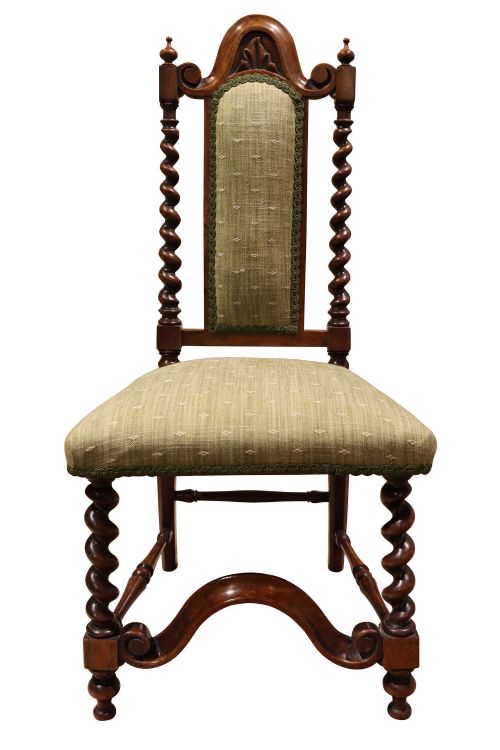
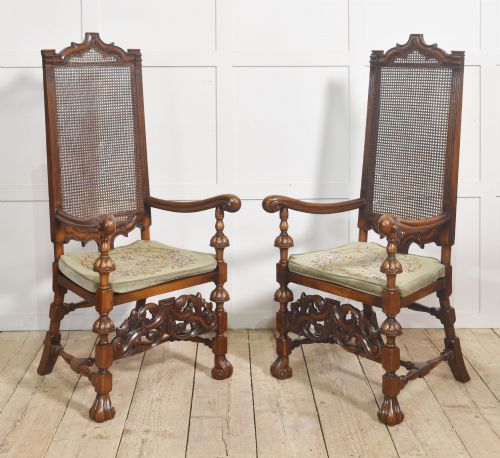
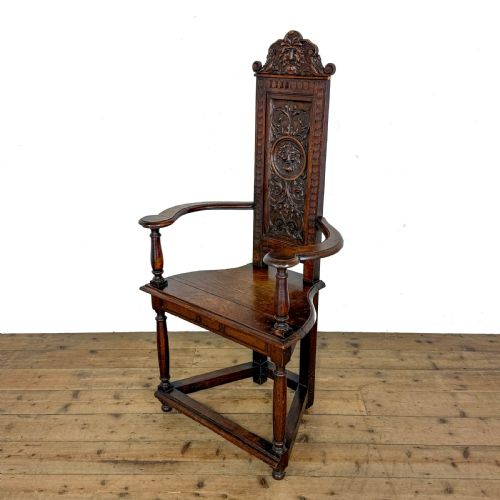
The most common examples on this page date from the Victorian period and the late nineteenth century, frequently incorporating revival styles such as Jacobean, Carolean, and Gothic Revival. Oak and walnut dominate these forms, often detailed with high relief carvings, barley twist supports, and upholstered panels of leather or tapestry.
Materials and construction methods
Cabinet makers relied primarily on solid oak and walnut for the structural framework of these high back hall chair pieces, utilising dense hardwoods capable of supporting elaborate hand-carved ornamentation. Secondary timbers such as pine and ash appear in regional variants and vernacular seating.
Joinery techniques combined traditional mortise and tenon frames with decorative elements like brass studding, turned spindle supports, and parcel-gilt highlights. Upholstery materials included tactile textiles, stamped leather panels, and woven cane inserted into high upright backs.
Listings feature oak, walnut, and mahogany frames paired with leather, cane, and textile upholstery across multiple centuries.
Factors determining the quality of execution
The distinction between standard production and exceptional quality rests in the depth and crispness of the hand carving, particularly on prominent crest rails and upright stiles. Artisans who invested time in detailed relief work, such as floral motifs or figural carvings, produced seating with greater architectural presence.
Structural integrity also separates individual examples, seen in the choice of dense quarter-sawn hardwoods and robust joinery that prevents movement in tall upright frames over centuries of use.
James Shoolbred & Co.·Waring & Gillow·Liberty & Co·A.W.N. Pugin
The High Back Hall Chair Glossary
- Stile
- The vertical upright member of a chair back that frames the central panel or upholstery. It provides the core structural support for the elevated height.
- Barley twist
- A turned wooden furniture leg or support resembling a twisted rope. This technique was widely utilised during the seventeenth century and revived during the Victorian era.
- Wainscot
- A wooden panelled backing derived from sixteenth and seventeenth-century interior wall panelling. It frequently describes solid wooden chair backs.
- Crest rail
- The horizontal top member of a chair back, often shaped, carved, or arched. It serves as the primary decorative focal point on tall seating.
- Parcel-gilt
- A decorative technique where specific carved details or highlights are partially gilded with gold leaf over a prepared base.
High Back Hall Chair: Frequently Asked Questions
How were high back hall chairs used historically?
These tall seats served primarily as formal furniture in grand entrance halls, designed to impress visitors rather than provide lounging comfort. Their elevated backs created an architectural silhouette against hallway walls while signalling the social standing of the household.
In domestic settings, they also functioned as transitional seating where guests could wait briefly before entering the main reception rooms of the house.
Are high back hall chairs comfortable to sit in?
Most historic examples prioritize upright posture and visual authority over ergonomic lounging. The rigid vertical backs and shallow wooden or leather seats reflect the formal etiquette of earlier centuries.
Upholstered variants or those featuring padded leather panels offer a slightly softer experience, though they remain distinct from modern lounge seating.
How can I distinguish a 17th-century chair from a Victorian revival piece?
Examining the timber preparation, tool marks, and construction wear provides key clues to dating. Seventeenth-century originals typically display hand-riven oak with irregular tool signatures and pegged mortise joints that age organically.
Victorian revival pieces often utilise machine-sawn components, standardised screws, and stylised carving interpretations that reflect nineteenth-century aesthetic preferences rather than authentic period joinery.
What maintenance do antique wood and leather chairs require?
Preserving these pieces involves maintaining stable indoor humidity levels to prevent the timber from splitting or warping. Regular dusting with a soft, dry cloth protects the carved surfaces without introducing moisture.
Leather panels benefit from occasional specialised conditioning to keep the material supple and prevent cracking along the stress points of the frame.