




High Back Cane Armchair
A high back cane armchair brings historic presence to a room, offering upright support through woven panels and carved timber frames.
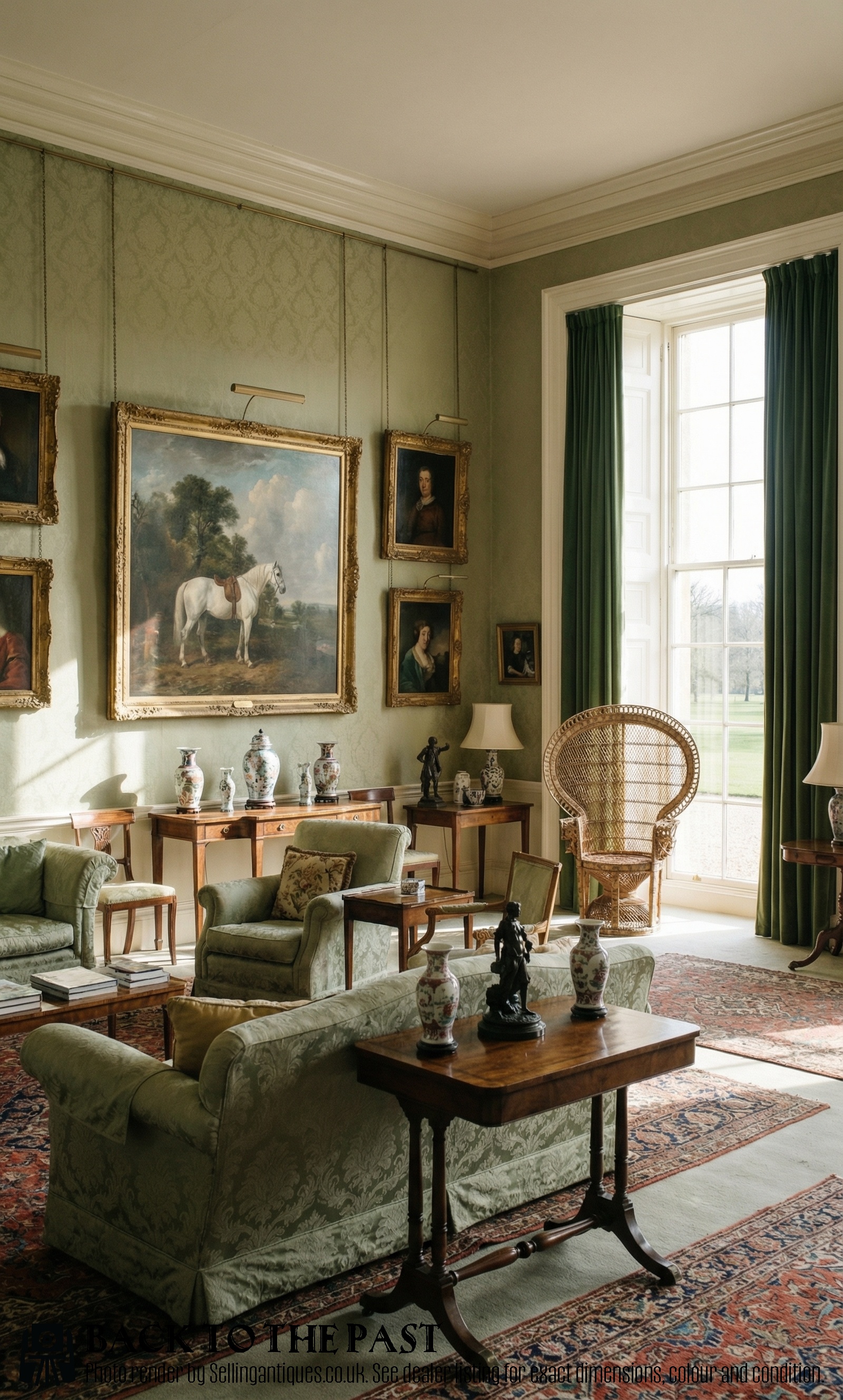
High Back Cane Armchair
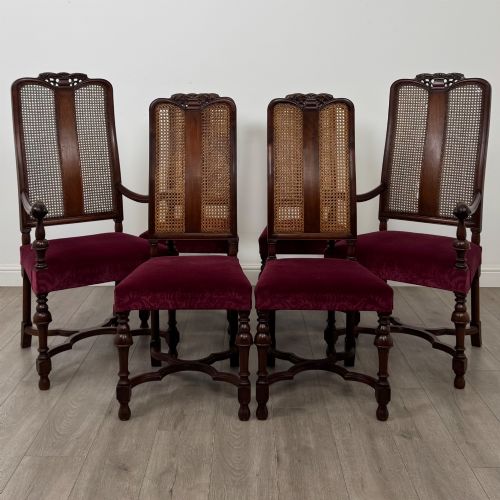
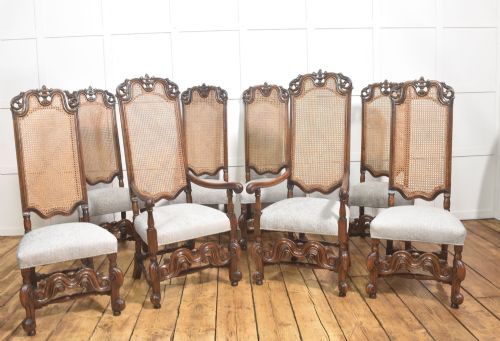
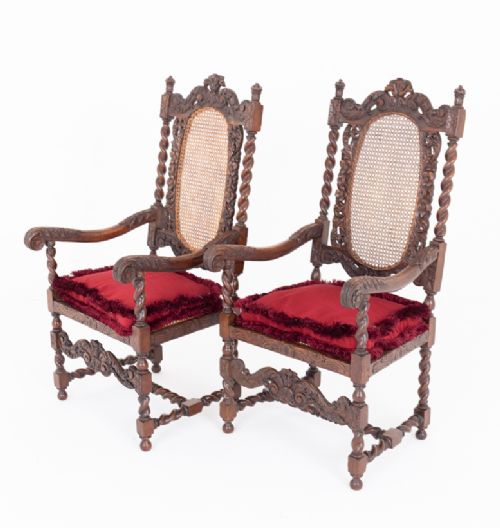
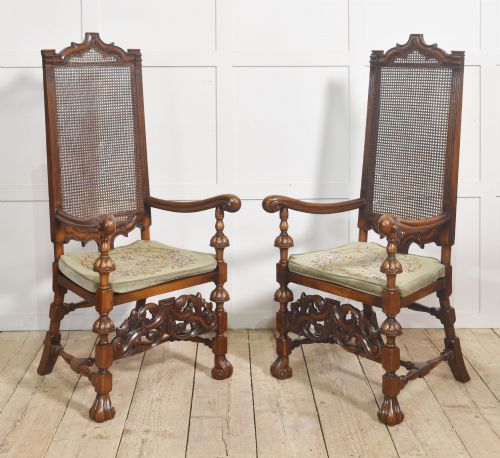
A high back cane armchair draws immediate attention for its tall silhouette and woven seating surfaces, combining structural timber with pliable plant materials. Buyers searching for a high back cane armchair frequently encounter seventeenth-century originals alongside later revival pieces produced during the Victorian and Edwardian eras.
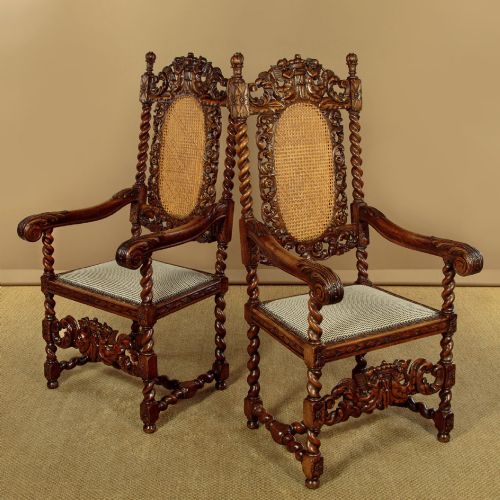
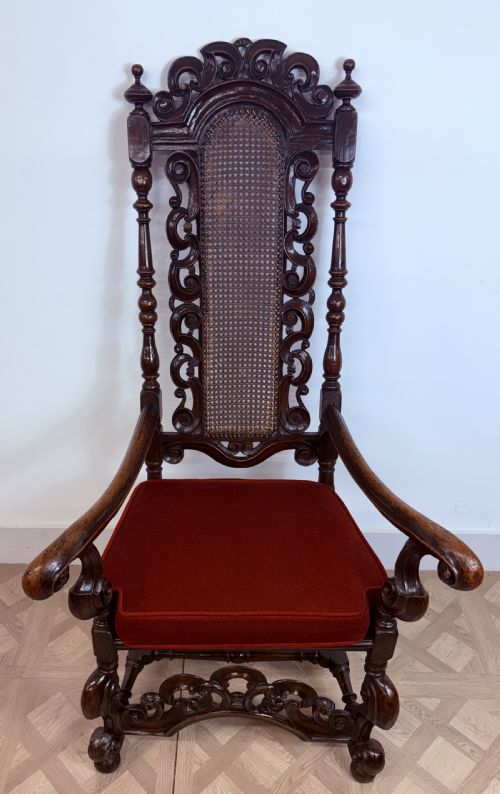
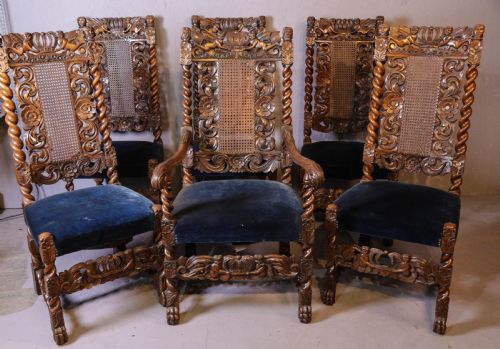
The selections span distinct periods and regional workshops, featuring walnut and oak frames built in Carolean, Jacobean, and Arts and Crafts styles. Armchairs and dining chairs dominate the available forms, often displaying elaborate crest rails and turned supports.
Early seventeenth-century examples sit alongside twentieth-century iterations, including marked pieces by notable English makers. This mix allows a buyer to select between genuine antiquity and later stylistic interpretations.
Materials and construction methods
Makers utilised dense hardwoods such as walnut, oak, and mahogany for the structural frames, carving deep relief patterns into the crest rails and stretchers. These timbers provide the rigid skeleton necessary to support the tension of woven seating.
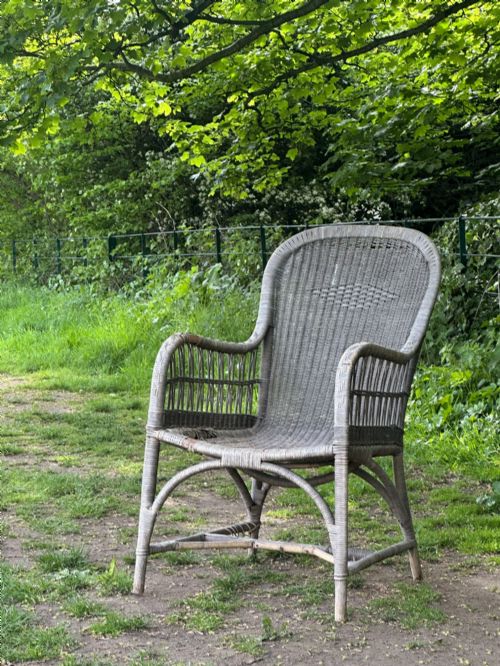
Cane, rattan, and willow supply the flexible webbing for the backs and seats, threaded by hand through drilled frame channels. Secondary materials like velvet, fabric, and painted finishes appear on specific revival and twentieth-century lounge variations.
Listings include oak and walnut pieces spanning from the seventeenth century through to the nineteen-twenties.
Assessing quality in construction and material
Quality rests upon the crispness of the timber carving and the structural integrity of the joinery within the tall frame. Heavy hand-carved walnut and oak command greater attention than lighter beech or simulated alternatives.
The tightness and uniformity of the cane weaving dictate the longevity of the back and seat panels. Original dry cane panels that remain unbroken demonstrate careful preservation compared to modern replacements.
Dryad of Leicester·Birchcraft High Wycombe
The High Back Cane Armchair Glossary
- Cane
- Material woven from stripped rattan plants to create breathable panels for seating and backs. It offers flexibility while maintaining tensile strength under weight.
- Carolean
- A seventeenth-century English style associated with the reign of Charles II, characterised by rich walnut frames and scrollwork. Revival versions reappear frequently in later centuries.
- Crest rail
- The topmost horizontal member of a chair back, often heavily carved with scrolls, crowns, or floral motifs. It serves as a primary decorative focal point.
- Stretcher
- A horizontal timber connecting the legs of a chair to provide structural rigidity. Turned stretchers frequently help date seventeenth-century seating.
High Back Cane Armchair: Frequently Asked Questions
How do I care for antique cane?
Keep cane panels hydrated by occasionally wiping them with a damp cloth to prevent the natural fibres from becoming brittle.
Avoid placing these chairs near direct heat sources or in overly dry rooms, which accelerates material degradation.
Are these chairs comfortable for daily use?
The high backs offer substantial upper body support, though the upright posture differs from modern lounge seating. Many period examples function well as desk or reading chairs.
Twentieth-century variations, particularly those by modernist makers, introduce relaxed lounge proportions suited to prolonged sitting.
How do I distinguish seventeenth-century originals from later revivals?
Original pieces display authentic tool marks, oxidised timber patination, and frame construction techniques consistent with seventeenth-century joinery. Wear patterns around the handholds and footrests provide clues to age.
Revival pieces from the Victorian and Edwardian periods often utilise machine-sawn timber elements and standardised turnings characteristic of nineteenth-century production.
What is a Carolean style armchair?
A Carolean style armchair replicates the ornate aesthetics of the late seventeenth-century Restoration period. These chairs feature pierced carved crest rails, barley-twist legs, and tall caned back panels.
Revival versions produced around nineteen hundred often adopt these exact design signatures using mature walnut timber.