


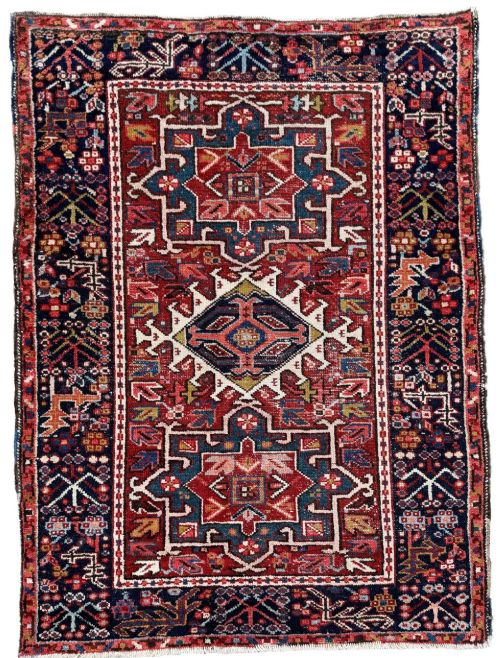
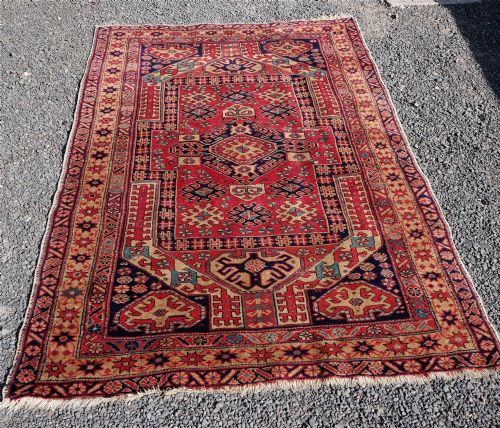
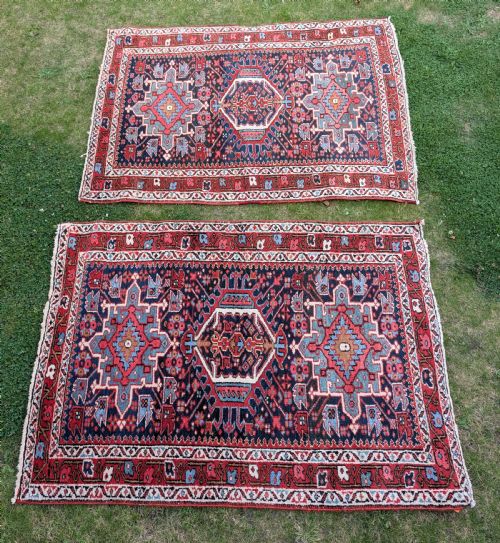
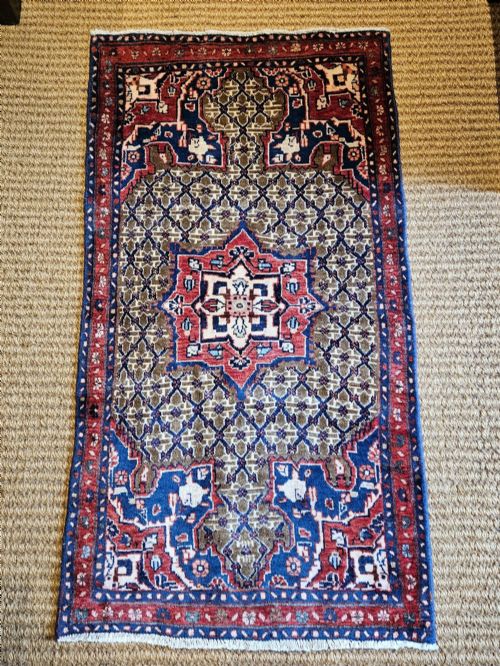


Heriz Wool Area Rug
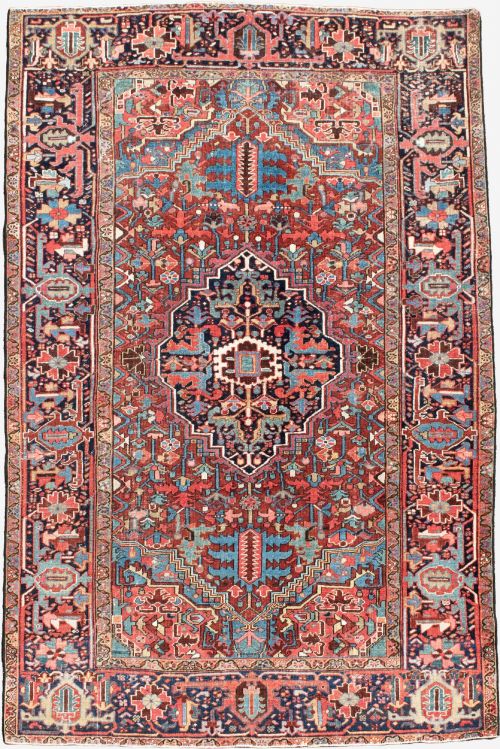
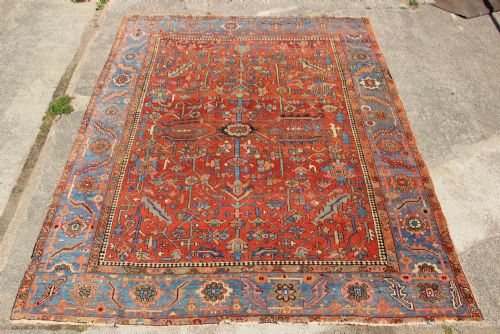
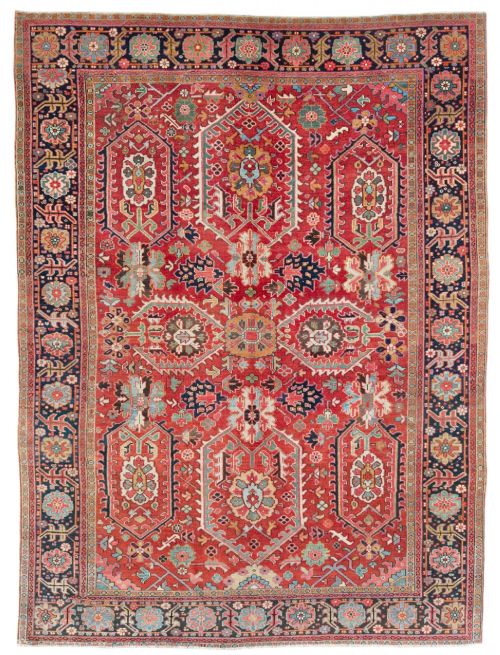
A heriz wool area rug brings strong geometric design and robust Persian craftsmanship into a room.
Heriz Wool Area Rug
A heriz wool area rug originates from north-west Persia, taking its name from the town and region known for producing sturdy floor coverings. These pieces span from the late nineteenth century through to the early decades of the twentieth century, including periods such as eighteen eighty and nineteen twenty.
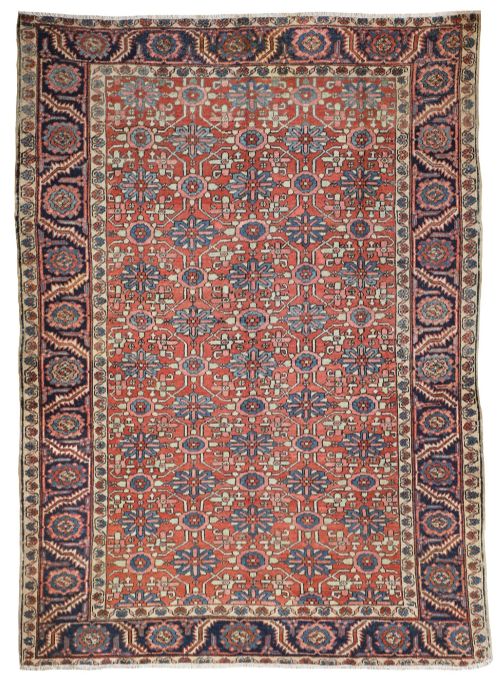
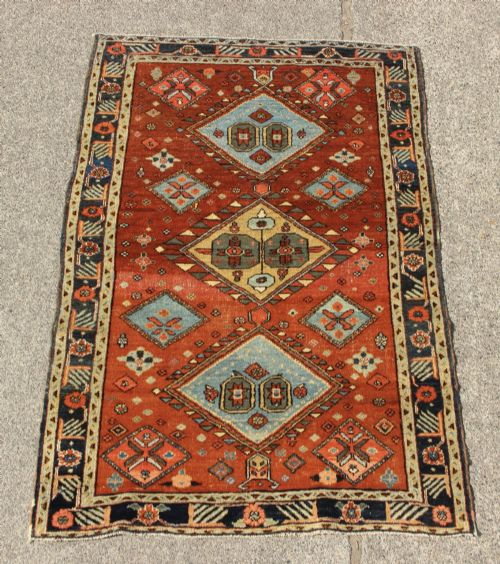
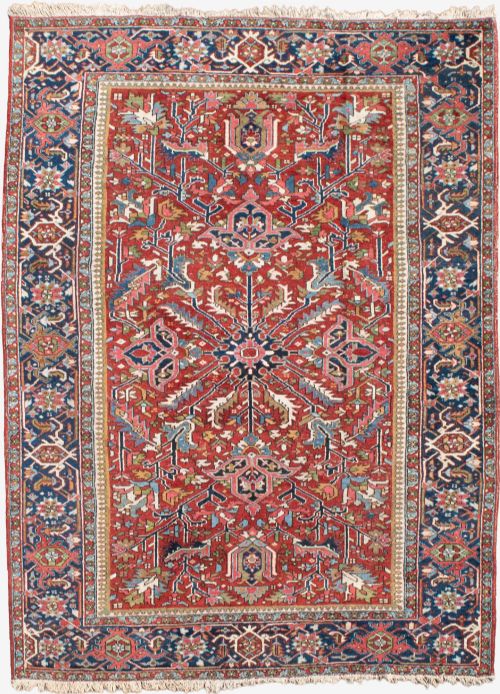
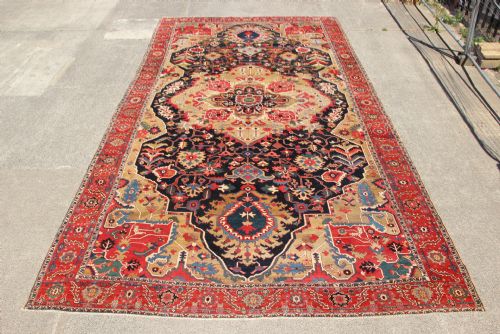
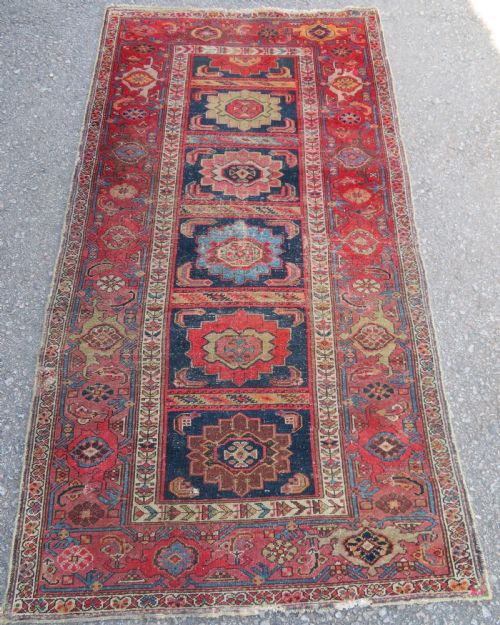
The selections on this page appear in various formats, from hearth-sized small rugs to very large carpets measuring over six metres in length. Buyers frequently encounter traditional Persian styles alongside related regional weaving traditions like Karaja, Bakshiash, and Serapi.
Many examples showcase distinctive large-scale medallion patterns or all-over designs set against grounds of sky blue, ivory, or deeper tones. They serve as practical, heavy-duty floor coverings designed to anchor traditional and eclectic interiors alike.
How They Were Made
Weavers constructed these carpets using hand-spun wool for the pile, providing a thick and resilient surface that withstands heavy foot traffic. Foundations commonly rely on cotton warps, giving the rugs structural stability and crisp definition to the geometric motifs.
The production involved traditional hand-weaving techniques passed down through generations in Persian workshops and villages. Natural dyes yielded the enduring colour palettes seen across the nineteenth and early twentieth-century examples.
Village weavers often worked from memory rather than drawn cartoons, letting each rug evolve its own charming geometric quirks.
What Varies in Quality
The fineness of the knotting and the complexity of the geometric drawing distinguish the standard of individual pieces. Examples categorised as Serapi often display particularly bold and open drawing, while standard Heriz carpets present denser, more intricate corner spandrels and central medallions.
The vibrancy and condition of the wool pile significantly influence the visual impact of each rug. Uniformity in the hand-spun wool and the preservation of original saturated dye colours separate ordinary room-size carpets from exceptional collector pieces.
The Heriz Wool Area Rug Glossary
- Heriz
- A style of Persian carpet originating from the north-west region, known for bold geometric medallions and durable wool construction. These rugs date across the nineteenth and twentieth centuries.
- Serapi
- A sub-type of Heriz carpet often produced in the nineteenth century, characterised by a more spacious and relaxed geometric design. Collectors prize these for their artistic layout.
- Karaja
- A village weaving tradition from the same region as Heriz, typically found in smaller format rugs and runners with distinct tribal medallion layouts.
- Warp
- The vertical threads stretched on the loom that form the structural foundation of the rug, commonly made from cotton in these Persian pieces.
- Spandrels
- The triangular corner areas framing the central field or medallion in a traditional Persian carpet design.
Heriz Wool Area Rug: Frequently Asked Questions
How do I clean a heriz wool rug?
Vacuum gently without a rotating brush roll to remove loose dirt from the wool pile without damaging the foundation.
Professional specialist cleaning is recommended for deep washing to protect the natural dyes and hand-spun fibres.
Where were heriz rugs made?
These rugs were produced in the town of Heriz and surrounding villages in north-west Persia during the nineteenth and twentieth centuries.
The region developed a reputation for sturdy floor coverings suited to heavy domestic use.
What is the difference between a heriz and a serapi carpet?
Serapi carpets represent an earlier, finer subset of Heriz weaving typically seen in nineteenth-century pieces, featuring more open and spacious geometric compositions.
Standard Heriz carpets generally exhibit denser, more intricate floral and geometric detailing across the central field.
Are these rugs suitable for high traffic areas?
The dense hand-spun wool pile and sturdy cotton foundations make these carpets exceptionally durable for busy living spaces.
Proper placement over a quality rug underlay helps reduce friction and extends the working life of the textile.