


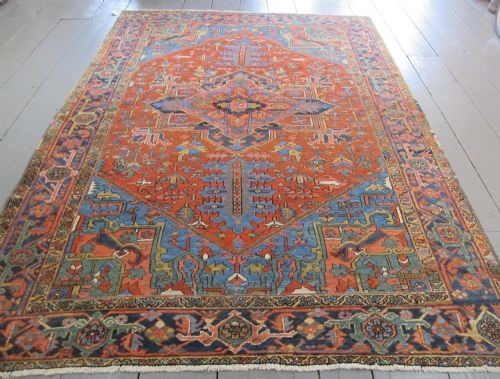
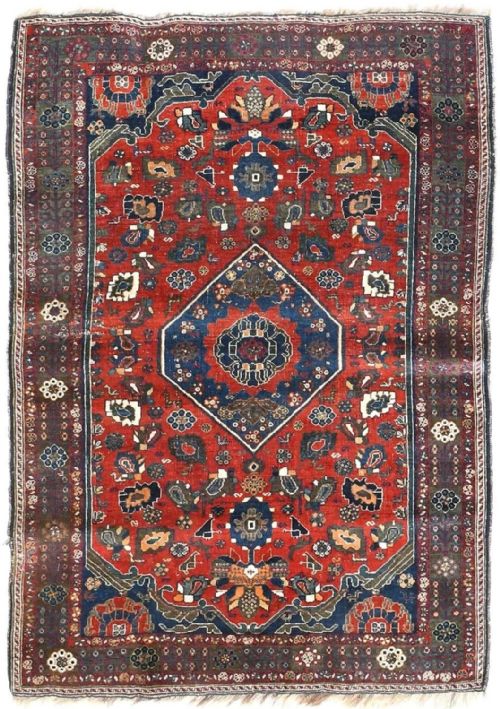
Heriz Medallion Wool Rug
A heriz medallion wool rug brings robust geometry and rich vegetable tones to a floor, offering durable village craftsmanship from north-west Persia.
Heriz Medallion Wool Rug
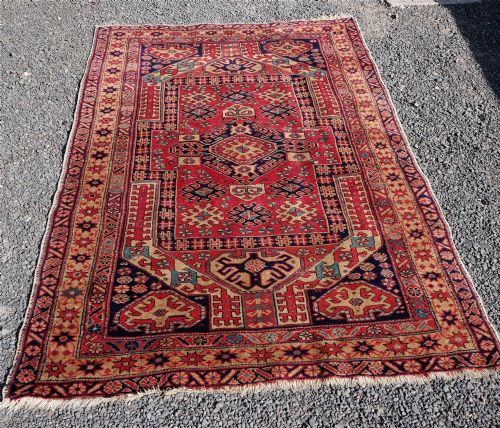
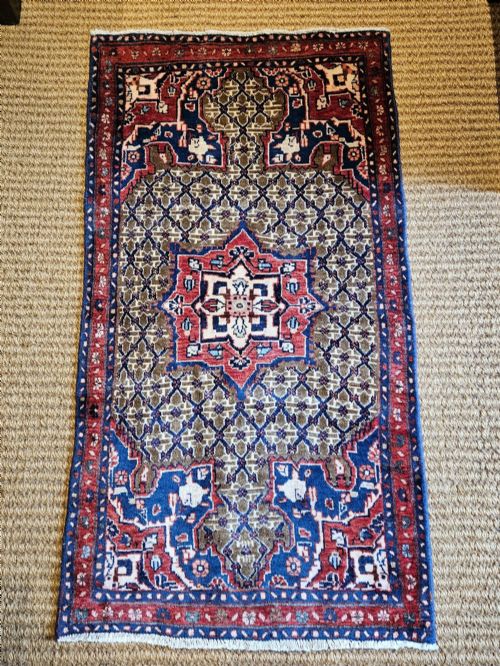
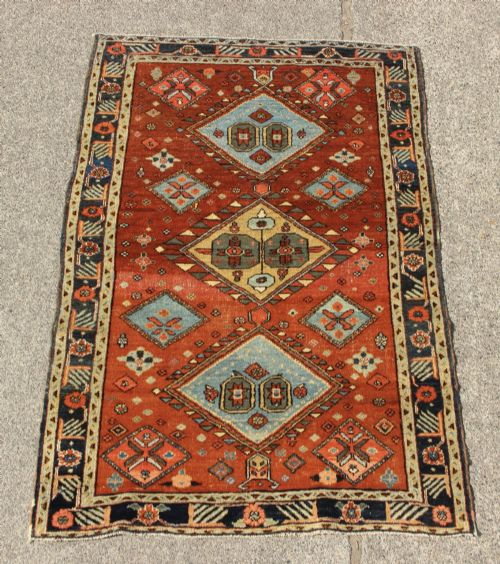
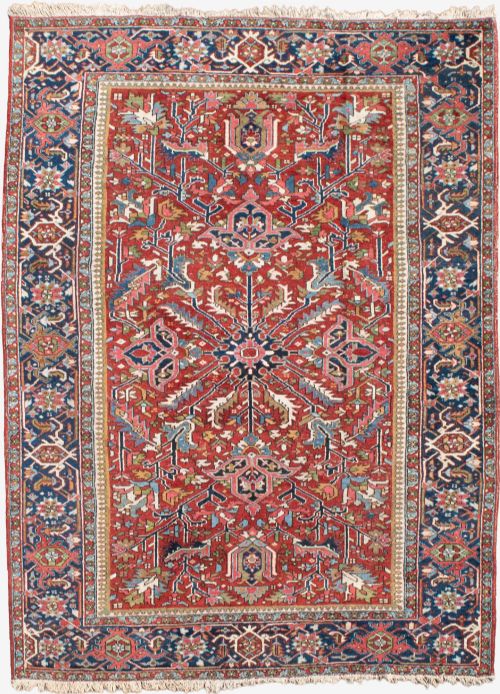
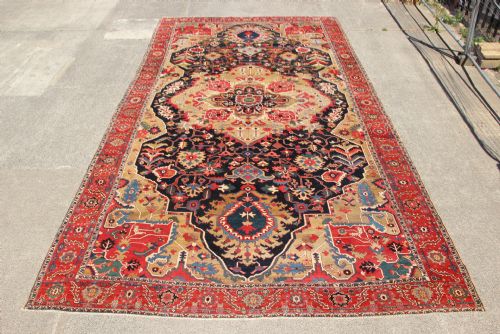
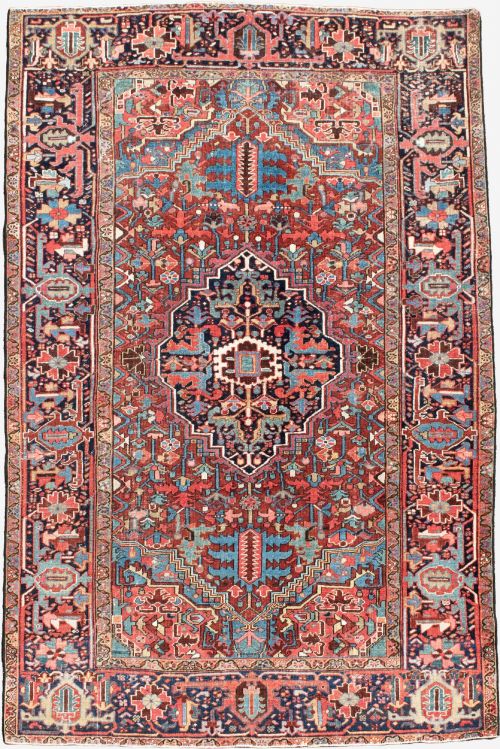
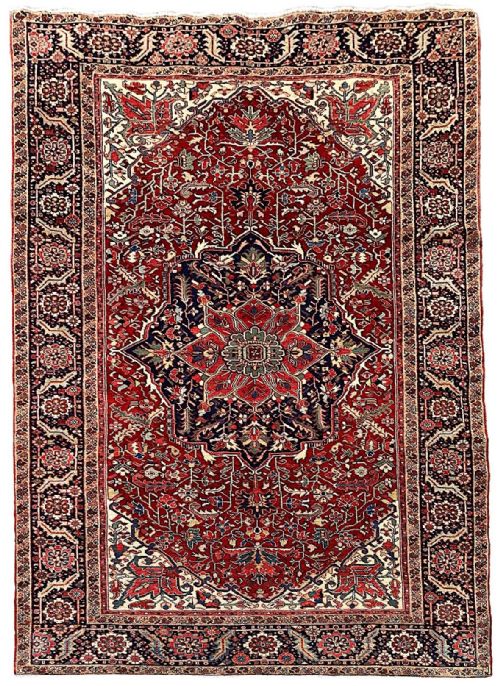
A heriz medallion wool rug anchors a room with a bold central motif surrounded by geometric corners and sturdy borders. These pieces originate from north-west Persia and span production from the mid-nineteenth century into the early twentieth century.
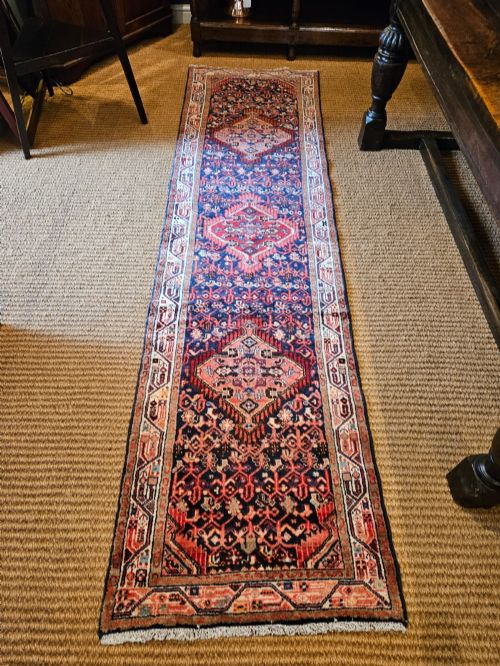
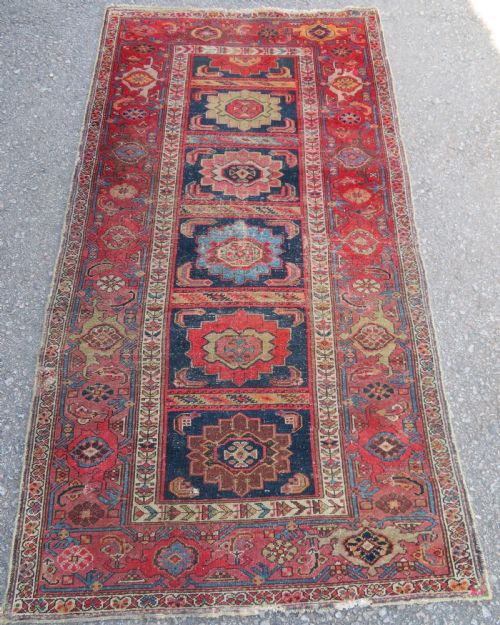
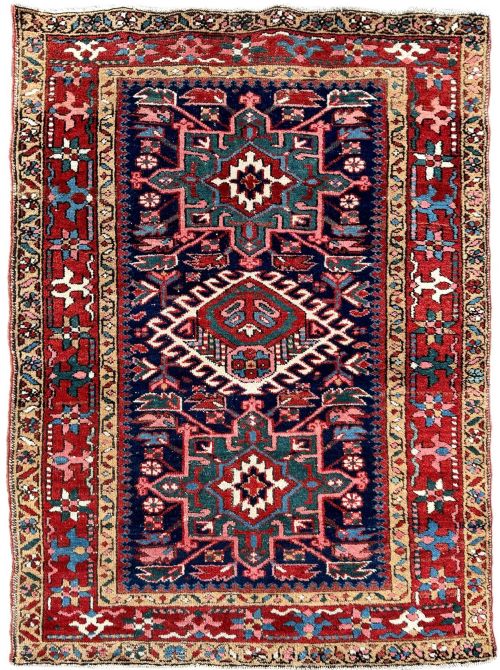
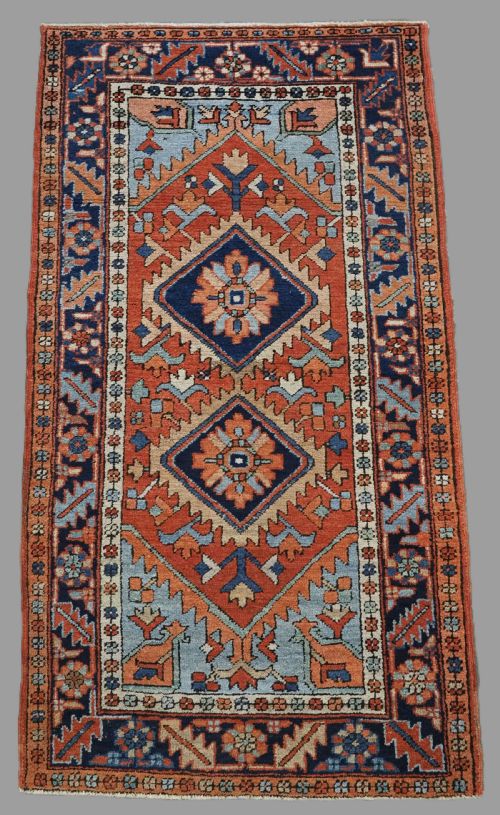
The inventory on this page ranges from compact hearth-sized mats and narrow runners to large carpets stretching over six metres. Alongside classic Heriz formats, related village pieces from the Serapi, Karaja, and Bakshaish regions appear frequently.
Most examples date between eighteen eighty and nineteen twenty, representing a period of traditional village weaving that prioritised resilience and striking graphic layout. Buyers encounter various formats, from square room-sized carpets to elongated runner rugs.
Materials and Construction
Construction relies on hand-spun wool pile knotted tightly onto sturdy cotton warp foundations, ensuring a heavy handle and firm foundation. This combination yields a dense, resilient textile capable of withstanding heavy daily use.
Dyers utilised natural vegetable sources to achieve deep terracotta, indigo, and ivory tones that soften gracefully over decades. The weave employs symmetrical Turkish knots tied by hand across village workshops and domestic looms.
Village weavers often incorporated tiny accidental asymmetries into the corners, proving human hands guided every knot.
Evaluating Quality
Quality rests primarily in the crispness of the geometric drawing within the central medallion and spandrels. Finer examples display precise execution of intricate motifs with balanced proportions across the field.
The depth and vibrancy of the natural dyes heavily influence the visual impact, alongside the overall handling of the wool pile. Condition and pile retention also dictate the longevity and textural integrity of each individual carpet.
The Heriz Medallion Wool Rug Glossary
- Medallion
- The prominent central ornamental design element found in the field of the rug. It serves as the primary focal point of the geometric composition.
- Warp
- The vertical foundation threads running lengthwise from fringe to fringe. Cotton warp provides structural stability and keeps the rug flat.
- Serapi
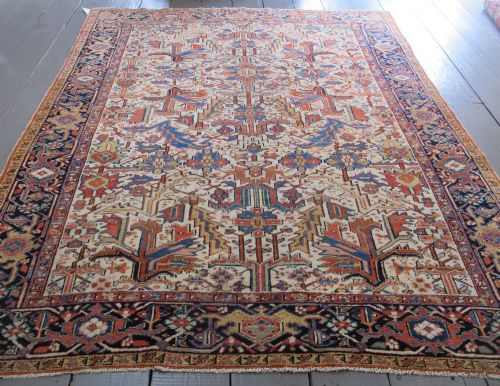
- A sub-style associated with older Heriz carpets, typically characterised by a more open design and a softer, artistic palette. These pieces generally date to the nineteenth century.
- Karaja
- A neighbouring village style known for smaller formats and repeated geometric figures or small medallions. They share regional materials with Heriz production.
- Spandrels
- The triangular corner ornaments situated in the four angles outside the central field. They balance the geometry of the main medallion.
Heriz Medallion Wool Rug: Frequently Asked Questions
How do I clean a wool rug?
Regular gentle vacuuming without a beater bar removes loose surface grit before it settles into the wool foundation. Professional specialist washing is recommended periodically to protect the natural dyes and fibres.
Avoid harsh chemical spot cleaners or excessive moisture, which can damage the cotton warp and wool pile. Prompt blotting with a clean cloth manages accidental spills safely.
Are these carpets durable enough for hallways?
The dense hand-spun wool pile and sturdy cotton foundations make these pieces exceptionally resilient against heavy foot traffic. Narrower formats and runners suit high-use corridors and entryways.
Proper underlays help absorb impact and prevent slipping on smooth wooden or tiled floors. This extra layer extends the active lifespan of older village weaves.
How can I tell a Serapi from a Heriz?
Serapi pieces generally feature a slightly earlier nineteenth-century aesthetic with a more open field and calmer drawing. The palette often incorporates softer terracotta and expansive ivory sections.
Standard Heriz carpets tend to show bolder, denser geometric detailing and slightly later production dates spanning into the twentieth century. Both share the same regional weaving roots in north-west Persia.
Will the colours match modern interiors?
The vegetable dyes used in these rugs produce earthy terracotta, rich blues, and muted ivory tones that complement contemporary furnishings. Natural ageing softens the palette so that the textiles integrate harmoniously into neutral or colourful rooms.
Placing the rug in indirect natural light highlights the subtle variations in the wool without overwhelming the space. The graphic geometry provides a strong grounding element for minimalist or traditional decor.