

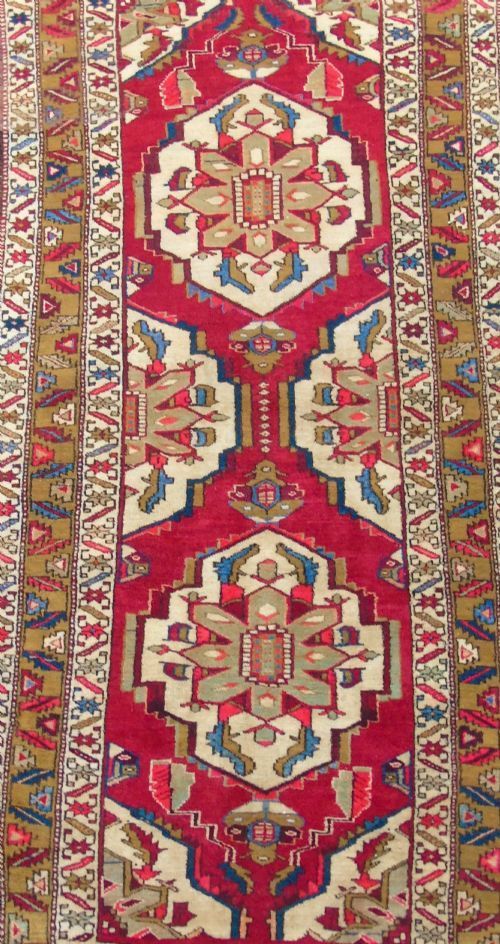
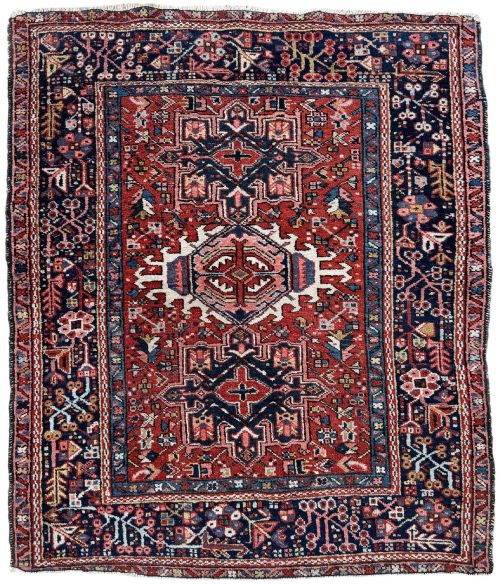
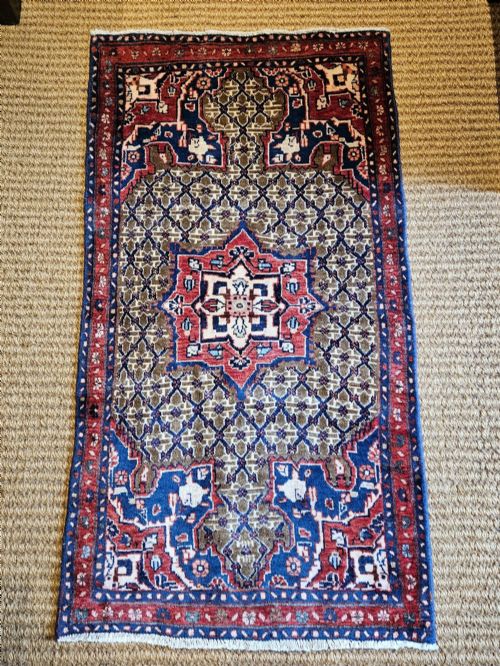
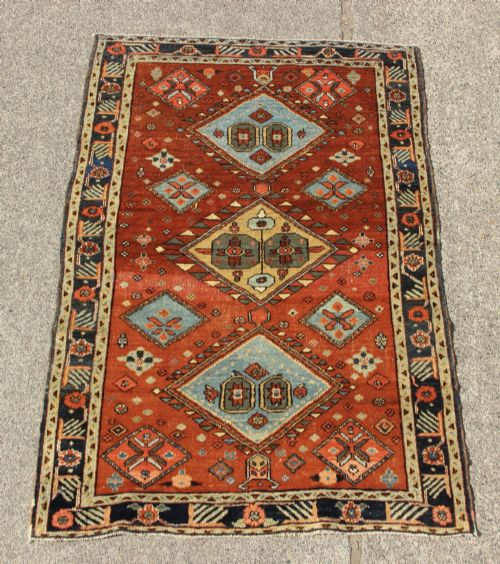


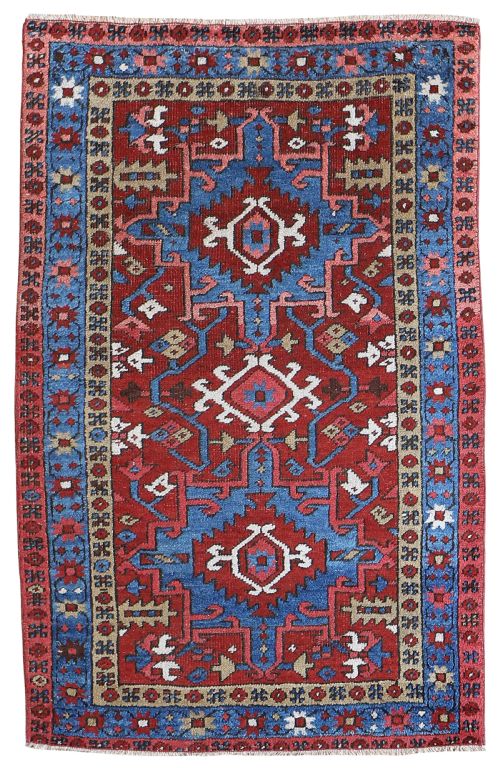


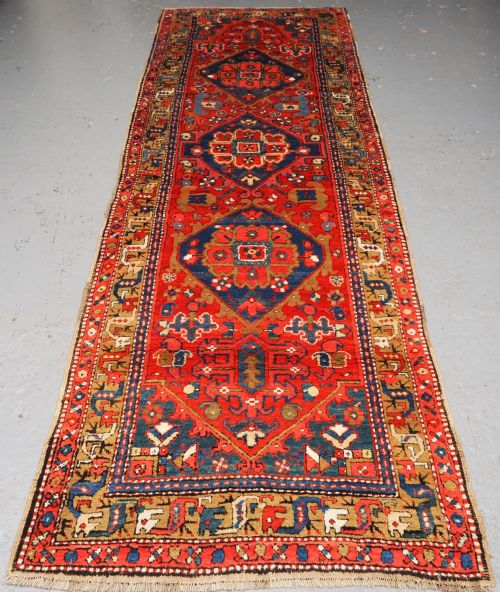

Heriz Medallion Runner
A heriz medallion runner brings striking geometric design to a long hallway, offering durable wool construction tied to Persian traditions.
Heriz Medallion Runner
When searching for a heriz medallion runner, a buyer encounters long, narrow Persian floor coverings created for hallways and galleries. These items emerge from northwest Persia, displaying distinctive central medallions framed by geometric corners and structured borders.
The pieces on this page span from the late nineteenth century into the early decades of the twentieth century. Alongside traditional Heriz weaves, the selection includes related regional formats such as Karaja and Serapi designs.
Runners appear in various narrow dimensions alongside smaller hearth rugs and area carpets. The core aesthetic relies on robust geometric motifs rather than flowing floral curves, distinguishing these runners within Persian textile traditions.
How they were made
Weavers constructed these runners using wool pile knotted tightly onto cotton foundations. This pairing provided the structural stability required for heavy daily use in busy corridors.
Natural dye materials produced the rich terracotta, navy, and ivory tones seen across the pieces. Artisans tied symmetrical knots by hand, creating dense pile surfaces designed to withstand generations of foot traffic.
Heriz Medallion Runner Retail Price Guide 2026
Typical asking prices for heriz medallion runner among the pieces listed under this phrase on Sellingantiques today, from the lower quarter to the upper quarter. They describe what is for sale here now, not the wider market.
Listings span production dates from the 1870s through the 1920s, constructed entirely from wool and cotton materials.
What varies in quality
Knot density and wool quality determine the foundational integrity of each runner. Finer knots permit crisper geometric detailing within the central medallion and border systems.
The vibrancy and saturation of the natural dyes influence visual appeal. Examples retaining rich, unfaded colour palettes and intact original selvedges sit at the upper end of the range.
The Heriz Medallion Runner Glossary
- Medallion
- A large central ornamental motif set in the middle of the carpet field. It usually takes a prominent geometric or polygonal shape in this regional group.
- Runner
- A long, narrow rectangular format suited for corridors, stairs, and hallways. Dimensions typically exceed three metres in length while maintaining a narrow width.
- Selvedge
- The reinforced outer edge of a rug formed by wrapping lateral warp threads. Original selvedges indicate that the textile retains its initial dimensions.
- Pile
- The vertical or slanted wool threads that form the usable surface of the rug. Knot tension and wool grade dictate how this surface wears over time.
- Warp
- The foundational vertical cotton threads stretched across the loom before knotting begins. Visible warp threads often show at the fringe ends of older pieces.
Heriz Medallion Runner: Frequently Asked Questions
Where were these runners made?
These runners originate from northwest Persia, specifically towns and villages in the Heriz and Karaja districts.
Local workshops adapted traditional nomadic geometric patterns into large-scale room carpets and elongated hallway runners.
How do I care for an old wool runner?
Protect the wool pile by placing a breathable, non-slip underlay beneath the runner to prevent sliding and friction.
Vacuum gently using suction attachments without rotating brush bars, and arrange professional textile cleaning when required.
What is the difference between Heriz and Karaja?
Heriz pieces generally feature bolder, larger-scale geometric medallions and more monumental proportions suited to grand spaces.
Karaja carpets and runners often present tighter, repetitive geometric motifs within smaller overall formats.
How do I date an antique runner?
Dating relies on assessing material wear, dye characteristics, structural construction, and regional design evolution across decades.
Items from the late nineteenth century often display softer wool patination and specific natural dye combinations distinct from later production.