






Red Heriz Runner Carpet
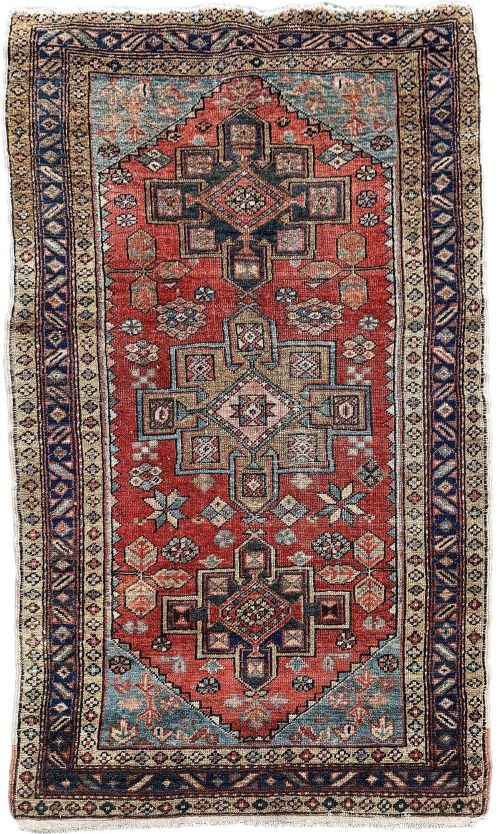
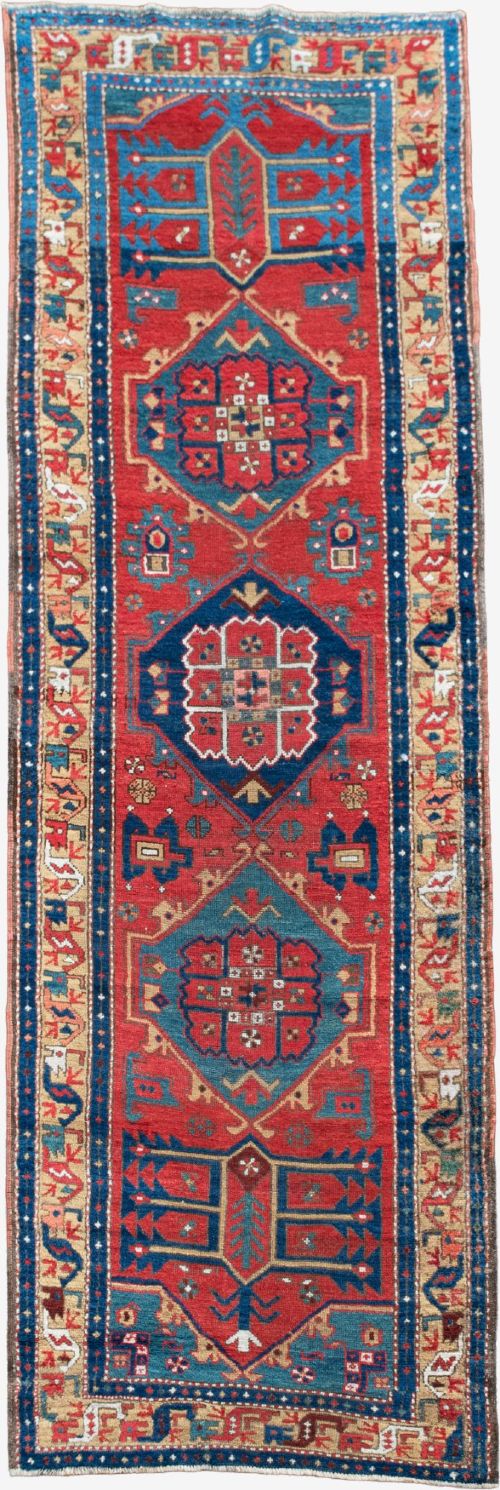
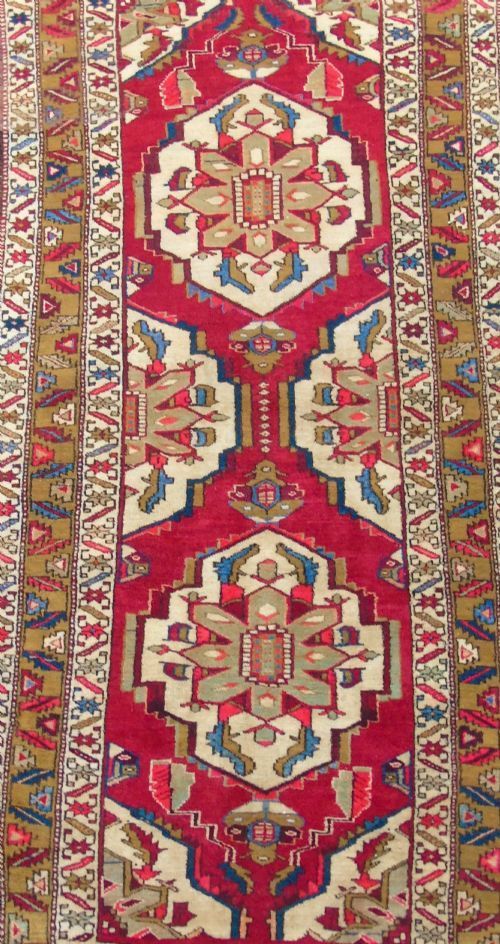
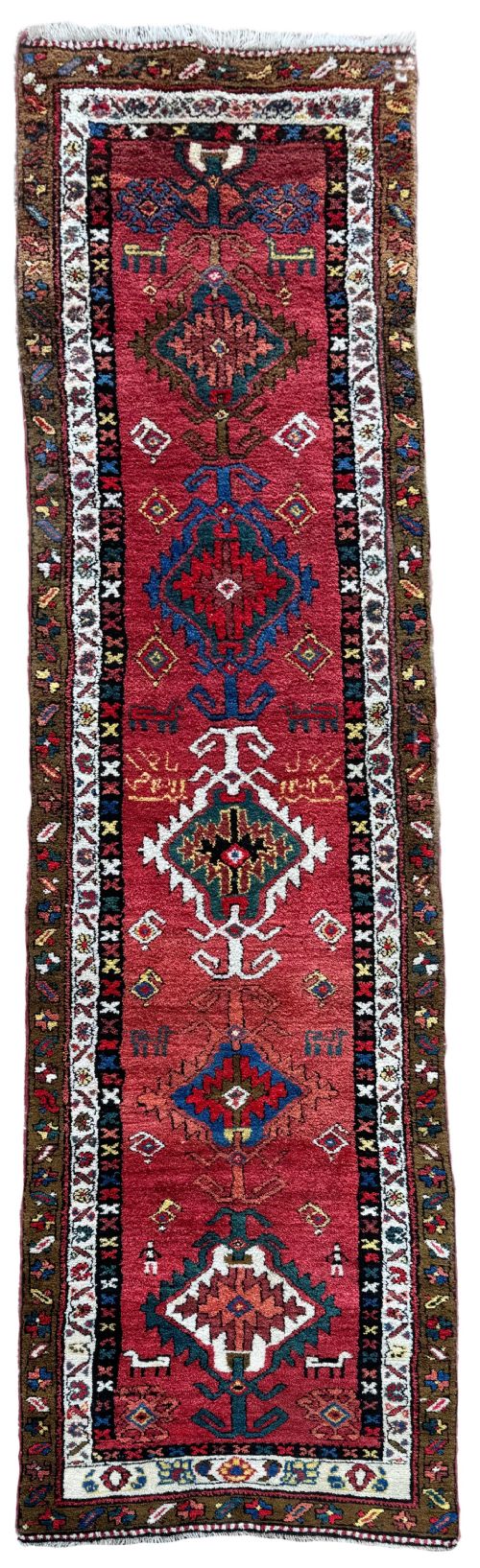
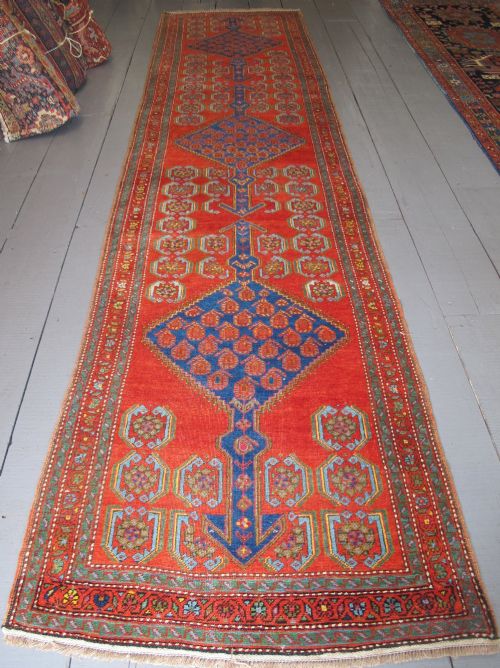
A red heriz runner carpet brings robust village geometry and a commanding linear format to a hallway or long space.
Red Heriz Runner Carpet
A red heriz runner carpet provides a durable floor covering shaped for corridors and narrow spaces, drawing upon Persian workshop and village traditions. These pieces predominantly date from the late nineteenth century through to the early decades of the twentieth century, aligning with periods such as nineteen hundred and nineteen ten.
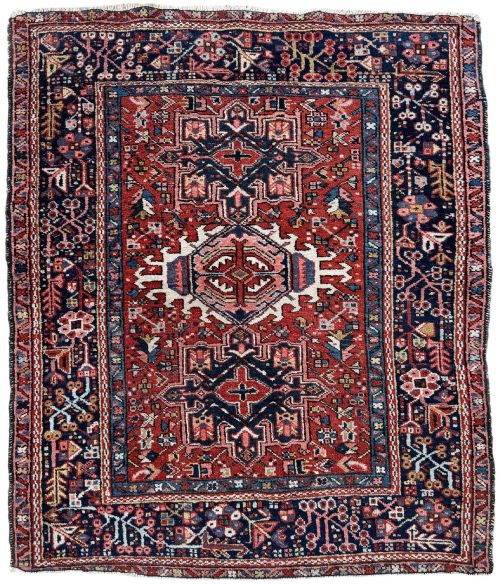
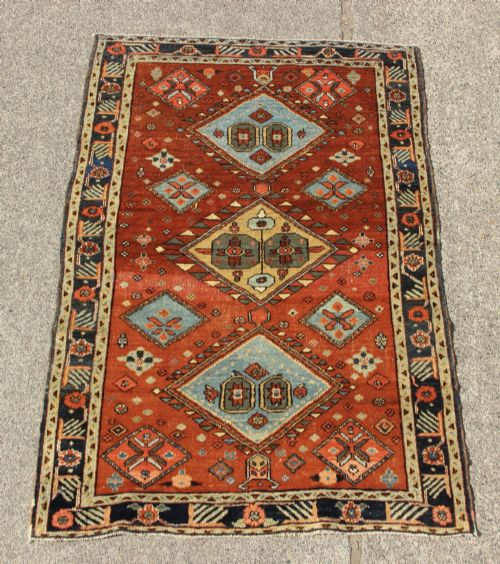
The format typically presents an elongated rectangular proportion suited to hallways, paired with geometric field patterns originating from North-West Persia. Alongside pieces designated specifically as Heriz, related regional weaving styles such as Karaja, Bakshaish, Gorevan, Hastrud, and Serapi appear within this design grouping.
Buyers encountering these floor coverings will note variations in scale, ranging from narrow formats under a metre wide to substantial corridor lengths exceeding four metres. The visual language centres on bold medallions and structured corner spandrels executed in saturated madder red tones.
Materials and Construction
Construction relies upon traditional textile materials, using sturdy wool for the pile surface and cotton for the foundational warp and weft threads. This combination provides the structural resilience required for heavy foot traffic in domestic hallways.
Weavers knotted the wool pile by hand onto cotton foundations, creating dense surfaces that hold geometric outlines with clarity. Natural dyestuffs, anchored by rich reds derived from madder roots, interact with secondary indigo and earth tones to age gracefully over decades.
Red Heriz Runner Carpet Retail Price Guide 2026
Typical asking prices for red heriz runner carpet among the pieces listed under this phrase on Sellingantiques today, from the lower quarter to the upper quarter. They describe what is for sale here now, not the wider market.
Listings span production dates from eighteen seventy through to nineteen thirty, showing Persian village and workshop origins.
Distinguishing Quality in Weaving
Quality separates along the precision of the geometric drawing and the crispness of the colour contrast within the central field. Finer knot densities allow intricate motifs like the crab design or angular medallions to hold their definition sharply against the red background.
Structural integrity and pile retention dictate the condition tier of each runner, with even wear reflecting genuine age. Well-balanced proportions and harmonious secondary colours elevate particular examples above standard village production.
Waring and Gillow
The Red Heriz Runner Carpet Glossary
- Heriz
- A region in North-West Persia known for producing durable carpets with bold geometric medallions and sturdy cotton foundations. These rugs often utilise heavy wool pile to withstand generations of use.
- Karaja
- A village weaving centre producing runners and rugs closely related to Heriz styles, frequently featuring distinct geometric motifs. The palette relies heavily on rich reds and deep indigos.
- Runner
- A long, narrow carpet format specifically proportioned for hallways, corridors, and staircases. This shape guides movement through architectural spaces.
- Medallion
- A large central ornamental design element placed in the middle of the carpet field. In these Persian weaves, it typically takes a strong geometric or polygonal form.
- Spandrels
- The triangular corner ornaments situated in the corners of the main carpet border, framing the central field. They contrast with the background colour to balance the overall composition.
Red Heriz Runner Carpet: Frequently Asked Questions
Where should I place a runner?
These elongated carpets suit corridors, hallways, and gallery spaces where a narrow, linear floor covering balances the proportions of the room. Their durable wool and cotton construction handles regular foot traffic effectively.
Position the runner away from direct, continuous moisture, allowing the natural materials to breathe. Simple underlays help keep the carpet stable on wooden or tiled hallway floors.
How do I identify a Heriz piece?
Look for bold geometric medallions, angular vine scrolls, and robust corner spandrels set against a saturated red field. The North-West Persian origin is further signalled by a sturdy handle and cotton foundation threads.
Regional variants like Gorevan or Bakshaish share similar structural traits but display distinct nuances in medallion scale and secondary palette. Comparing the crispness of the drawing helps separate these related styles.
What maintenance do these rugs need?
Regular gentle vacuuming without a rotating brush bar keeps dust from settling into the wool pile. Professional cleaning suited to antique textiles preserves the natural lanolin in the wool.
Rotating the runner periodically ensures even exposure to light and wear patterns across the length of the carpet. Prompt attention to spills prevents staining on the cotton and wool fibres.
How do I determine the age?
Dating relies on stylistic markers, structural characteristics, and material analysis consistent with nineteenth and early twentieth-century production. Natural variations in the red madder dye often indicate earlier periods.
Documentation or retailer attribution provides additional context for pieces originating from specific decades like nineteen hundred or nineteen ten. Examining the wear progression across the cotton foundation offers further clues to antiquity.