




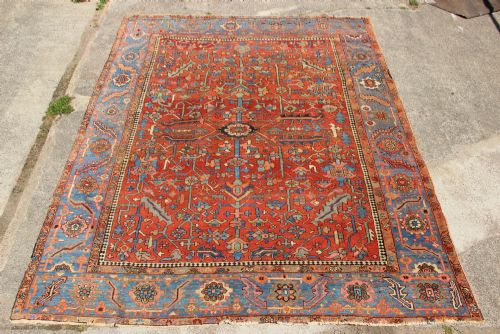
Heriz Carpet Rug
A heriz carpet rug brings geometric structure and enduring wool pile to a room, grounding the space with traditional Persian artistry.
Heriz Carpet Rug
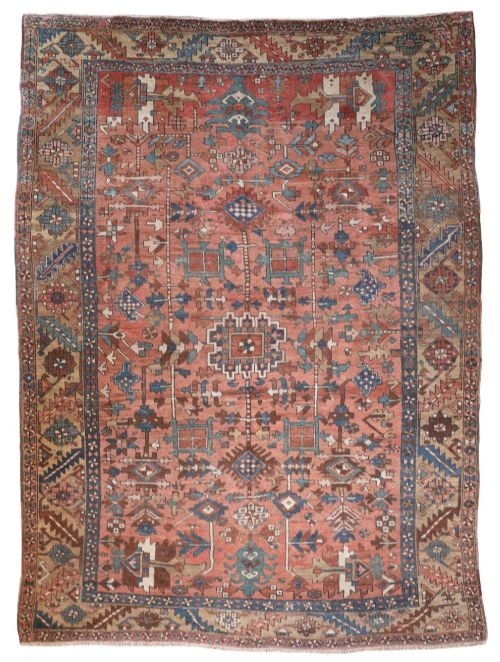
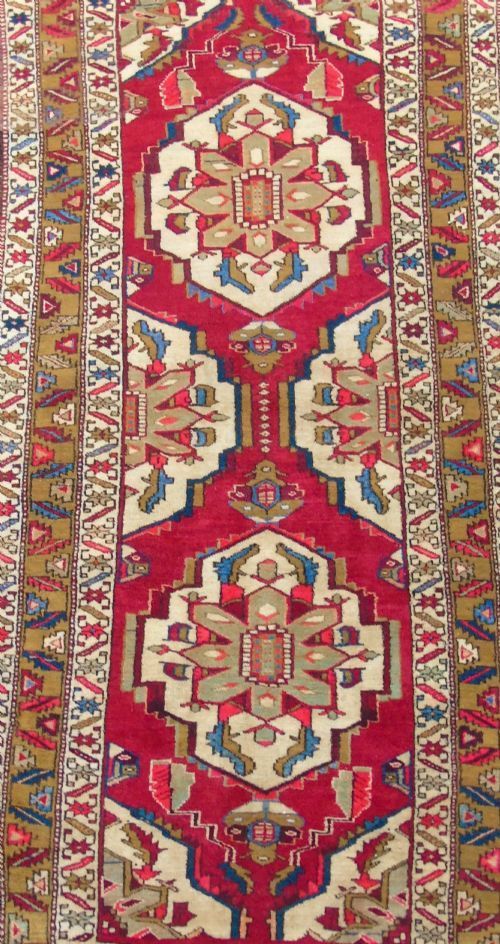
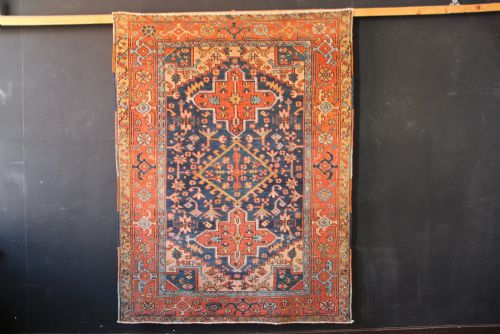
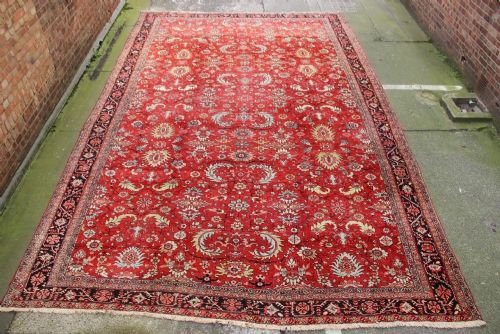
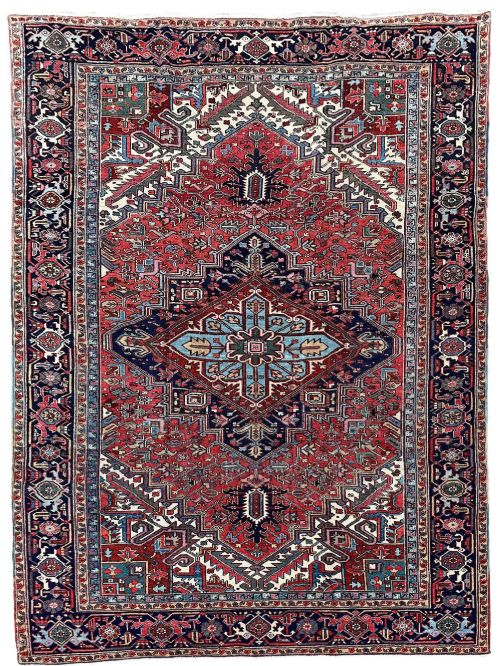
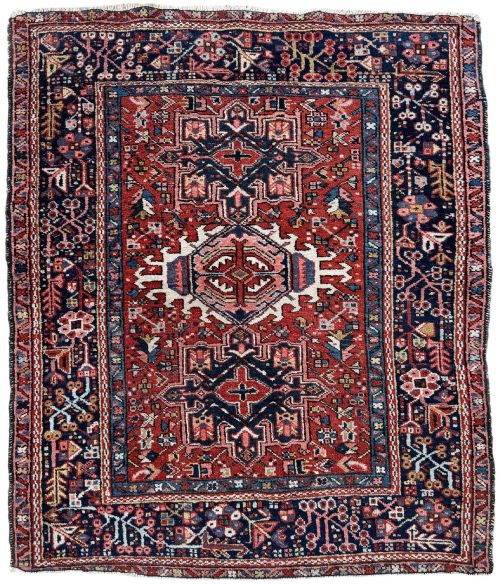
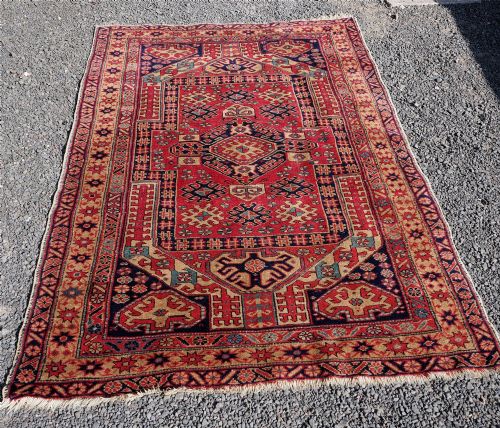
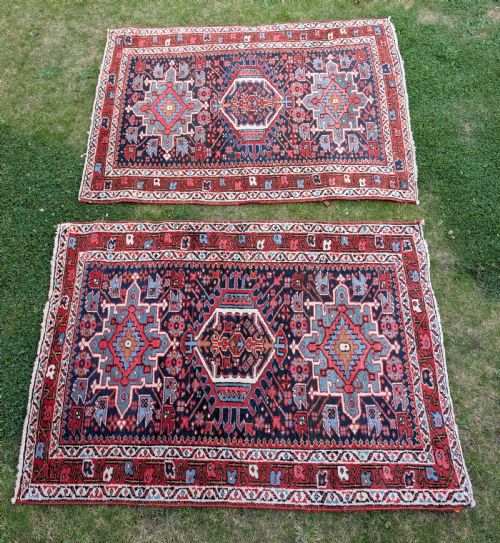
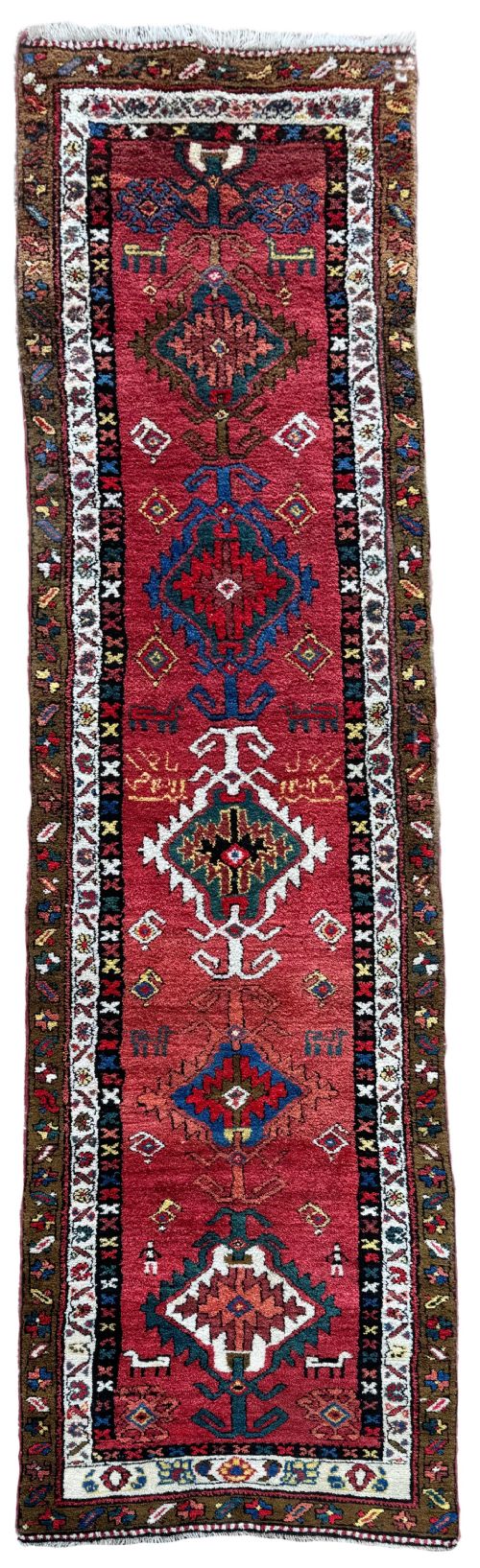
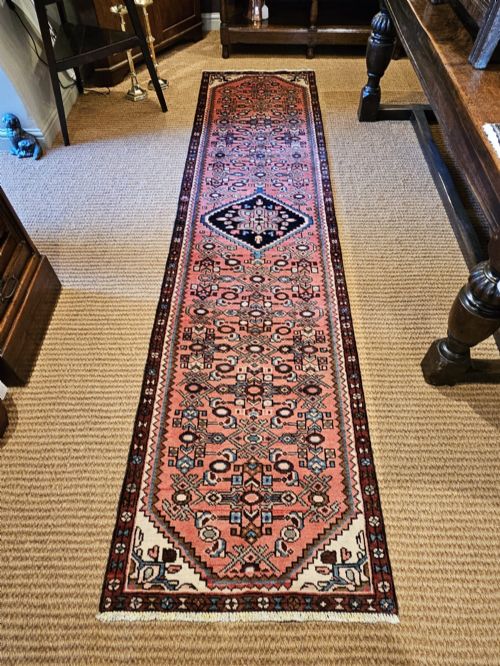
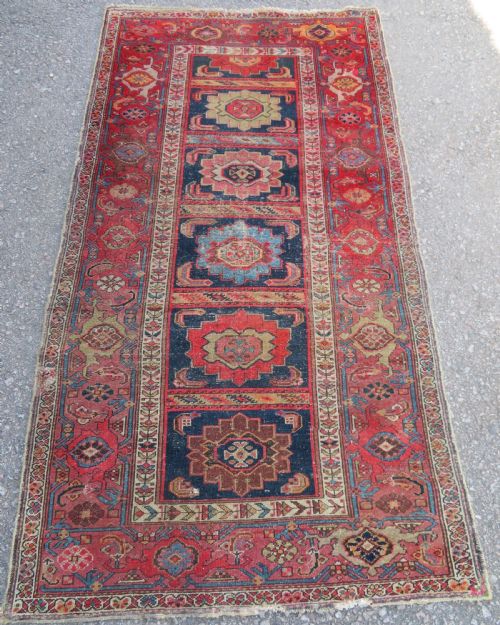
A heriz carpet rug search leads to room-sized carpets, smaller rugs, and long runners originating from North-West Persia. These floor coverings bridge grand room-sized carpets and compact formats like the Karaja or Bakshaish.
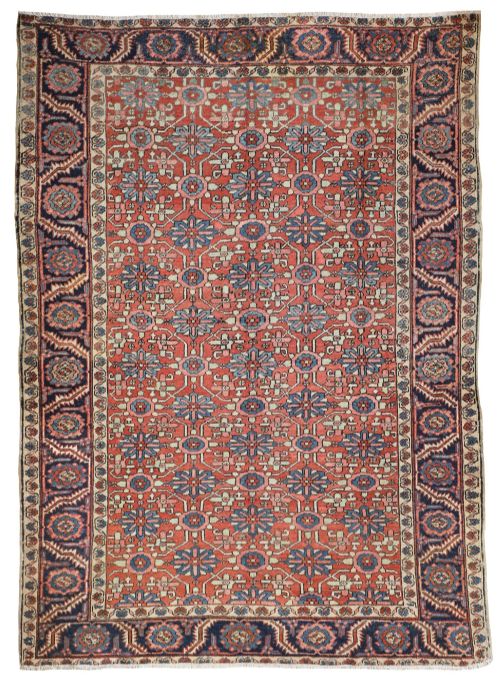
The version most commonly met on this page is the room-sized antique Heriz carpet, often dating from the late nineteenth century through the early twentieth century. These pieces showcase room-anchoring scales alongside regional runner and small rug variations.
Makers in this tradition utilised characteristic geometric medallions and bold corner spandrels within traditional Persian styles. The inventory spans varied dimensions, from square formats to extensive hallway runners.
Materials and Construction
Weavers constructed each heriz carpet rug using natural wool pile knotted onto sturdy cotton foundations. This pairing provided the structural resilience necessary for heavy domestic use in North-West Persia.
Natural dye sources contributed the characteristic colourful palettes seen across the nineteenth and early twentieth-century pieces. Hand-knotting techniques secured the dense pile, ensuring longevity across large carpets and narrow runners.
Heriz Carpet Rug Retail Price Guide 2026
Typical asking prices for heriz carpet rug among the pieces listed under this phrase on Sellingantiques today, from the lower quarter to the upper quarter. They describe what is for sale here now, not the wider market.
Listings span from the 1850s to the 1930s, utilising traditional wool and cotton materials across Persian Heriz and tribal styles.
Assessing Quality and Execution
Knot density and precision of the geometric drawing distinguish regional weaving standards. Tighter knotting allows sharper definition in the characteristic central medallions and angular floral motifs.
The handling of the wool and consistency of the natural dye palette determine the visual depth of the surface. Stronger material selection yields a resilient pile that maintains clarity of design across decades.
Persian Heriz·Karaja Rugs·Bakshiash Carpet·Ahar Heriz
The Heriz Carpet Rug Glossary
- Heriz
- A style of Persian carpet originating from the North-West region, known for bold geometric medallions and robust construction.
- Serapi
- An older or particularly fine designation associated with Heriz weaving, often displaying open field designs and spacious compositions.
- Karaja
- A neighbouring rug-weaving village producing smaller formats and runners with distinctive tribal geometric patterns.
- Bakshaish
- A related North-West Persian provenance featuring whimsical or geometric interpretations often pre-dating standard Heriz formats.
- Spandrel
- The triangular corner areas in a rug border that frame the central field and medallion.
Heriz Carpet Rug: Frequently Asked Questions
How do I style a heriz carpet rug?
These carpets anchor large living spaces or define long hallways when utilising runner formats. Their geometric designs complement both traditional interiors and modern minimalist furniture.
Position the rug to allow the central medallion to sit clear of heavy coffee tables. This lets the distinctive North-West Persian patterns remain fully visible within the room.
What is the difference between Serapi and Heriz?
Serapi rugs represent an earlier, often finer execution of the classic Heriz style, typically dating from the nineteenth century. They frequently feature more open, spacious fields with balanced geometry.
Standard Heriz carpets tend to have slightly denser patterns and robust structures from later decades. Both share the characteristic North-West Persian geometric design vocabulary.
Are these rugs suitable for high traffic areas?
The dense wool pile and sturdy cotton foundation provide the durability required for busy hallways and living rooms. Traditional weaving methods ensure these floor coverings withstand regular daily movement.
Rotating the carpet periodically helps distribute wear evenly across the surface. Using an appropriate underlay also prevents sliding and cushions the foundation.
How do I identify the age of a piece?
Dating relies on stylistic markers, structural characteristics, and natural dye usage observed across different production periods. Pieces from the late nineteenth century often display softer palettes and looser geometry.
Later twentieth-century examples frequently incorporate brighter synthetic infusions and tighter mechanical precision in the knots. Comparing the weave density and wool quality helps narrow down the decade of creation.