


Herbert Dicksee Artwork
Herbert dicksee artwork brings together fine animal subjects and meticulous printmaking from the Victorian and Edwardian eras.
Herbert Dicksee Artwork
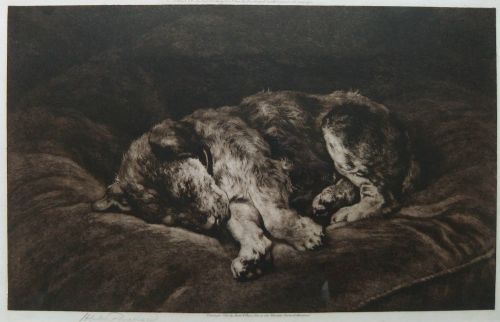
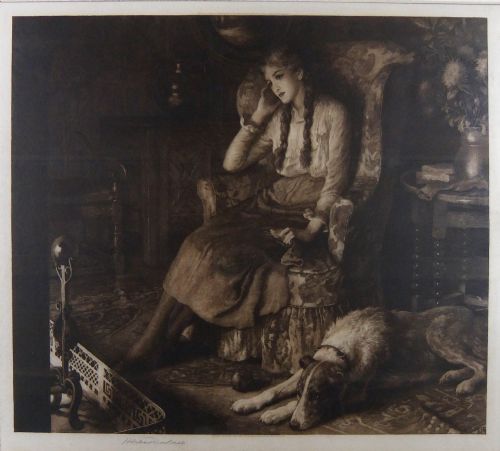
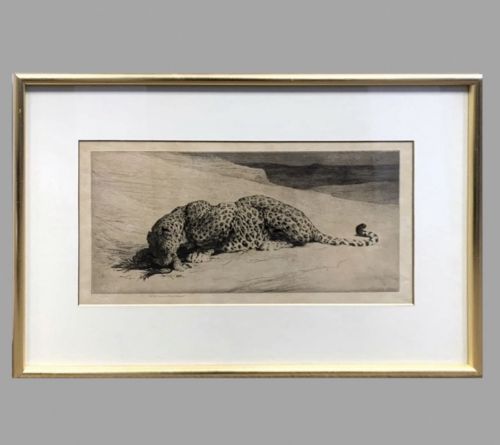
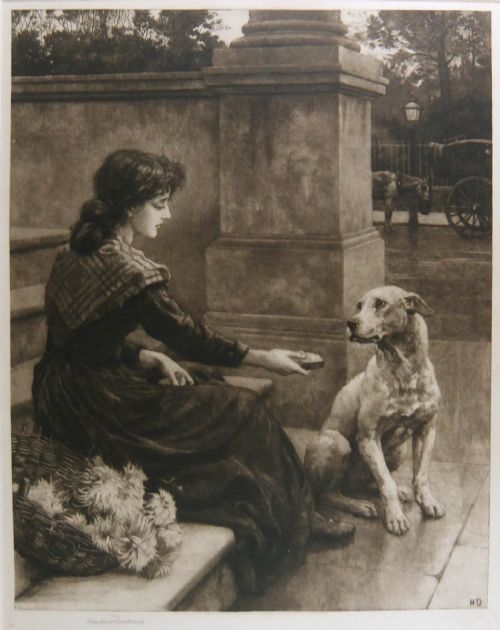
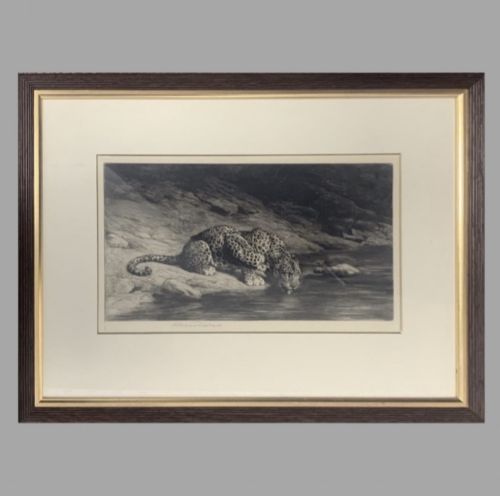
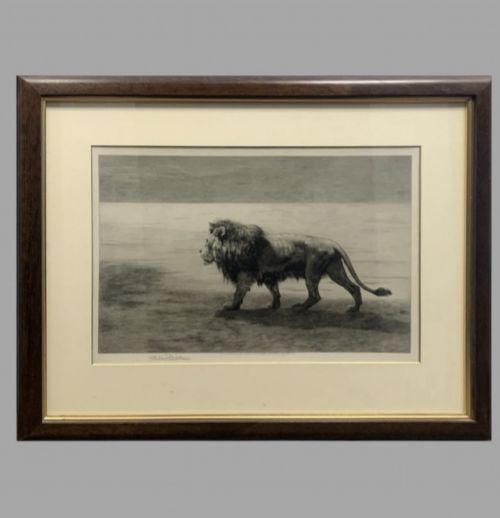
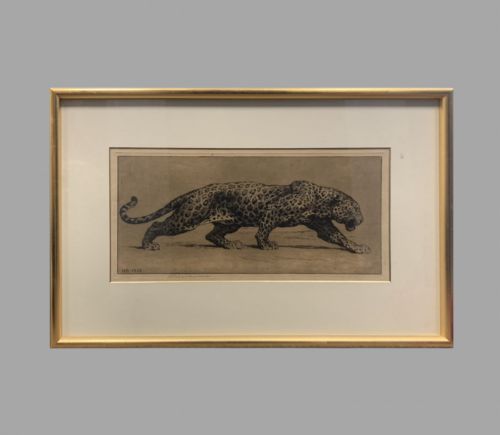
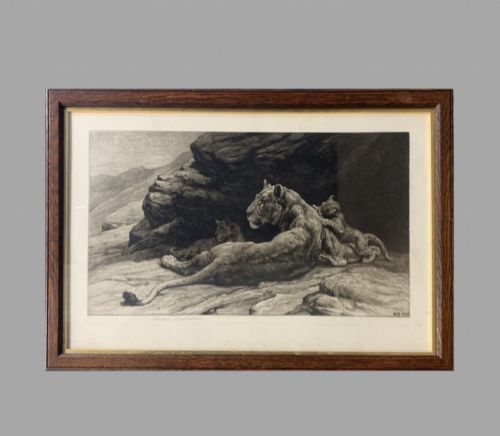
Herbert dicksee artwork primarily consists of original etchings and drypoint prints depicting domestic dogs, big cats, and wildlife. These works span the late nineteenth century through the early twentieth century, capturing detailed animal expressions and textures.
Buyers will most frequently encounter signed artist proofs and limited editions produced on paper or vellum. Subjects range from large leopards and lions to smaller studies of bulldogs and spaniels, framed in wood, gilt wood, or oak.
Materials and printmaking techniques
The process relies on metal plates worked directly through etching or drypoint, transferring fine lines onto paper or vellum sheets. Printers utilise dark inks to create rich contrasts that define the fur and musculature of each subject.
Presentation involves traditional framing materials such as plain wood, gilt wood, and oak, often paired with glass protection. Selected prints appear on vellum, lending a distinct tactile surface to the finished proof.
Even fierce jungle leopards share space on this page with loyal Scottish terriers and domestic spaniels.
Distinctions in print quality
Quality rests in the crispness of the plate impression and the preservation of subtle tonal gradients in the ink. Stronger proofs retain sharp detail in the animal coats and background environments without blurring.
The presence of a pencil signature or artist proof designation distinguishes superior impressions from standard print runs. The choice of support material, particularly fine vellum versus standard paper, also marks a difference in execution.
Herbert Dicksee
The Herbert Dicksee Artwork Glossary
- Etching
- A printmaking method where acid bites lines into a metal plate to hold ink. This technique allows for fine, fluid detail across the image.
- Drypoint
- A printmaking process where the artist scratches directly into the metal plate with a sharp needle. This raises a burr that holds ink for a velvety line.
- Artist proof
- An impression printed for the artist's personal review before the main edition is run. These carry specific value for collectors.
- Vellum
- A fine parchment made from calfskin used as a printing surface. It provides a smooth, durable base for detailed ink work.
- Limited edition
- A set number of impressions printed from a single plate. Once completed, the plate is generally cancelled or destroyed.
Herbert Dicksee Artwork: Frequently Asked Questions
What subjects appear in herbert dicksee artwork?
The works focus heavily on animals, ranging from large cats like leopards and lions to domestic dogs such as bulldogs and spaniels. Each piece portrays the subject with anatomical precision and emotional depth.
Scenes vary from wild settings with jungle fowl to quiet domestic portraits and dramatic outdoor landscapes.
How do I identify an original etching?
Original etchings show a distinct plate mark where the edge of the metal plate pressed into the paper during printing. The ink lines possess a slight raised texture rather than sitting completely flat.
Signed artist proofs further confirm the authenticity and direct oversight of the printmaker.
Are these works printed on paper or vellum?
Both materials appear across the available inventory for these prints. Paper serves as the standard support for the majority of published editions.
Vellum is utilised for select special impressions, offering a heavier and more textured surface for the ink.
How should I frame and display these prints?
Conservation framing with UV-protective glass safeguards the paper or vellum from fading under natural light. Wooden frames, including oak and gilt variations, complement the period aesthetic of the Victorian and Edwardian eras.
Display the artwork away from direct sunlight and damp environments to preserve the integrity of the ink and support.