

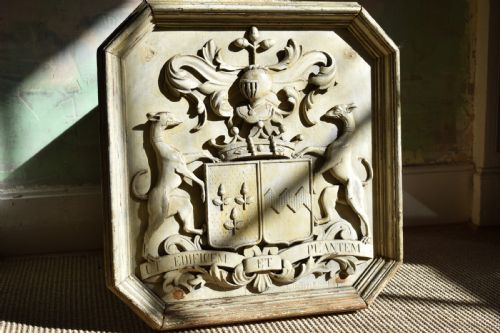
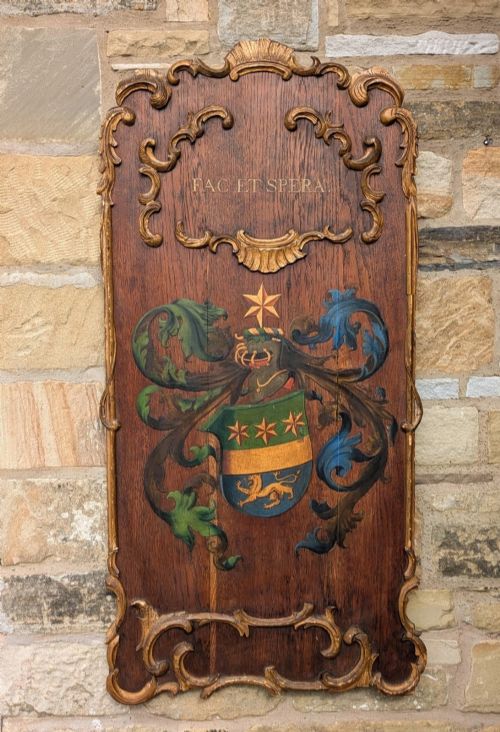
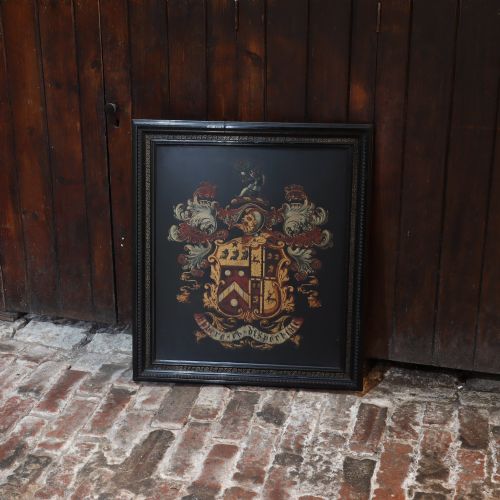
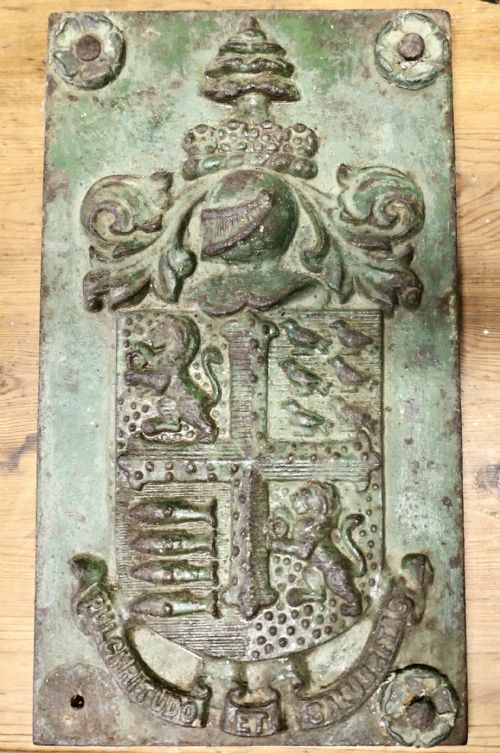


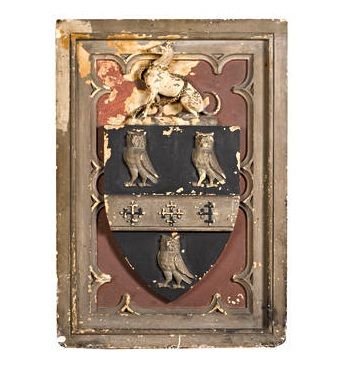


Heraldic Shield Painting
These heraldic shield painting pieces bring centuries of armorial history and hand-painted family lineage straight to your walls.
Heraldic Shield Painting
When you search for heraldic shield painting, you enter a field of armorial panels, wall plaques, and crests spanning the eighteenth, nineteenth, and twentieth centuries. These works display coats of arms and family lineages executed across various historic styles.
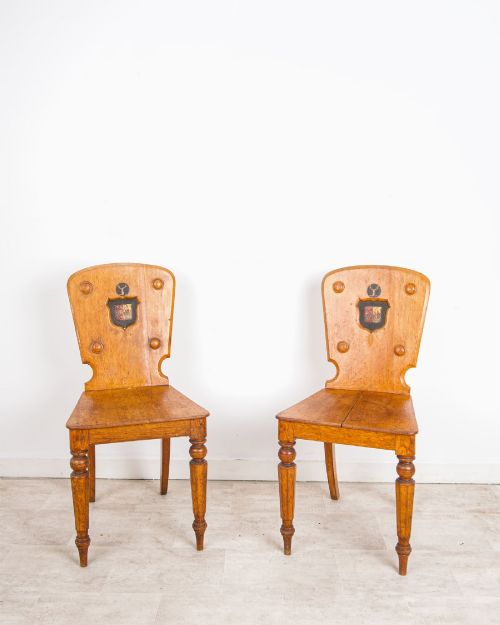
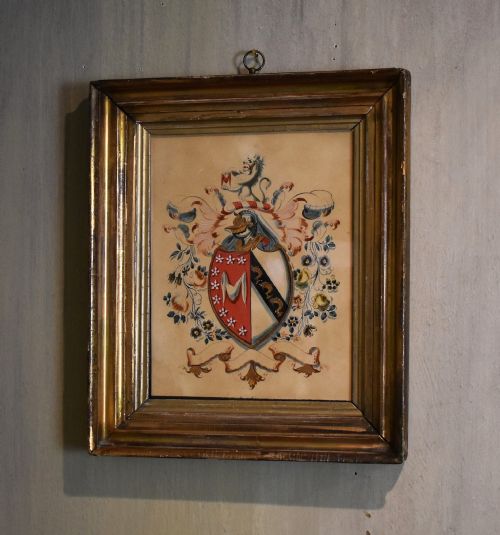
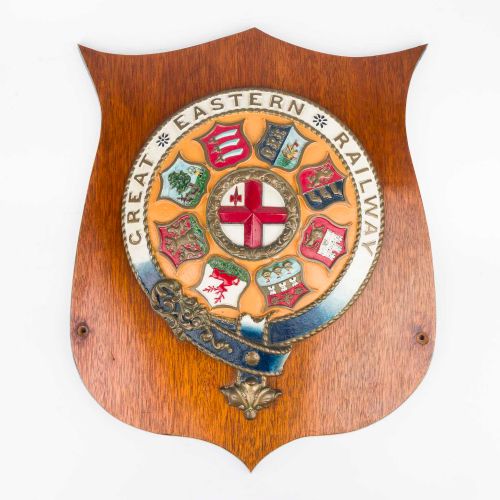
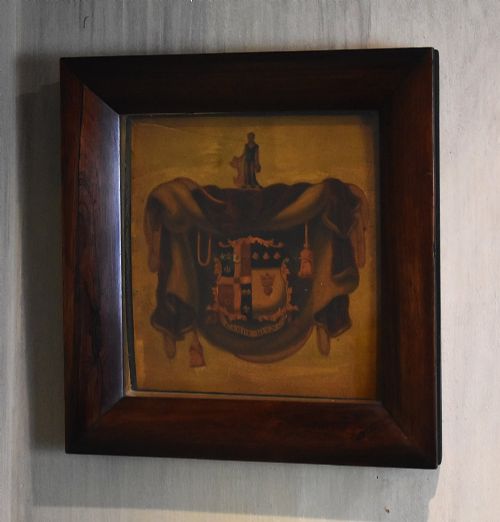
You are most likely to meet nineteenth-century examples on this page, ranging from watercolours and oils on glass to carved timber panels and cast iron plaques. Pieces such as the Bath family panel and railway crests show how heraldry moved from noble coach doors to diverse decorative media.
How they were made
Makers utilised traditional supports such as oak and pine panels, glass, and heavy metals like cast iron and bronze to bear these coats of arms. Pigments, polychrome paint, and gilt were applied by hand to render the precise heraldic tinctures and charges required by the lineage.
Techniques varied from delicate watercolour and oil painting on glass to carved wooden reliefs and cast metal work. Skilled artisans combined carpentry, metal casting, and fine brushwork to produce enduring displays of civic pride and family identity.
Heraldic Shield Painting Retail Price Guide 2026
Typical asking prices for heraldic shield painting among the pieces listed under this phrase on Sellingantiques today, from the lower quarter to the upper quarter. They describe what is for sale here now, not the wider market.
One listed iron plaque once watched over the Great Eastern Railway before finding its way onto a living room wall.
What varies in quality
The distinction between ordinary and exceptional armorial works lies in the precision of the brushwork and the fidelity of the heraldic rules observed by the artist. Master painters rendered charges, helms, and mantling with sharp detail and historically accurate colour placement.
Materials also dictate the tier of the piece, with substantial hand-carved polychrome timber panels and finely executed oil on glass creations sitting apart from standard industrial plaques. The depth of historical provenance attached to named families or institutions elevates the significance of the work.
Nanninga Uitterdyke·Great Eastern Railway
The Heraldic Shield Painting Glossary
- Coat of arms
- A distinct heraldic design on a shield, depicting a specific family or corporate body.
- Armorial
- Relating to heraldic arms or a coat of arms.
- Polychrome paint
- Painting done in several colours, frequently utilised on carved wooden panels and reliefs.
- Tincture
- The metals, colours, and furs used in heraldry to depict specific coats of arms.
- Gilt
- Covered thinly with gold leaf or gold paint, highlighting specific charges on a shield.
Heraldic Shield Painting: Frequently Asked Questions
What is a heraldic shield painting?
A heraldic shield painting is a visual representation of a family or institutional coat of arms, typically executed on wood, glass, metal, or paper during the eighteenth, nineteenth, and twentieth centuries.
These works served as symbols of lineage, civic pride, or corporate identity, often displayed in halls, offices, and carriages.
How were armorial panels displayed originally?
Armorial panels and plaques were mounted on interior walls of grand houses, public buildings, and railway offices to denote authority and heritage. Some pieces, such as coach panels, were built directly into the doors of horse-drawn carriages.
In domestic settings, smaller painted watercolours and oils on glass were framed and hung as fine art.
How do I tell nineteenth-century pieces apart?
Nineteenth-century pieces vary widely by medium, encompassing cast iron plaques, carved wooden panels, and delicate reverse glass paintings. Examining the back of the panel, the type of pigment used, and the mounting hardware often reveals the age and method of manufacture.
Industrial plaques from this era typically feature cast iron or bronze, whereas domestic armorials rely on timber and hand-mixed pigments.
How should I care for historic armorial panels?
Historic armorial panels require stable indoor humidity and protection from direct sunlight to preserve vulnerable polychrome paint, gilt, and wooden supports. Gentle dusting with a dry, soft cloth is sufficient for routine maintenance.
Avoid using liquid cleaners on painted wood, glass, or metal surfaces to prevent damage to the historic pigments and binders.