


Hepplewhite Mahogany Cabinet
These hepplewhite mahogany cabinet pieces bring classic eighteenth-century elegance and finely figured timbers into a room.
Hepplewhite Mahogany Cabinet
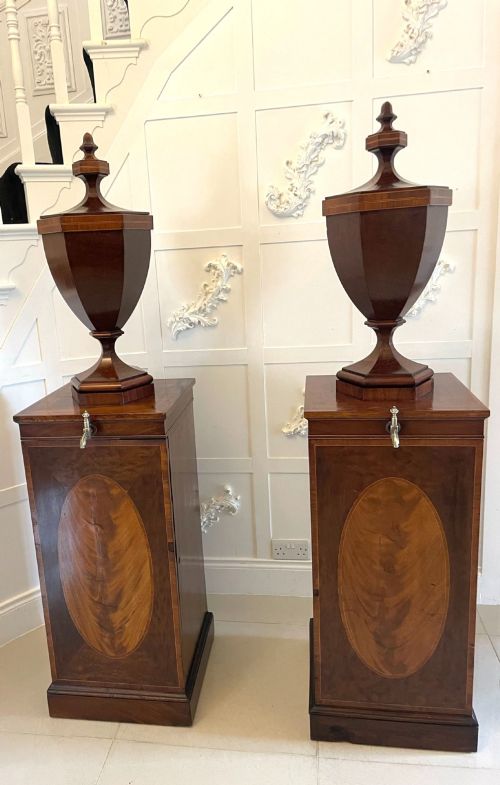
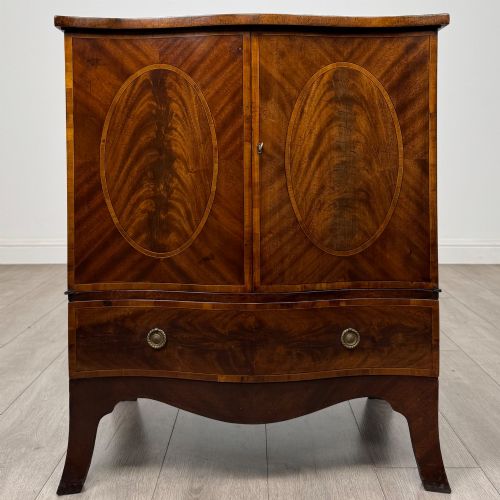
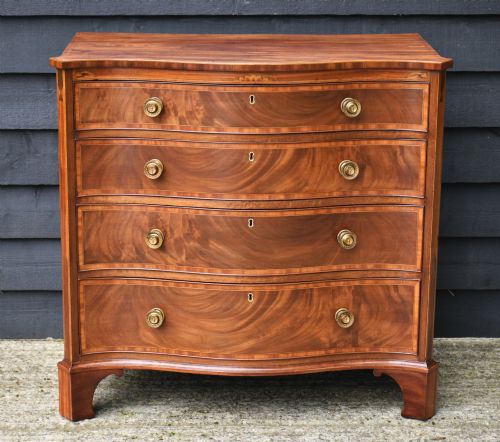
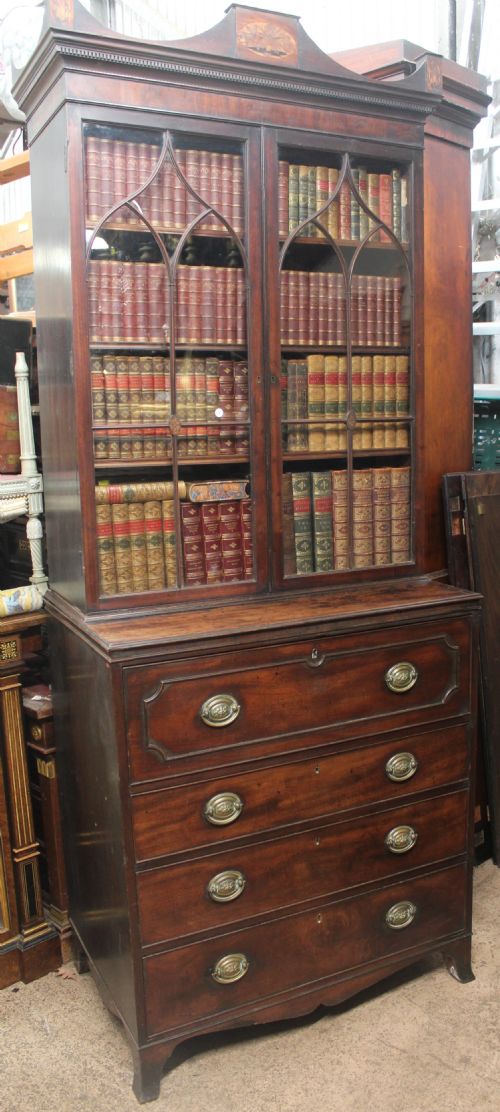
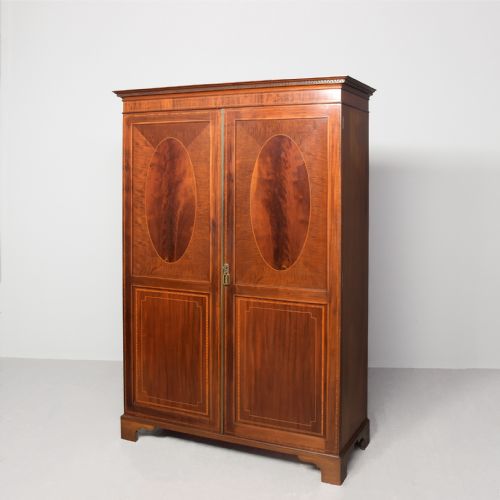
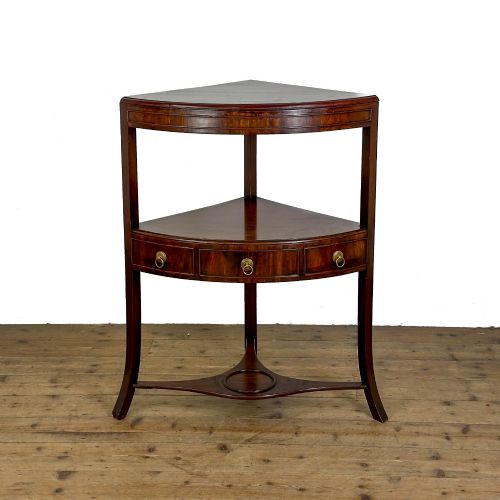
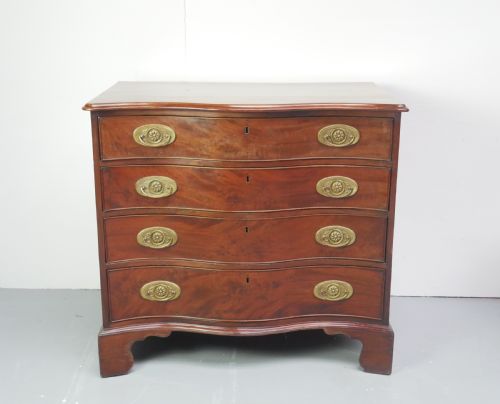
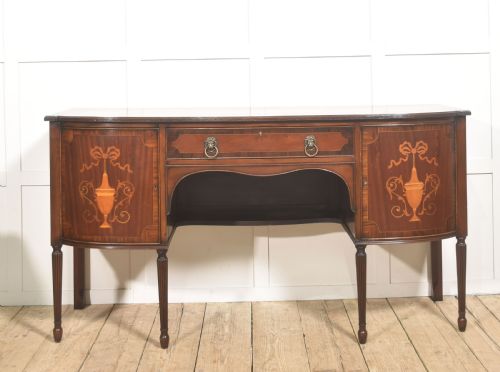
A hepplewhite mahogany cabinet selection brings together items from the Georgian era through to later revival periods, focusing heavily on sideboards, chests of drawers, and side cabinets. These pieces often display serpentine or bowfront shapes that define the aesthetic of the period.
The objects span original eighteenth-century work, George III examples, and Edwardian revivals, showing how cabinetmakers adapted these graceful forms over generations. Sideboards and side cabinets form the core of what turns up under this phrase.
How they were made
Makers relied on solid mahogany and flame mahogany veneer, chosen for rich grain patterns and deep colour. Surfaces were often enhanced with satinwood and boxwood inlay to create sharp geometric or floral contrasts.
Fine brass hardware completed the construction, from drop handles on drawers to escutcheons on cabinet doors. Joinery relied on traditional cabinetmaking methods to shape serpentine fronts and support heavy timber tops.
Some chests hide clever writing compartments, proving eighteenth-century cabinetmakers loved a secret drawer almost as much as a fine curve.
What varies in quality
The finesse of the inlay work separates ordinary items from exceptional ones, particularly where boxwood and satinwood form delicate contrasting borders. Sharpness in the shaping of serpentine and bowfront curves dictates the overall visual balance.
Selection of the timber itself plays a major part, with highly figured flame mahogany veneer marking out the superior examples from plain stock. Original brass mounts and untouched cabinet interiors also elevate a piece.
The Hepplewhite Mahogany Cabinet Glossary
- Serpentine
- A front contour curving outward in the centre and inward at the sides, creating a flowing, undulating line. This shape required great skill in woodworking.
- Bowfront
- A curved front that arcs outward in a convex shape, commonly seen on sideboards and chests from the period. It softens the rigidity of box-like furniture.
- Flame mahogany veneer
- A thin slice of timber cut from wood where the branch meets the trunk, producing a distinctive flickering flame pattern. Cabinetmakers used it on prominent drawer fronts and doors.
- Inlay
- A technique where contrasting woods like boxwood and satinwood are set into recesses flush with the surface to form decorative patterns. It adds fine detail to borders and panels.
- Commode
- A low cabinet or chest of drawers, often with doors or fitted drawers, originating in French taste but widely adopted by English makers. They served practical storage roles in reception rooms.
Hepplewhite Mahogany Cabinet: Frequently Asked Questions
What defines a Hepplewhite style cabinet?
These pieces draw on the light, graceful proportions and neoclassical ornamentation associated with eighteenth-century design. They frequently feature tapered legs, delicate inlay, and curved fronts.
Makers avoided heavy proportions in favour of refined silhouettes that suited formal dining rooms and parlours of the period.
How do I spot a George III piece?
Original pieces from the reign of George III display period-appropriate joinery, native timber usage, and hand-cut dovetails. The hardware and internal secondary woods align with eighteenth-century workshop practices.
Revival pieces from later centuries mimic these visual cues but often betray their true age through modern interior construction and machine-cut elements.
Where were these cabinets used?
Dining rooms and formal sitting rooms housed the majority of these sideboards, servers, and display cabinets. They served to store silverware, linens, and dining accessories while acting as prominent decorative furniture.
Bedside tables and smaller commodes found their place in private chambers for personal storage.
How should I care for mahogany?
Keep timber pieces away from direct sunlight and strong heat sources to prevent the mahogany veneer from drying out or splitting. Gentle dusting with a dry cloth maintains the finish.
Occasional application of appropriate wax feeds the wood and preserves the depth of the grain without building up heavy residues.