


Heavy Metal Sculpture
Heavy metal sculpture encompasses enduring bronze figures and robust cast iron works designed to anchor a room.
Heavy Metal Sculpture
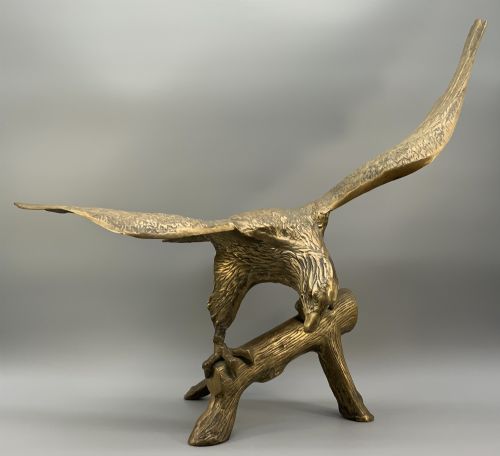
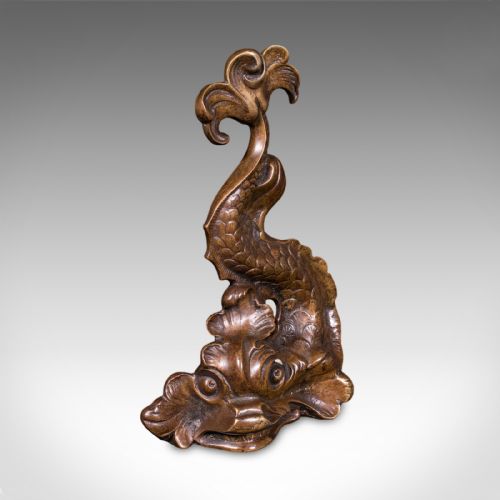
When you search for heavy metal sculpture, you meet substantial works cast in bronze, brass, and iron that cross several centuries and decorative styles. The selection ranges from Regency dolphins and Victorian doorstops to Art Deco animals and mid-century birds.
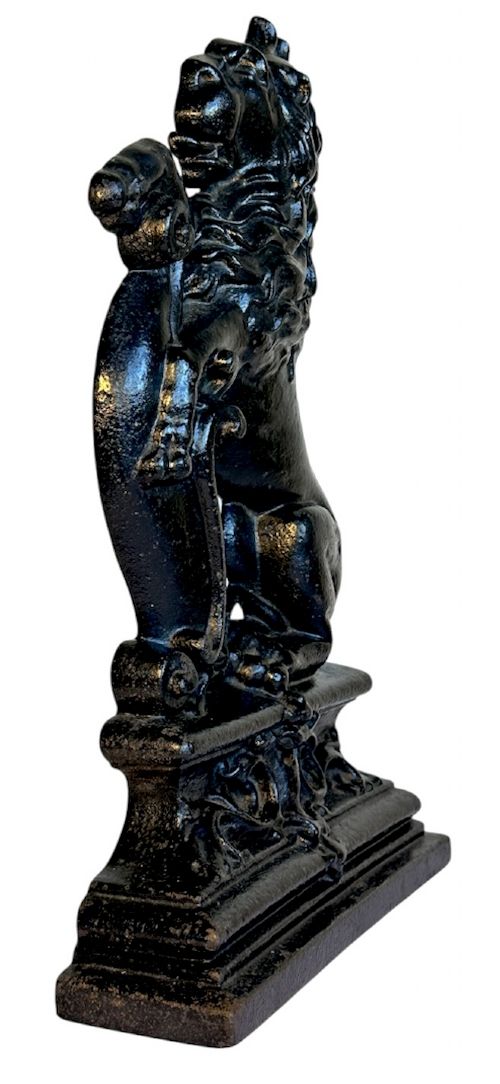
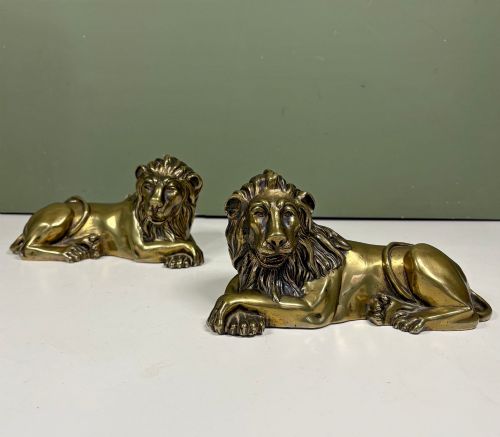
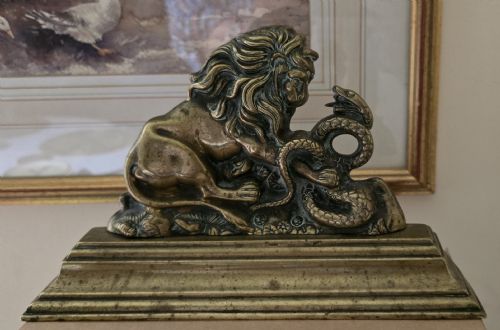
Figures of animals dominate the offerings, including lions, horses, eagles, and dogs configured as freestanding statues, bookends, and doorstops. These functional and decorative objects originate from British and international workshops across the nineteenth and twentieth centuries.
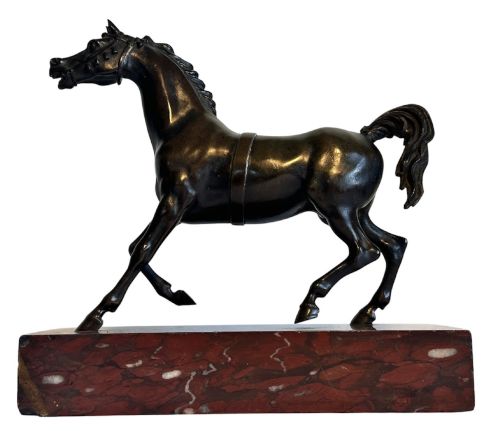
The objects appear on marble bases or stand alone as heavy desk accessories, garden statues, and paperweights. Collectors encounter both patinated bronze and painted cast iron spanning periods from the Regency era through to the mid-century modern movement.
Standards of execution
Surface treatment separates standard production pieces from finer studio works, particularly in the preservation of cold painted polychrome or rich patination. The integrity of the base, whether marble plinth or heavy iron plate, further distinguishes standard utility items from sculptural art.
Listings feature items spanning the Regency period, Victorian era, Edwardian years, and mid-century modern design.
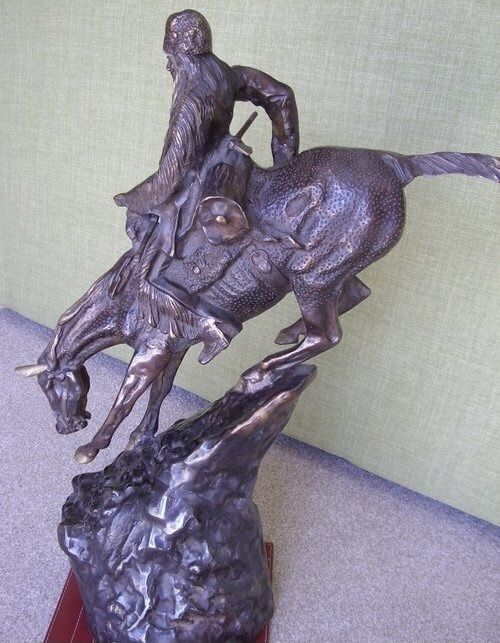
C Omin·Franze Bergman·Frederic Remington
The Heavy Metal Sculpture Glossary
- Animalier
- A nineteenth-century artistic movement focused on the realistic depiction of animals. Practitioners specialised in dynamic bronze sculptures of horses, lions, and dogs.
- Cold painted bronze
- A manufacturing technique where bronze figures received paint details applied without heat after casting. Franz Bergman workshops popularised this method for small decorative sculptures.
- Doorstop
- A heavy utilitarian object designed to hold interior doors open. Cast iron and brass examples often took the form of animals, heraldic crests, or figures.
- Patina
- The surface coloration and sheen developed through age or chemical treatment on metal. A stable patina protects the bronze or iron beneath while adding visual depth.
- Regency
- An architectural and decorative style spanning the early nineteenth century. Pieces from this period often incorporate classical motifs such as dolphins and lions.
Heavy Metal Sculpture: Frequently Asked Questions
How do I date a cast iron doorstop?
Victorian and early twentieth-century doorstops display heavier casting sand textures and wear patterns beneath the base. Earlier examples often possess simpler two-part moulds.
Examine the paint layers and surface oxidation to determine the age of the ironwork. Heavy surface patination typically indicates nineteenth-century production.
What is the difference between bronze and cast brass?
Bronze contains copper and tin, resulting in a heavier, warmer metallic tone that accepts rich patinas. Brass uses copper and zinc, yielding a brighter golden hue.
Sculptural pieces from the nineteenth century utilised bronze for fine detail work, whilst brass suited functional items like doorstops and desk ornaments.
Why are some animal sculptures mounted on marble?
Marble bases provided stability and visual weight to nineteenth-century animalier bronzes. The stone plinth anchored dynamic figures like leaping stallions and charging bulls.
Base materials help verify the period, as nineteenth-century workshops frequently paired cast animals with polished black or variegated marble.