


Heavy Horse Figurine
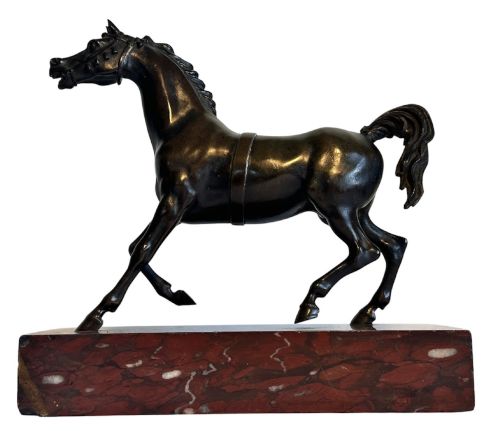
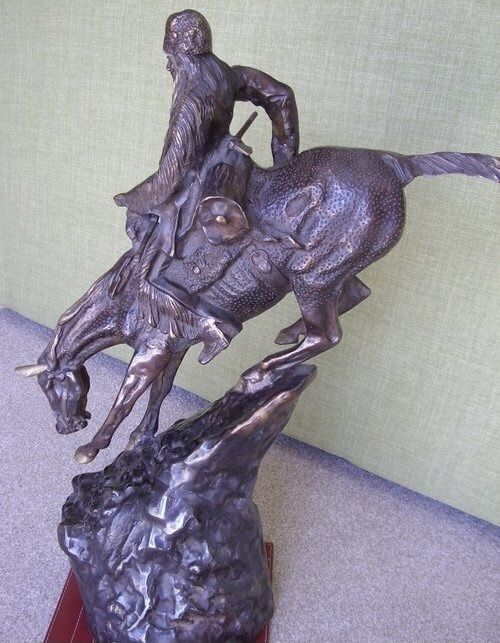
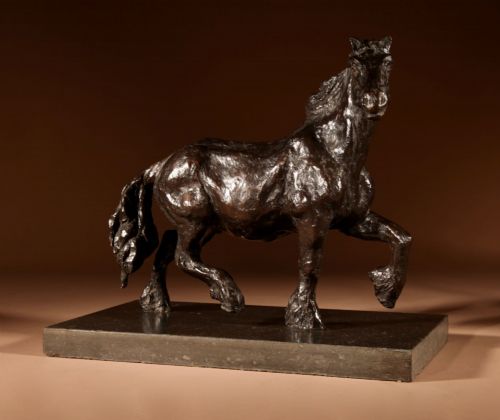
Heavy horse figurine pieces are substantial equine sculptures and doorstops that bring muscular power and sculptural presence to a room.
Heavy Horse Figurine
A heavy horse figurine captures the immense physical strength and characteristic build of draught breeds, shires, and cobs through sculptural form. When you search for this phrase, you encounter interpretations ranging from nineteenth-century realism to modernist animalier studies.
The selections on this page span several decades, featuring cast metal sculptures alongside utilitarian doorstops from the Victorian era onwards. These pieces reflect both artistic ambition in European studios and functional domestic items designed for everyday use.
Materials and construction
Metal casting forms the core of these works, utilising bronze, brass, and cast iron to capture muscular detail and substantial weight. Bronze pieces frequently employ patination to accentuate the contours of the animal.
Carved wood provides an alternative medium, seen in hand-carved hardwood studies that emphasise the natural grain alongside the sculpted form. Bases incorporate marble or stone to anchor heavier bronze compositions.
Even sturdy draught horses occasionally need a heavy marble base to keep their bronze hooves firmly planted.
Distinctions in craftsmanship
Quality reveals itself in the anatomical precision of the musculature and the fidelity of the casting finish. Finer sculptures display careful chasing on metal surfaces to define mane, tail, and muscle tension.
Base material and foundational stability also differentiate examples, with dense marble plinths and heavier metal alloys providing a superior sense of proportion and balance compared to simpler utilitarian castings.
Luigi Secchi·Philip Blacker
The Heavy Horse Figurine Glossary
- Animalier
- A nineteenth-century artistic movement focused on the realistic depiction of animals. Sculptors in this style studied live subjects closely.
- Draught horse
- A large equine breed developed for pulling heavy loads and farm work. These horses are characterised by heavy bones and powerful muscular frames.
- Patina
- A surface coloration or sheen developed on metal through age or chemical treatment. It highlights the underlying texture of the bronze or brass.
- Doorstop
- A heavy utilitarian object designed to keep doors open. In equine forms, these combine practical weight with decorative sculptural appeal.
- Casting
- The manufacturing process where molten metal is poured into a mould. This technique allows for intricate reproduction of sculpted details.
Heavy Horse Figurine: Frequently Asked Questions
What metals are these figures made from?
The pieces utilise bronze, brass, and cast iron depending on their original purpose and period of creation. Bronze appears most often in artistic sculptures, whereas brass and iron predominate in functional items.
Heavier metals ensure the figures maintain stability, whether displayed on a mantelpiece or utilised on the floor to hold heavy doors open.
How do I identify a Victorian piece?
Victorian examples frequently manifest as functional brass or cast iron doorstops designed for nineteenth-century domestic interiors. They exhibit robust construction suited to daily household use.
Stylistic cues and material choices align with nineteenth-century manufacturing methods, distinguishing them from later twentieth-century modernist interpretations.
Are these figures solid metal?
Many bronze sculptures employ traditional casting methods that create hollow forms, though their overall weight remains substantial due to size and marble bases. Doorstops are typically cast solid to provide the necessary heft.
Each manufacturing technique serves the primary function of the piece, balancing artistic representation with physical mass.
Where should I place a heavy horse figure?
These substantial works suit studies, hallways, and living spaces where their physical presence can anchor a room. Doorstops naturally function near heavy interior entryways.
Sculptural bronze and wood studies perform best on sturdy surfaces like wooden sideboards or dedicated display tables where their weight is supported.