


Cast Bronze Horse Ornament
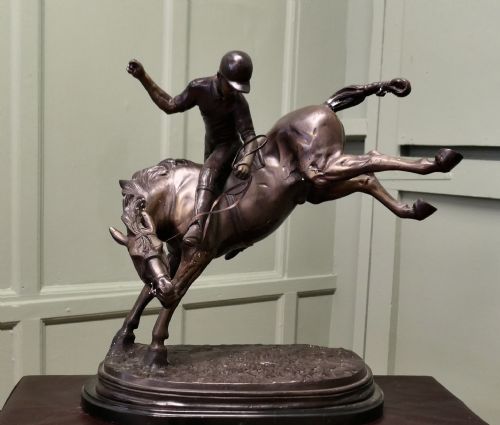
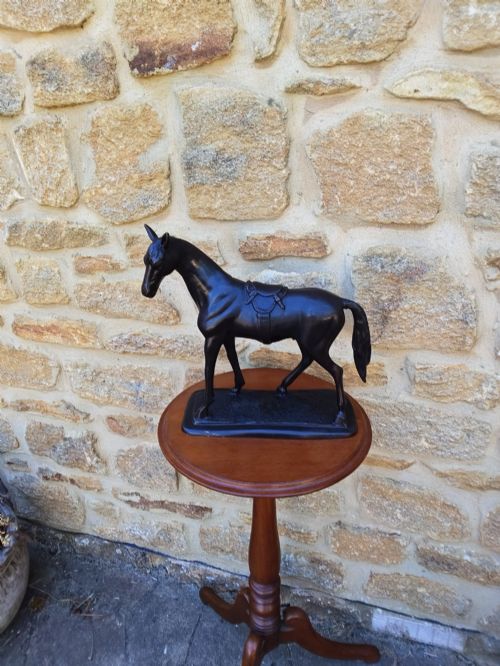
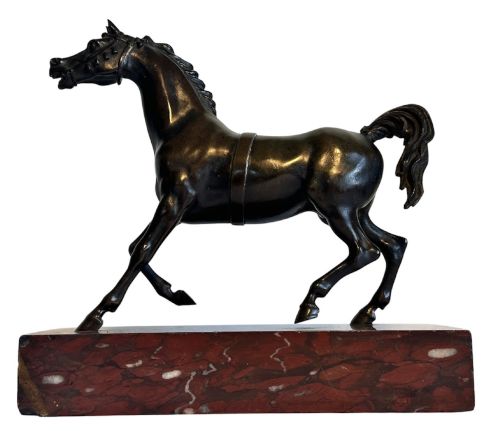
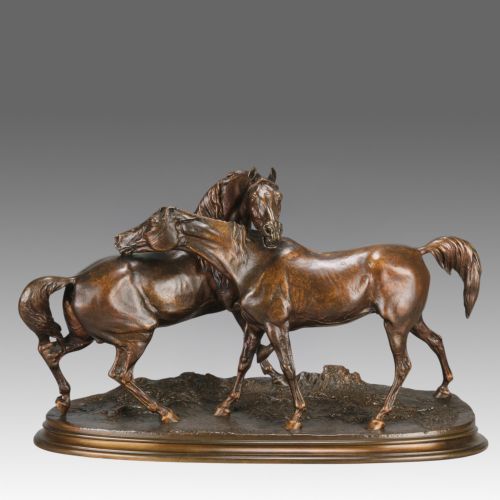
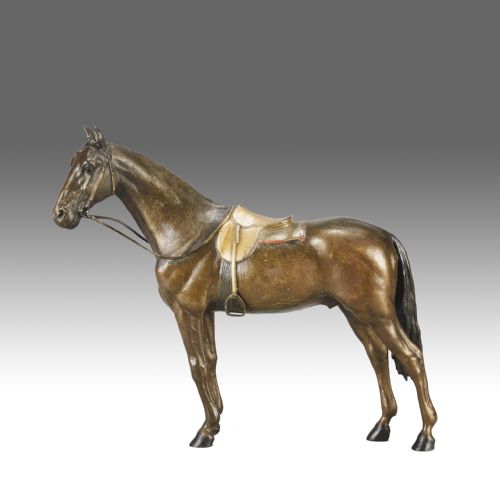
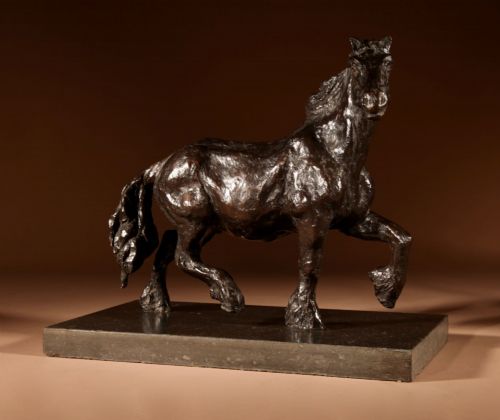
These cast bronze horse ornament pieces bring sculptural weight and animal energy to a room, ranging from small cold-painted figures to grand depictions.
Cast Bronze Horse Ornament
A cast bronze horse ornament covers sculptural representations of horses captured in bronze, often mounted on bases of marble or stone. When you search for this phrase, you encounter everything from miniature cabinet figures to life-size garden statues.
The selections span the nineteenth century through the mid twentieth century, drawing heavily on French Animalier traditions and Austrian cold-painted works. Many pieces show the animal in motion, whether trotting, pulling as a draft horse, or carrying a rider.
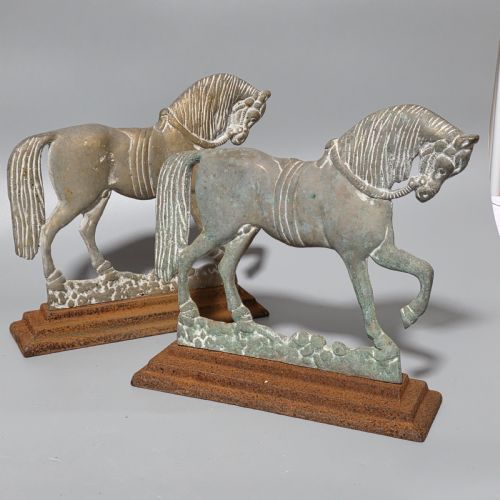
You will also find functional items sharing the same metalworking heritage, such as heavy doorstops cast in iron and brass. The prevailing aesthetic leans towards anatomical realism, though modernist interpretations also appear across the listings.
How they were made
The creation of these figures relies primarily on casting metal into moulds to capture muscle and movement. Bronze serves as the principal medium, sometimes enhanced with patination or cold-painted surface details.
Makers frequently mounted the finished metal sculptures onto contrasting plinths made of marble or stone. Other variations involve mixed metals or painted surfaces, particularly in doorstops that combine cast iron and brass.
Listings feature works spanning the nineteenth century, the Edwardian era, and the mid twentieth century in bronze, cast iron, and marble.
What varies in quality
The quality of the base and the depth of the patina also influence the character of the piece. Integrated artist signatures and older founding methods distinguish exceptional works from standard decorative castings.
P J Mêne·Franz Bergman·Philip Blacker·Pierre Jules·Paul Joseph Gayrard
The Cast Bronze Horse Ornament Glossary
- Animalier
- A nineteenth-century artistic movement focused on the realistic portrayal of animals. Sculptors in this tradition studied anatomy closely to capture creatures in action.
- Cold-painted bronze
- A technique where the metal object is painted with natural oil paints and left to dry without high-temperature firing. This finish requires careful handling to preserve the pigments.
- Patination
- The chemical treatment applied to the surface of the bronze to alter its colour and tone. A rich patina develops character and depth over decades.
- Plinth
- The solid base upon which the bronze sculpture rests. These are frequently fashioned from polished marble or stone to give the piece stability.
Cast Bronze Horse Ornament: Frequently Asked Questions
How do I clean a bronze horse?
Dust the surface gently with a soft, dry cloth to prevent dirt accumulation. Avoid harsh chemical cleaners that can strip the original patina.
Apply a very thin layer of microcrystalline wax occasionally if the bronze appears dry. Buff it lightly with a clean cloth to restore a soft lustre without creating a glossy shine.
Where should I display my bronze?
Place the sculpture on a sturdy surface away from high-traffic edges where it might get knocked. A stable wooden table or a dedicated shelf works well.
Keep the piece out of direct sunlight and away from excessive moisture to protect the metal and any stone base. Stable indoor conditions help preserve the finish over time.
What is cold-painted bronze?
Cold-painting involves applying natural oil paints to a bronze casting without the heat-firing process used in enamelling. This technique allowed Austrian workshops to achieve vibrant, lifelike colours on small animal figures.
Because the paint sits on the metal surface rather than fusing with it, these pieces demand careful preservation. Gentle handling ensures the delicate polychrome finish remains intact.