
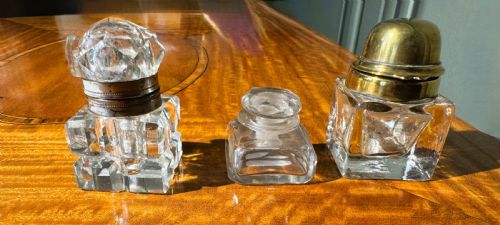
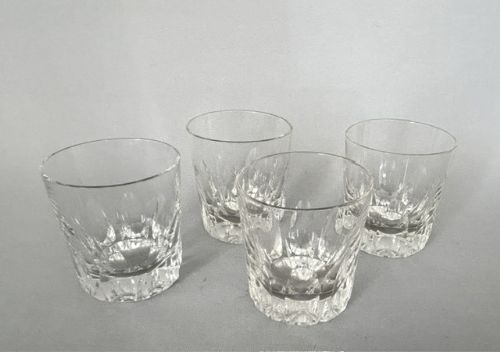
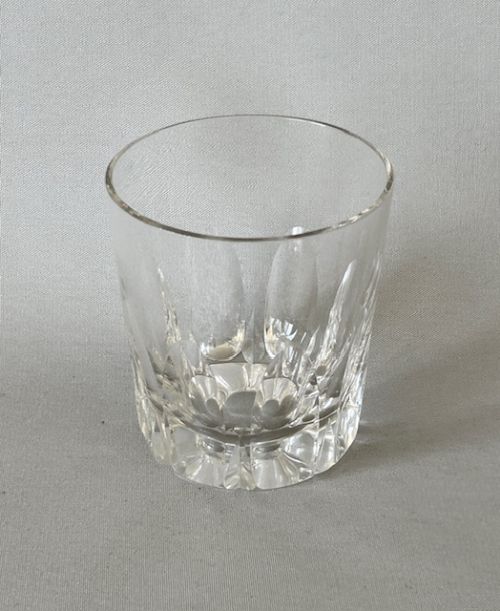

Heavy Cut Glass
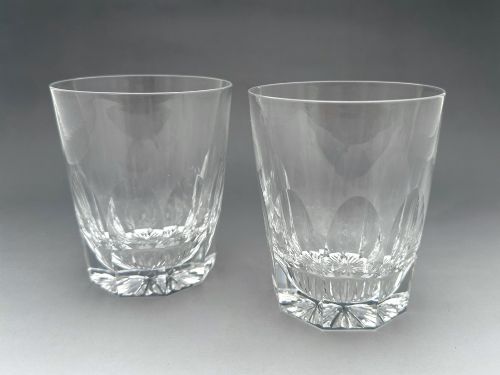
Heavy cut glass brings tactile weight and sharp light refraction to a room, offering sturdy vessels and table wares shaped by deep wheel-cutting.
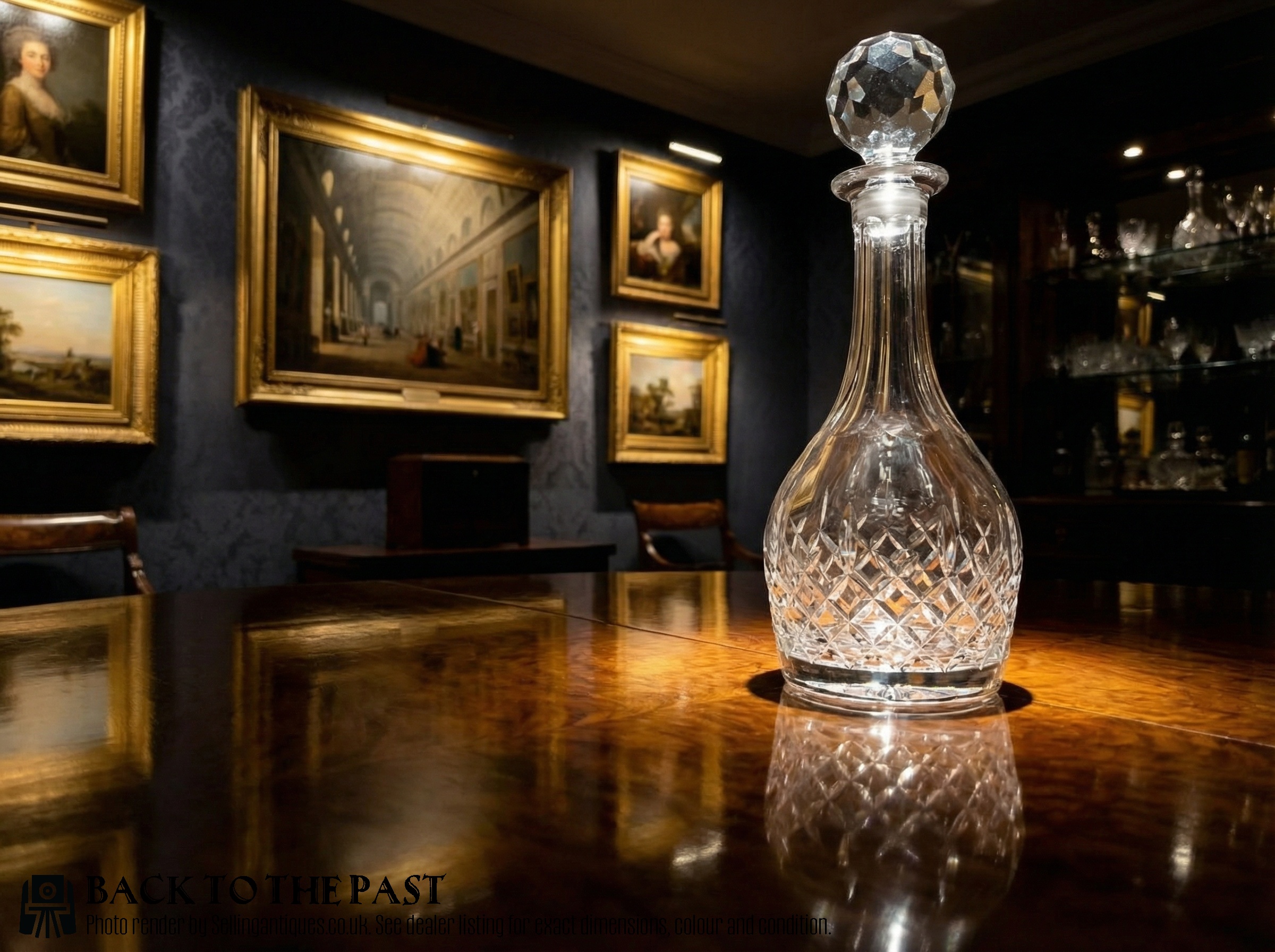
Heavy Cut Glass
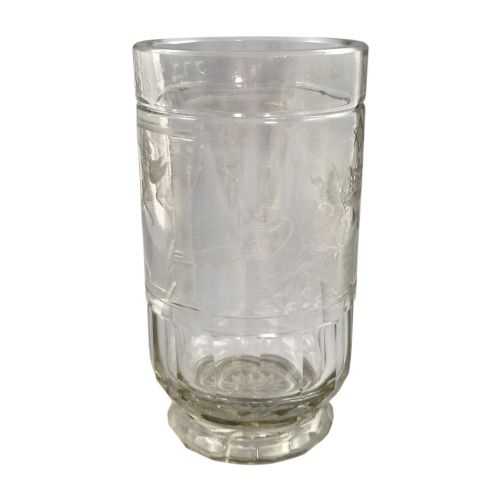
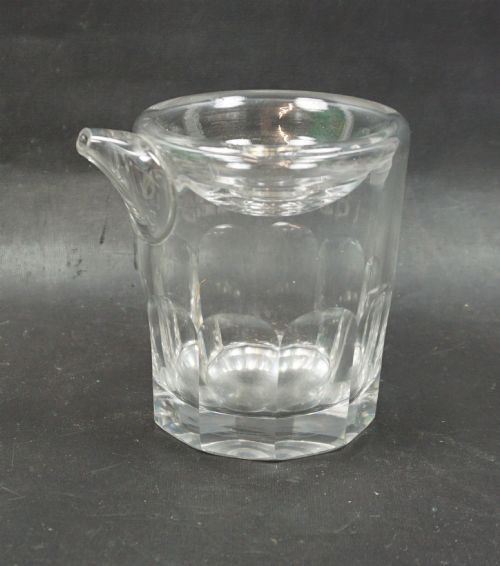
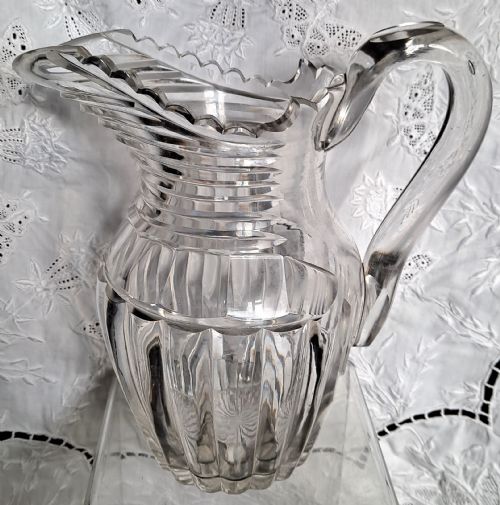
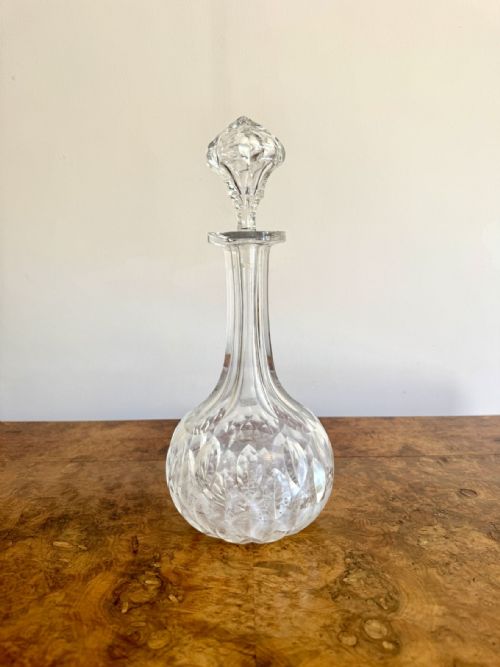
When you search for heavy cut glass, you are looking at substantial functional objects and table wares shaped by deep wheel-cutting, ranging from decanters and tumblers to inkwells and table lamps. The pieces span the Georgian, Victorian, Edwardian, and Art Deco periods, drawing on English, Bohemian, and Belgian origins.
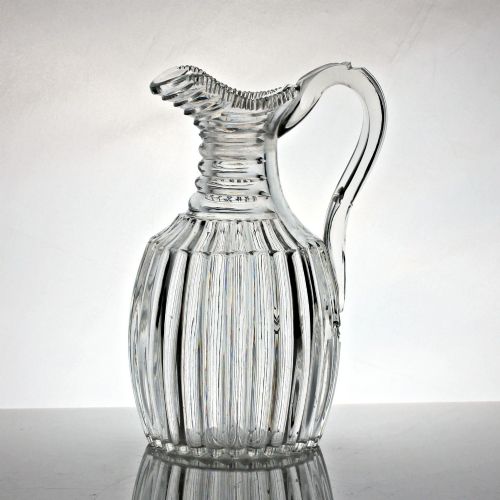
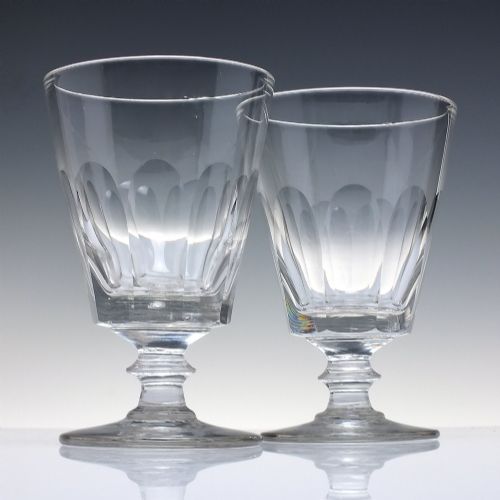
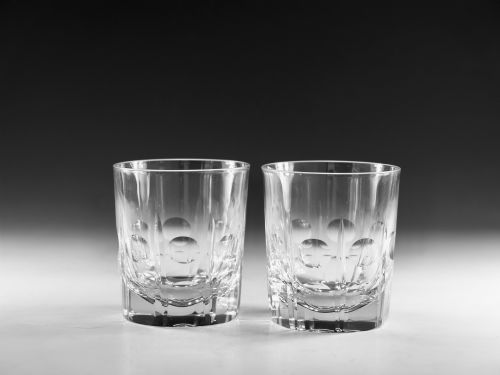
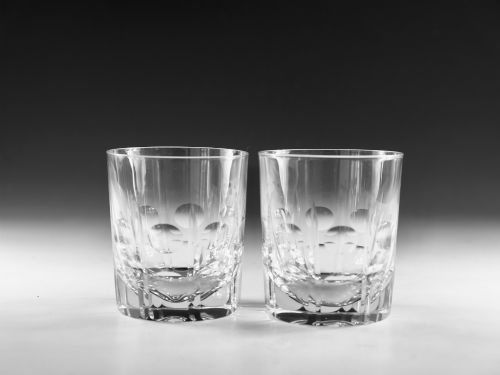
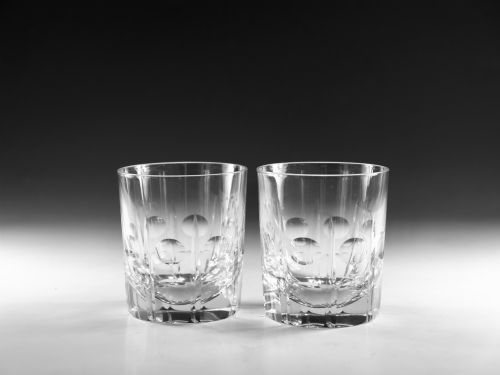
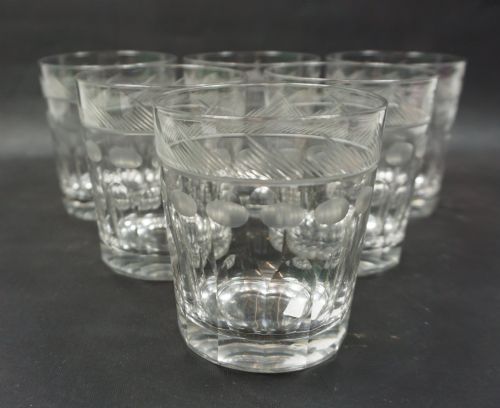
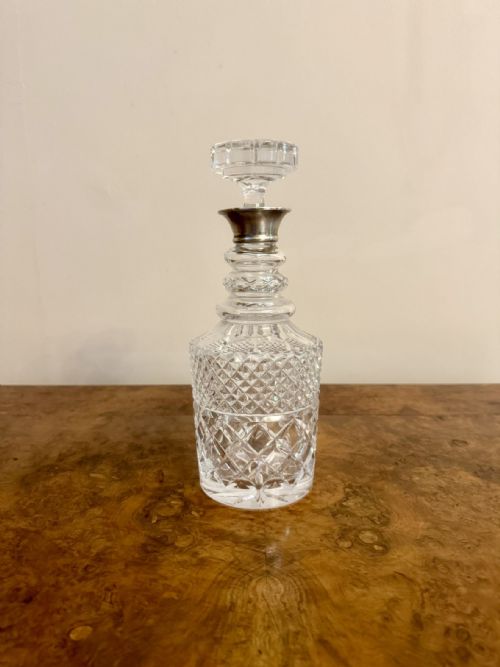
You are most likely to meet Edwardian decanters, Victorian rummers, and nineteenth-century jugs on this page, alongside smaller groupings of whiskey tumblers and inkwells mounted in sterling silver or brass.
The forms extend from ship's decanters and pedestal bowls to table lamps and cruet sets, reflecting the shifting domestic needs of the nineteenth and twentieth centuries.
Materials and construction
These items were shaped from lead glass or crystal using hand-blown techniques before cutters applied deep wheel-cut patterns into the thick material. The substantial weight comes from the high lead content traditionally used to soften the glass for easier cutting and to maximise light dispersion.
Mounts in sterling silver, silver plate, or brass frequently accompany the glass bodies, particularly on decanters, inkwells, and scent bottles where collars or hinged lids provide structural closure.
Distinctions in quality
Quality rests upon the crispness of the cutting and the clarity of the metal, where sharper facet edges and heavier blank walls denote superior craftsmanship. Pieces with deeply incised patterns and zero optical distortion in the glass body stand apart from simpler pressed or light mould-blown alternatives.
The integration of precious mounts, such as hallmarked sterling silver collars by known makers, elevates a piece through the addition of secondary material skill.
Thomas Webb and Sons·Martin and Hall·John Grinsell and Sons·Val St Lambert·Tiffany and Co
The Heavy Cut Glass Glossary
- Lead crystal
- Glass containing a significant percentage of lead oxide, which increases the weight, refractive index, and workability for deep cutting. This material allows the sharp, clear facets characteristic of the better pieces.
- Rummer
- A large, sturdy drinking glass with a thick stem and bowl, typically utilised for wine, ale, or punch during the eighteenth and nineteenth centuries. They possess heavy footed bases to prevent tipping on rustic tables.
- Ship's decanter
- A decanter with a wide, stable base and a tapering body designed to prevent tipping at sea. The form remained popular ashore for its practical stability.
- Prism cut
- A linear cutting style featuring flat, parallel facets that break light into prismatic bands. It appears frequently on the necks of decanters and bodies of jugs from the Georgian era onward.
- Comport
- An elevated pedestal bowl used for serving fruit or sweetmeats on formal dining tables. They often feature heavy cut crystal bodies supported by a solid foot.
Heavy Cut Glass: Frequently Asked Questions
How do I date heavy cut glass?
Dating relies on combining the silhouette of the object with the style of the cutting and any associated metal mounts. Georgian and early Victorian pieces often feature hand-polished pontil marks and thick, heavy proportions.
Later Edwardian and Art Deco items show more uniform machine-assisted polishing and distinct period motifs like geometric cruet frames or coloured overlays.
Can I use these decanters for wine?
These historical decanters remain entirely suitable for holding and serving wine today. Their thick lead glass construction helps insulate the contents while providing a stable, heavy base on the dining table.
Gentle hand washing protects the inner surfaces and any delicate silver collars from harsh dishwasher detergents.
Why are some pieces so heavy?
The substantial weight comes from a high lead oxide content in the molten batch, which increased the density of the glass. This heavy metal formula allowed artisans to cut deeper facets without compromising the structural integrity of the vessel.
Makers deliberately utilised thick walls so the wheel could carve bold, tactile patterns into the surface.
How should I clean antique cut glass?
Cleaning requires warm water and mild detergent paired with a soft bottle brush for interior residues. Avoid sudden temperature changes to prevent thermal shock from cracking the thick glass walls.
Polishing with a lint-free cloth restores the sharp brilliance of the facet cuts.