


Heavy Bronze Bowl
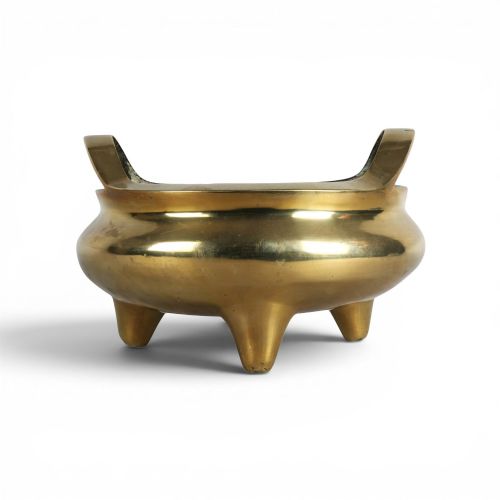
A heavy bronze bowl brings substantial presence to a room, appearing in forms ranging from apothecary mortars to ritual censers.
Heavy Bronze Bowl
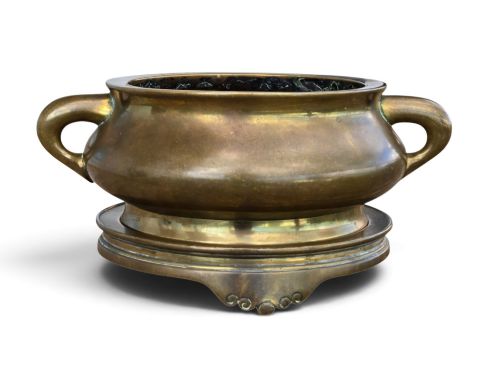
When you search for a heavy bronze bowl, you encounter dense metal vessels created for ritual, domestic, and scholarly purposes across multiple centuries. These objects span periods from the sixteenth century to the early twentieth century, originating from English workshops and Asian dynasties alike.
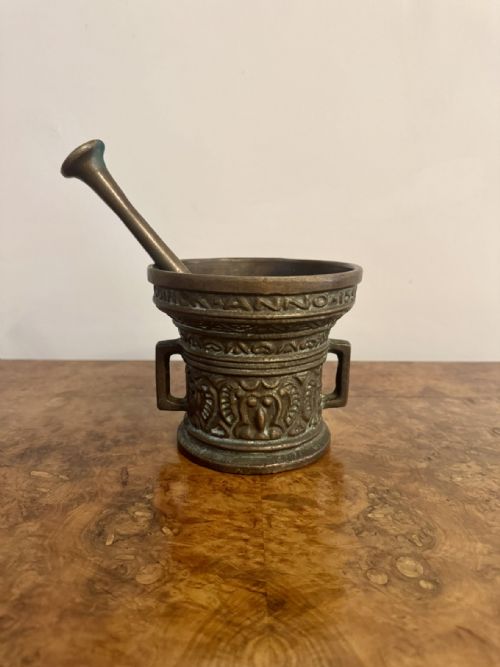
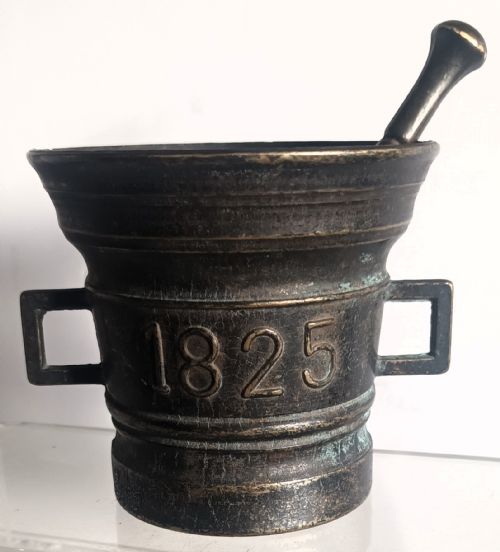
The most common versions on this page are substantial Chinese censers and English apothecary mortars. Many examples weigh several kilograms, showing considerable heft from thick walls and solid bases.
How they were made
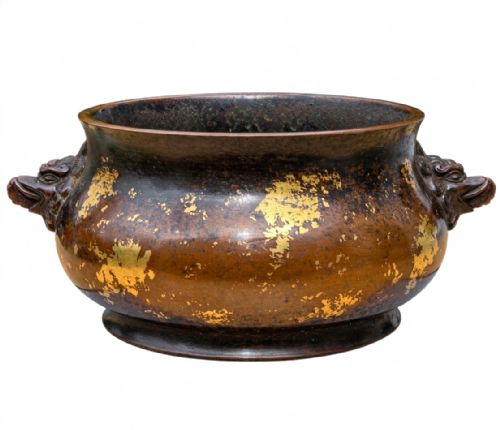
These items rely on casting techniques using copper alloy, bronze, and bell metal, sometimes enhanced with gold leaf. Metalworkers poured molten alloy into moulds to achieve thick structural walls capable of sustaining heavy impacts in kitchens or producing resonant tones in scholarly settings.
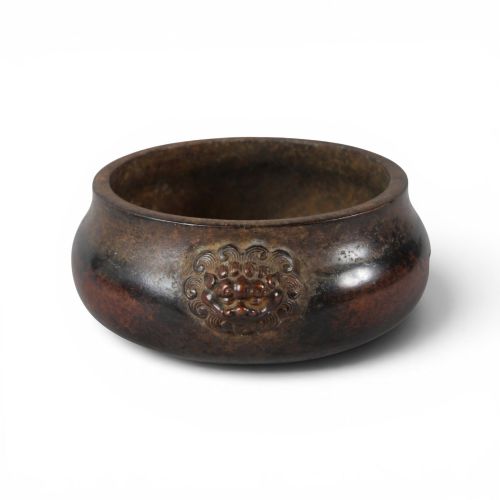
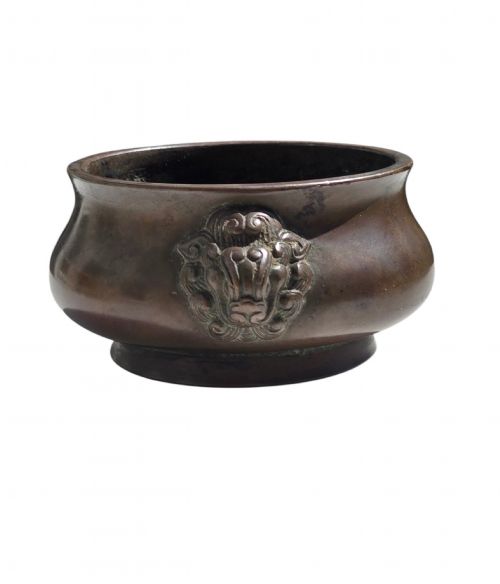
Surface treatments include cast relief decoration such as taotie masks and lion-mask handles. Individual pieces also display traces of gilding or deliberate patination applied during manufacture.
Object forms span incense burners, censers, mortars and pestles, decorative bowls, metalware, and jardinieres.
What varies in quality
Quality rests in the precision of the casting and the crispness of applied decorative motifs like mask handles and archaic script marks. Superior examples exhibit balanced proportions and substantial weight that correlates directly with the density of the metal.
The integrity of the alloy also dictates resonance and durability, distinguishing utilitarian kitchen vessels from master-cast scholar pieces intended for display or ritual use.
Wu Bangzuo
The Heavy Bronze Bowl Glossary
- Censer
- A vessel used for burning incense during rituals or in scholarly spaces. These often feature tripod legs and pierced covers.
- Mortar and pestle
- A paired set comprising a heavy bowl for grinding materials and a handheld club used alongside it. English and European examples frequently served apothecary or kitchen functions.
- Bell metal
- A hard alloy used for making bells and resonant vessels, combining copper and tin. This specific mixture contributes to the clear acoustic ring noted in superior metalware.
- Jardiniere
- An ornamental pot or bowl designed to hold plants or flowers. These items appear in later nineteenth-century Japanese metalwork.
Heavy Bronze Bowl: Frequently Asked Questions
How do I date an old bronze bowl?
Dating relies on stylistic markers such as archaic Chinese dynasties, English Georgian periods, or nineteenth-century Japanese designs. Form, surface wear, and manufacturer marks provide further chronological context.
Examining the casting method and the specific type of object, such as a scholar's censer or an apothecary mortar, helps narrow down the era of manufacture.
Were these bowls used for cooking?
Heavier vessels with thick walls generally functioned as apothecary mortars for crushing ingredients rather than as cooking pots. Their dense bronze or bell metal construction withstood heavy pestle impacts.
Other forms, such as tripod censers and decorative bowls, served ritual, burning, or display purposes rather than culinary ones.
What is a scholarly censer?
A scholar's censer is a bronze ritual vessel created for the desks and studies of educated elites, particularly during Chinese dynasties. These pieces were prized for their refined forms and tactile qualities.
They often incorporate traditional motifs like taotie masks and carry marks of specific periods or makers.
How do I clean an antique bronze bowl?
Cleaning should be minimal to preserve the historic patina and surface character built up over centuries. Dusting with a soft dry cloth is usually sufficient for maintenance.
Avoid abrasive polishes or chemical cleaners that strip away the aged surface layers and historical evidence of use.