



Hearth Kettle Stand
A hearth kettle stand brings practical warmth and structural elegance to the fireplace, serving as a sturdy platform for heating pots close to the coals.
Hearth Kettle Stand
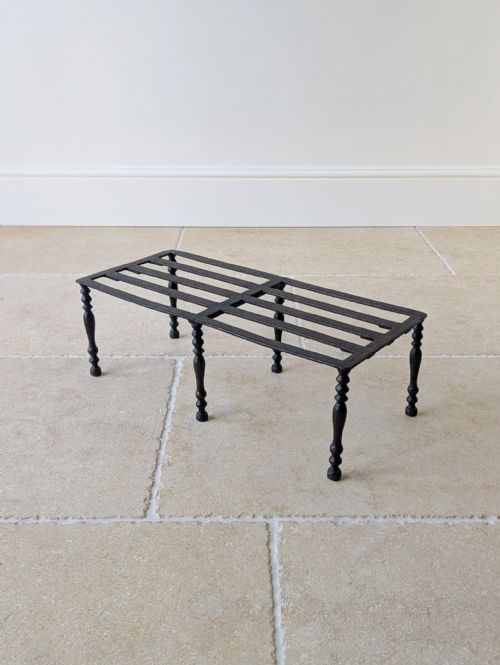
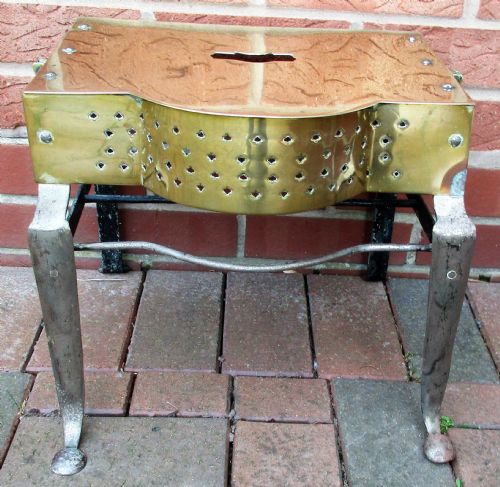
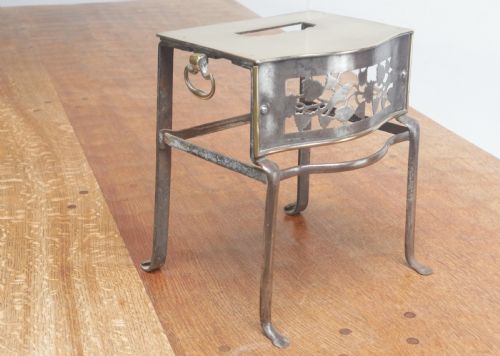
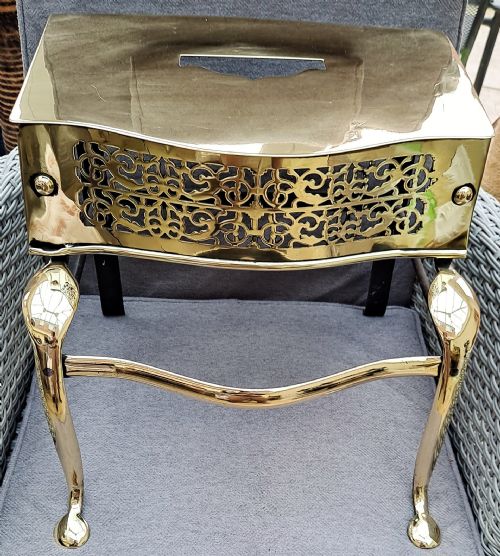
A hearth kettle stand functions primarily as a fireside footman, trivet, or plate warmer designed to sit directly by the hearth. These pieces serve to keep liquids warm or meals heated near the warmth of an open coal fire.
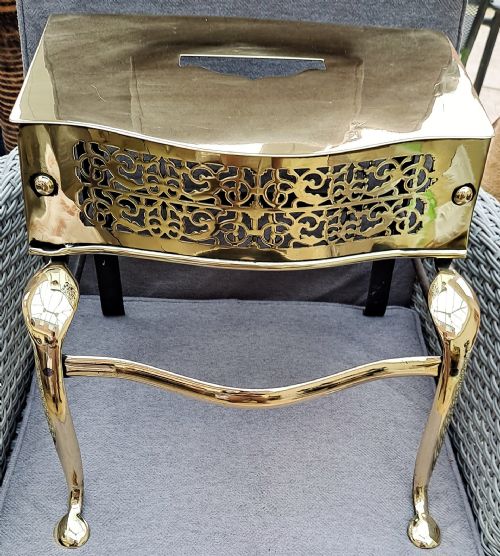
The selections encountered here span the Georgian, Regency, and Victorian periods, with many items originating from English and Welsh workshops. Forms range from low stools with cabriole legs to two-tier stands and hanging copper vessels.
Buyers frequently encounter robust brass and steel footmen alongside specialist pieces like Dutch pear-shaped kettles and cat stands. Each object reflects the heavy domestic utility required of a busy fireplace in past centuries.
What varies in quality
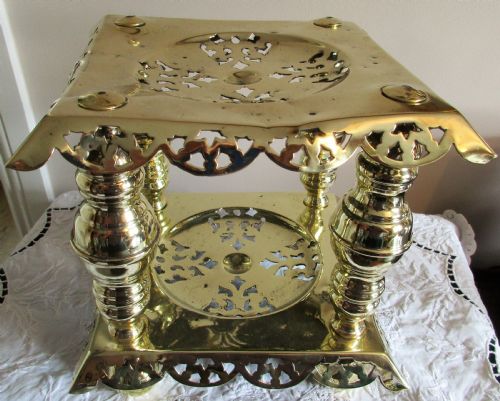
The distinction between standard domestic items and superior examples lies in the weight of the metal and the refinement of the decorative piercing on the top plate. Heavier brass castings and intricate hand-cut pierced designs indicate a higher grade of production.
Proportion and structural integrity also separate fine pieces from ordinary ones, particularly in the balance of the legs and the secure fitting of riveted joints. Pieces retaining their original complementary metal combinations demonstrate better preservation.
The Hearth Kettle Stand Glossary
- Footman
- A metal stand with four legs used beside the fireplace for holding kettles or warming plates. These items sat directly on the hearth stones.
- Trivet
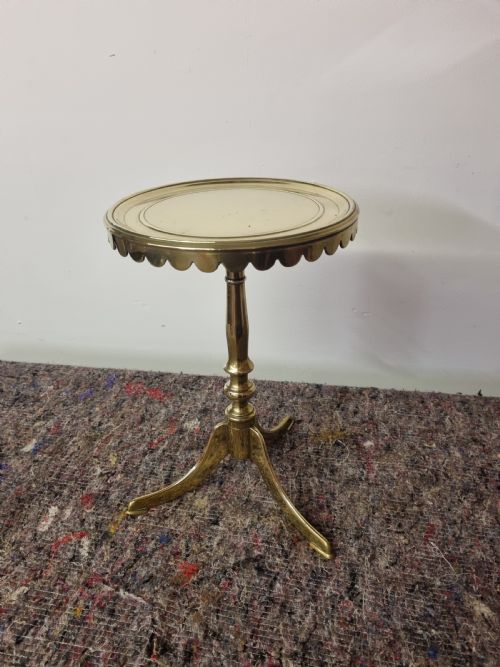
- A small three-or four-legged platform placed near a fire to support cooking vessels. They are closely related in function to larger footmen.
- Cabriole leg
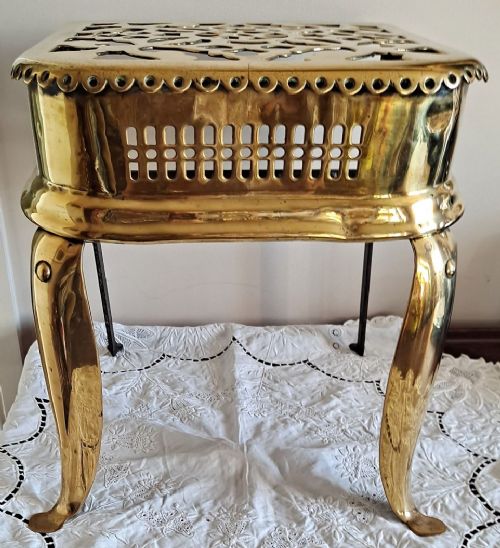
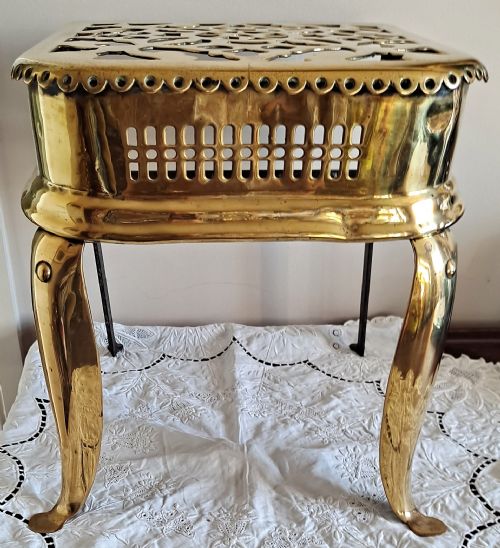
- A curved furniture leg that bends outward and then tapers inward, frequently seen on finer Georgian stands. This shape imitates the natural curve of an animal leg.
- Pierced top
- A flat metal surface decorated with cut-out geometric, floral, or scroll patterns. This ornamentation allowed heat to circulate while lightening the heavy metal plate.
Hearth Kettle Stand: Frequently Asked Questions
What is a hearth kettle stand?
A hearth kettle stand is a low metal table or stool placed by the fireplace to hold pots near the fire. They supported heavy vessels above the ash and embers.
These objects were essential items in historic kitchens and parlours for boiling water and keeping food warm. Their robust construction allowed them to withstand intense daily heat.
How were these stands used?
Historic households used these stands to heat water for tea and to keep dishes warm before serving. They sat on the hearth floor right beside the burning coal.
Servants moved them closer to the fire or further back to regulate the temperature of the vessel placed on top. The elevated design protected surfaces and kept kettles stable.
How do I date a brass footman?
Dating relies on observing the casting quality, the style of the legs, and the pattern of any pierced metalwork. Georgian pieces often display cabriole legs and hand-cut geometric piercing.
Victorian and later items generally show heavier machine-finished components or different stylistic revivals. Comparing the combination of brass tops and iron frames helps narrow the period.
Can I use an antique stand daily?
Most antique stands remain structurally sound enough to support modern kettles or decorative items. Their solid iron and brass construction ensures lasting durability.
Owners should clean the metal gently and check that the legs sit level on modern flooring. Regular light use preserves the historical character of the piece without causing damage.