



Hearth Cooking Pot
These heavy metal vessels built for the open hearth are the fundamental tools of early domestic life.
Hearth Cooking Pot
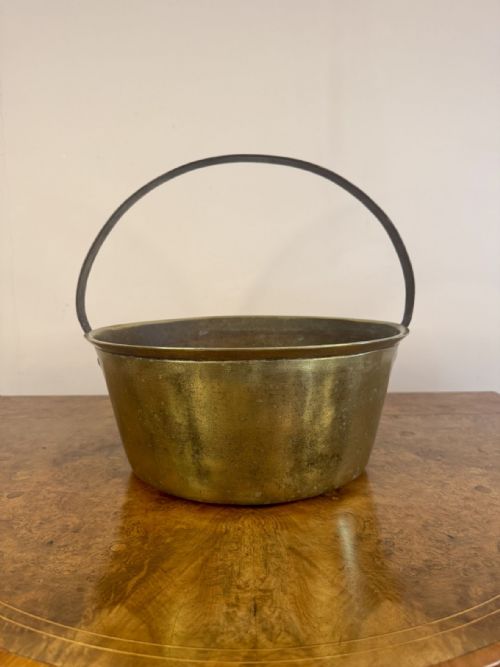
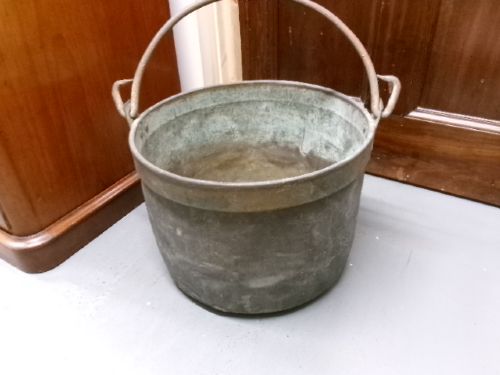
A hearth cooking pot encompasses heavy metal vessels designed for open fires, including cauldrons, skillets, and jam pans. These pieces emerge from the seventeenth, eighteenth, and nineteenth centuries in forms shaped for daily kitchen labour.
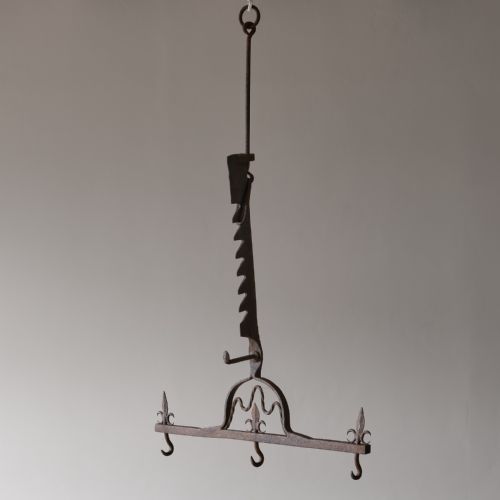
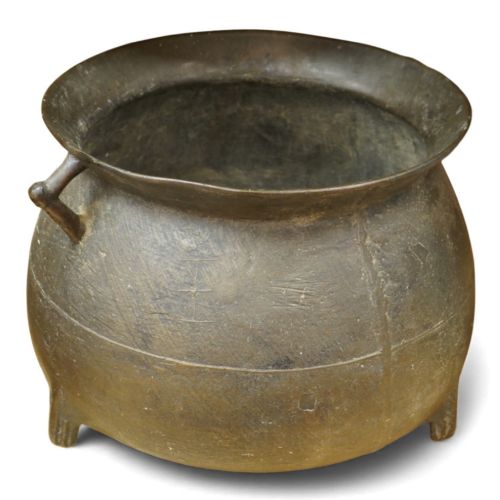
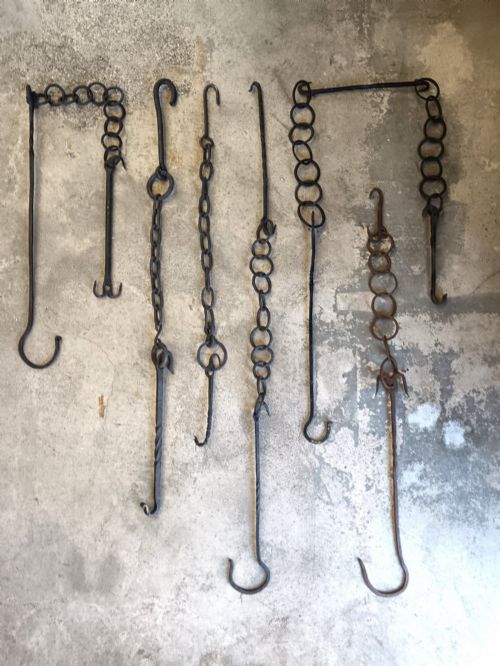
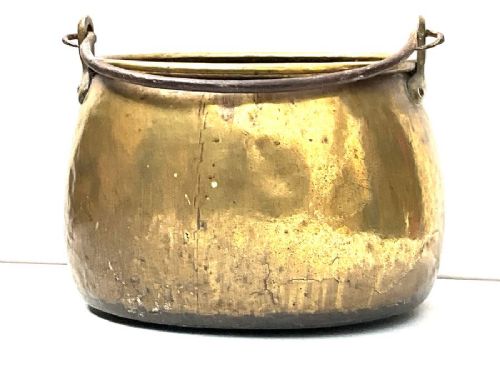
The version most commonly met on this page is the copper cooking vessel or brass cauldron from the Georgian and Victorian eras. Alongside these stand older bronze cauldrons and hand-forged wrought iron trammels.
Makers fashioned these utensils for utility in farmhouse and domestic kitchens before open hearths gave way to closed ranges. Today they serve as substantial decorative pieces of kitchenalia and fireplace accessories.
Materials and methods
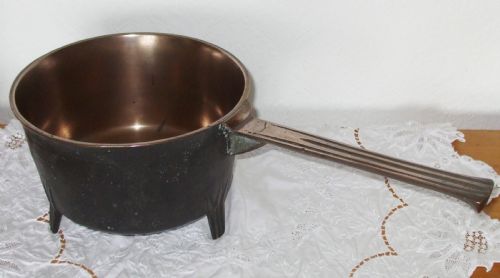
Foundry workers cast metal in moulds to create thick-walled bronze, brass, and iron cauldrons and skillets. This method produced rigid vessels capable of withstanding direct contact with burning wood and coal.
Coppersmiths hammered sheet metal into large vessels, joining seams carefully to hold liquids without leaking. Wrought iron pieces relied on blacksmiths hand-forging hooks and trammels over an anvil.
Hearth Cooking Pot Retail Price Guide 2026
Typical asking prices for hearth cooking pot among the pieces listed under this phrase on Sellingantiques today, from the lower quarter to the upper quarter. They describe what is for sale here now, not the wider market.
Some seventeenth-century bronze cauldrons retain the faint soot marks of a Tudor stew.
Judging the pieces
Substance separates the utilitarian objects from the finest examples, seen in thick metal walls and heavy swing handles. Weight indicates durability and the amount of material consumed in casting.
Original surface condition and undisturbed patina matter greatly to collectors who value untouched age. Signs of actual hearth use, such as soot deposits and wear, complete the character of the object.
The Hearth Cooking Pot Glossary
- Cauldron
- A large metal pot with a rounded bottom and legs or a bail handle for suspension over a fire. These vessels stewed meats and boiled water directly in the hearth.
- Trammel
- An adjustable iron hook used to hang pots at varying heights above the flames. Blacksmiths forged these devices with notches to control cooking temperatures.
- Posnet
- A small metal cooking pot or skillet featuring three legs and a single long handle. Cooks used them for melting butter or heating liquids.
- Jam pan
- A wide, shallow brass or copper pan designed for preserving fruit and boiling sugar. Their broad bases allowed rapid evaporation during food preparation.
Hearth Cooking Pot: Frequently Asked Questions
How were these pots used?
Historic cooks suspended these vessels over hearth fires using wrought iron trammels and pot hangers to boil water, stew meats, and preserve fruit. Their heavy metal construction distributed intense heat evenly.
Many featured small legs to stand securely among hot wood embers or single handles for careful pouring and positioning by the fireside.
How do I clean antique brass and copper?
Most collectors prefer to leave an aged patina untouched, as it shows the genuine history and use of the metal over centuries. Aggressive polishing removes the surface character that defines an antique.
If cleaning is necessary, use a mild cloth to remove dust without stripping the dark oxidation and original marks accumulated from the hearth.
How do I date a bronze cauldron?
Dating relies on stylistic clues, casting marks, and the specific composition of the metal alloy used in the vessel. Seventeenth-century examples often display distinct regional shapes like the Somerset type.
Later Victorian brass saucepans and jam pans generally exhibit smoother machine finishing and lighter walls compared to earlier cast pieces.