



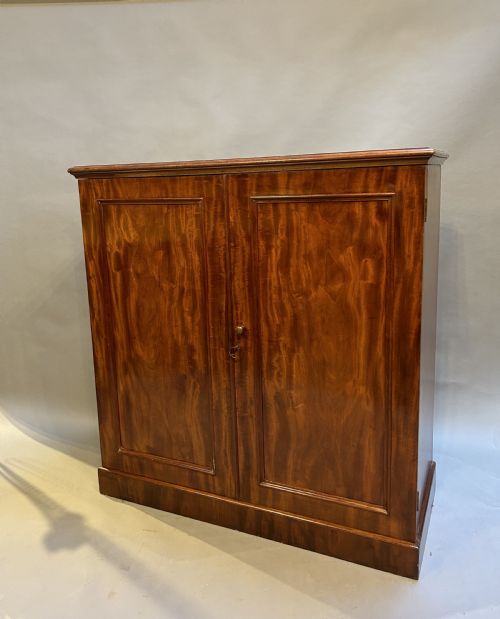


Heals Vintage Cupboard
A heals vintage cupboard brings solid construction and clean lines to a room, offering practical storage with distinct period character.
Heals Vintage Cupboard
A heals vintage cupboard covers a broad range of storage furniture produced across several decades, running from late nineteenth century Victorian pieces through to the nineteen thirties. Buyers searching this phrase typically encounter practical domestic items designed for bedroom, hallway or living space use, constructed with notable attention to utility and form.
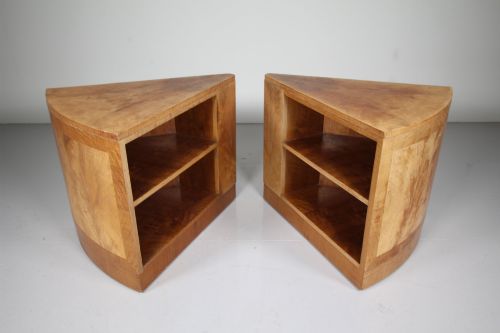
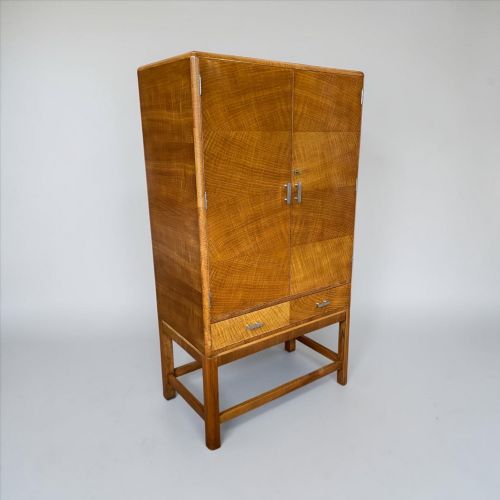
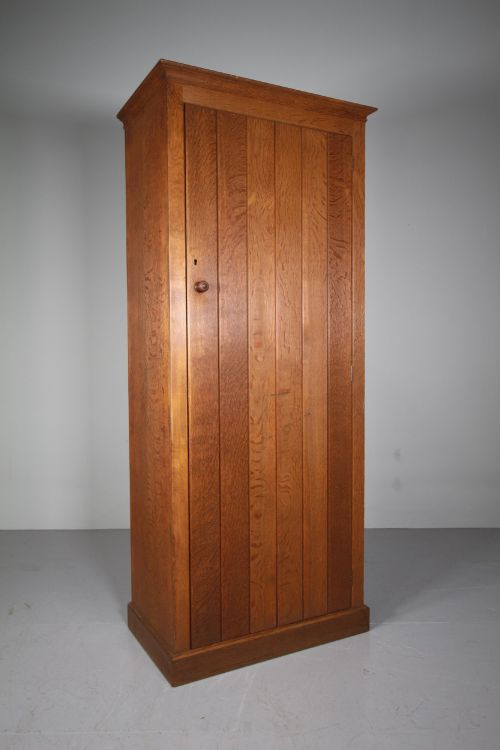
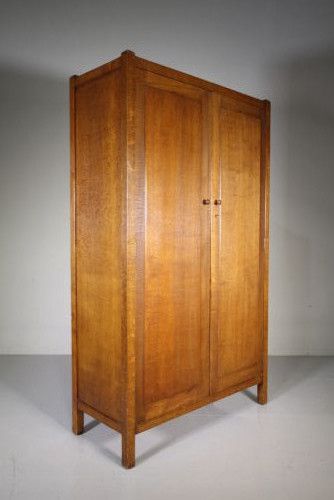
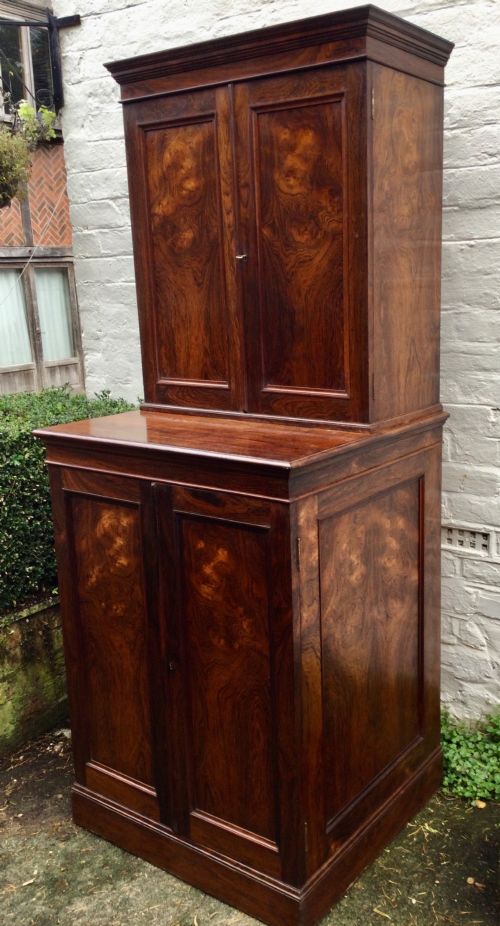
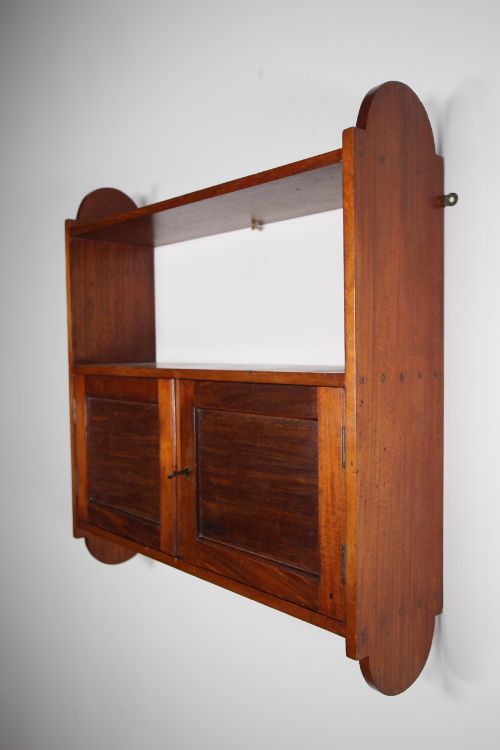
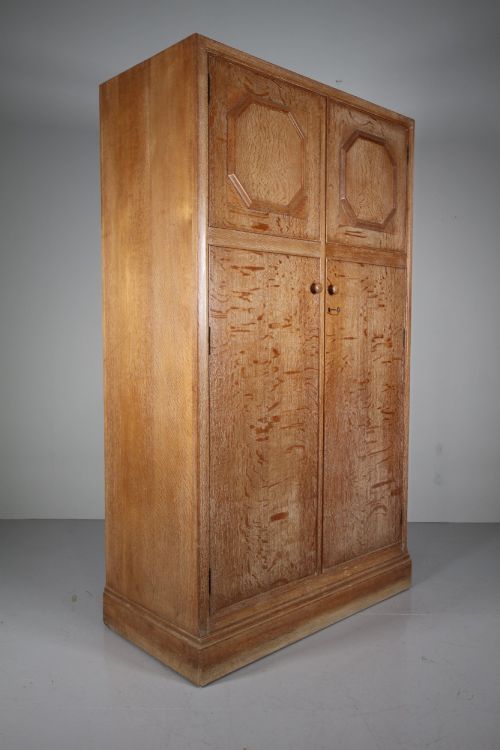
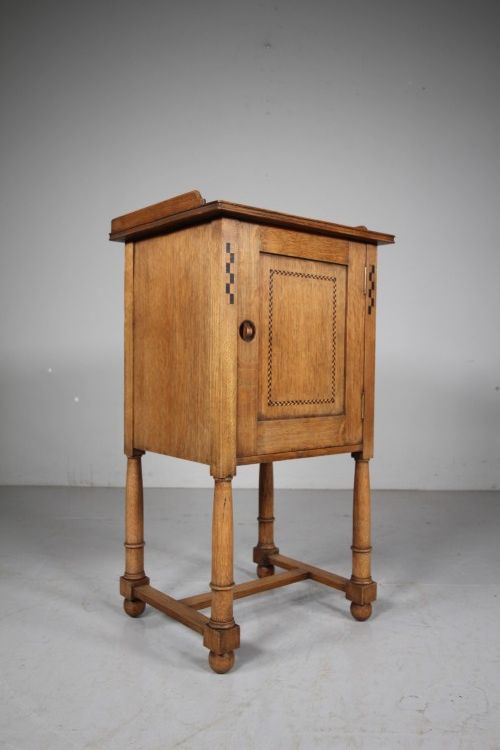
The pieces appearing on this page span several distinct stylistic movements, most notably Arts and Crafts and Art Deco. Oak remains the predominant timber, though walnut, rosewood and varied inlays also feature across wardrobe, bedside, wall-mounted and tallboy formats.
How they were made
Construction relies heavily on solid oak, walnut and rosewood timbers, frequently paired with brass hardware and glass inserts. Cabinet makers utilised traditional joinery methods to build durable frames capable of enduring daily domestic use.
Surface ornamentation often incorporates ebony and boxwood inlay work, particularly on earlier nineteenth century pieces. Later nineteen twenties and thirties examples introduce limed finishes and geometric Art Deco styling to the wooden surfaces.
Heals Vintage Cupboard Retail Price Guide 2026
Typical asking prices for heals vintage cupboard among the pieces listed under this phrase on Sellingantiques today, from the lower quarter to the upper quarter. They describe what is for sale here now, not the wider market.
Listings span from the 1880s through to the 1930s, featuring oak, rosewood, walnut, and decorative inlay work.
What varies in quality
Quality differences often hinge upon the sophistication of the timber selection and the complexity of the internal configuration. Finer examples display meticulous grain matching and precise inlay work, whereas simpler utilitarian pieces prioritise straightforward function over decorative embellishment.
The presence of original maker labels or stamps elevates the desirability of a piece significantly. Construction integrity, original brass fittings and undamaged glass panels further distinguish standard production items from superior workshop output.
The Heals Vintage Cupboard Glossary
- Wardrobe
- A tall cupboard designed primarily for hanging garments and storing clothing. These pieces often incorporate internal shelving or drawers alongside the main hanging space.
- Tallboy
- A tall chest of drawers or a wardrobe-style cabinet standing higher than a standard chest. They maximise vertical storage capacity within a compact footprint.
- Linen press
- A large storage cabinet traditionally used for household linens, featuring internal sliding trays or shelves behind doors. They are typically executed in solid oak or mahogany.
- Inlay
- A decorative technique where contrasting materials such as boxwood or ebony are inserted into recessed cavities on the wood surface. This creates flat patterns and visual borders.
Heals Vintage Cupboard: Frequently Asked Questions
What periods do these cupboards cover?
The pieces span from the late nineteenth century through to the nineteen thirties. This covers Victorian, Edwardian, Arts and Crafts and Art Deco eras.
Each period brings distinct material choices and design philosophies to the cabinet construction.
How do I identify a piece?
Look for maker labels, distinctive hardware, and characteristic construction methods associated with London workshops of the period. Documentation and stamps inside drawers or on the backboards offer the clearest confirmation.
Style indicators such as Arts and Crafts joinery or Art Deco geometry also help date and attribute the furniture.
Are these cupboards made of solid wood?
Most examples utilise solid timbers such as oak, walnut and rosewood for their primary structural and exterior surfaces. Cabinet makers selected these durable hardwoods to ensure longevity and structural stability.
Secondary woods may occasionally appear on internal drawer linings or back panels.
How do I care for the timber?
Keep wooden surfaces away from direct heat sources and strong sunlight to prevent the timber from drying out or warping. Regular dusting with a soft, dry cloth maintains the finish without building up residue.
Application of appropriate wax polish can nourish older hardwoods periodically.