

Harbour Landscape Art
Harbour landscape art captures maritime scenes of boats, quays, and coastal towns through centuries of oil paintings and watercolours.
Harbour Landscape Art
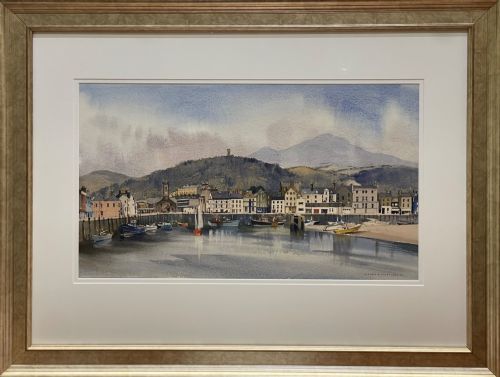
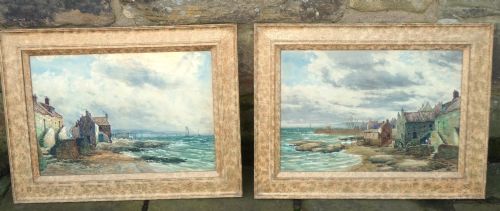
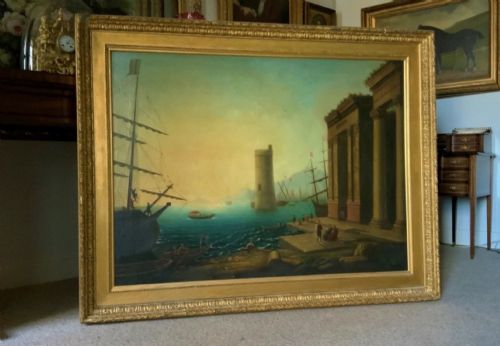
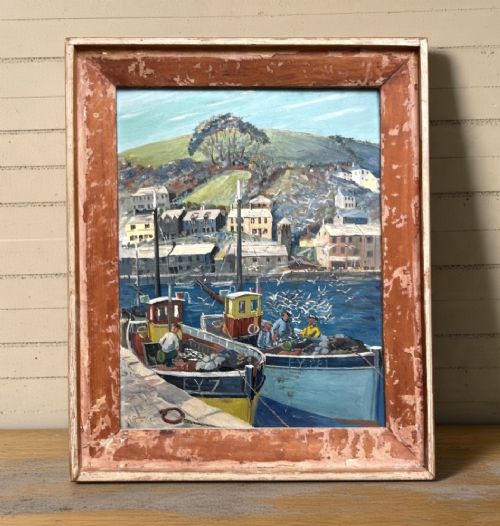
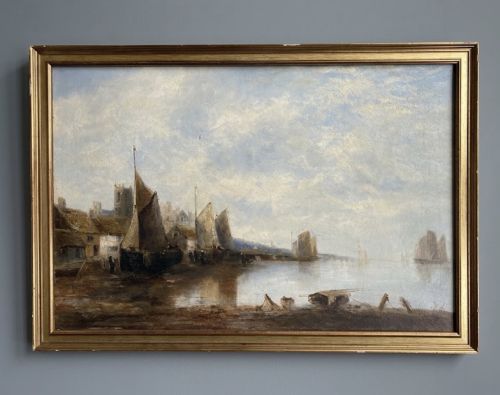
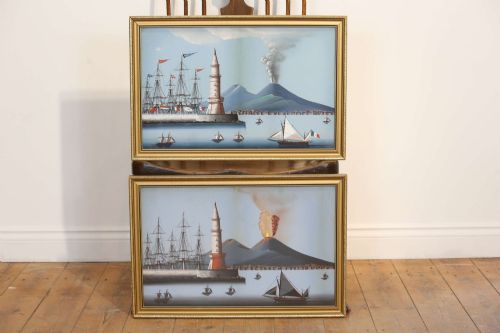
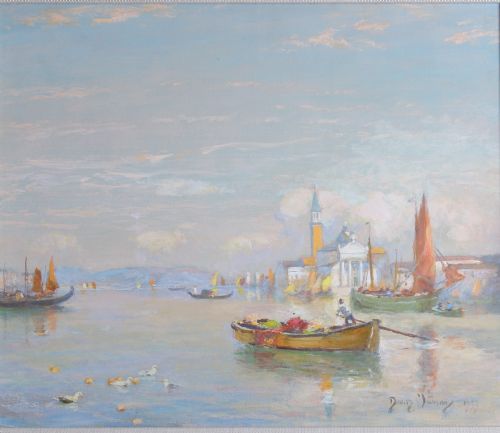
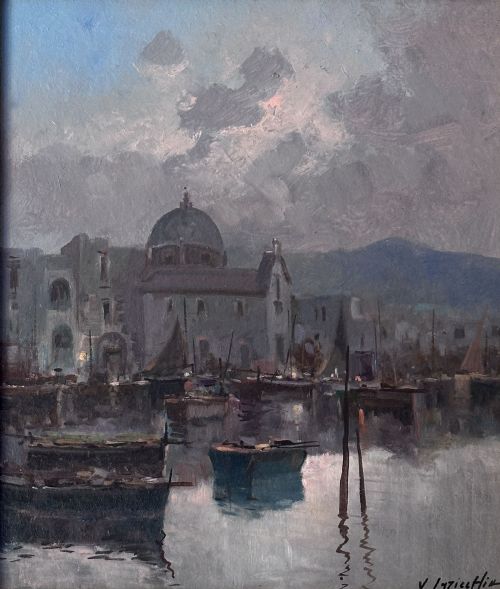
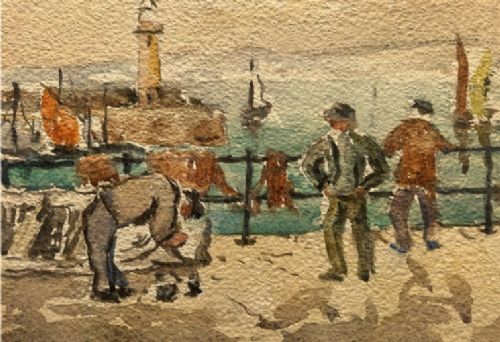
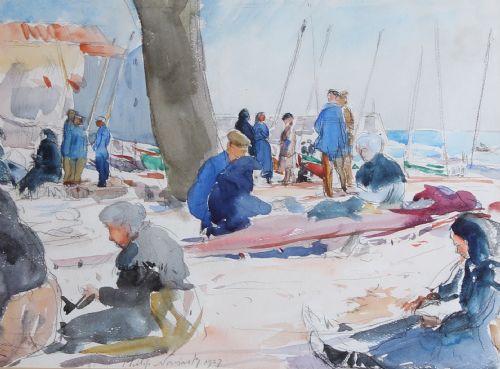
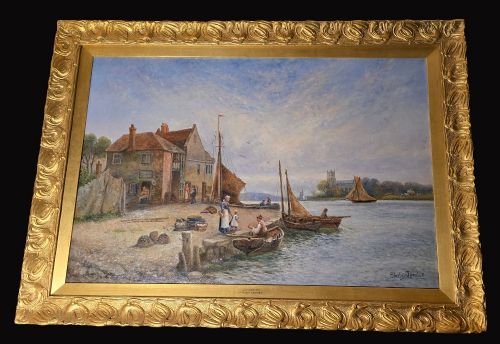
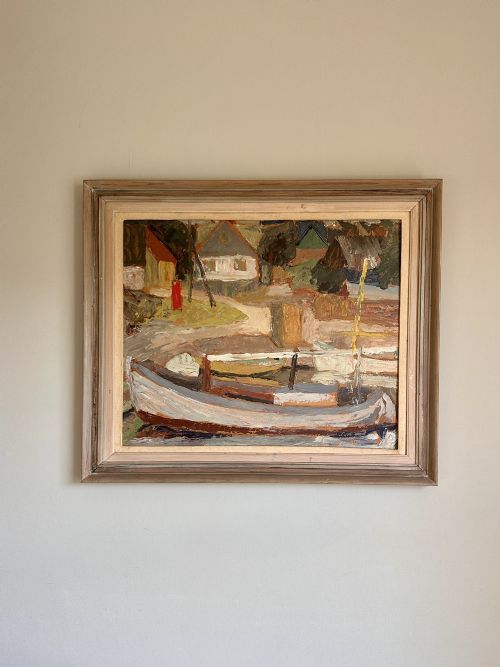
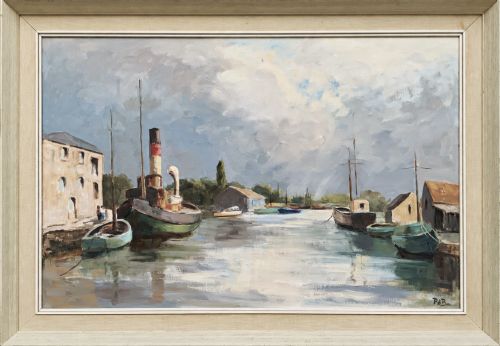
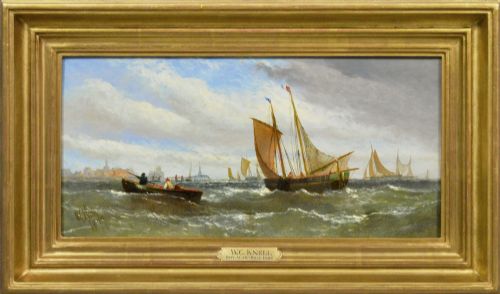
Harbour landscape art records the working life and topography of coastal ports, river inlets, and fishing villages through paintings and watercolours. The selections span from the nineteenth century into the mid-twentieth century, capturing British locations alongside international ports.
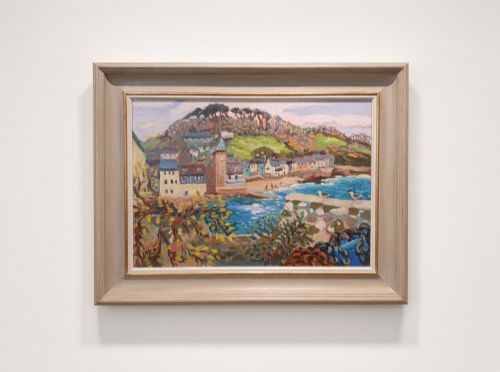
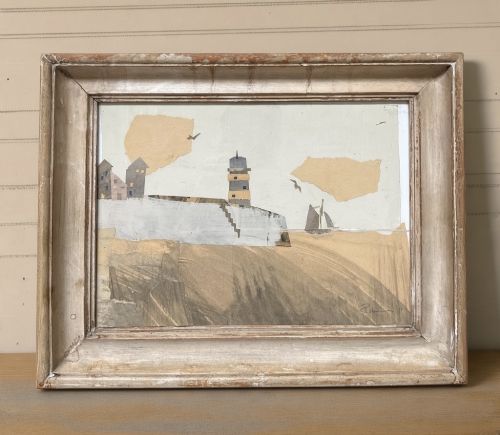
Most examples meet buyers through nineteenth-century works and early twentieth-century interpretations influenced by impressionism and post-impressionism. These pieces focus on piers, moored vessels, and dockside activity rendered on canvas, paper, or board.
Materials and Construction
Artists relied primarily on oil paint applied to canvas or wood panel, alongside watercolour pigments worked onto paper surfaces. These traditional media allowed painters to capture the atmospheric light and shifting reflections characteristic of maritime environments.
Framing often incorporates gold leaf accents to complement the tonal qualities of the painted compositions. Support structures range from stretched canvas to solid wooden boards and heavy watercolour paper.
Harbour Landscape Art Retail Price Guide 2026
Typical asking prices for harbour landscape art among the pieces listed under this phrase on Sellingantiques today, from the lower quarter to the upper quarter. They describe what is for sale here now, not the wider market.
The listings span from the nineteenth century to nineteen-sixty, featuring oil and watercolour on canvas, paper, and wood.
Evaluating Artistic Distinction
Quality rests upon the artist's ability to render atmosphere, spatial depth, and natural light across the maritime scene. Stronger works demonstrate confident brushwork and a coherent palette that conveys the specific weather and mood of the coast.
Compositional balance and the handling of architectural elements alongside water separate accomplished works from routine topographical views. The integration of vessels, figures, and surrounding docks reveals the technical command of the painter.
Stanley Leader·George F Pennington·Peggy de Brett·Philip Naviasky·Sir David Murray·James E Aitken·William Banks Fortescue·James Kay·Augusto Alberici·Clive Browne·Peter Brannan·Paul Bret·Hector Caffieri·Thomas Creswick·Willem Bos·Alfred G Morgan·Thomas Hodgson Liddell·Walter Goodin·Paul Jean Anderbouhr·Charles William Wyllie·William Edward Webb·Edward Matthew Elliott
The Harbour Landscape Art Glossary
- Watercolour
- A paint consisting of water-soluble pigments suspended in a gum binder. It is applied to paper to achieve translucent washes of colour.
- Oil on Canvas
- A painting technique utilising pigments bound in a drying oil applied to a stretched fabric support. This method permits rich texture and deep colour saturation.
- Impressionism
- A nineteenth-century painting style characterised by relatively small, thin yet visible brush strokes and an open composition. It emphasises accurate depiction of light in its changing qualities.
- Gilt Frame
- A decorative protective surround finished with a thin layer of gold leaf. These frames enhance the visual presentation of historic paintings.
Harbour Landscape Art: Frequently Asked Questions
What periods do these paintings cover?
The available selection spans from the nineteenth century through the mid-twentieth century. Works frequently originate from specific decades between eighteen-eighty and nineteen-sixty.
This broad chronological range encompasses Victorian sensibilities, Edwardian watercolours, and mid-century impressionist interpretations of maritime subjects.
How were these coastal scenes painted?
Artists employed oil paints on canvas or board, alongside watercolours on paper. These materials were chosen to capture the changing light and reflective surfaces of harbours.
Many examples retain their period frames, occasionally finished with gold leaf accents to complement the maritime compositions.
How do I display a maritime painting?
These works suit domestic spaces that benefit from natural light and traditional decor. Wall placement should avoid direct sunlight to protect pigments on canvas and paper.
Matching the frame finish to surrounding interior elements helps integrate nineteenth and twentieth-century pieces into modern rooms.