
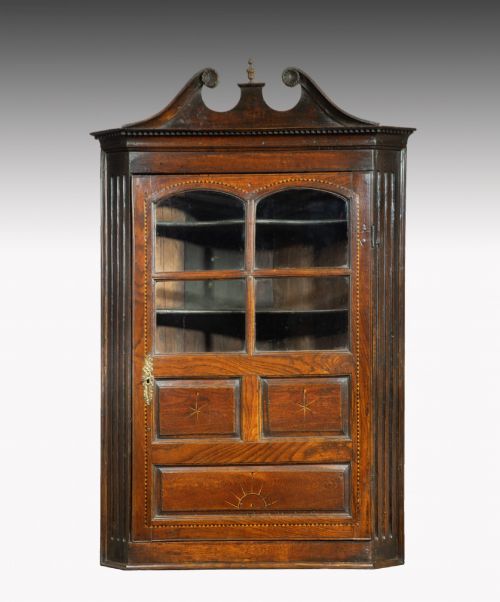
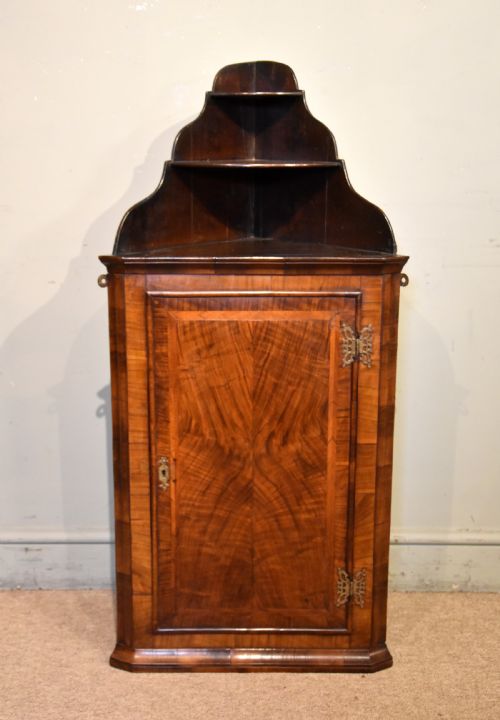
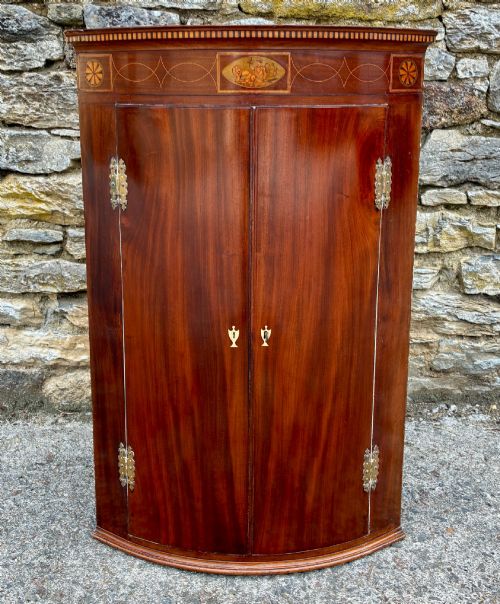
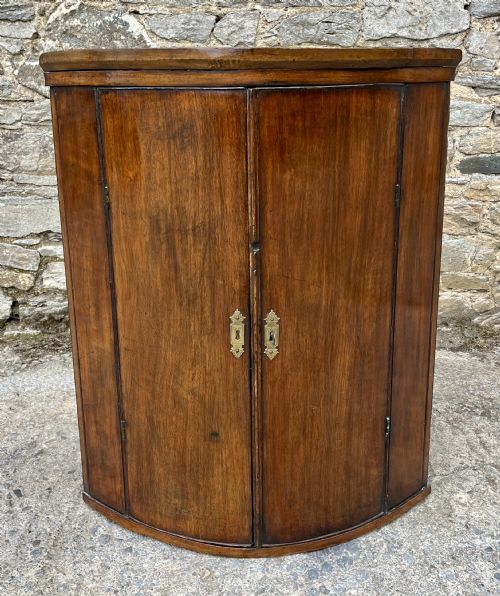

Hanging Cupboard Unit
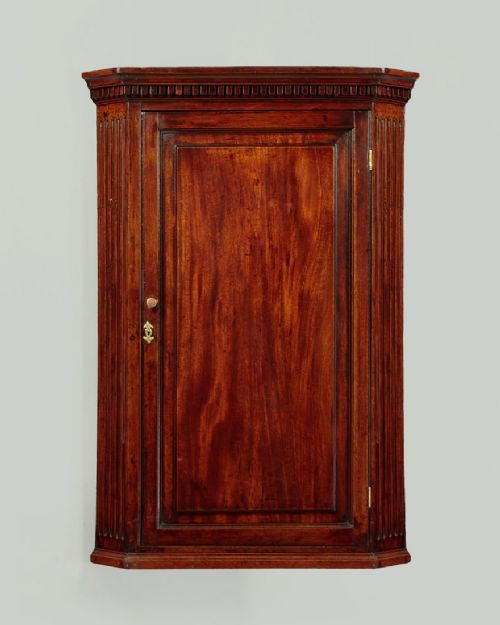
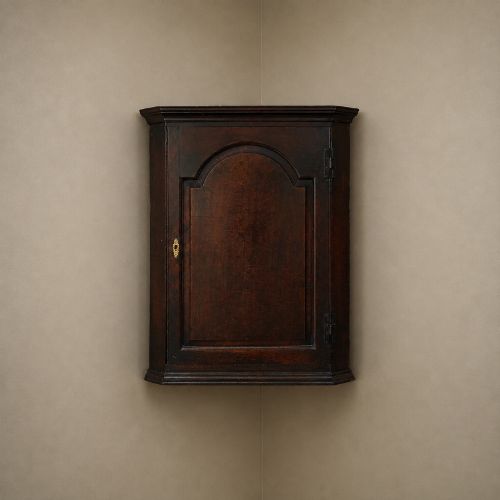
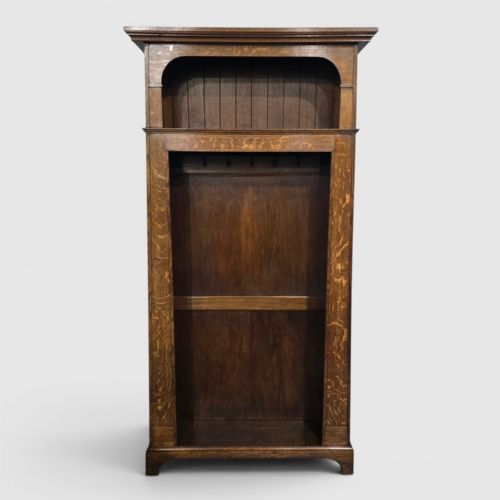
A hanging cupboard unit gathers corner cabinets, wall shelves and display units designed to save floor space while storing domestic goods.
Hanging Cupboard Unit
When buyers search for a hanging cupboard unit, they encounter wall-mounted storage forms originating mainly from the eighteenth and nineteenth centuries. These pieces span Georgian, Victorian and Edwardian periods, appearing frequently as corner cabinets and wall shelves with enclosed compartments.
The selection here draws heavily on regional workshops and domestic settings, offering items built to utilise vertical wall space in compact rooms. Oak and mahogany dominate the older examples, while pine and walnut appear across country and revival pieces.
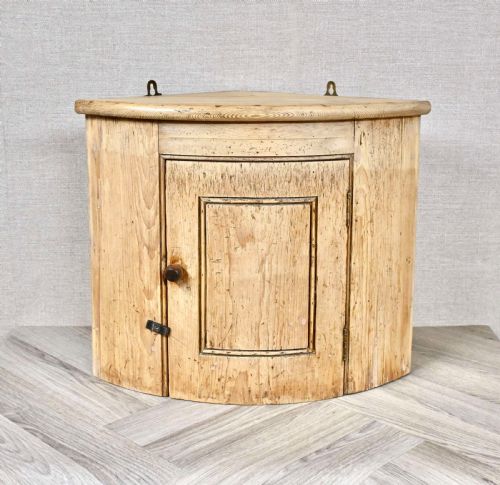
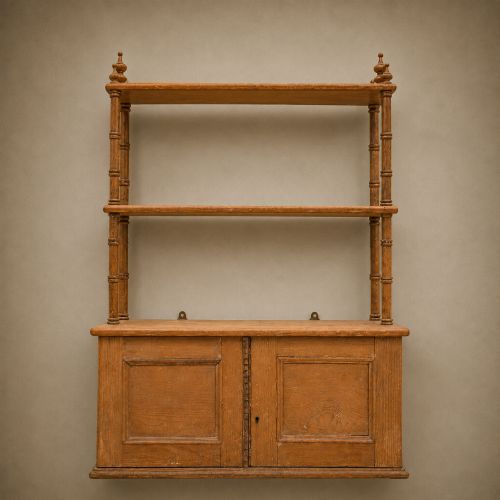
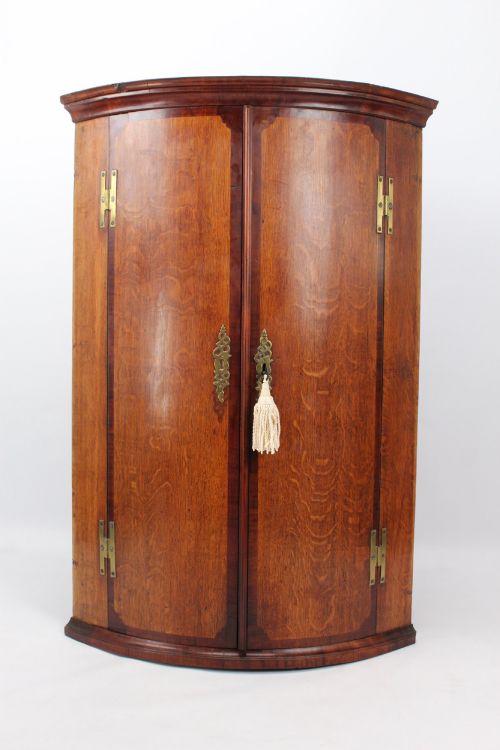
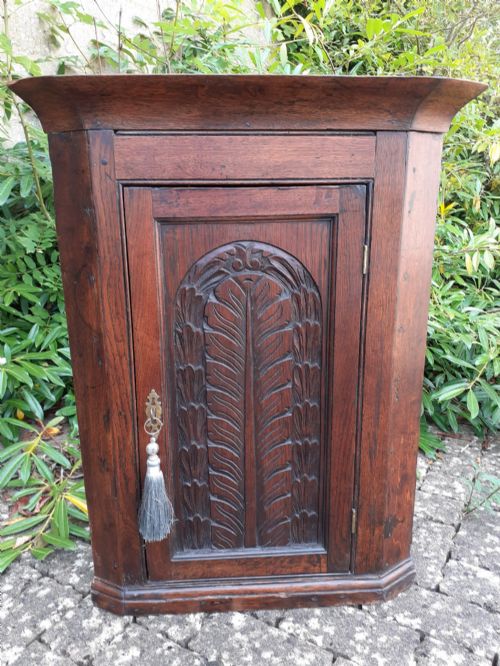
Corner cupboards with panelled doors and bow fronts represent the most common survival from the Georgian era. Wall cabinets combined with open shelving also emerge from Victorian kitchens and parlours.
Materials and construction methods
Cabinet makers utilised native timbers like oak, pine and mahogany, often selecting dense boards for structural integrity and figured veneers for visual depth. Brass hinges, escutcheons and latches secure the doors on better examples.
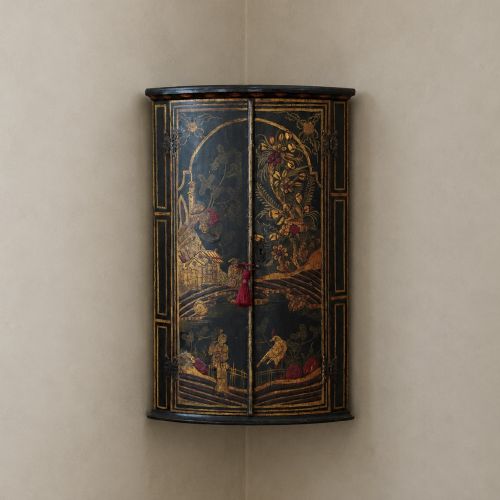
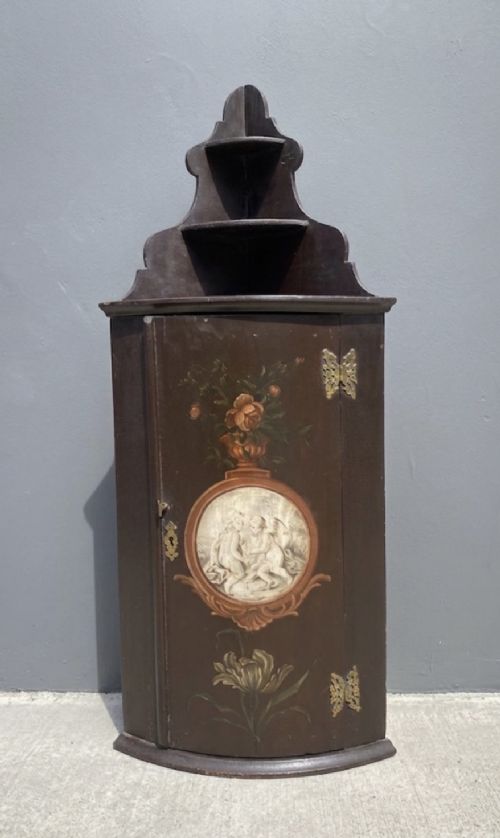
Construction relies on traditional joinery, including dovetail joints for drawers and mortise and tenon joints for frames. Painted finishes, lacquer and japanning appear on specific decorative items from the eighteenth and nineteenth centuries.
Listings feature oak, mahogany, walnut, pine and limewood across Georgian, Victorian and Edwardian periods.
Judging cabinet quality
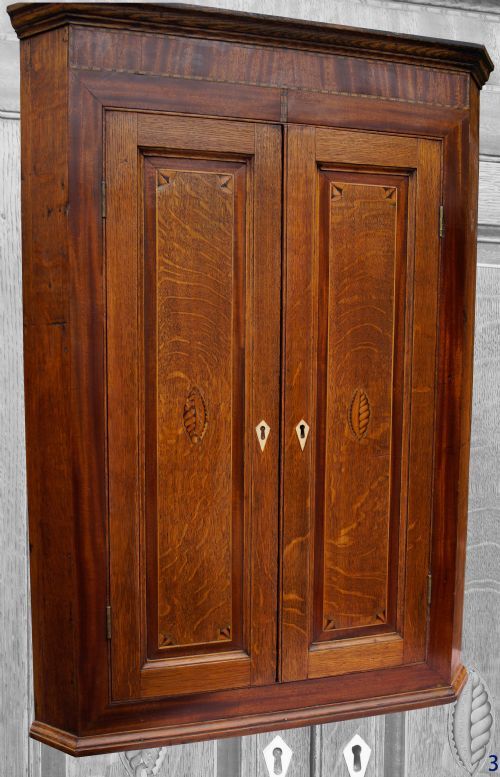
Quality rests on timber selection and the precision of the joinery rather than mere age. Superior examples display carefully matched grain patterns on door panels and tight, hand-cut joints that remain stable over centuries.
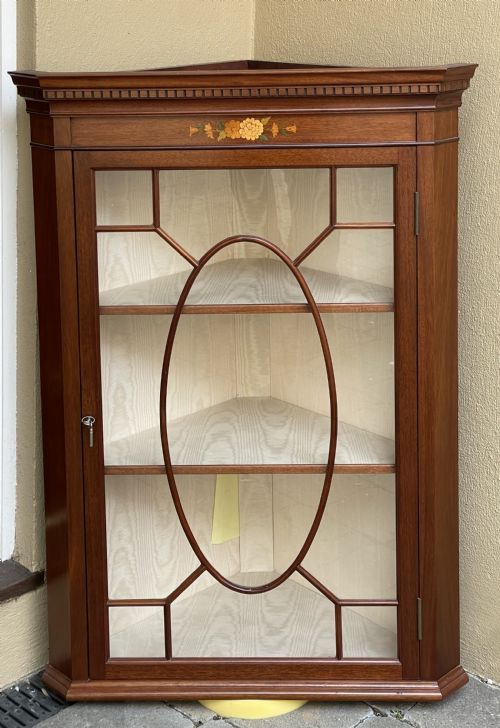
Refined surface treatments, such as subtle inlay work or well-preserved original painted finishes, separate standard utility cupboards from finer domestic furniture commissioned for prominent reception rooms.
The Hanging Cupboard Unit Glossary
- Bow front
- A convex curved cabinet front that projects outward from the corners, popular in Georgian design. This shape softens room angles and adds interior volume.
- Japanning
- A European imitation of East Asian lacquerwork using resin-based varnishes and raised metallic decoration. It appears on select eighteenth and nineteenth-century pieces.
- Pediment
- The decorative architectural structure surmounting the top of a cabinet, sometimes seen in broken arch forms on Georgian pieces. It draws the eye upward.
- Escutcheon
- A protective plate surrounding a keyhole, usually fashioned from brass. It prevents timber wear from repeated use of the key.
- Dovetail joint
- An interlocking wood joint formed by wedge-shaped fingers, prized for its tensile strength in drawer construction and carcase corners.
Hanging Cupboard Unit: Frequently Asked Questions
How do I hang a heavy oak corner cupboard?
Secure the cabinet directly into wall studs using heavy-duty masonry fixings or timber screws through the internal backboards.
Distribute the weight evenly and check the load-bearing capacity of the wall before loading the shelves with heavy ceramics.
What rooms suit a wall hanging cabinet?
These units suit kitchens, hallways and dining rooms where floor space remains at a premium.
Corner designs utilise dead space efficiently, while flat-backed wall shelves display glassware or kitchenware at eye level.
How do I identify a Georgian corner cupboard?
Look for dense mahogany or oak timbers, hand-cut dovetails, brass H-hinges and traditional pegged joints.
Proportions tend to be balanced, often featuring moulded cornices or string inlay work characteristic of the eighteenth century.
Can I store heavy books in these cupboards?
Most antique wall cupboards suit lighter items like porcelain, glassware or linens rather than heavy library books.
Assess the strength of the internal shelf supports and backboards before storing dense objects.