

Handwoven Wool Tribal Rug
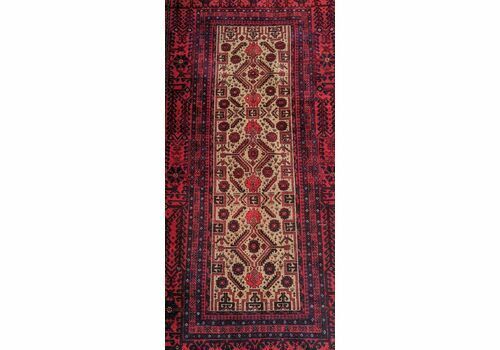
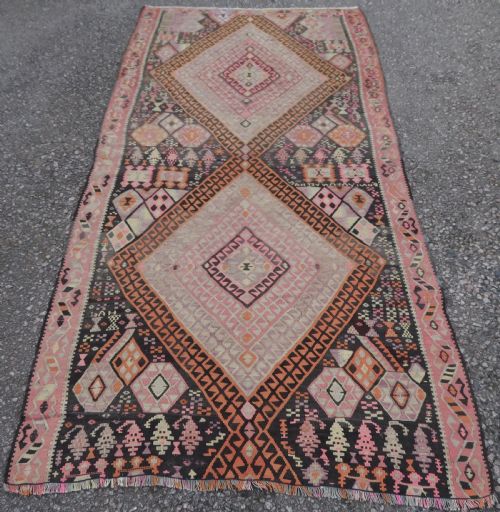
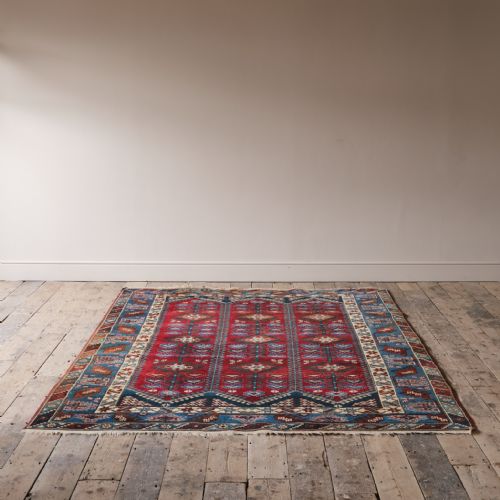
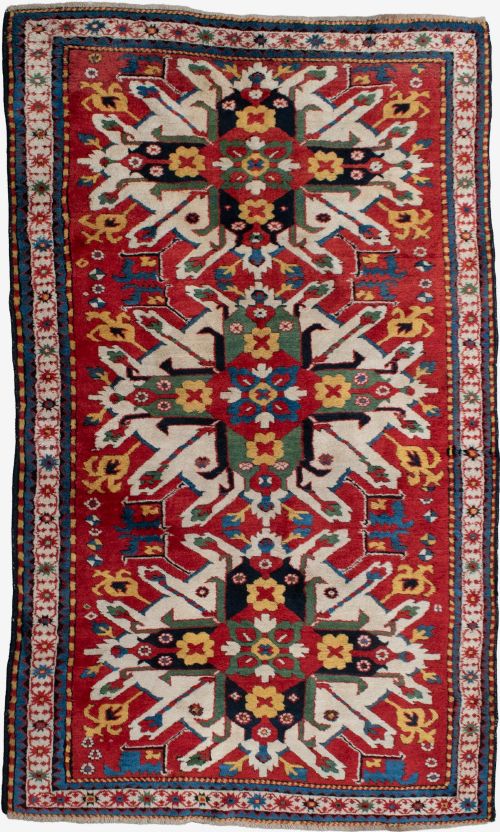
When you search for a handwoven wool tribal rug, you are looking at nomadic and village textiles tied or woven by hand across Persia, Central Asia, and the Caucasus.
Handwoven Wool Tribal Rug
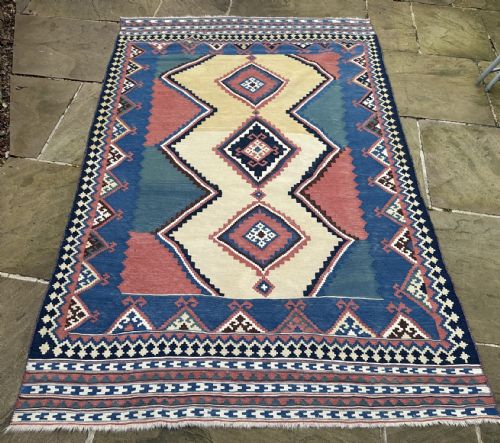
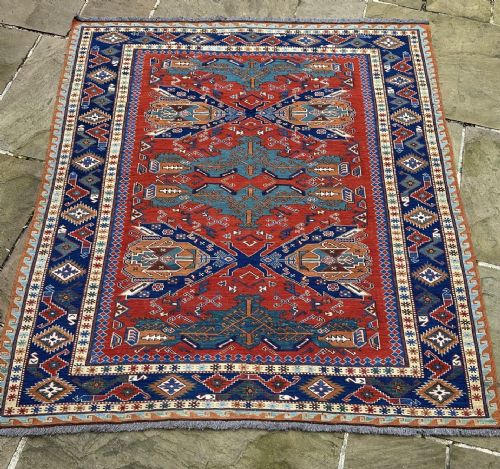
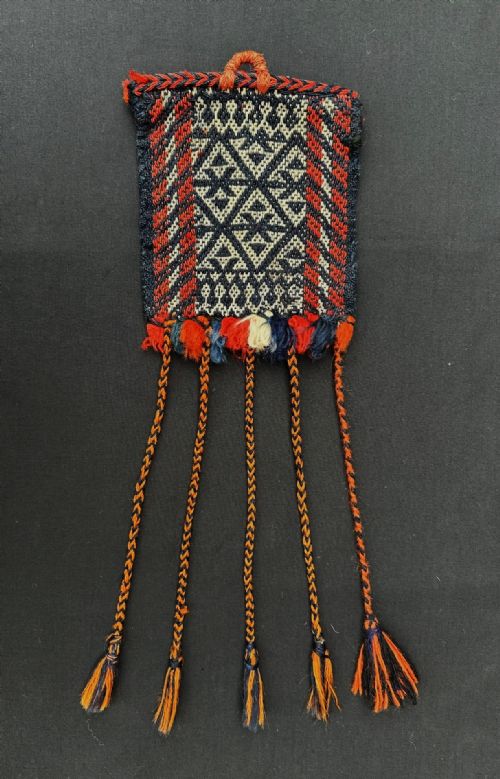
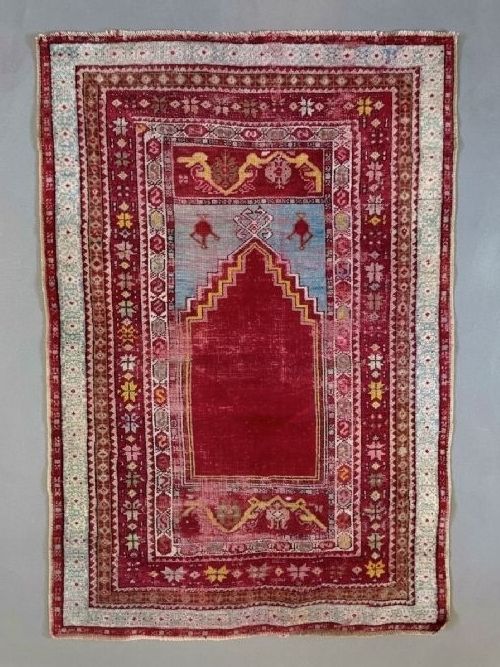
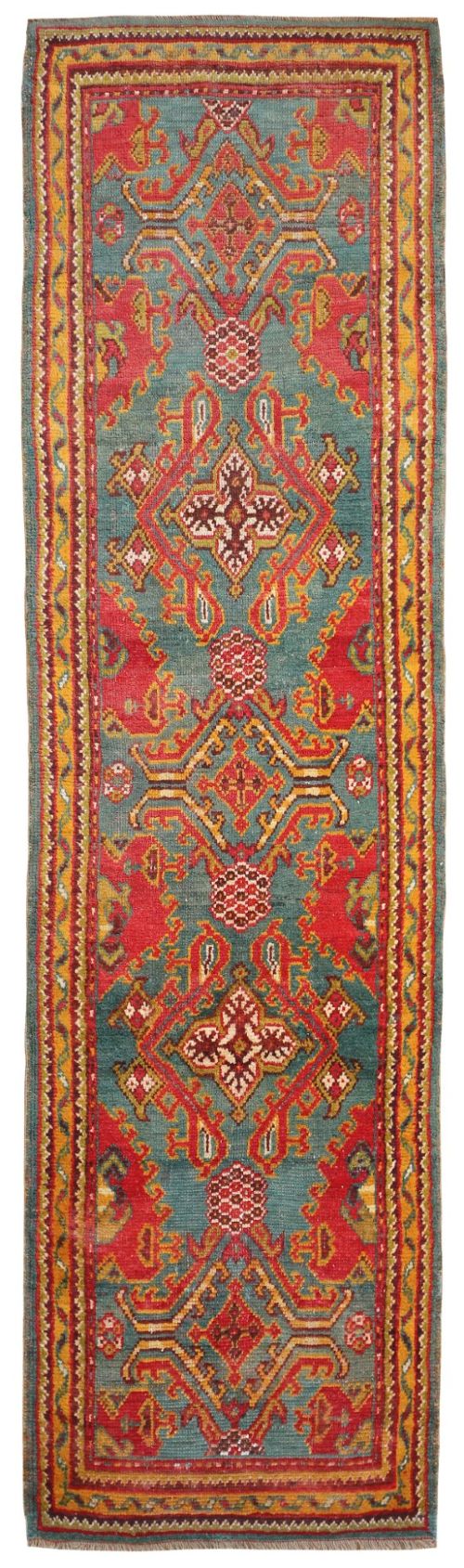
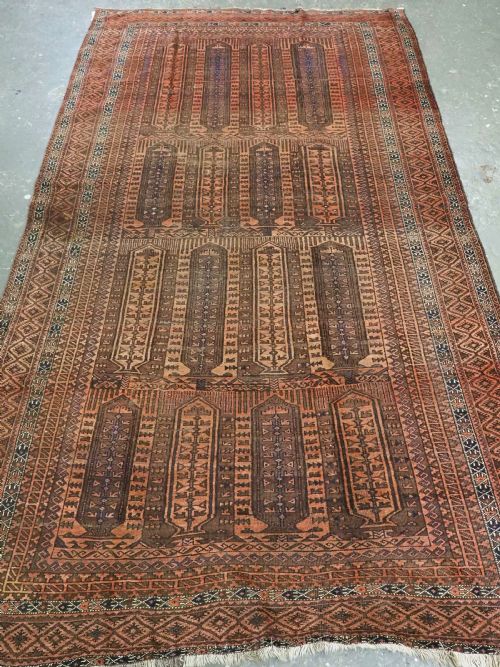
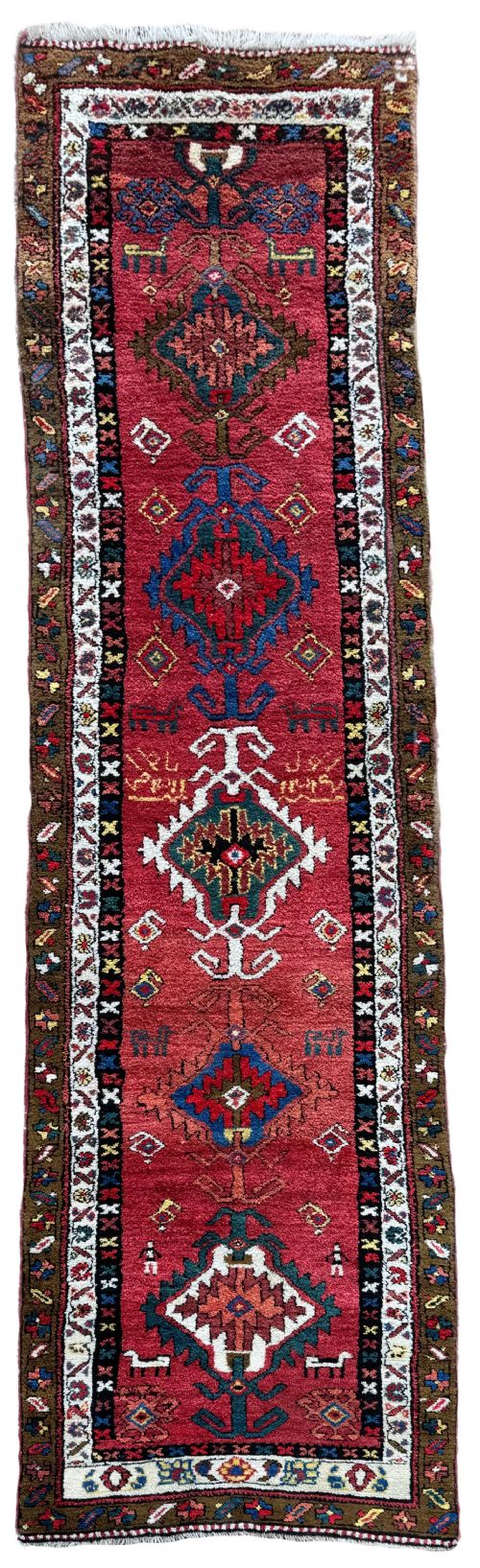
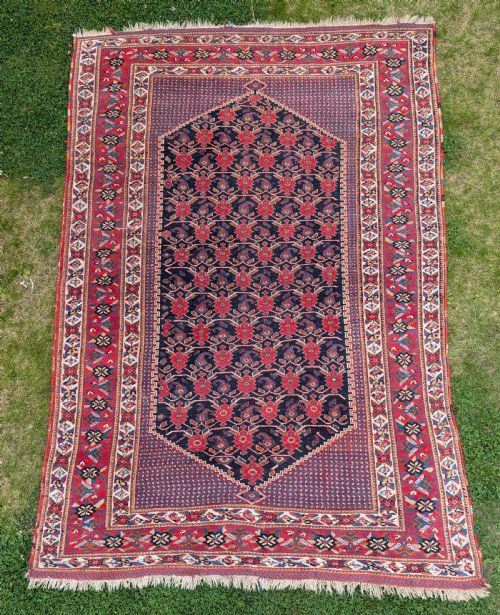
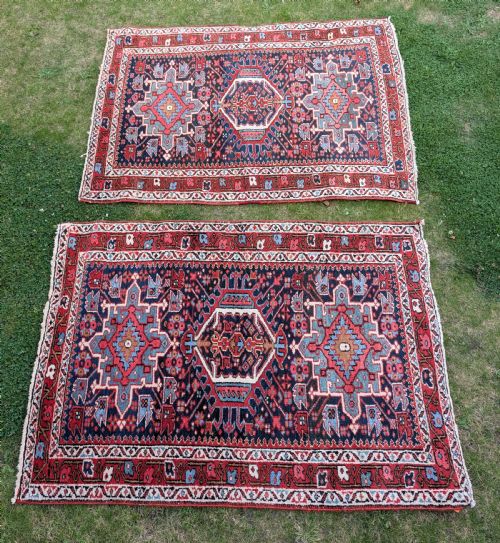
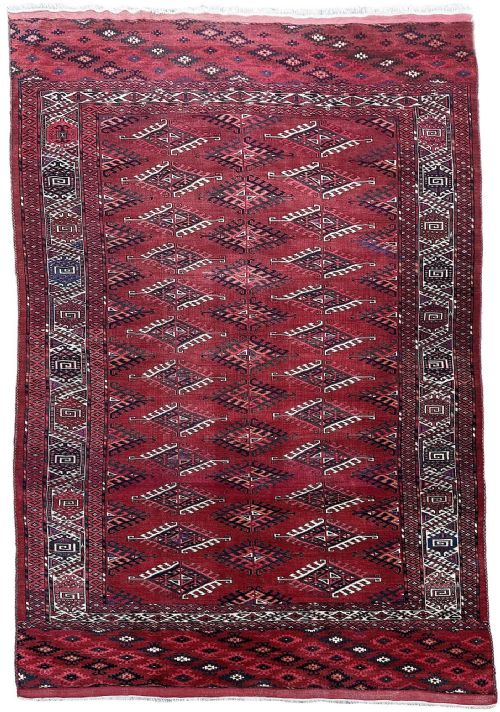
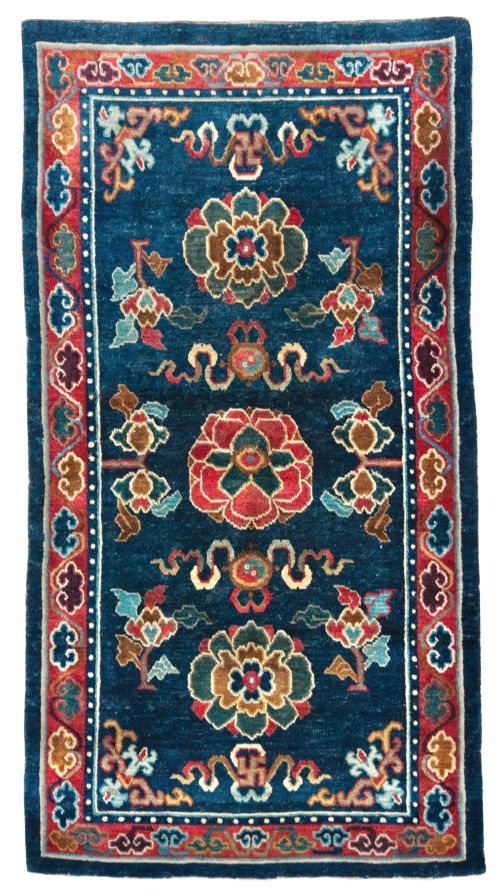
A handwoven wool tribal rug encompasses floor coverings, runners, and practical nomadic containers such as saddlebags, salt-bags, and storage bags created by regional tribes and village weavers. You will frequently encounter nineteenth and early twentieth-century examples originating from Persian tribal confederacies, Afghan villages, and Turkmen steppes.
These textiles served functional roles within nomadic and village dwellings, functioning as ground covers, bedding, horse blankets, or utilitarian storage vessels before entering the marketplace. Their formats range from small square cushions and vanity bags to expansive area carpets and long runners with distinct regional geometries.
How they were made
Weavers constructed these pieces using hand-spun wool foundations and surface piles, occasionally incorporating cotton structural elements alongside natural dyes for colour. Artisans also utilised supplementary embellishments such as cowrie shells and glass beads on specific bags and ceremonial covers.
The construction relies on traditional knotting and flatweaving techniques passed down through generations of nomadic groups, resulting in durable textiles designed for daily domestic use.
Several bags retain their original cowrie shells and glass beads, once intended to ward off the evil eye.
What varies in quality
The standard of a handwoven wool tribal rug is determined by the tightness of the weave, the clarity of the regional design motifs, and the depth of the natural dye palette. Finer examples display meticulous execution in complex geometric or pictorial patterns, such as cruciform medallions and traditional animal or tree motifs.
The integrity of the wool, the precision of the hand-spun yarn, and the preservation of original edge finishes and side cords distinguish exceptional weaving from standard utilitarian output.
The Handwoven Wool Tribal Rug Glossary
- Kilim
- A flatwoven carpet or rug produced without a pile, featuring sharp geometric patterns created by interweaving warp and weft threads.
- Runner
- A long, narrow carpet format traditionally suited for hallways, corridors, or specific architectural spaces.
- Knot
- The individual loops of wool tied around the warp threads that form the plush pile surface of a piled carpet.
- Warp
- The vertical foundation threads stretched tightly on the loom onto which the horizontal wefts and knots are secured.
- Medallion
- A distinct central ornamental design motif placed in the middle field of a rug or carpet.
Handwoven Wool Tribal Rug: Frequently Asked Questions
How do I clean an antique rug?
Gentle surface brushing and professional specialist cleaning suited for natural wool and plant dyes preserve the integrity of older textiles.
Avoid aggressive chemical treatments or soaking, which can damage hand-spun fibres and alter historic colour tones.
Where were these tribal rugs made?
Originating across diverse landscapes, these pieces come from Persian provinces, Afghan villages, Caucasian regions, and Central Asian steppes.
Each weaving group developed distinct visual vocabularies reflecting their specific geographical and cultural environment.
Can I use tribal runners on stairs?
Stair placement requires assessing the thickness and structural condition of the wool foundation to ensure it can withstand regular foot traffic.
Underlays help secure long runners safely while cushioning the historic weave against daily wear.
How are different tribal styles identified?
Specific border arrangements, specific colour palettes, and characteristic geometric or animal motifs point directly to the producing tribe or region.
Comparing structural details like end finishes and knotting styles aids in separating Caucasian pieces from Persian or Turkmen examples.