

Handwoven Wool Tribal Bag
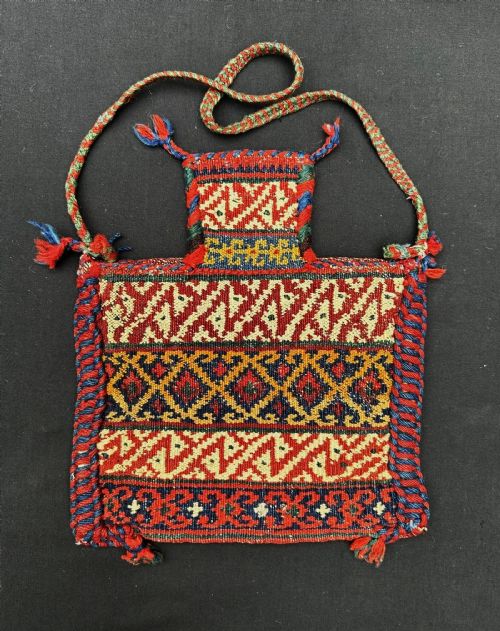
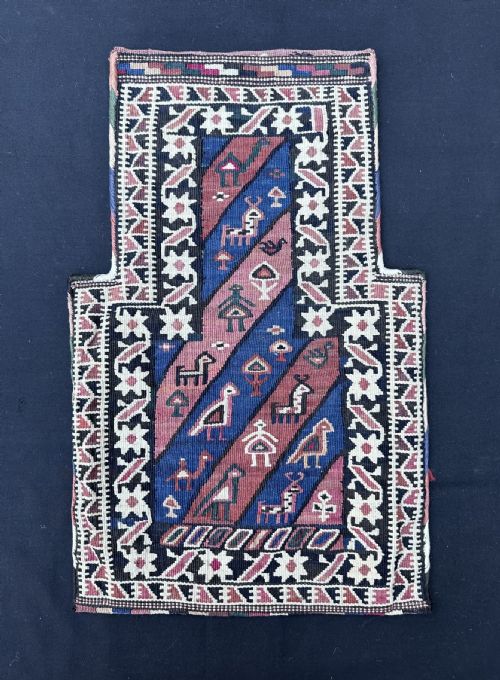
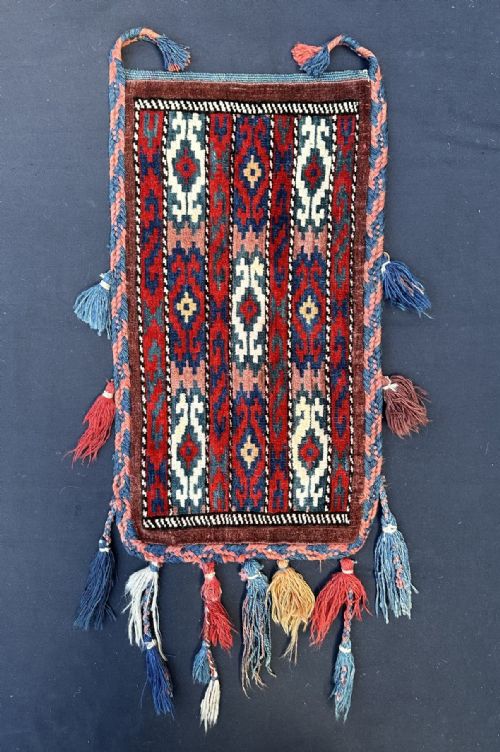
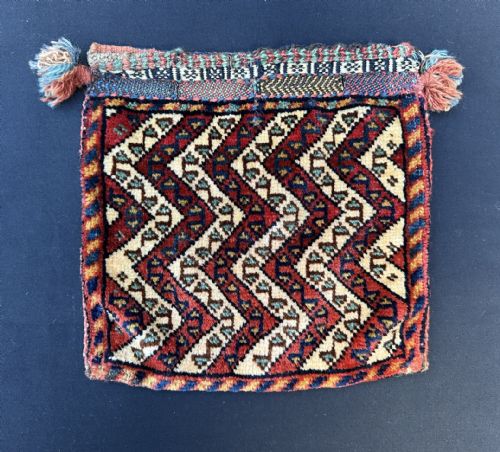
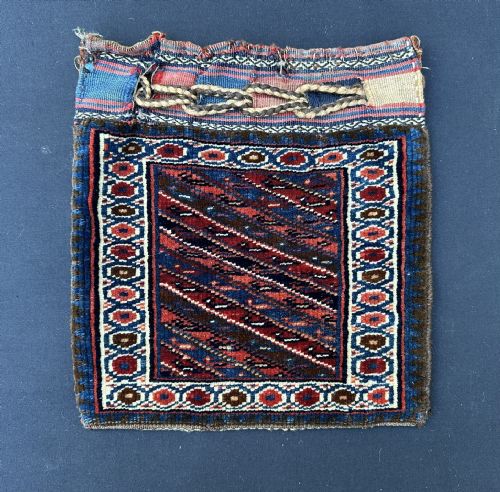
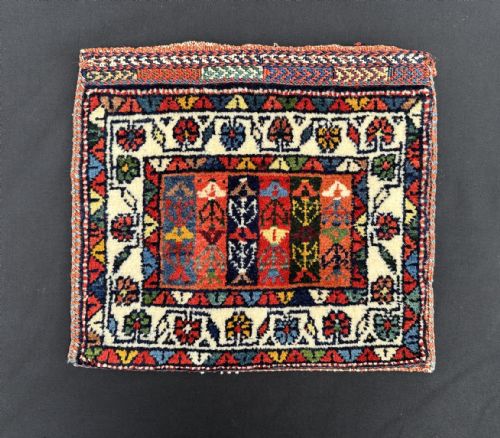
A handwoven wool tribal bag is a portable textile container crafted by nomadic weavers for domestic storage, carrying household goods across generations.
Handwoven Wool Tribal Bag
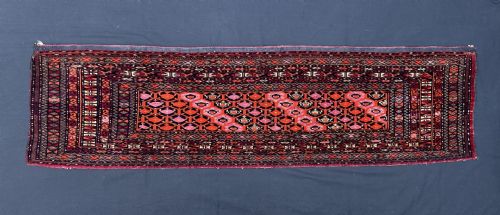
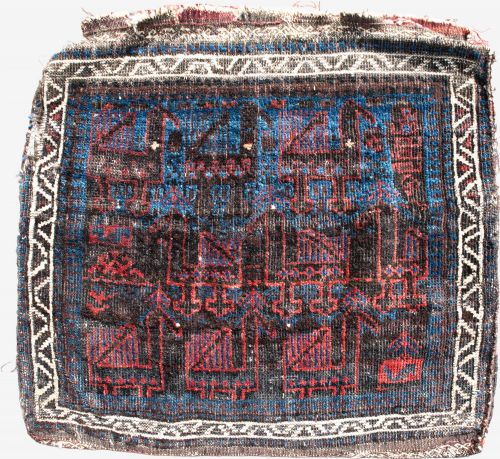
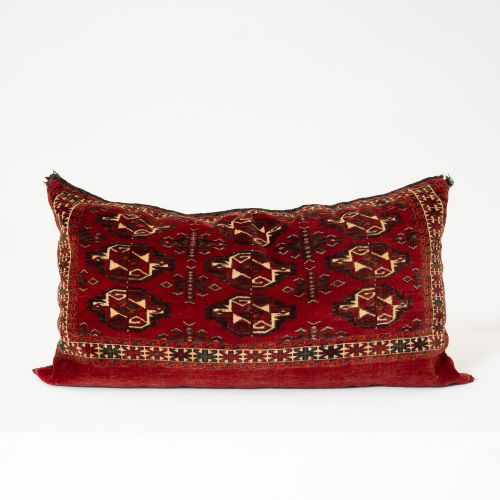
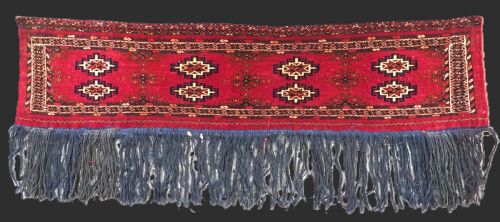
The regional variety spans from the distinctive gul motifs of Turkmen tribes such as the Tekke, Yomut, and Saryk to the fine geometric patterns produced by Qashqai, Afshar, and Baluch confederacies. These textiles served practical roles within tribal camps before surviving as collectable woven artefacts.
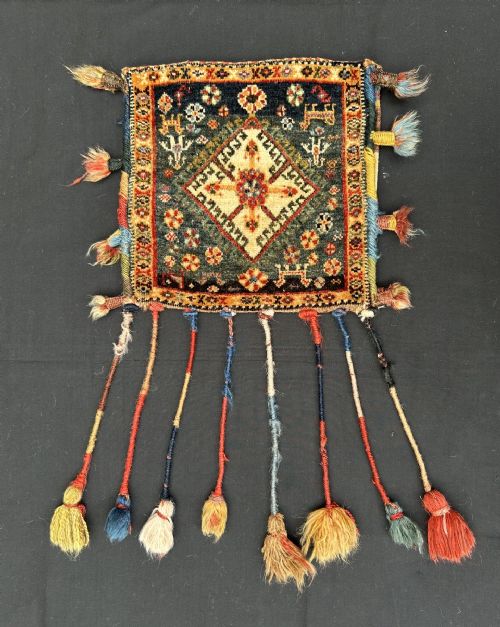
Makers utilised specific structural formats tailored to their contents, producing narrow spindle bags, small vanity pouches, and large storage faces designed to hang inside tents or travel on pack animals.
Materials and construction
Weavers relied principally on hand-spun wool for both foundation warps and dense pile surfaces, occasionally incorporating cotton for structural clarity and goat hair for durable side cords. Natural dyes derived from local plants and minerals provided the deep reds, indigos, and golds characteristic of these nomadic textiles.
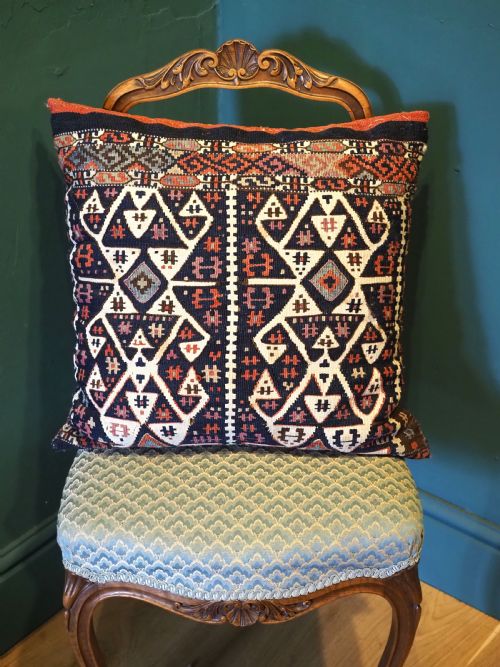
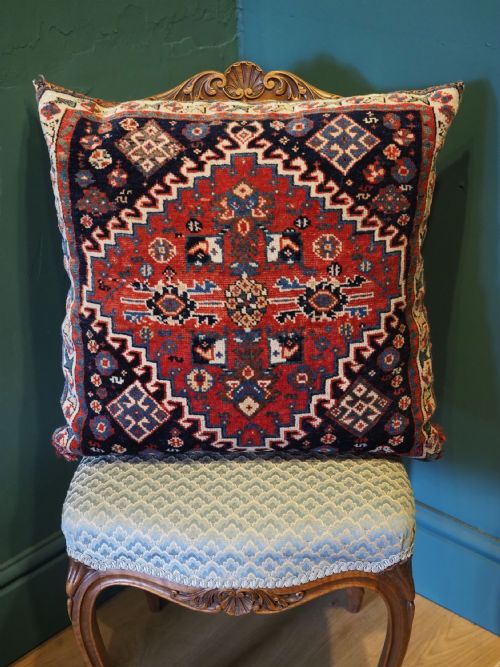
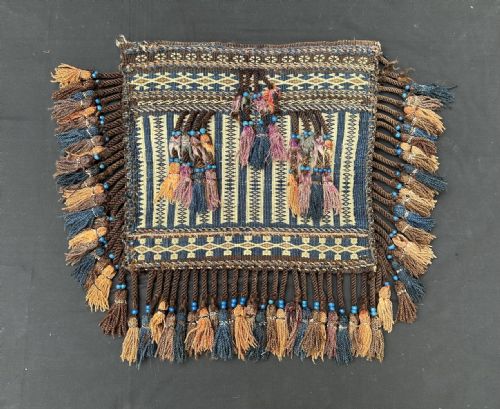
Surface embellishments frequently included supplementary cowrie shells and glass beads stitched along openings or lower edges to ward off misfortune. Flatweave techniques like kilim alternate with knotted pile construction depending on whether the container required flexible strength or cushioned protection.
Nomadic weavers occasionally stitched tiny cowrie shells onto vanity bags to ensure the household enjoyed safe travels.
Evaluating weave and material excellence
Quality in a nomadic container rests upon the density of the knotting or the tightness of the flatweave, alongside the precision with which regional motifs are executed. Finer examples display meticulous handling of secondary details and well-balanced palettes derived from careful dye preparation.
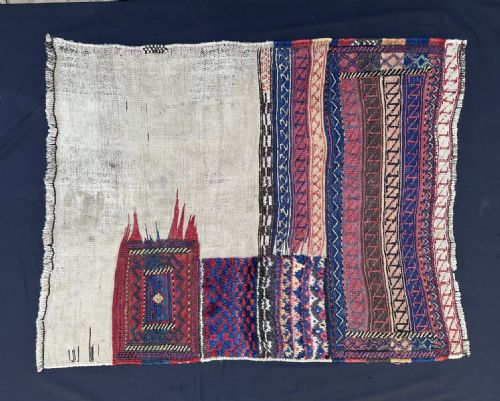
The survival of original plain-weave backs and complete hanging loops significantly elevates the historical integrity of a piece. Superior condition involves minimal structural loss to the wool fleece and the retention of vibrant, unfaded natural colours across the field.
The Handwoven Wool Tribal Bag Glossary
- Gul
- A primary octagonal medallion or floral crest repeated across Turkmen and Central Asian tribal weavings. Each tribe utilised distinct variations to signify lineage and identity.
- Torba
- A small horizontal storage bag traditionally used inside nomadic tents for personal possessions or household items. These pieces often feature elaborate face designs with plain-weave backs.
- Chuval
- A large tent storage bag produced by Turkmen groups to hold bedding and heavy garments. They frequently display multiple rows of guls across the primary field.
- Kilim
- A flatweave textile constructed without a pile by tightly interweaving warp and weft threads. This technique creates a lightweight, reversible fabric commonly utilised for saddle bags and cushions.
- Warp
- The longitudinal threads stretched vertically on the loom before weaving begins. The density and material of these foundation strands determine the stability of the textile.
Handwoven Wool Tribal Bag: Frequently Asked Questions
What were tribal bags used for?
Nomadic communities utilised these woven containers for daily domestic storage, transporting salt, tobacco, spindles, and household goods during seasonal migrations.
They hung within tents or rode loaded onto pack animals, combining practical utility with the artistic traditions of specific tribal groups.
How do I care for an antique wool bag?
Protect the wool textile from direct sunlight to prevent natural dyes from fading over time. Regular gentle vacuuming without a rotating brush helps remove embedded dust.
Keep the piece in a dry environment away from excessive moisture to preserve the organic animal fibres and supplementary decorations.
How can I tell different tribal designs apart?
Weavings from Central Asia often feature repeating octagonal guls associated with Turkmen tribes like the Tekke or Yomut. Persian nomadic pieces by Qashqai or Afshar makers typically incorporate complex geometric lattices, animals, and hooked medallions.
Examining the structural materials and colour palette provides further clues to the specific region of origin.
Are these bags complete with their backs?
Many surviving examples consist solely of the decorative bag face because the plain-weave backs were frequently removed when the containers wore out. However, a significant number retain their original flatweave backs and hanging loops.
Listings specify whether a piece is a complete bag or a face only.