




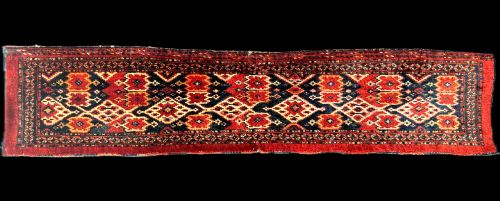

Handwoven Wool Panel
A handwoven wool panel is a textile fragment carrying tribal designs or European verdure, prized for bold graphic patterns and tactile warmth.
Handwoven Wool Panel
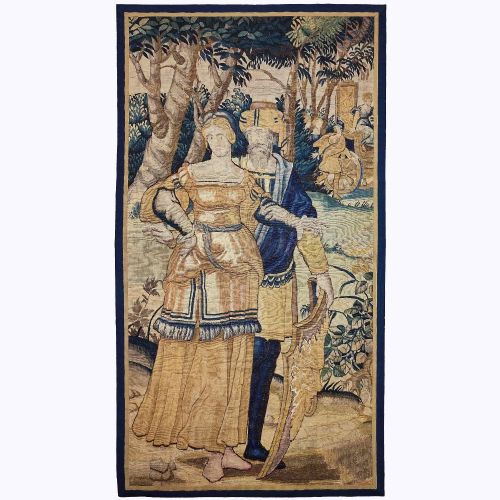
A handwoven wool panel brings together textile fragments, bag faces, and wall hangings originating from tribal weavers and European workshops. When searching this phrase, buyers encounter pieces spanning centuries, from Central Asian nomadic weaving to Renaissance and Baroque tapestries.
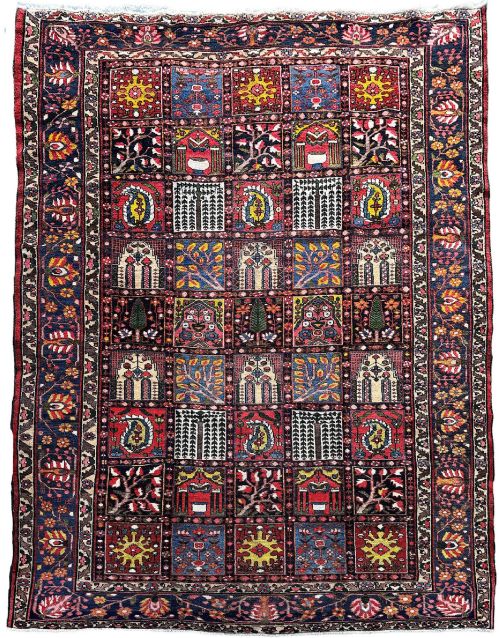
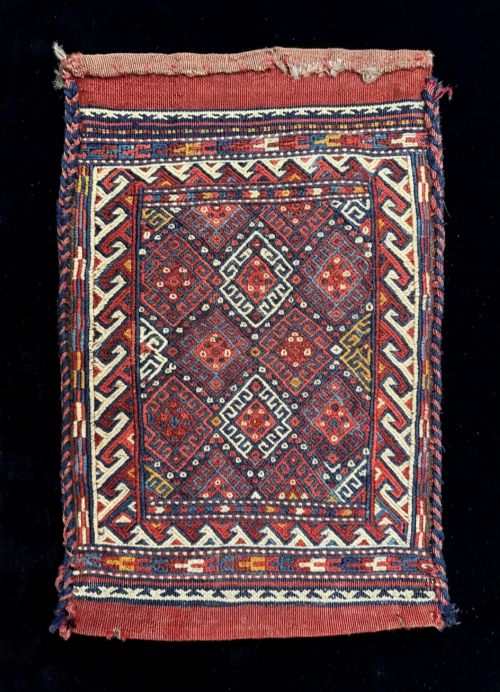
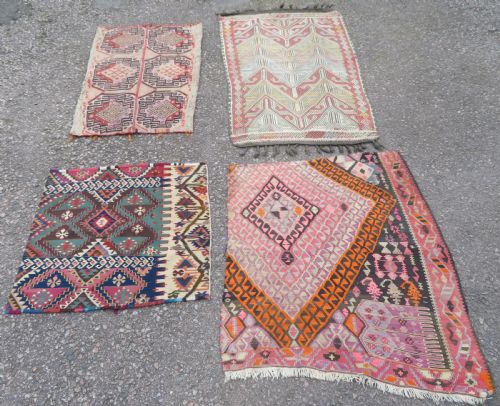
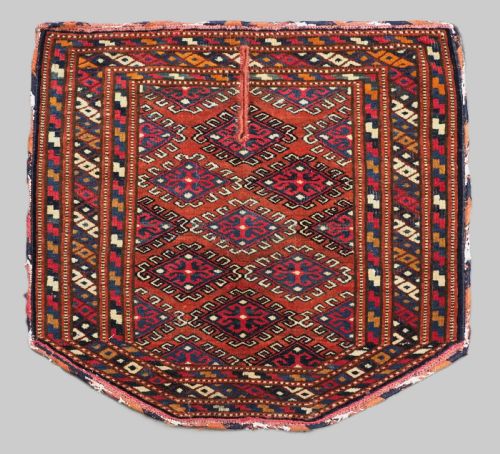
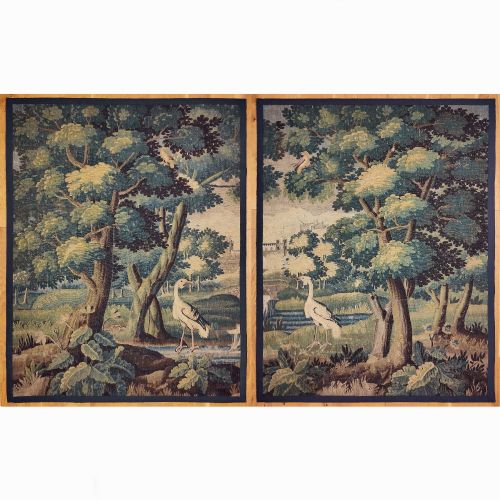
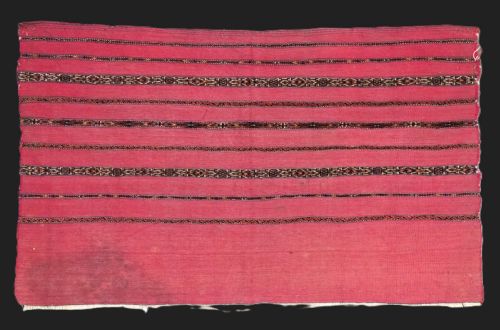
The selection on this page leans heavily toward Central Asian and Caucasian tribal work alongside European verdure panels. Common forms include fragments of larger trappings, chuval faces, saddle covers, and flatweave strips repurposed for display.
Origins stretch across regions such as Turkmenistan, Anatolia, and Flanders, demonstrating the diverse cultural traditions behind each woven surface. These objects function primarily as wall art or decorative textile panels rather than floor coverings.
Materials and construction
Construction relies primarily on wool spun by hand, often paired with cotton for structural integrity and occasional silk highlights. Natural dyes provide the palette, producing deep reds, indigos, and earth tones that age with subtlety.
Techniques range from nomadic flatweave methods and pile knotting to complex European tapestry weaving on vertical looms. Many pieces represent surviving sections of utilitarian items such as storage sacks, tent bands, and wedding trappings.
Handwoven Wool Panel Retail Price Guide 2026
Typical asking prices for handwoven wool panel among the pieces listed under this phrase on Sellingantiques today, from the lower quarter to the upper quarter. They describe what is for sale here now, not the wider market.
Nomadic weavers occasionally embedded stray camel hairs directly into their wool foundations, leaving a quiet biological signature of the desert.
Assessing quality
Quality rests upon the fineness of the weave, the clarity of the tribal or pictorial design, and the integrity of the natural dyes. Tighter knotting or denser flatweave construction indicates greater skill by the maker.
The preservation of the original borders, structural balance within the pattern, and the vibrancy of the remaining wool dictate the standing of an individual textile within its period.
The Handwoven Wool Panel Glossary
- Chuval
- A large storage bag made by Turkmen tribes, often collected as a face panel for its intricate guls. These items formed part of nomadic household furnishings.
- Verdure
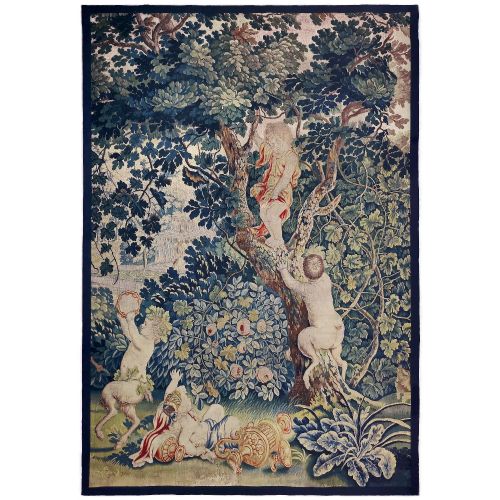
- A style of European tapestry featuring luxuriant foliage, trees, and landscapes. Such panels originated in French and Flemish workshops during the seventeenth century.
- Flatweave
- A textile constructed without pile by interlocking warp and weft threads. Examples include kilims and banded storage bag faces.
- Gul
- A repeating medallion or octagonal motif found in Central Asian tribal rugs and textile panels. Each design often identifies a specific tribe or clan.
- Mafrash
- A Caucasian or Persian storage bag or panel featuring geometric patterns. Surviving examples are frequently mounted as wall hangings.
Handwoven Wool Panel: Frequently Asked Questions
How were these panels used originally?
Many of these pieces served as functional household items within nomadic or settled communities. They functioned as storage sacks, saddle covers, tent trappings, or wall decorations.
Over time, surviving sections or complete bag faces became detached from their original context. Today, collectors mount them on walls to display their graphic patterns and textile history.
How do I care for a wool panel?
Protect the textile from direct sunlight to prevent natural dyes from fading over time. Gentle vacuuming through a mesh screen helps remove dust without damaging the fibres.
Avoid hanging pieces in damp environments, as wool absorbs moisture and requires stable indoor conditions. Professional textile conservators should handle any deep cleaning or repairs.
How can I tell tribal panels apart?
Tribal attribution relies on specific design motifs, colour palettes, and structural techniques associated with particular regions. Turkmen weavers utilised distinct guls and deep crimson wools, while Caucasian workshops favoured bold geometric compartmentalisation.
European verdure panels present entirely different pictorial conventions, focusing on botanical landscapes rather than tribal medallions. Comparing structural details and material composition clarifies the origin of each piece.
Are these pieces complete or fragments?
The inventory includes both complete small items and fragments salvaged from larger utilitarian objects. Storage bags and tent trappings were frequently divided or worn down through decades of use.
Individual panels often represent the front face of a bag or a section of a larger textile. This repurposing preserves the finest decorative areas for display as standalone artworks.