

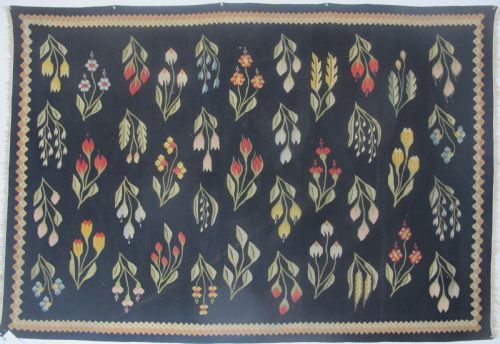
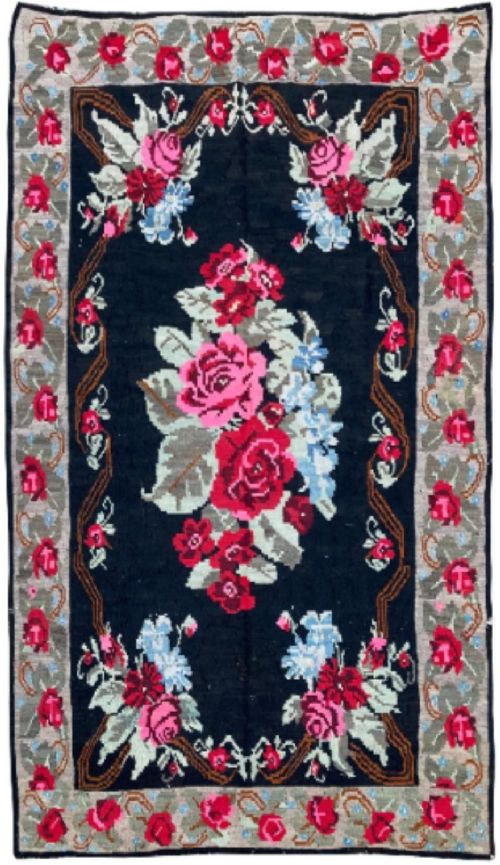
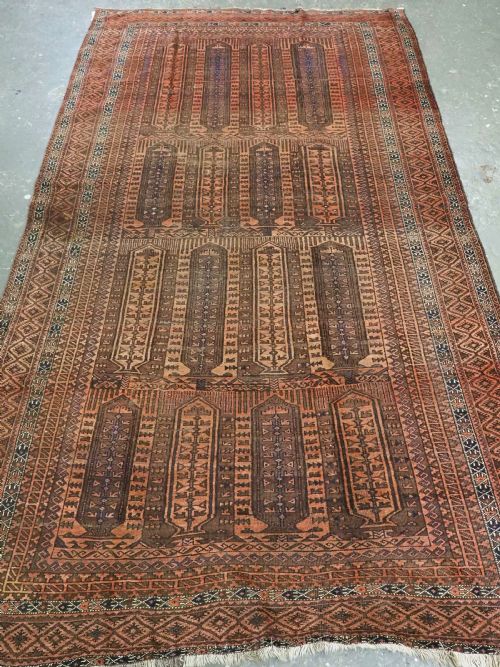
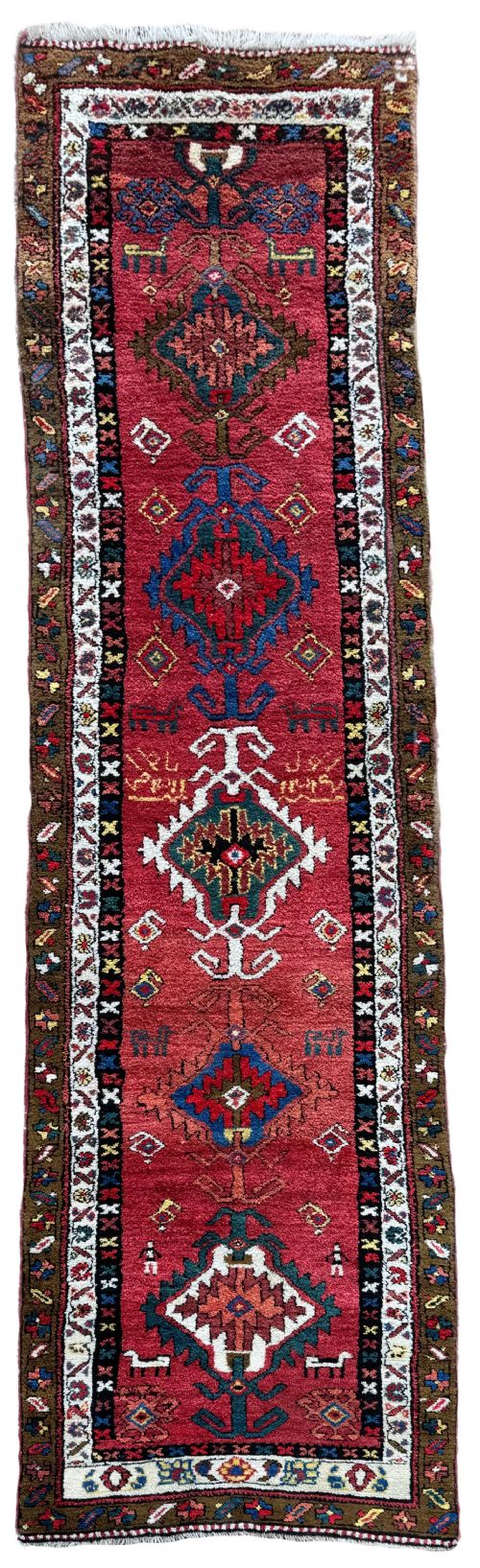
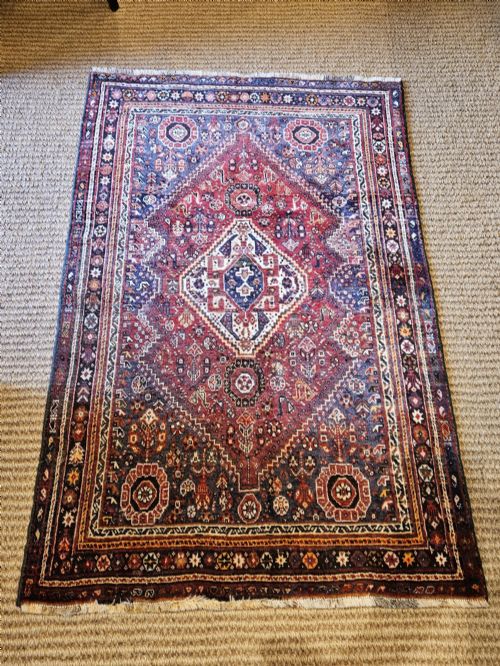
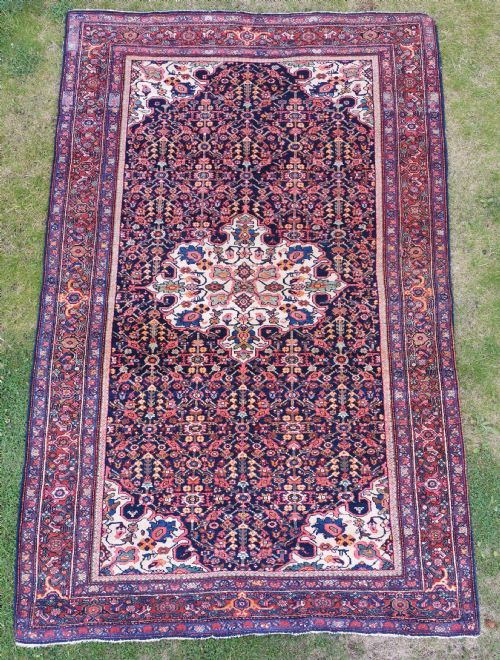
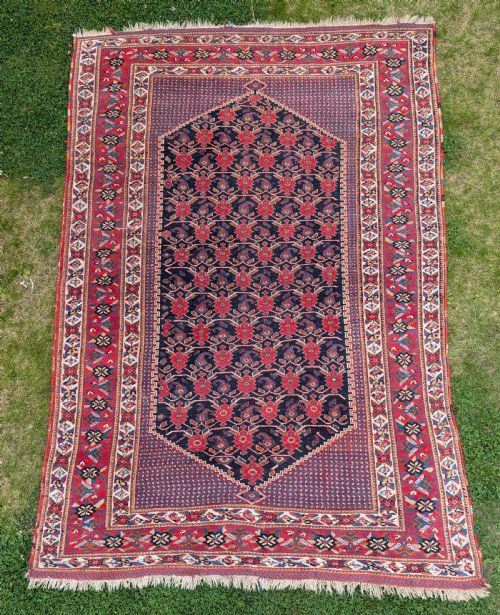
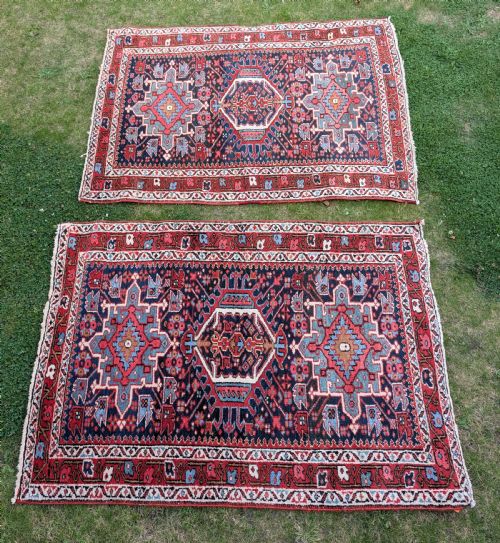
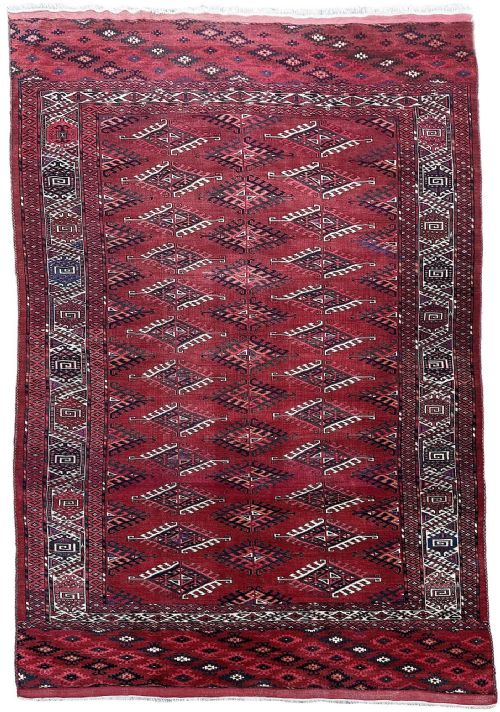
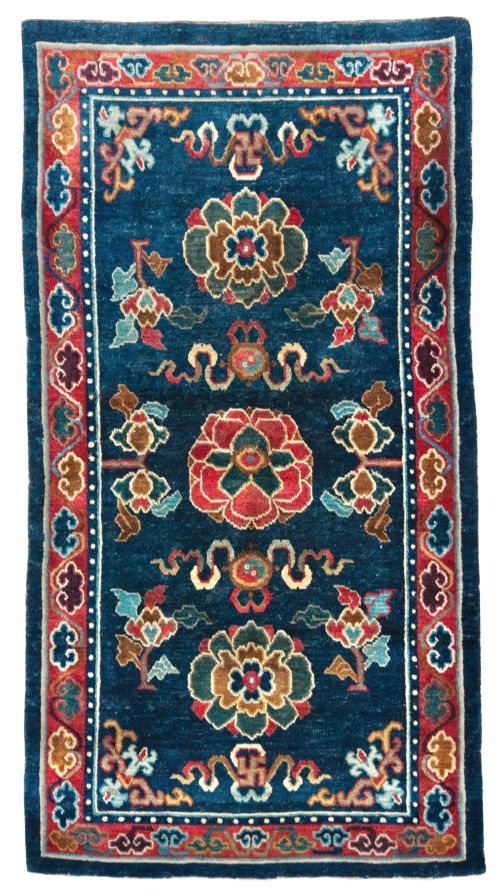
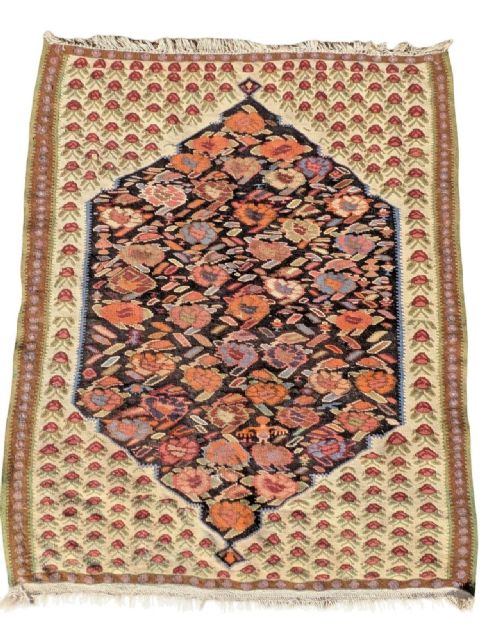
Handwoven Wool Carpet Rug
These handwoven wool carpet rug pieces offer authentic tribal and traditional woven artistry spanning the late nineteenth and early twentieth centuries.
Handwoven Wool Carpet Rug
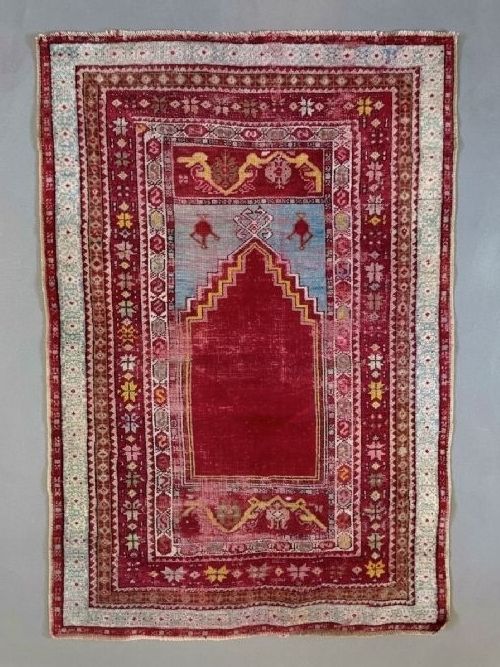
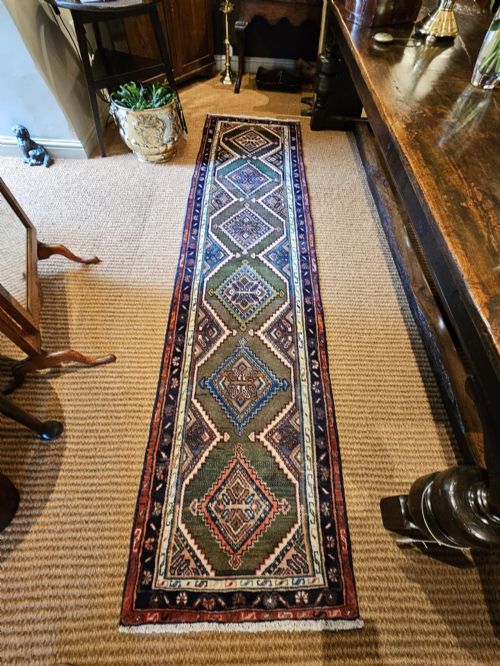
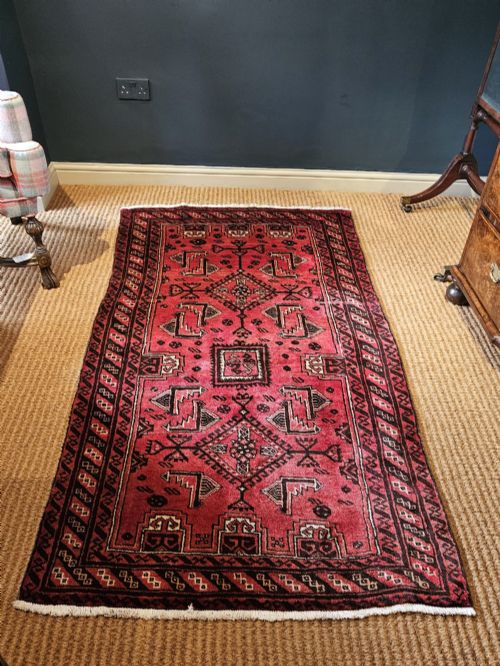
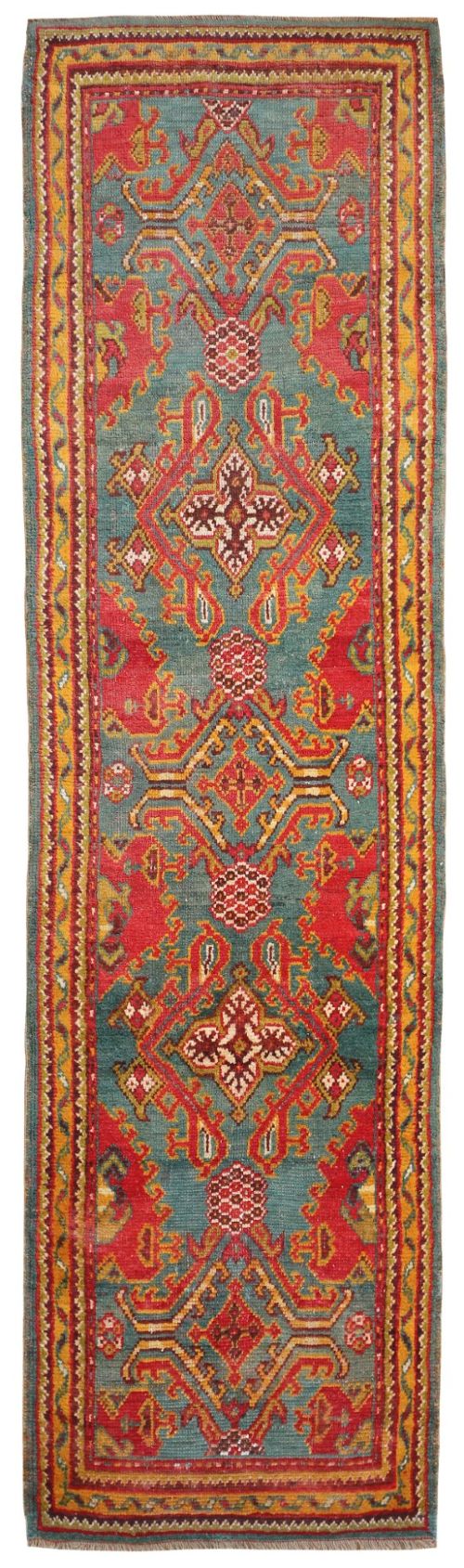
A handwoven wool carpet rug brings centuries of nomadic and village weaving traditions directly into domestic spaces. You will encounter runners, prayer rugs, and larger carpets originating from Persian, Caucasian, Turkmen, and Afghan regions.
The selection ranges from robust village carpets to finely knotted city pieces produced between the eighteen-seventies and nineteen-thirty. Most examples reflect distinct tribal patterns, geometric medallions, and floral motifs anchored by natural dyes.
Buyers frequently find formats suited for specific interior layouts, including long hallway runners and compact saddle bag cushions. Each textile carries the distinct visual grammar of its specific weaving community or workshop origin.
How they were made
The foundation of a handwoven wool carpet rug relies on durable cotton or wool warp and weft threads supporting dense hand-spun wool pile. Artisans knotted the wool by hand, securing the structure with tightly packed rows that determine the weight and flexibility of the textile.
Natural dyes extracted from plants and minerals provided the rich palette of rust, olive green, and warm red seen across these examples. These organic colourants mellow gracefully over decades, interacting with the lanolin in pure wool to develop a characteristic soft sheen.
Materials recorded across the inventory consist entirely of pure wool, cotton foundations, and traditional natural dyes.
What varies in quality
Quality in a handwoven wool carpet rug rests upon the precision of the knotting and the integrity of the materials. Tighter knot counts allow for crisper graphic definition in complex geometric and floral designs, while supple foundations ensure the textile drapes properly.
The depth and permanence of natural dyes dictate how well the colour holds its nuance as the wool ages. Superior pieces maintain structural balance across the borders and field, demonstrating disciplined execution by the original weaver.
Baluch·Ushak·Karabagh·Heriz·Saroq·Jozan Sarouk·Afshar·Karaja·Yomut·Khaden·Bidjar·Kashgai·Timuri·Luri·Kuba·Moghan Kazak·Sariq Tribe·Mazlaghan·Hamadan·Daghestan·Karadja
The Handwoven Wool Carpet Rug Glossary
- Warp
- The stationary vertical threads stretched on the loom that form the structural skeleton of the rug. Fringe ends typically consist of these exposed warp threads.
- Weft
- The horizontal threads passed alternately over and under the warp threads to bind the knots in place. Proper weft tension maintains the uniform width of the textile.
- Pile
- The vertical tufts of wool hand-tied to the warp and clipped to create the tactile surface of the carpet. Dense pile provides durability and warmth.
- Kilim
- A flat-woven carpet or rug produced without a pile by tightly interweaving warp and weft threads. These lightweight textiles often feature sharp geometric patterns.
- Medallion
- A symmetrical central ornamental design motif placed in the field of the rug. Traditional regional weavers often oriented their main patterns around this focal point.
Handwoven Wool Carpet Rug: Frequently Asked Questions
How do I clean an antique wool rug?
Gentle surface brushing and regular light vacuuming without a beater bar help maintain the wool pile safely.
Professional specialist cleaning remains necessary for deeper washing to protect natural dyes and fragile foundations.
Can I place these rugs in high traffic areas?
Dense hand-spun wool construction provides natural resilience that withstands regular walking when paired with a quality underlay.
Runner formats perform exceptionally well in hallways, while finer prayer rugs suit lower traffic display spaces.
How do I identify a tribal design?
Tribal carpets display geometric motifs, repeating medallions, and abstracted animal or plant forms woven from memory rather than strict paper cartoons.
These patterns reflect the specific heritage and symbolic vocabulary of nomadic or village groups.
Why do antique colours vary across the surface?
Batch dyeing with natural organic materials produces subtle tonal variations known as abrage across the wool pile. This intentional or natural shifting adds visual depth and confirms traditional dyeing methods.