

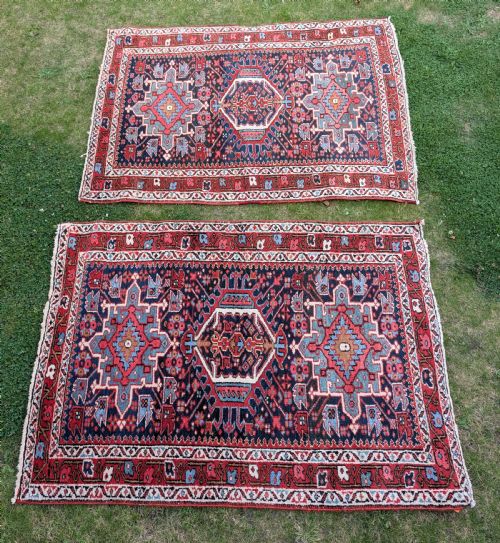
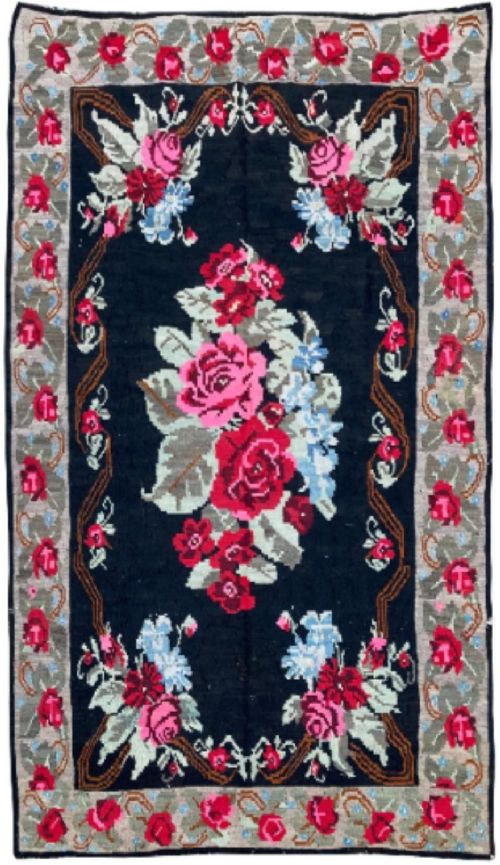

Handwoven Rug
A handwoven rug brings distinct character and traditional craft directly to a floor through enduring textile traditions.
Handwoven Rug
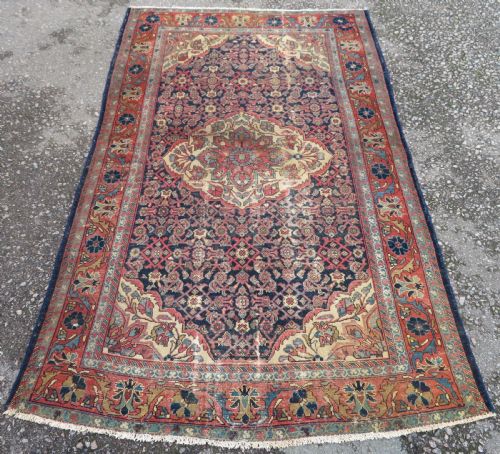
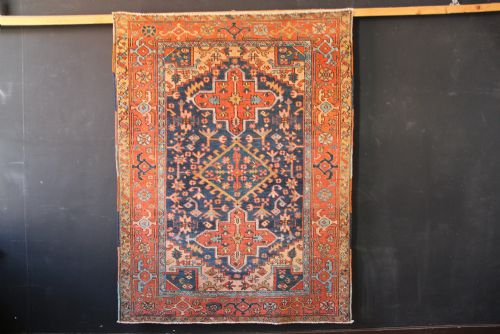
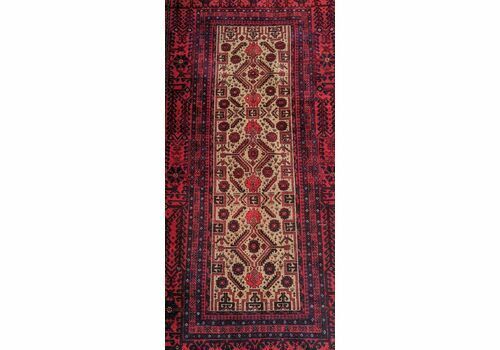
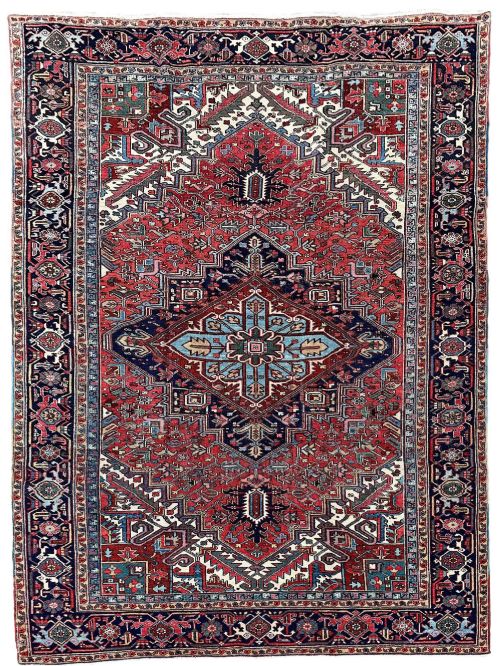
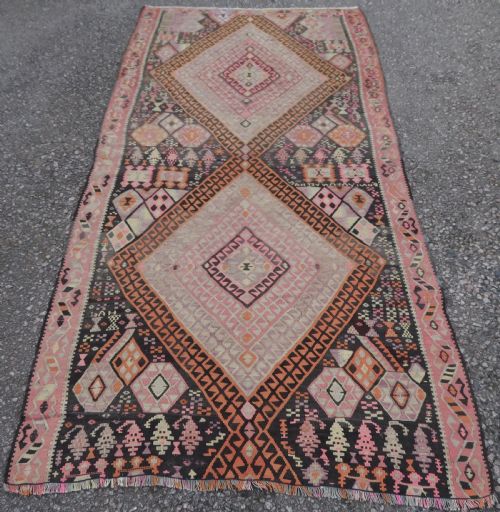
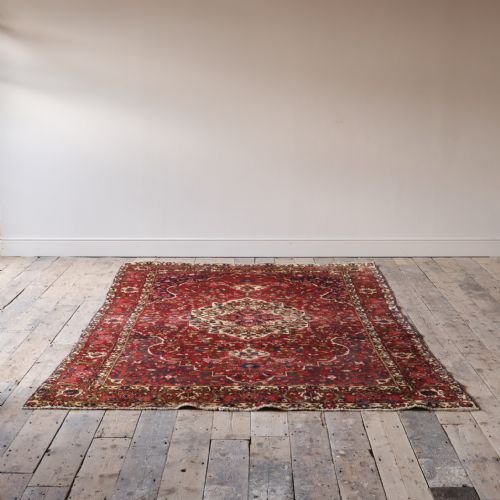
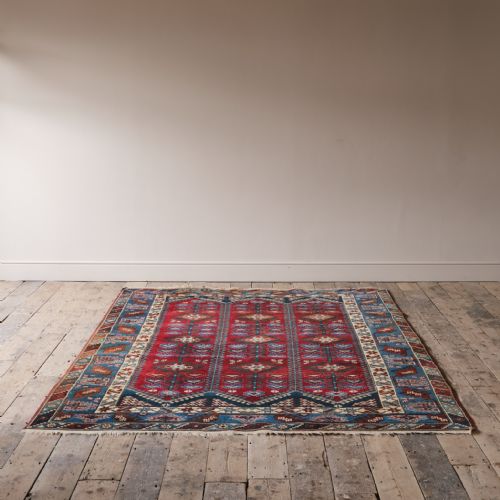
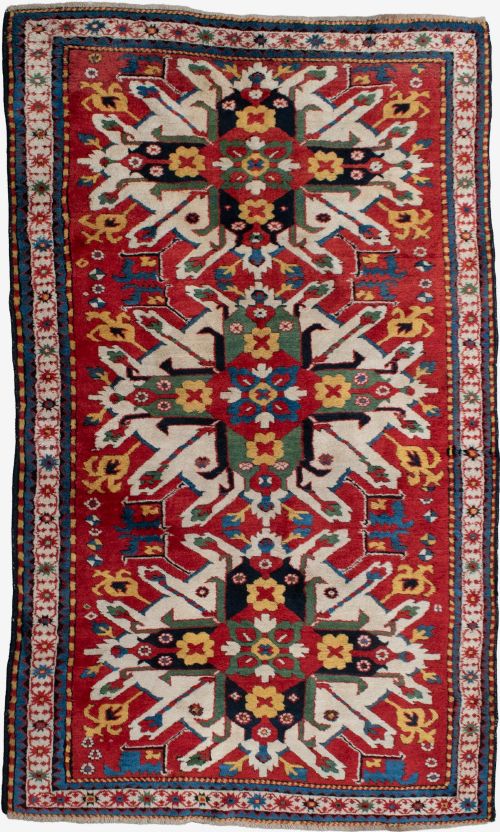
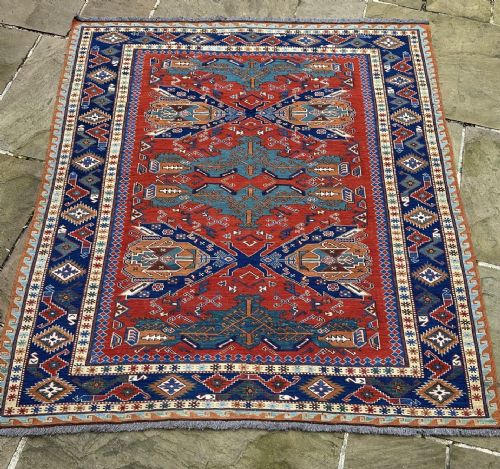
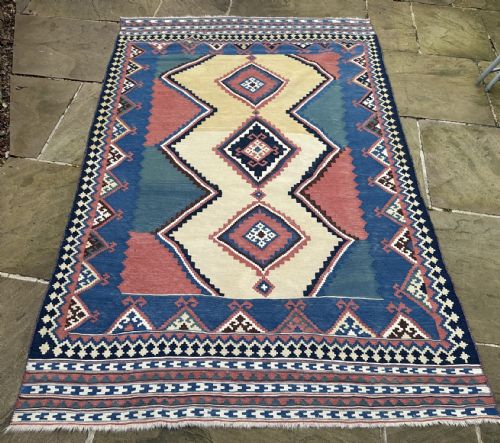
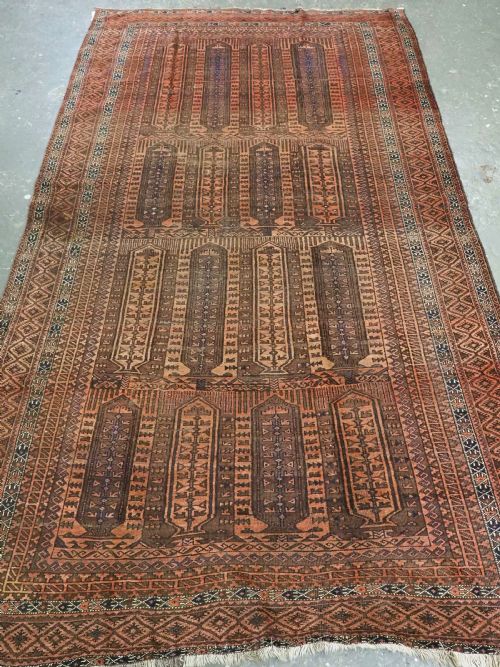
A handwoven rug encompasses tribal textiles, village carpets, flatweaves, and decorative runners originating from Persian, Caucasian, Anatolian, and Turkmen regions. These floor coverings and utility bags display geometric medallions, traditional motifs, and regional patterns produced by nomadic and settled weavers.
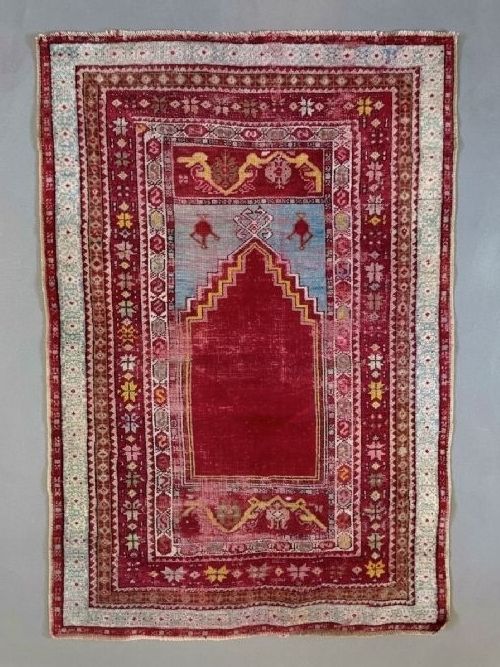
The selections available here range from room-sized Heriz carpets and prayer rugs to smaller saddle bags, salt bags, and spindle bags dating from the nineteenth century into the twentieth century. Persian and Caucasian tribal pieces appear frequently alongside Anatolian kilims and Turkmen weaves.
Buyers look for authentic village and tribal pieces that display genuine regional designs, natural dyes, and traditional hand-knotting or flatweaving techniques. Each piece reflects the specific cultural identity and weaving heritage of the community that produced it.
How they were made
Weavers utilise wool, cotton, hand-spun wool, cactus silk, and sabra fibre, often preparing materials with natural dyes to create enduring colour palettes. Certain Moroccan and North African examples incorporate unusual additions such as glass beads and cowrie shells.
Production involves traditional hand-knotting on upright looms or flatweaving techniques such as kilim and soumak construction. These methods produce either a dense pile surface or a flat, reversible textile structure designed for practical domestic use.
Object types include rugs, carpets, runners, kilims, tapestries, saddle bags, salt bags, storage bags, vanity bags, and spindle bags.
What varies in quality
Quality rests in the precision of the knotting or weaving, the clarity and complexity of the regional design, and the integrity of the materials. Finely spun wool and stable natural dye lots create a more resonant and durable surface over decades of use.
The sophistication of the tribal iconography, the balance of the borders and central medallions, and the original condition of the selvedges and ends separate standard village work from exceptional examples.
The Handwoven Rug Glossary
- Kilim
- A flatwoven carpet or rug produced without a pile by tightly interweaving warp and weft strands. These textiles are typically reversible and feature sharp geometric patterns.
- Soumak
- A flatweaving technique utilising a wrap-and-weft facing method that creates a sturdier structure with raised pattern details on the face. The reverse side displays loose trailing threads.
- Warp
- The stationary vertical threads stretched onto a loom that form the structural foundation of the rug. Fringe ends originate from these structural threads.
- Weft
- The horizontal strands passed alternately over and under the warp threads to hold the knots or flatweave in place. Packing the weft tightly secures the design structure.
- Medallion
- A central ornamental design motif placed in the middle field of a carpet. This decorative element often echoes regional tribal geometry.
- Selvedge
- The reinforced side edges of a rug finished to prevent fraying and maintain the rectangular shape. Handwoven pieces often display distinctive wrapping along these borders.
Handwoven Rug: Frequently Asked Questions
How do I clean an antique rug?
Gentle surface brushing and professional specialist washing maintain the fibres without damaging natural dyes. Avoid harsh chemical detergents and excessive moisture.
Regular rotation prevents uneven wear patterns in high-traffic areas while keeping exposure balanced across the textile surface.
Can I place these rugs on heated floors?
Natural fibres handle moderate ambient warmth well when paired with a breathable underlay. Ensure the floor temperature remains regulated to prevent fibre drying.
Using a quality rug pad permits proper air circulation beneath the textile.
What is the difference between a kilim and a carpet?
Kilims are flatwoven without a pile, resulting in a lighter, reversible textile suited to versatile placement. Carpets feature a knotted pile that creates a denser, cushioned surface underfoot.
Both styles utilise traditional regional motifs passed down through generations of weavers.
How do I identify a tribal design?
Tribal designs typically feature repeating geometric motifs, stepped polygons, and stylized animal or plant forms rooted in nomadic symbolism. These patterns differ from the elaborate curvilinear floral layouts found in city workshops.
Regional variations in border arrangements and colour combinations help pinpoint specific tribal groups.