


Handwoven Persian Wool Rug
A handwoven persian wool rug brings centuries of nomadic and village weaving tradition straight to your floor.
Handwoven Persian Wool Rug
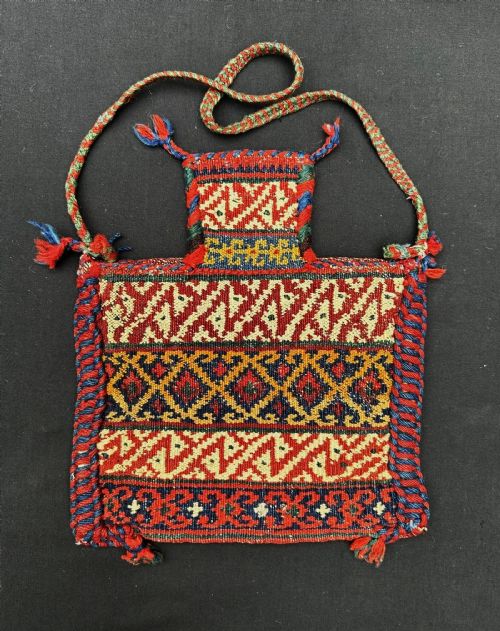
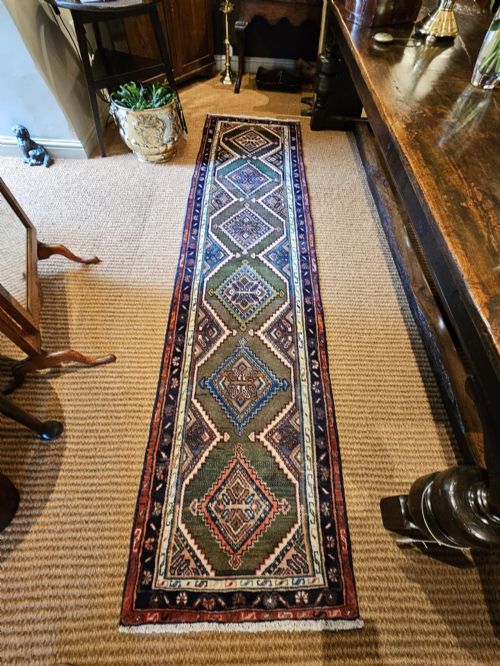
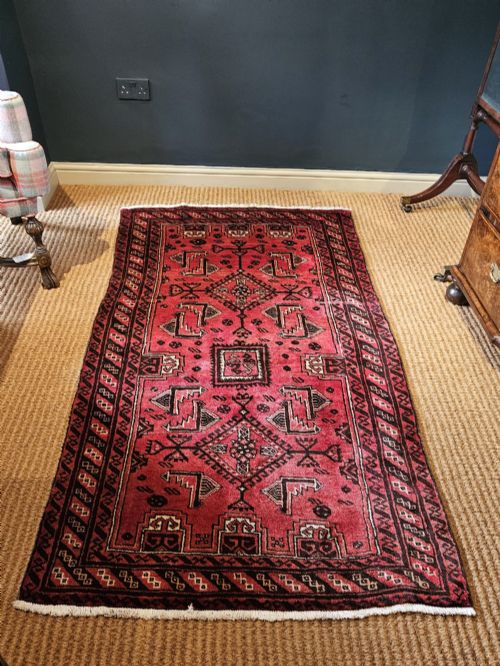
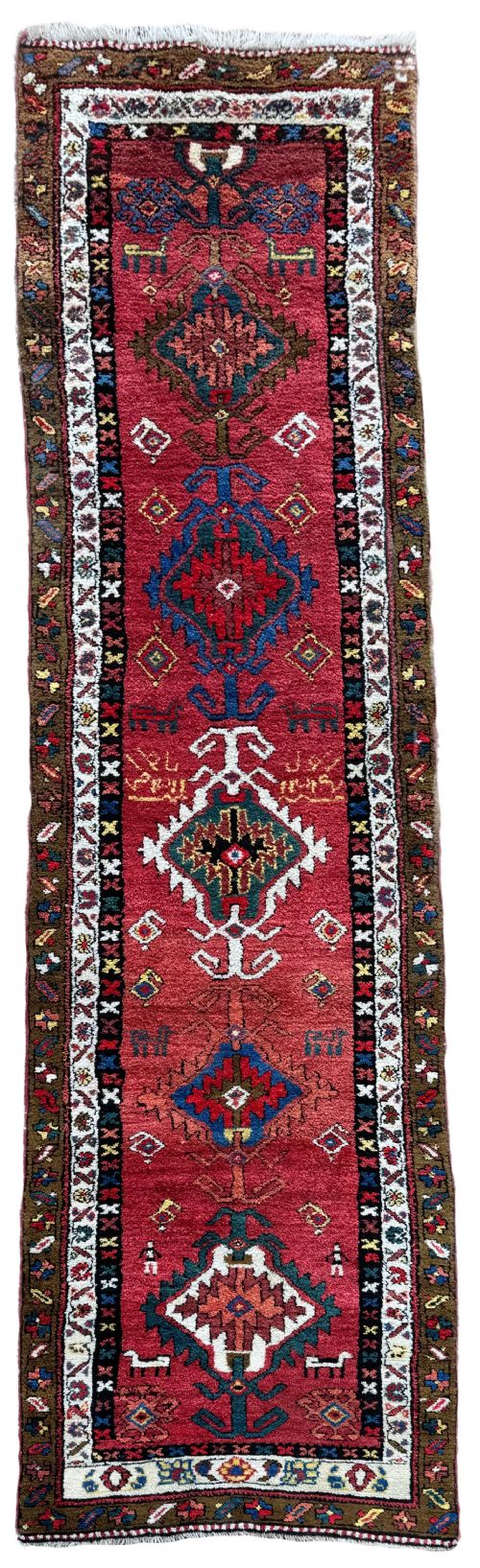
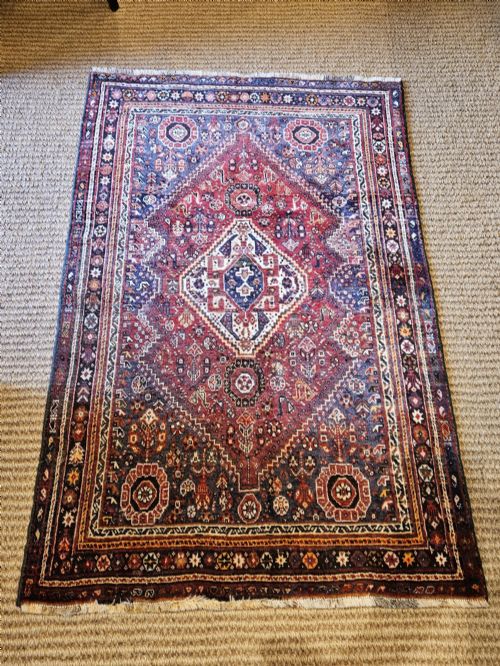
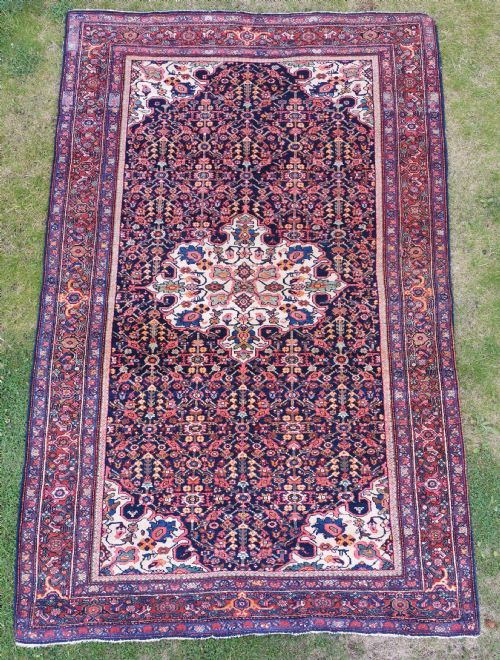
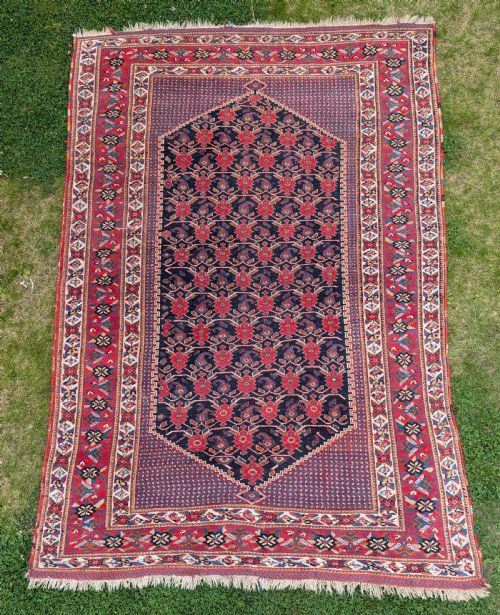
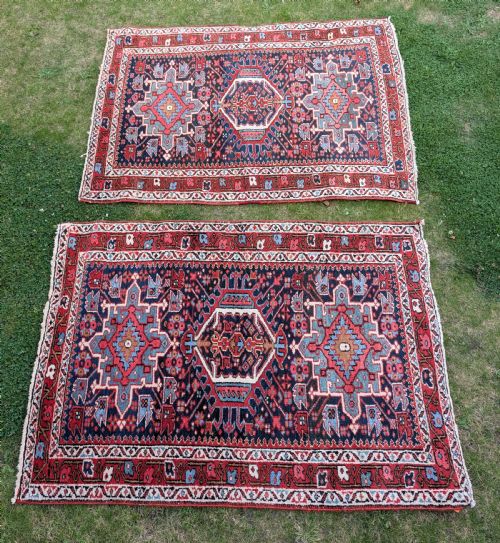
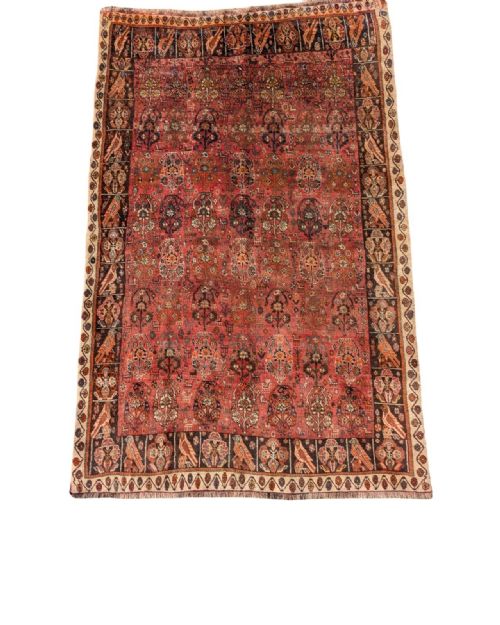
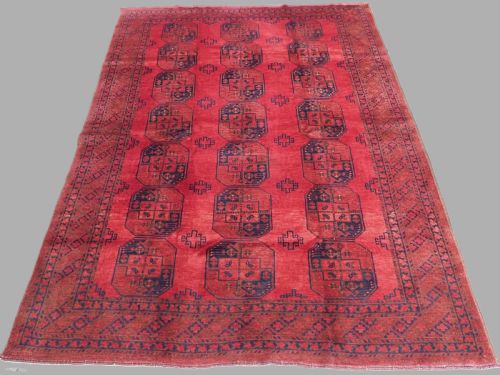
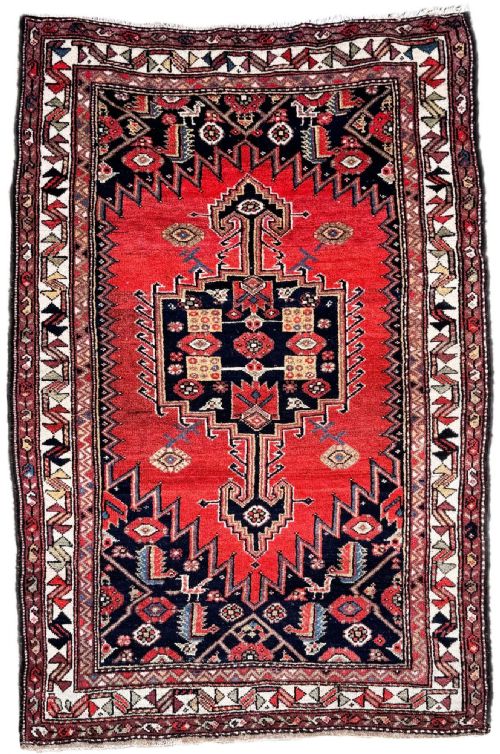
When you search for a handwoven persian wool rug, you encounter floor coverings and tribal textiles originating from the nineteenth and early twentieth centuries. The selection encompasses large carpets, runners, saddle bags, and smaller village rugs created across diverse regions such as Heriz, Saroq, Afshar, and Baluch.
Most examples date from the late nineteenth century through to the 1940s, representing traditional village and nomadic craftsmanship. Pieces span various formats, from room-sized Heriz carpets to compact Baluch prayer rugs and decorative tribal bags.
What varies in quality
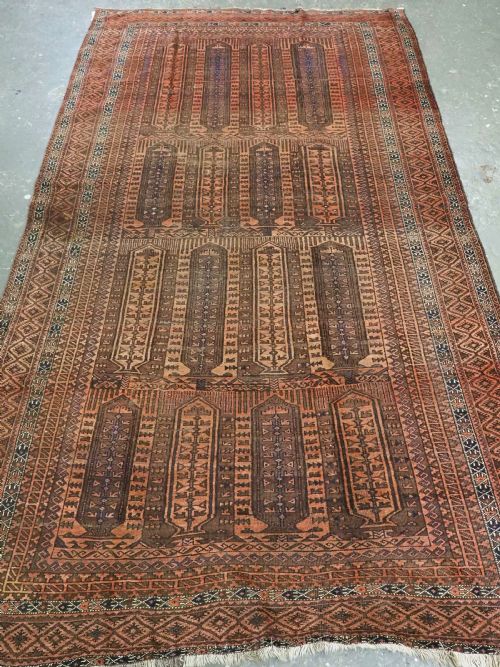
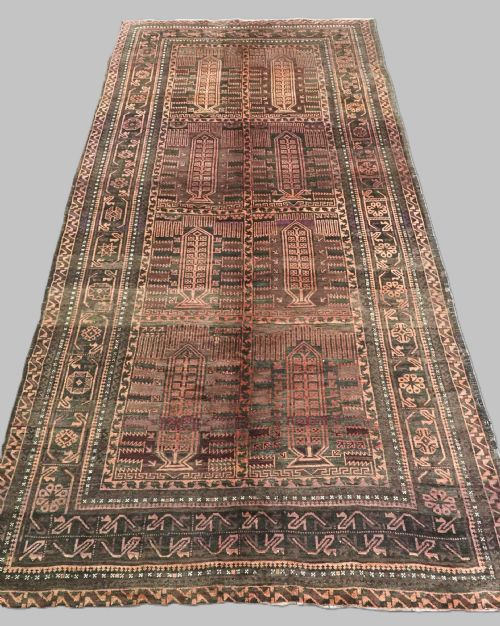
Quality in these textiles depends on the density of the weave, the clarity of tribal motifs like the Kalam Donneh or pencil box design, and the integrity of the natural dyes. Tightly knotted wool and well-balanced proportions separate finer village carpets from simpler utility pieces.
The precision of the regional design, whether Heriz geometric patterns or Baluch iconography, dictates the artistic merit of the rug. Uniformity in hand-spun wool and the complexity of the border work also determine the standing of each textile.
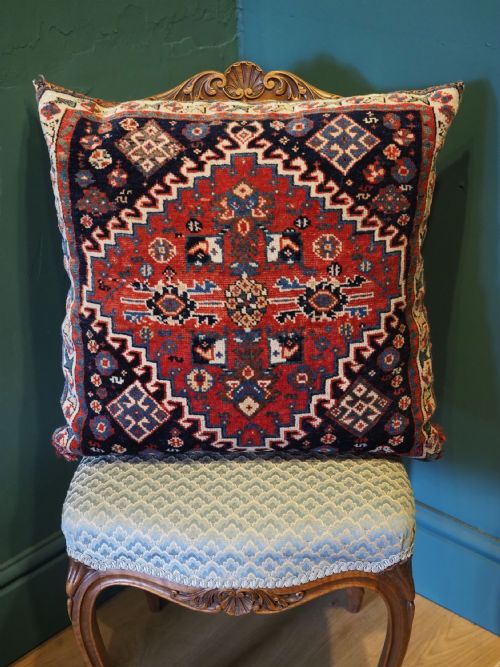
Several antique examples on this page started life as tobacco bags or saddle bags carried across desert tracks by nomadic tribes.
The Handwoven Persian Wool Rug Glossary
- Kilim
- A flatwoven carpet or rug produced without a pile, often featuring sharp geometric patterns.
- Runner
- A long, narrow carpet format traditionally used in hallways or corridors.
- Prayer Rug
- A small rug featuring a mihrab or arch design used for individual devotion.
- Pile
- The upright yarn loops that form the soft surface of a woven carpet.
- Natural Dyes
- Colourants derived from plants, insects, and minerals rather than synthetic compounds.
Handwoven Persian Wool Rug: Frequently Asked Questions
How do I place a tribal rug in a modern room?
A handwoven persian wool rug anchors contemporary furniture by introducing organic texture and rich earth tones. Position the piece centrally in a living space or hallway to let the traditional patterns stand out against neutral floors.
Ensure the scale of the runner or carpet suits the proportions of the room without overwhelming the surrounding space. Natural wool textures blend easily with wood and stone interior elements.
What is the difference between a Heriz and a Baluch rug?
Heriz carpets typically feature bold, geometric medallion designs woven on sturdy foundations in north-west Persia. They are known for their architectural structure and durable room-sized formats.
Baluch rugs originate from nomadic groups and generally appear in smaller formats with darker palettes, distinctive prayer arches, and symbolic motifs like the pencil box design.
How should I care for an antique wool carpet?
Vacuum the rug gently using suction only, avoiding rotating brush attachments that can pull at the hand-spun wool pile. Rotate the textile periodically to ensure even wear across high-traffic areas.
Keep the piece out of direct, harsh sunlight to protect the natural dyes from fading over time. Professional cleaning suited for antique textiles should be used when necessary.
How can I tell the age of these woven textiles?
Age is indicated by the specific wool preparation, the use of natural dyes prior to the introduction of synthetics, and traditional regional weaving structures. Characteristics such as irregularities in the weave point to hand-production by village or nomadic makers.
Comparing design motifs with documented regional styles from the nineteenth and early twentieth centuries helps narrow down the period of origin.