


Handwoven Persian Tribal Carpet
A handwoven persian tribal carpet brings authentic nomadic craft into a room, offering rich geometric patterns and enduring character.
Handwoven Persian Tribal Carpet
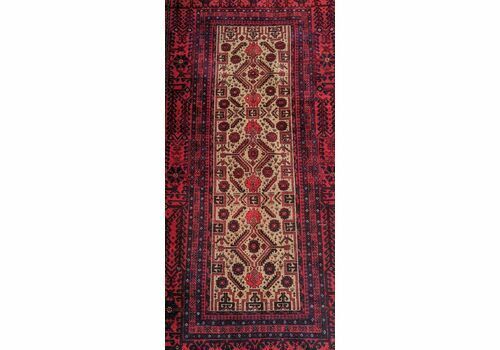
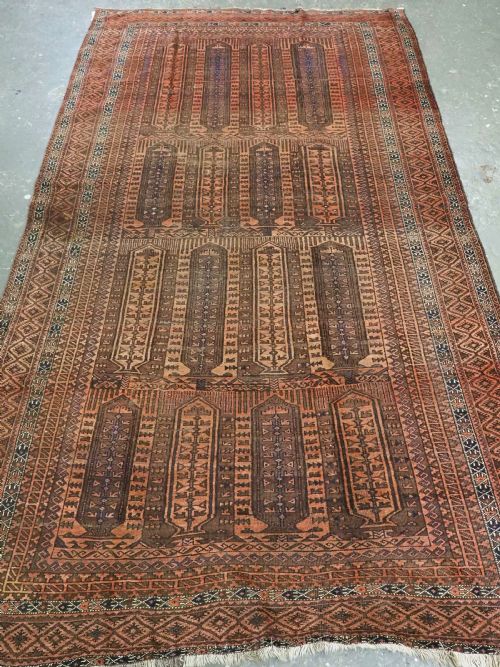
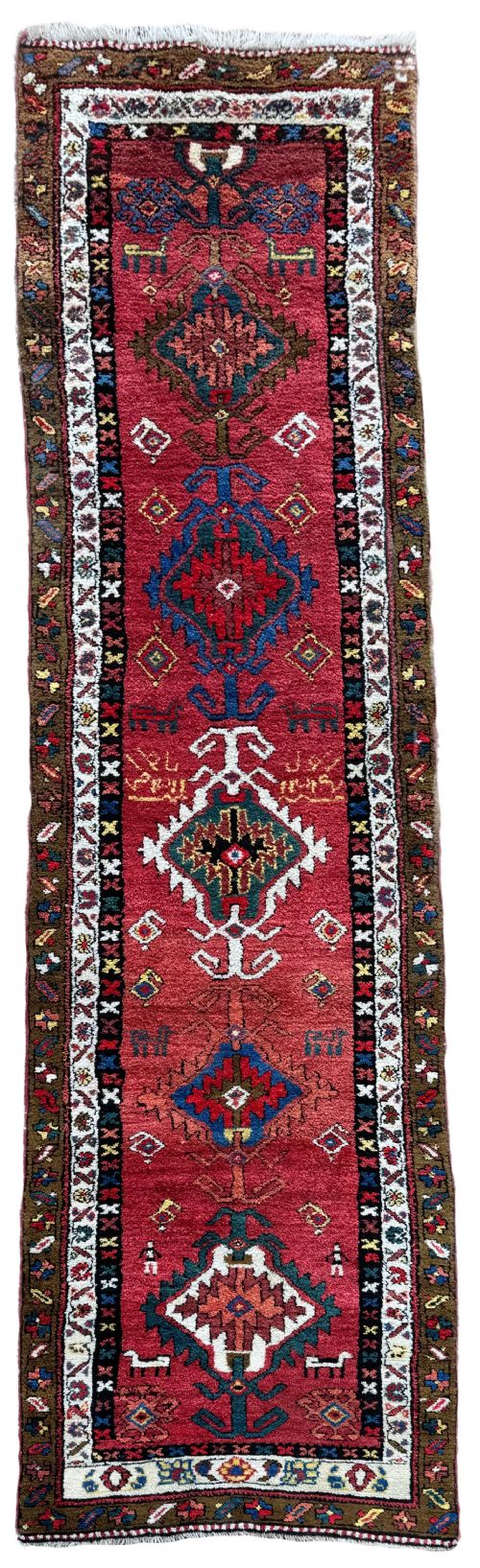
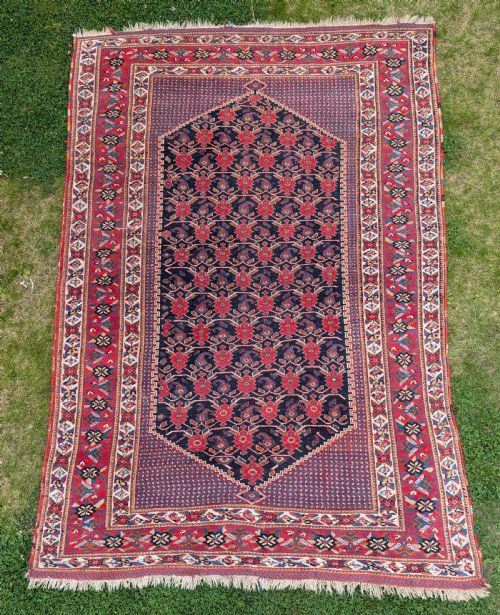
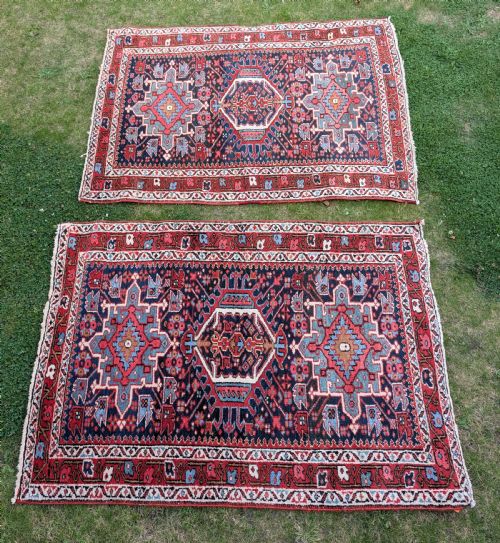
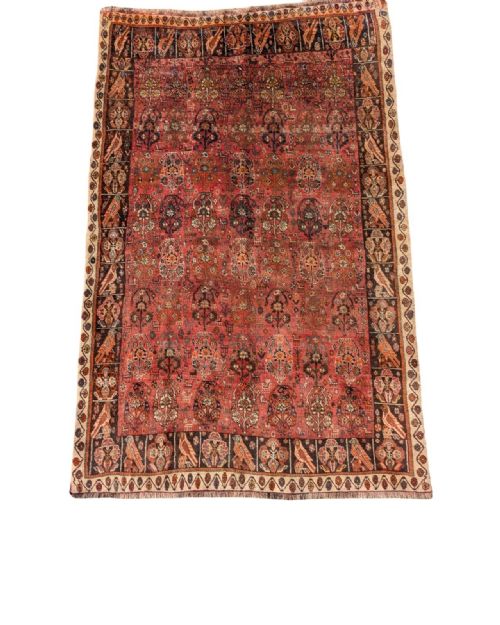
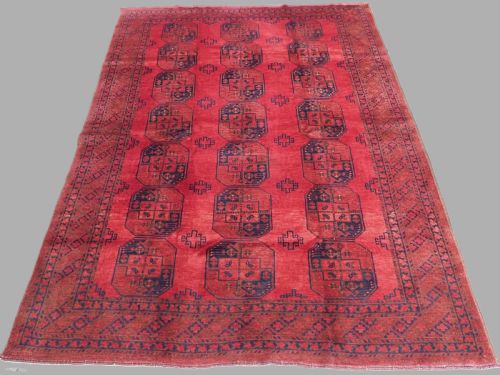
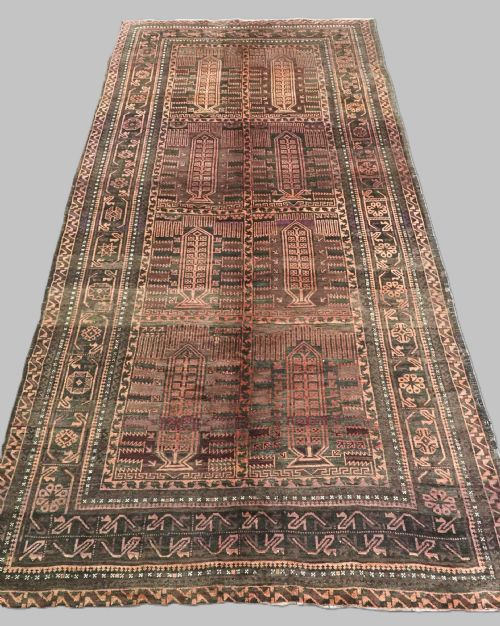
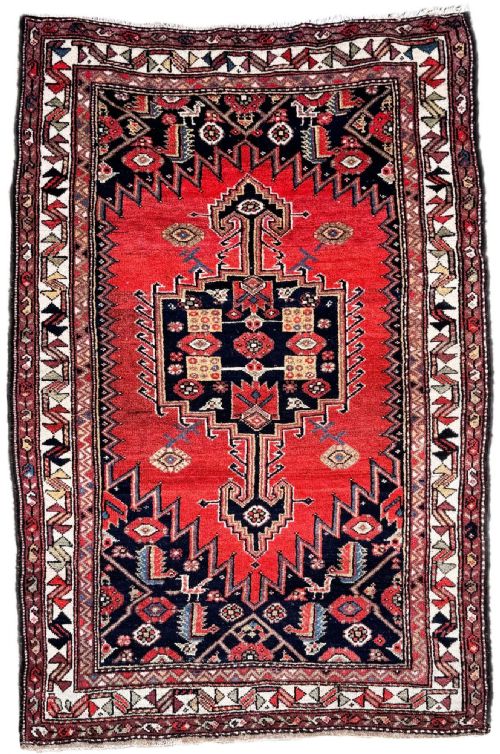
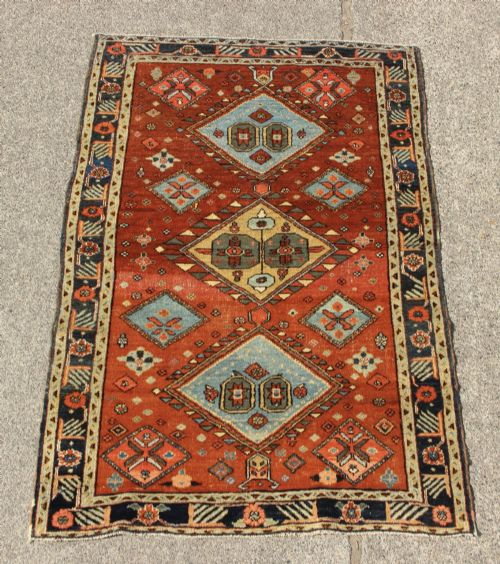
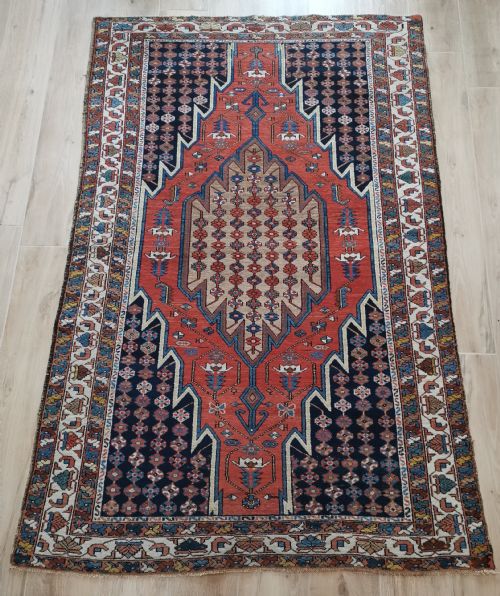
A handwoven persian tribal carpet encompasses rugs, runners, and village textiles originating from regions like Heriz, Bidjar, and the territories of the Qashqai, Afshar, and Baluch groups. These pieces arrive in formats ranging from small scatter rugs and prayer mats to room-sized carpets and long runners.
The version most commonly met on this page is an antique or vintage carpet dating from the late nineteenth century through to the mid-twentieth century. Buyers encounter distinctive tribal styles that reflect specific village weaving traditions, often displaying characteristic medallions, geometric layouts, and field motifs.
How They Were Made
These textiles rely on foundations of hand-spun wool and cotton, utilising sturdy warps and wefts to support the dense pile. Weavers employ traditional hand-knotting techniques on vertical looms.
The weavers achieve their palette through natural dyes applied to pure wool, producing variable tones that settle with age. The materials demonstrate a resilience suited to everyday domestic use.
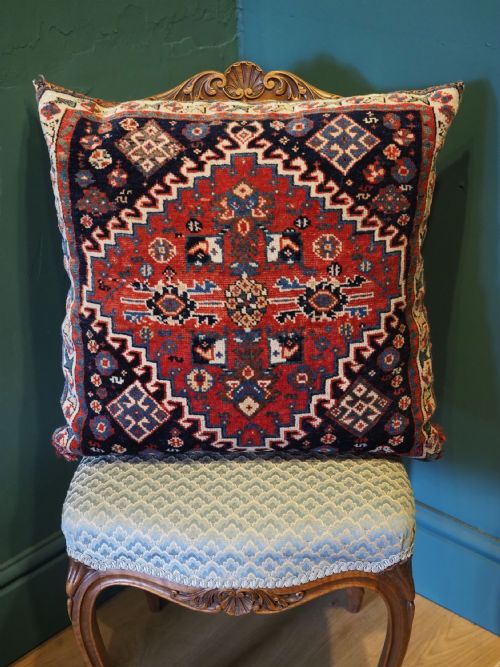
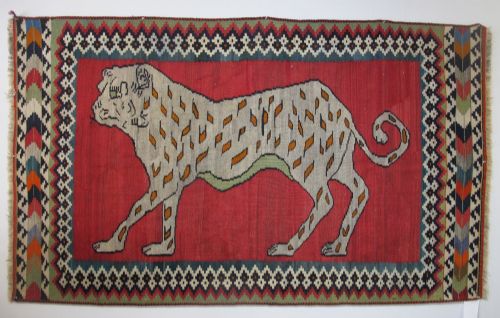
Object types recorded across the inventory include area rugs, runner rugs, saddle bags, and flat-woven kilims from various Persian tribal regions.
What Varies in Quality
The standard of a weaving depends upon the tightness of the knotting and the density of the wool foundation. Finer constructions allow intricate geometric and figurative details to remain sharp and well-defined.
Another distinction lies in the depth and complexity of the natural dye palette. Weavings with harmonious colour shifts and saturated hues demonstrate superior preparation and dyeing methods.
The Handwoven Persian Tribal Carpet Glossary
- Kilim
- A flat-woven carpet or rug produced without a pile. These pieces offer lighter weights and sharp geometric patterns.
- Prayer rug
- A small textile featuring a niche or mihrab design at one end. Historically utilised for individual devotional practice.
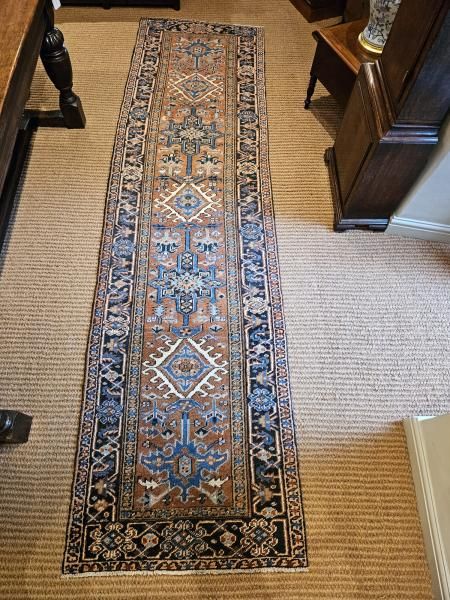
- Runner
- A long, narrow carpet format designed for hallways or corridors. These pieces connect spaces while displaying repeating borders and central motifs.
- Saddle bag
- A utilitarian nomadic container woven in pairs for transport on animals. Collectors frequently prize the surviving face panels as compact cushions or small rugs.
Handwoven Persian Tribal Carpet: Frequently Asked Questions
How do I identify a tribal carpet?
Look for geometric motifs, asymmetric designs, and motifs drawn from nomadic life rather than court workshops. These pieces often show local variations in wool texture and border patterns.
Examination of the reverse reveals the individual hand knots and the character of the hand-spun wool foundation. Village and tribal pieces carry structural irregularities that distinguish them from mass-produced floor coverings.
Where were these carpets made?
The pieces originate from village and nomadic communities across Persia, including regions associated with the Qashqai, Afshar, Baluch, and Heriz weavers. Each group developed distinct local palettes and design vocabularies.
Workshops and tribal encampments passed specific weaving traditions down through generations. This regional heritage dictates the motifs and structural composition found within each textile.
Are these carpets suitable for heavy traffic?
The dense construction of pure wool pile on sturdy cotton or wool foundations provides natural durability. These textiles withstand regular foot traffic when paired with an appropriate underlay.
Routine care involves gentle vacuuming without the rotating brush bar to protect the wool fibres. Proper placement ensures the antique foundation experiences even wear over time.
What is a prayer rug?
A prayer rug is a smaller format textile featuring a distinct architectural arch design known as a mihrab. Weavers traditionally oriented this niche towards Mecca during daily devotions.
These portable textiles served spiritual functions for nomadic and village populations. Today, collectors value them for their symbolic imagery and compact compositions.