




Handwoven Persian Mat
A handwoven persian mat brings tangible warmth and character to a room through centuries of established tribal and village weaving traditions.
Handwoven Persian Mat
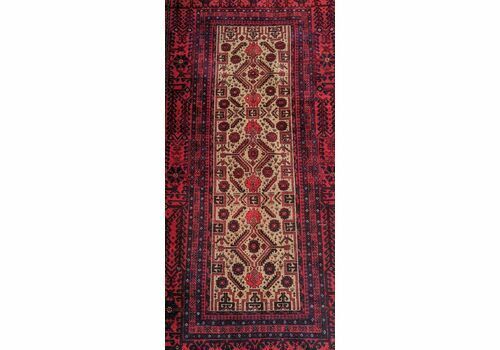
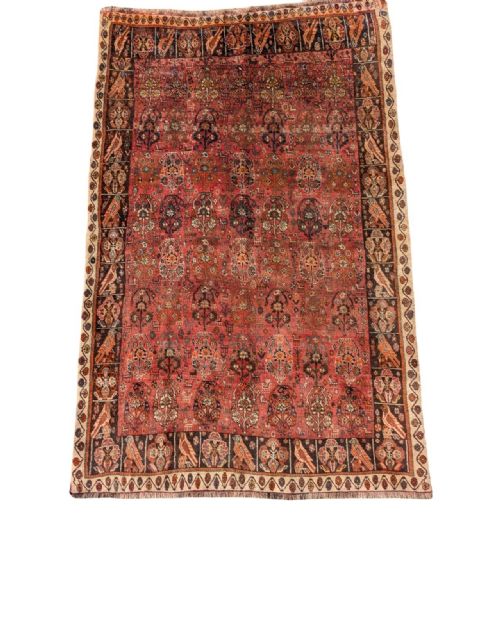
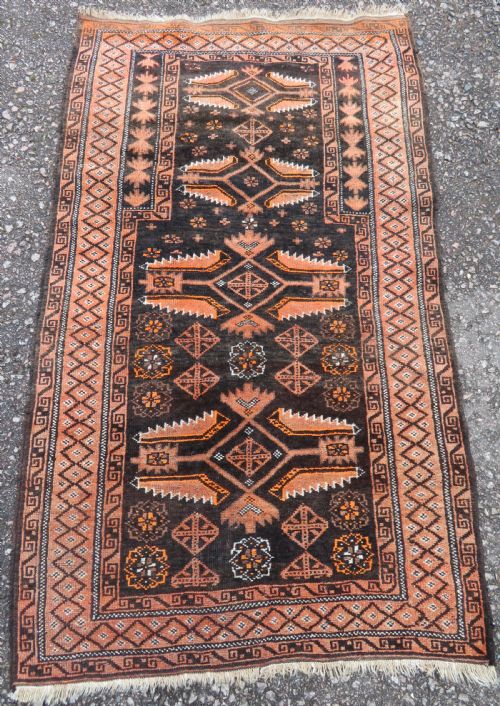
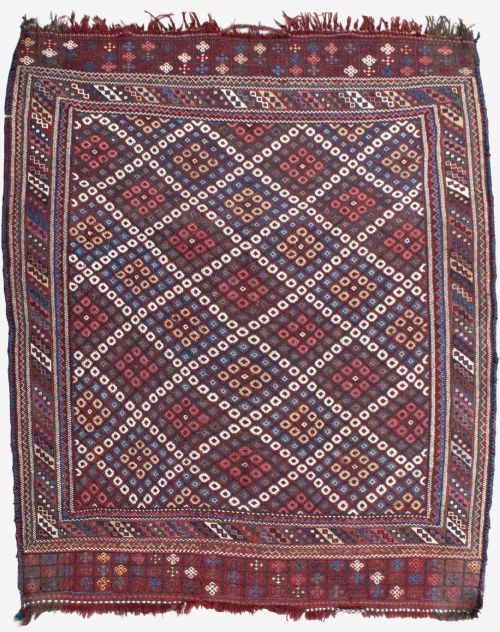
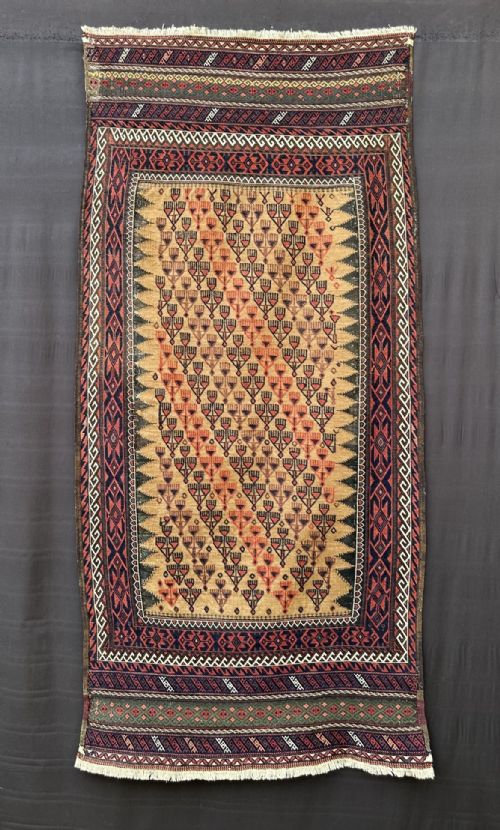
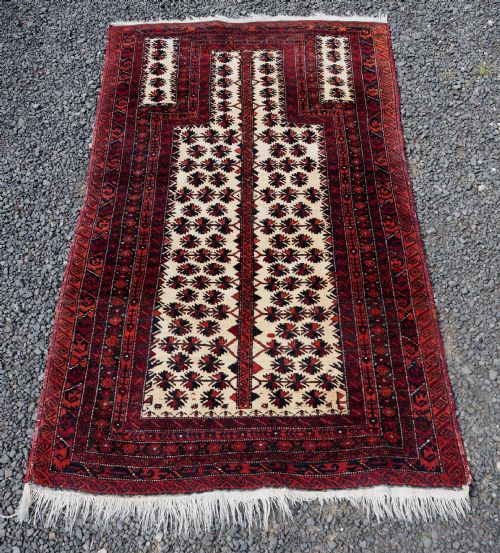
A handwoven persian mat encompasses diverse village and tribal formats, including functional items such as prayer rugs, saddlebag faces, and dining sofrehs. The pieces encountered here span from the late nineteenth century through to the 1930s, originating from specific regions and nomadic groups including the Afshar, Baluch, and Qashqai.
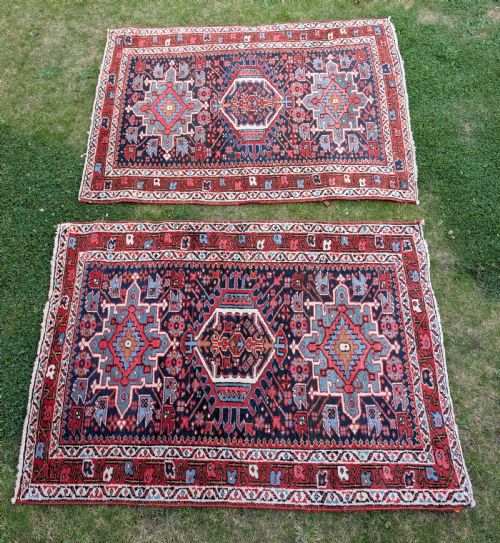
Buyers frequently encounter smaller formats like scatter rugs alongside larger room-size carpets, reflecting the varied domestic output of Persian workshops and nomadic tribes. Traditional motifs range from geometric shrub designs to intricate floral vase patterns executed in regional workshops.
Materials and construction
Weavers constructed these textiles primarily from handspun wool and cotton foundations, occasionally incorporating camel hair for natural tone and durability. The interplay of these natural fibres provides the dense pile and flatweave structures characteristic of traditional looms.
Natural dye stuffs and traditional knotting techniques dictate the structural integrity and visual depth of each floor covering. The tension of the wool against cotton or wool warps establishes the resilience observed in surviving examples.
Handwoven Persian Mat Retail Price Guide 2026
Typical asking prices for handwoven persian mat among the pieces listed under this phrase on Sellingantiques today, from the lower quarter to the upper quarter. They describe what is for sale here now, not the wider market.
Current listings feature pieces originating from the nineteenth century up to the 1930s, utilising wool, cotton, and camel hair.
Differentiating quality
Quality rests in the precision of the weave, the saturation and sourcing of the dyestuffs, and the crispness of the tribal geometry. Pieces demonstrating exceptional handle and finely detailed iconography command greater attention from collectors.
Condition and structural originality also divide the standard examples from the exceptional survivors. Intact borders and minimal historical restoration preserve the integrity of the original maker's vision.
The Handwoven Persian Mat Glossary
- Sofreh
- A flatwoven or pile-woven spread utilised for dining or kneading bread within nomadic households. These textiles often display minimalist tribal iconography distinct from standard floor rugs.
- Prayer rug
- A small format textile featuring a mihrab or niche design intended for devotional use. The directional nature of the design guides the placement during ritual observation.
- Flatweave
- A textile produced without a knotted pile, encompassing kilims and soumaks created by interweaving warp and weft threads directly. This technique yields a lighter, reversible fabric.
- Saddlebag face
- The surviving front panel of a utility bag utilised for transport on animals. These fragments isolate specific regional motifs in a compact format.
- Mihrab
- The arched architectural niche depicted on prayer rugs, symbolising the direction of prayer. Its orientation is a primary visual anchor in devotional textiles.
Handwoven Persian Mat: Frequently Asked Questions
How do I care for antique wool rugs?
Vacuum gently without a rotating brush roll to protect the aged wool fibres from excessive friction and potential damage.
Keep the textile out of direct sunlight to prevent the natural dyes from fading prematurely over the years.
How can I identify tribal origins?
Examine the specific structural characteristics, edge finishes, and repeat motifs characteristic of known weaving groups.
Regional colour palettes and distinct wool qualities often point directly to specific tribal confederations.
Are these pieces suitable for daily floor use?
Most antique wool and cotton textiles withstand normal walking traffic when placed over a quality underlay.
Delicate flatweaves or smaller prayer formats benefit from placement in lower-traffic areas to preserve their structure.